
Hear from Our Customers
You’re not looking for the cheapest blacktop you can find. You want a driveway that doesn’t crack after one winter or a parking lot that doesn’t turn into a puddle every time it rains.
When asphalt is installed correctly—with the right base prep, proper grading for drainage, and high-grade hot mix applied at the right temperature—you get a surface that holds up. That means fewer repairs, less water damage to your foundation, and a property that looks professional year after year.
Morris County weather is tough on pavement. Freeze-thaw cycles, heavy rain, and temperature swings all take their toll. The difference between asphalt that lasts and asphalt that fails comes down to how it’s installed. Proper compaction, the right thickness for your traffic load, and attention to drainage aren’t extras—they’re what separate a solid investment from a costly mistake.
We work across Morris, Sussex, and Somerset Counties. We’re not a national franchise or a crew that disappears after the job. We’re grounded here, which means if something needs attention, you know where to find us.
Towaco properties deal with specific challenges—sloped driveways that need careful grading, older homes with drainage issues, and soil conditions that require a solid base. We’ve worked enough jobs in this area to know what holds up and what doesn’t.
You’ll get clear pricing upfront, a callback within 24 to 48 hours when you request a quote, and a crew that shows up when we say we will. No chasing us down. No vague timelines.
First, we assess your property. That means looking at drainage, checking soil stability, and measuring the area. If there’s an existing surface, we evaluate whether it needs full removal or if repairs will work.
Next comes site prep. This is where most paving companies cut corners, and it’s where jobs fail. We excavate to the right depth, compact the soil, and install a proper aggregate base. If your property has drainage issues, we address them now—not after the asphalt is down.
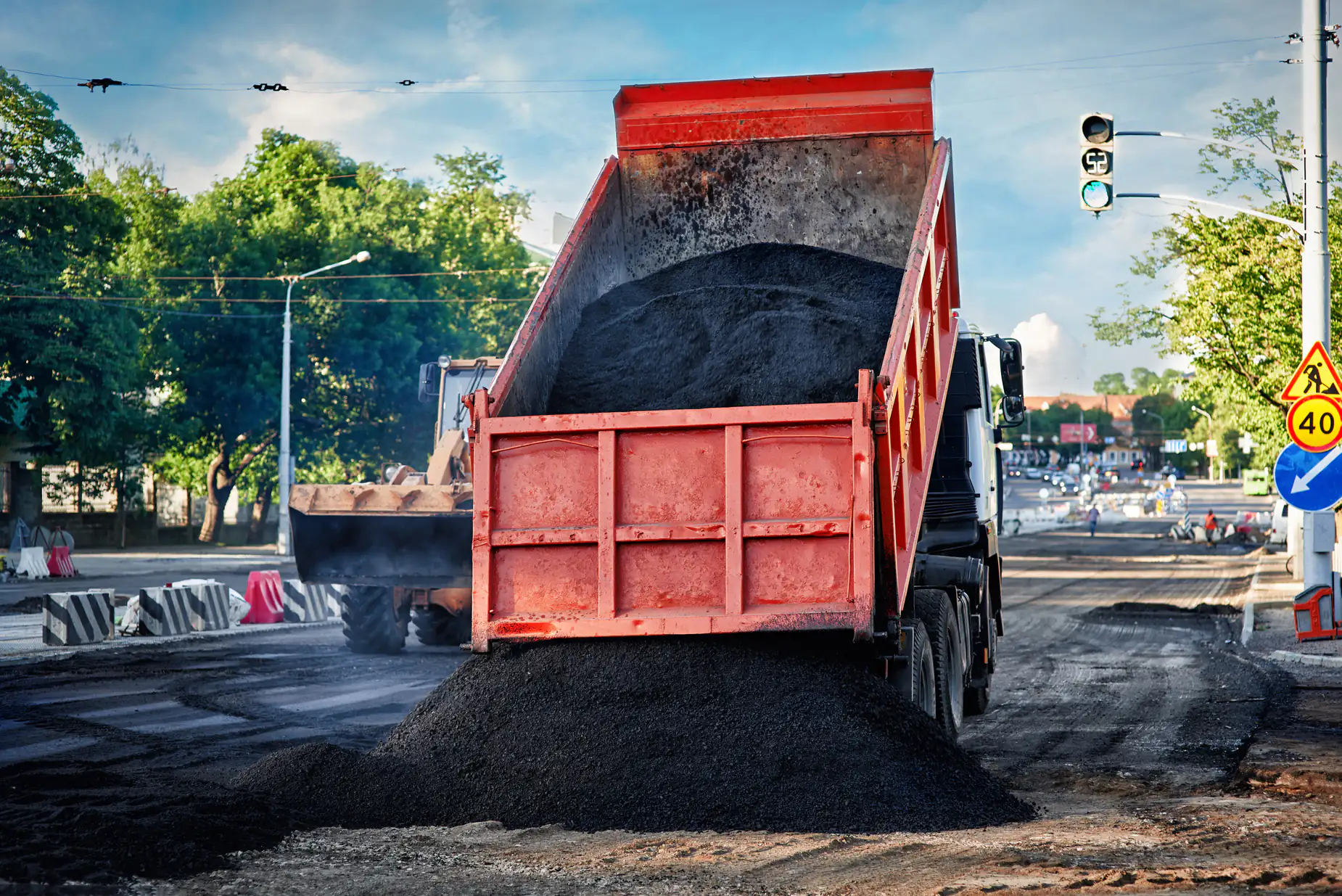
Then we apply the hot mix asphalt at the correct temperature and compact it to create a dense, resilient surface. Edges get finished clean. The surface is graded so water runs off, not into your foundation.
After installation, we walk you through care and maintenance. Depending on the project, that might include sealcoating recommendations or guidance on when to address minor cracks before they become major problems. You’ll know what to expect and when.
Ready to get started?
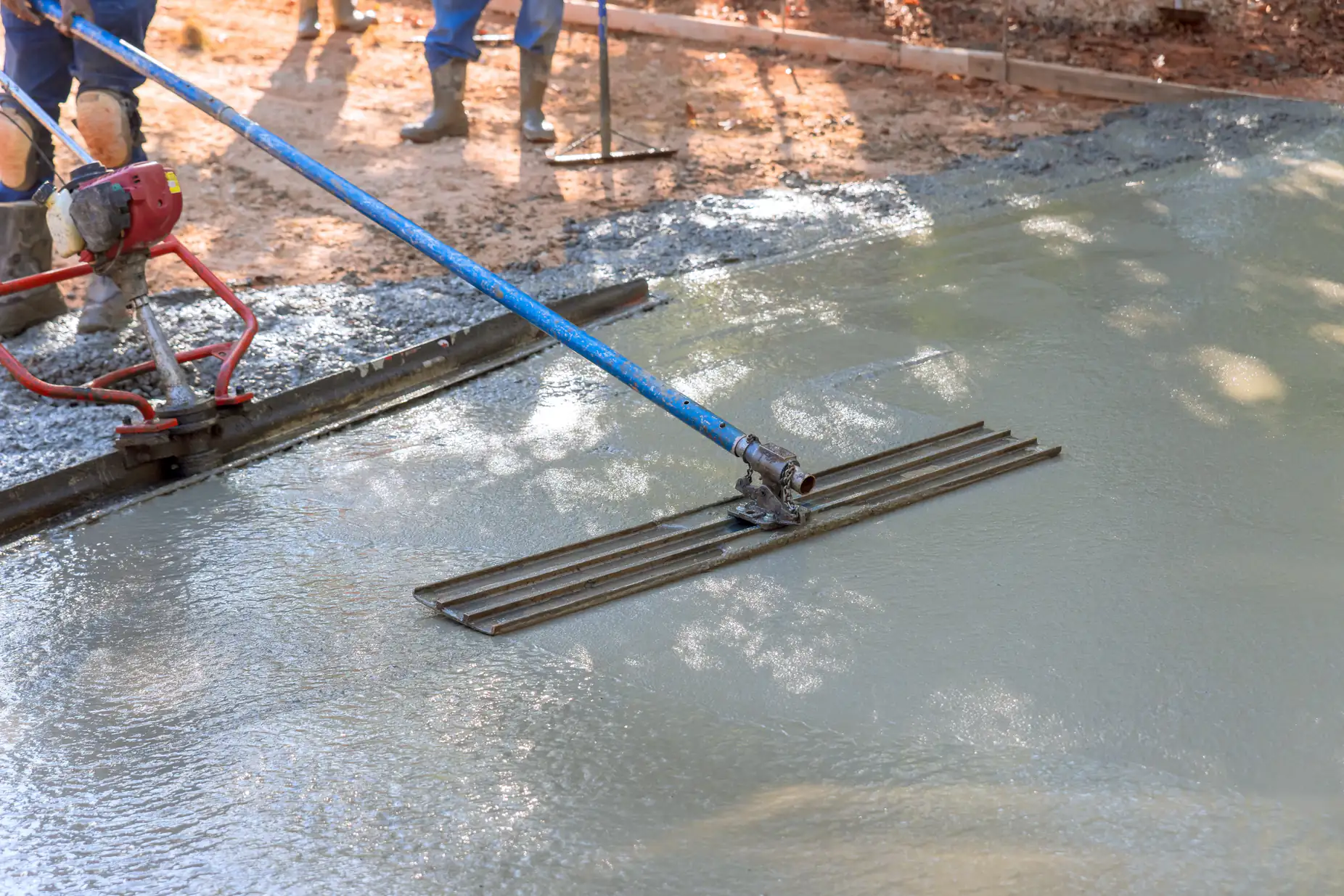
We handle residential driveways, commercial parking lots, road resurfacing, patching, and repairs. If you need decorative options, we also install stamped concrete with various patterns and finishes.
Every job starts with a site assessment. We don’t give you a quote over the phone based on square footage alone. Towaco properties vary—some have steep grades, others have poor drainage or unstable soil. We need to see what we’re working with to give you an accurate number.
Morris County is investing over $11 million in road resurfacing across the area, which tells you how much wear and tear local pavement takes. Your driveway or parking lot faces the same conditions. That’s why material quality matters. We use high-grade hot mix asphalt selected for performance in this climate, and for concrete work, we use Portland cement mixes with rebar reinforcement.
You’ll also get transparent pricing with no hidden fees. If something unexpected comes up during excavation, we talk to you before proceeding. And we stick to the schedule we give you—no disappearing for days without explanation.
A properly installed asphalt driveway in Towaco typically lasts 20 to 30 years, but that depends entirely on how it’s installed and maintained. The biggest factors are base preparation, drainage, and material quality.
If the base isn’t compacted correctly or if water pools on the surface, you’ll see cracking and deterioration within a few years. Morris County’s freeze-thaw cycles are brutal on pavement—water gets into small cracks, freezes, expands, and breaks the asphalt apart. Proper grading and a solid aggregate base prevent that.
Sealcoating every few years also extends the life of your driveway. It protects against UV damage, water penetration, and oxidation. But even the best sealcoating won’t save a poorly installed driveway. The foundation has to be right from the start.
Asphalt and blacktop are essentially the same material—a mix of aggregate and liquid asphalt binder. The terms are often used interchangeably, though “blacktop” usually refers to the type of asphalt mix used for driveways and parking lots.
The real difference you should care about isn’t the name—it’s the quality of the mix and how it’s applied. Hot mix asphalt (HMA) needs to be applied at the right temperature and compacted properly to create a dense, durable surface. If the mix is too cool when it’s laid, it won’t compact correctly, and you’ll end up with a weaker surface that deteriorates faster.
Some paving companies use recycled asphalt pavement (RAP) to cut costs. RAP can be fine when mixed correctly with new material, but if it’s overused or poorly blended, the pavement won’t hold up. Ask what mix your contractor is using and what temperature it’ll be applied at. If they can’t answer, that’s a red flag.
Asphalt paving costs in Towaco typically range from $3 to $7 per square foot, depending on the scope of work, site conditions, and material quality. A standard two-car driveway might run between $3,000 and $7,000, but that number changes based on excavation needs, drainage work, and base prep.
Material costs have gone up significantly in recent years because liquid asphalt is refined from oil, and oil prices fluctuate. But material cost is only part of the equation. The labor and equipment required for proper site prep—excavating, grading, compacting the base—often make up the bulk of the expense.
If a quote seems unusually low, it’s worth asking what’s being skipped. Thin asphalt, inadequate base prep, or poor compaction will cost you more in the long run when you’re dealing with cracks, settling, and premature failure. A slightly higher upfront cost for quality work saves you from repaving in five years.
Yes, sealcoating protects your asphalt from water, UV damage, and oxidation. Most driveways in Towaco should be sealed every two to three years, depending on traffic and exposure.
New asphalt needs time to cure before sealcoating—usually six months to a year. Sealing too early traps oils in the asphalt that need to evaporate. Once the surface is ready, a quality sealant fills small cracks, prevents water penetration, and keeps the pavement flexible.
Sealcoating isn’t a fix for structural problems. If your driveway has large cracks, potholes, or drainage issues, sealing over them won’t help. Those problems need to be repaired first. But for a driveway in good condition, regular sealcoating is one of the most cost-effective ways to extend its lifespan and keep it looking sharp.
Asphalt cracks for a few main reasons: poor drainage, inadequate base prep, freeze-thaw cycles, and age. Water is the biggest enemy. When it seeps into the base and freezes, it expands and pushes the asphalt apart.
Proper drainage is critical. If water pools on your driveway or runs toward your foundation, it’s going to cause problems. During installation, the surface should be graded so water runs off into the yard or a drainage system. If the base isn’t compacted correctly, the asphalt will settle unevenly, creating low spots where water collects.
You can’t prevent all cracking—asphalt naturally oxidizes and becomes more brittle over time. But you can minimize it with proper installation, regular sealcoating, and addressing small cracks before they spread. Crack filling is inexpensive and keeps water from getting into the base. Ignoring small cracks turns them into big, expensive problems.
It depends on the condition of the existing asphalt. If the surface is structurally sound with only minor cracking and no major settling, an overlay can work. But if the base has failed, there are large potholes, or the driveway has significant drainage issues, removal and replacement is the better option.
An overlay involves applying a new layer of asphalt over the old surface. It’s less expensive than full removal, but it only works if the existing pavement is stable. If the base is compromised, adding new asphalt on top just covers the problem temporarily. You’ll end up with the same issues—cracking, settling, and water damage—within a few years.
We assess the existing surface before recommending a solution. Sometimes an overlay makes sense and saves you money. Other times, it’s throwing good money after bad. We’ll tell you which situation you’re in and why, so you can make an informed decision.