
Hear from Our Customers
A well-installed driveway means no standing water pooling near your foundation. It means cracks don’t turn into potholes that cost you thousands down the line. You’re looking at 15 to 20 years of use when the base is compacted correctly and the asphalt is applied at the right temperature.
Most homeowners don’t think about drainage until water starts finding its way into places it shouldn’t. Proper grading directs runoff away from your home, and that matters more in Morris County than almost anywhere else given our freeze-thaw patterns.
The difference between a $3,000 repair and a $300 seal comes down to timing. Address surface issues early and you’re protecting the base layer. Let water infiltrate through cracks and you’re excavating the whole thing in two years. That’s the math.
We’ve been handling residential and commercial paving across Morris, Sussex, and Somerset Counties for over 20 years. We’re a family-owned operation, which means the person who quotes your job actually cares about the outcome.
The Hills sits in an area where soil composition and weather patterns require specific installation techniques. We compact sub-bases to handle freeze cycles. We time projects around rain patterns. These aren’t things you learn from a manual—they come from doing this work in North Jersey for years.
You’ll get an upfront quote that details what’s included. No surprise charges when the job’s done. And if you request a quote online, expect a callback within 24 to 48 hours.
First, we assess your property for grading and drainage needs. If water’s pooling anywhere or your downspouts dump directly onto the driveway, that gets addressed before we lay anything down. The surface gets cleared of debris, and we prepare the sub-base by compacting soil until it’s solid enough to support regular vehicle traffic and weather stress.
Next comes the base layer. This is where most contractors cut corners, and it’s where you’ll pay for it later. We use crushed stone compacted in layers because that’s what prevents settling and cracking when the ground shifts during winter.
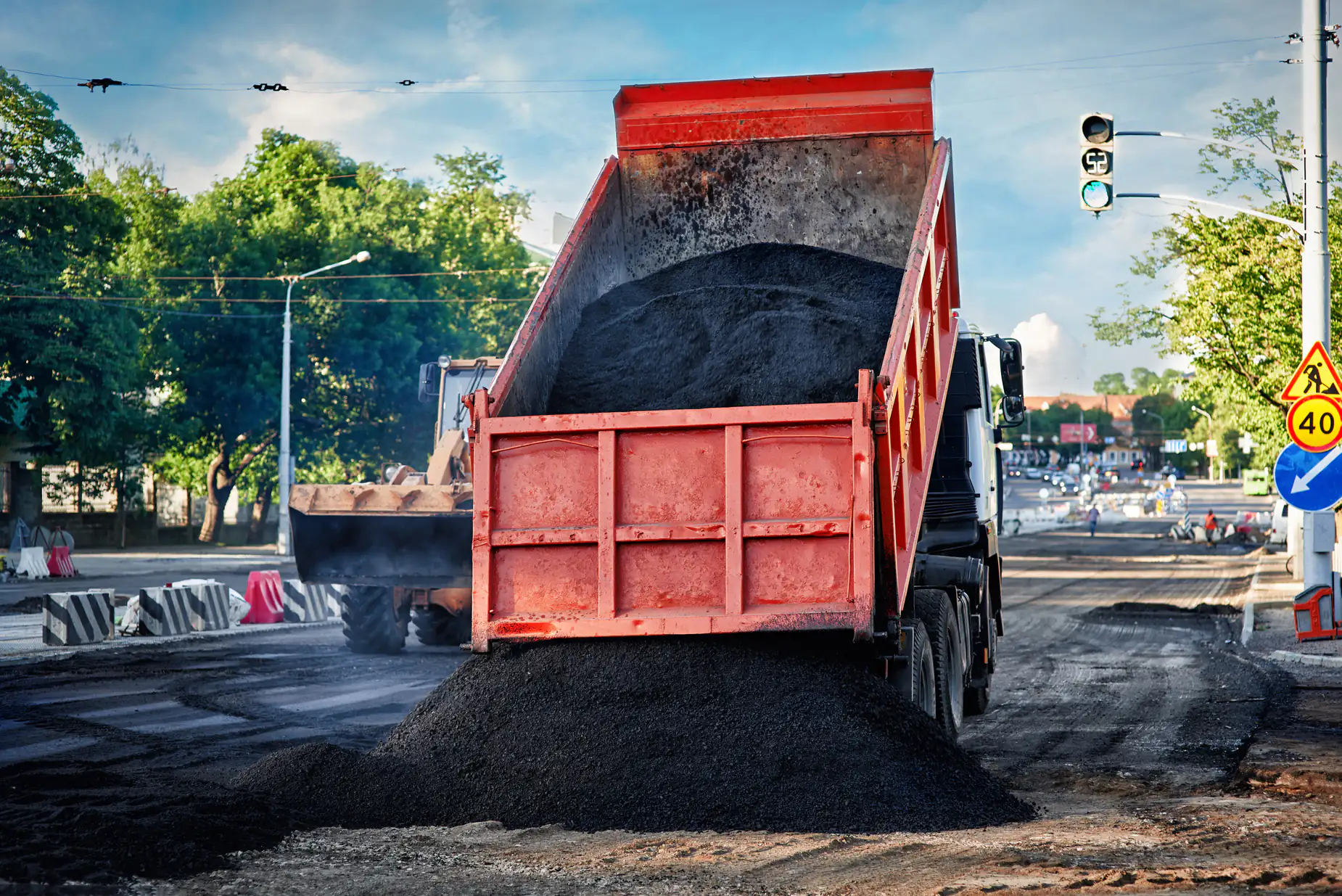
Then we apply hot mix asphalt at the proper temperature. Too cold and it won’t compact correctly. Too hot and it can scorch. We’re talking about a material that needs to be between 275 and 300 degrees when it’s laid. Once it’s down, we compact it with rollers to eliminate air pockets and create a smooth, durable surface.
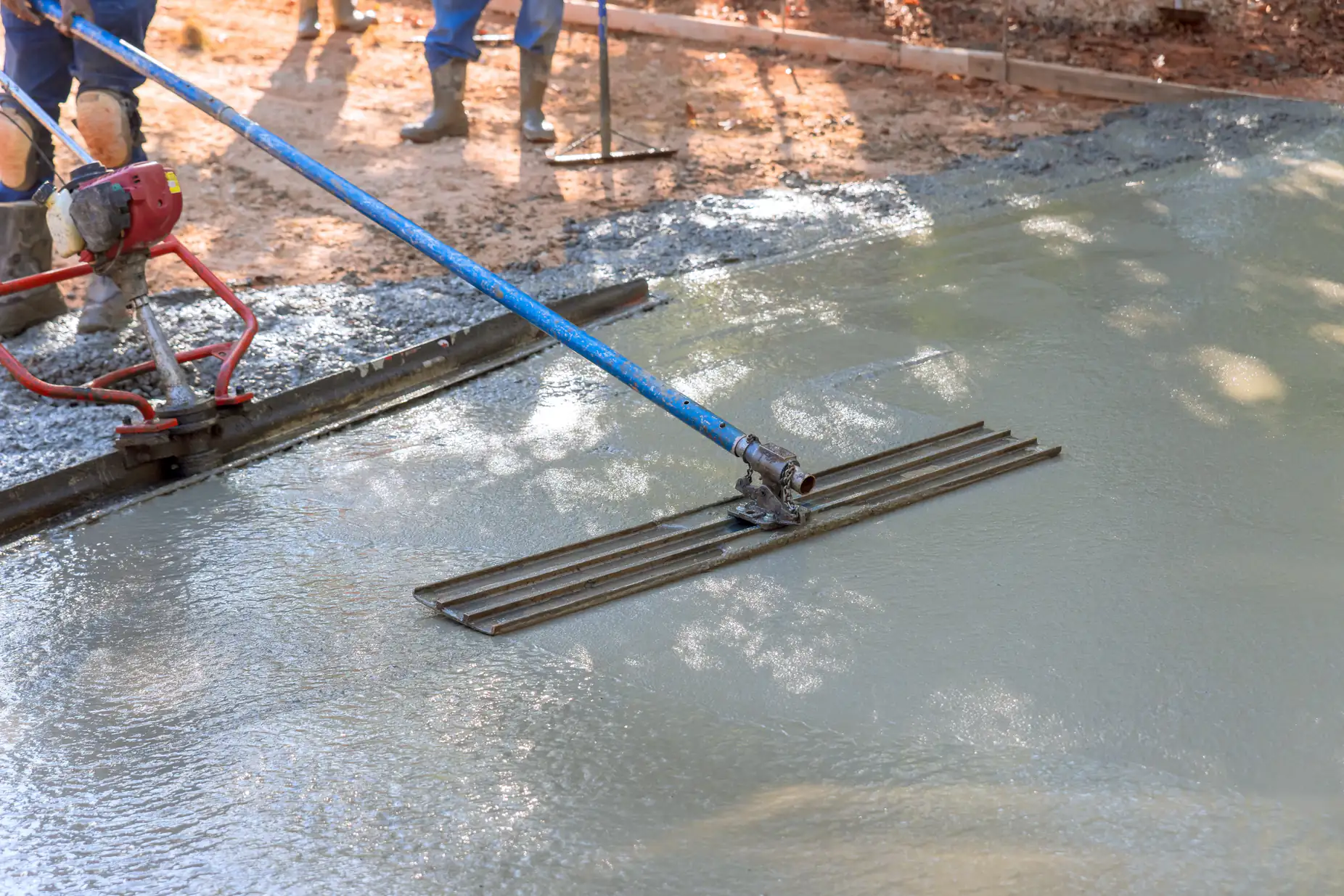
For concrete work, we use Portland cement mixes with rebar reinforcement. If you want decorative stamped patterns, we handle that too. The curing process takes about a week, and we’ll tell you exactly when you can drive on it.
Ready to get started?
You’re getting a full assessment of drainage and grading before we start. That’s not an upsell—it’s part of the job. If your property slopes toward your foundation or water’s sitting in low spots, we fix that as part of the base prep.
We handle residential driveways, commercial parking lots, and paver patios. Materials come from leading manufacturers, and we use state-of-the-art equipment because older machinery doesn’t compact asphalt evenly. You’ll also get access to our online calculators if you want to estimate costs before we come out.
The Hills and surrounding Morris County areas deal with some of the highest freeze-thaw cycles in New Jersey. That means your pavement needs to be installed with expansion in mind. We leave room for the asphalt to shift slightly without cracking, and we make sure the base layer drains properly so water doesn’t sit and freeze underneath.
Sealcoating extends the life of your driveway by protecting it from UV damage and water penetration. We recommend doing it every few years, but we’ll give you a realistic timeline based on your specific conditions—not a sales pitch.
A properly installed asphalt driveway lasts 15 to 20 years in Morris County if you stay on top of basic maintenance. That means sealing cracks when they’re small and sealcoating every three to five years depending on sun exposure and traffic.
New Jersey weather is tough on pavement. You’ve got freezing winters that cause contraction and hot summers that make asphalt brittle. The key is catching issues early—a crack that costs $50 to seal now will cost thousands if water gets into the base layer and weakens it.
If your driveway was installed correctly with a compacted base and proper drainage, you’re looking at two decades of use. If it wasn’t, you’ll see problems within the first few years. That’s why the installation matters more than almost anything else.
Spring and early summer are ideal for asphalt paving in The Hills. You want temperatures consistently above 50 degrees, and you want to avoid heavy rain periods that can delay base prep and curing.
Asphalt needs warm weather to cure properly. If it’s too cold, the material won’t compact correctly and you’ll end up with a surface that deteriorates faster. Fall can work if temperatures hold, but you’re gambling with weather patterns that can turn quickly in North Jersey.
Concrete has a bit more flexibility with temperature, but it still needs about a week to cure before you can drive on it. We time projects around local weather forecasts and let you know if conditions aren’t right. Rushing a paving job to meet a deadline is how you end up with problems a year later.
Most residential driveways in Morris County run between $3 and $7 per square foot for asphalt, depending on the condition of your existing base and how much prep work is needed. If we’re excavating and starting from scratch, costs go up because you’re paying for labor and materials to build a proper foundation.
Concrete costs more upfront—usually $8 to $15 per square foot—but it lasts longer if you’re willing to deal with the longer curing time. Decorative stamped concrete adds to the price but gives you more curb appeal if that matters for resale value.
The real cost comes from skipping base prep to save money now. A driveway installed on poorly compacted soil will fail within a few years, and then you’re paying for a full replacement instead of a one-time installation. We give you an upfront quote that breaks down what you’re paying for so there’s no confusion about where your money goes.
Yes, sealcoating protects your driveway from UV damage, water penetration, and the chemicals that come off your car. You should sealcoat every three to five years depending on how much sun exposure your driveway gets and how much traffic it sees.
Asphalt breaks down over time when it’s exposed to the elements. The sun dries it out and makes it brittle. Water seeps into small cracks and expands when it freezes, making those cracks bigger. Sealcoating adds a protective layer that keeps those things from happening as quickly.
You don’t need to sealcoat immediately after installation—give it six months to a year for the asphalt to cure fully. After that, staying on a regular schedule adds years to your driveway’s lifespan. It’s a small cost compared to repaving the whole thing because you let it deteriorate.
Cracks happen when water gets into the base layer and weakens it, or when the ground shifts due to freeze-thaw cycles. Poor drainage accelerates the process because standing water finds its way into any small opening and expands when temperatures drop.
Prevention starts with proper installation. A compacted base that drains well won’t shift as much when the ground freezes. Grading your driveway so water runs off instead of pooling also makes a big difference. After that, it’s about maintenance—sealing small cracks before they turn into bigger problems.
Morris County sees a lot of freeze-thaw action, which means your driveway expands and contracts throughout the winter. That’s normal, but if the base wasn’t installed correctly, those shifts cause cracks. You can’t prevent every crack, but you can catch them early and keep them from becoming expensive repairs.
Asphalt costs less upfront and handles freeze-thaw cycles better because it’s more flexible. Concrete lasts longer and requires less maintenance over time, but it cracks more easily in cold climates and costs more to install.
If you’re planning to stay in your home for 10 to 15 years, asphalt makes sense. It’s easier to repair, and you can sealcoat it to extend its life. If you’re thinking long-term and want something that requires minimal upkeep, concrete might be worth the extra cost.
The Hills sits in an area where winter weather is a factor. Asphalt handles that better than concrete in most cases, but decorative concrete gives you more curb appeal if that’s a priority. We’ll walk you through both options and give you a realistic picture of what each one costs and how it holds up in Morris County conditions.