
Hear from Our Customers
You stop worrying about cracks turning into craters every spring. That’s what proper installation does.
Most asphalt work around here fails within two years because the base wasn’t prepared right or the material wasn’t applied at the correct temperature. When water gets underneath and freezes, it expands with enough force to split rock. That’s not dramatic language—ice literally takes up 9% more space than water, and it happens dozens of times each winter in Morris County.
Proper paving means you’re not calling someone back in 18 months to patch the same spots. It means your driveway doesn’t collect puddles that turn into ice patches. It means the edges don’t crumble when you shovel. You get years of use without constant maintenance calls, and your property looks like you actually take care of it.
We’ve spent over 20 years working in Morris, Sussex, and Somerset Counties. We’re not showing up with leftover material from another job. We’re not operating out of a motel parking lot.
We know what happens to asphalt in Stirling specifically. The temperature swings here are more extreme than they are 30 miles south, which means your pavement needs a different approach. We use high-grade hot mix asphalt applied at the right temperature, with proper base preparation and drainage design. For concrete work, we’re using Portland cement mixes with rebar reinforcement—not just pouring a slab and hoping it holds.
You’ll get an upfront quote that details what’s actually involved. No surprise charges when we’re halfway through the job. We stick to the schedule we give you, and we clean up completely when we’re done.
First, we assess what you’re starting with. If there’s existing pavement, we need to know what’s underneath it and whether the base is salvageable. A lot of failure happens because someone just paved over a bad foundation.
We remove what needs to go and prepare the base properly. That means grading for drainage—water is your pavement’s biggest enemy, and if it pools or seeps underneath, nothing else matters. We compact the base material in layers so it doesn’t settle unevenly later.
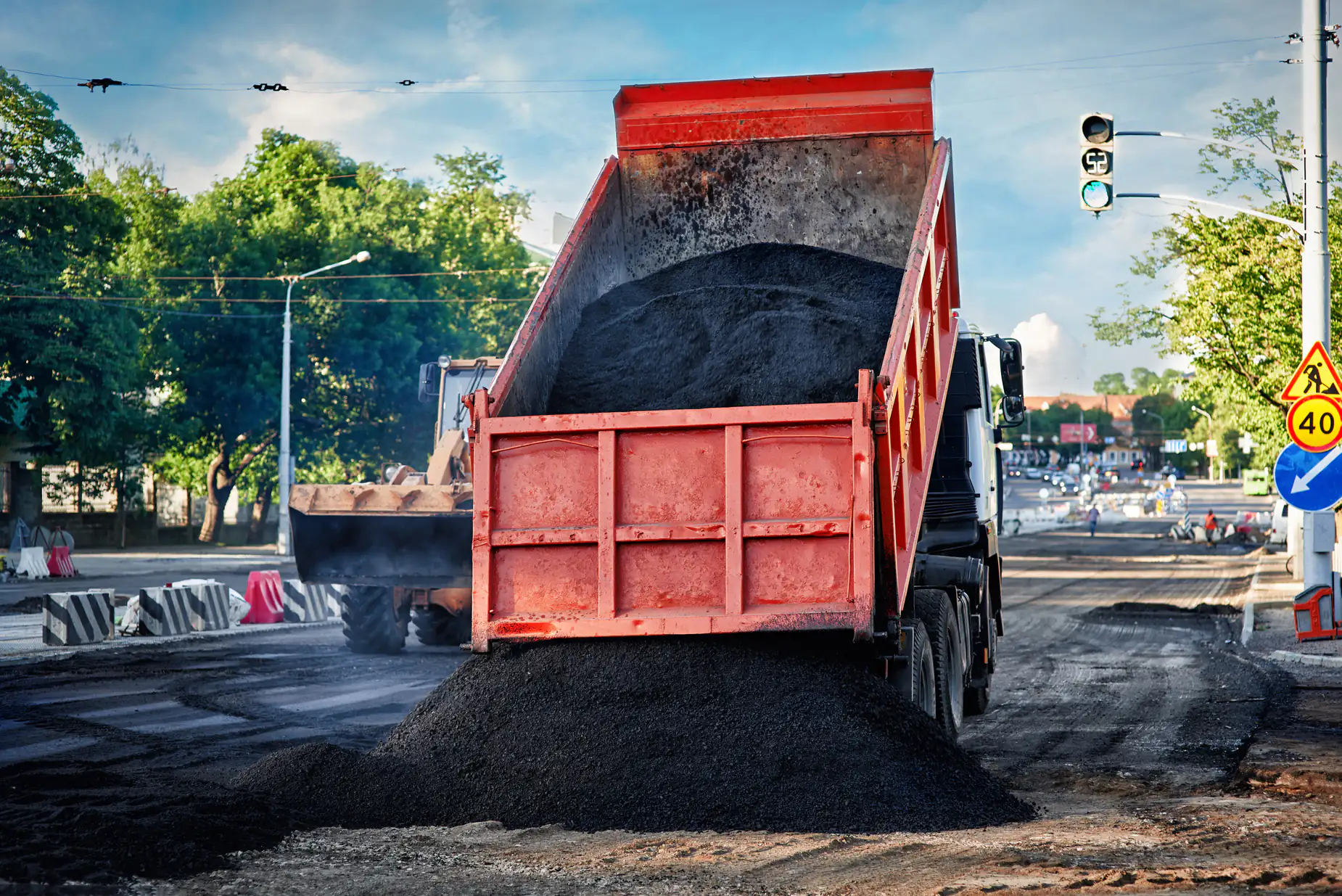
Then we apply the asphalt at the correct temperature. Too cold and it won’t compact right. Too hot and it breaks down the binders. We’re using the right thickness for your specific use—residential driveways need different specs than commercial parking lots with heavy traffic.
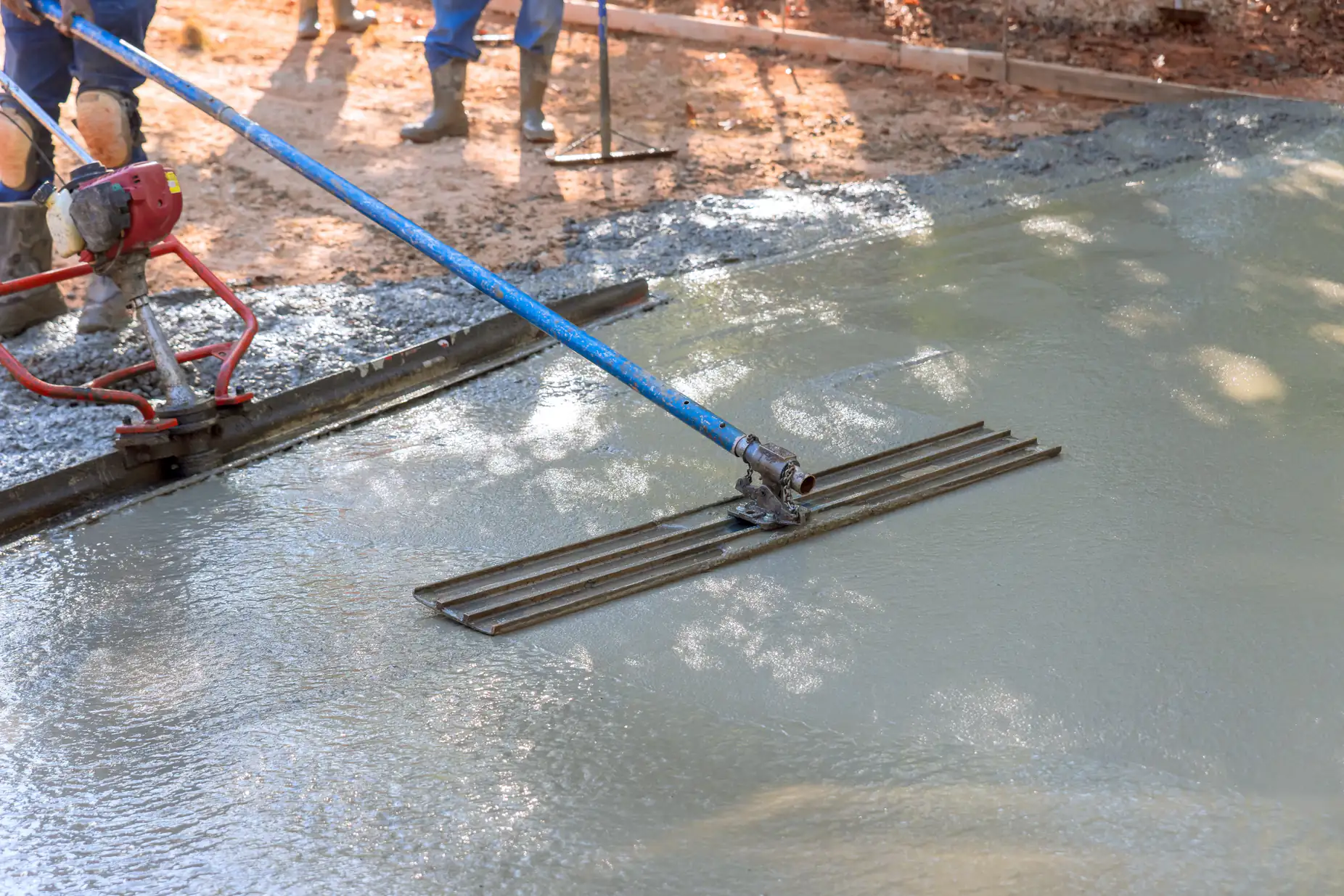
For concrete work, we’re setting forms, placing rebar, and pouring at the right depth. If you want decorative stamped patterns, that happens while the concrete is still workable. Then it needs time to cure properly before you can use it.
You’ll know the timeline before we start, and we’ll tell you when you can actually drive on it. Asphalt needs 24-48 hours minimum. Concrete needs longer.
Ready to get started?
You’re getting proper site preparation, which most paving companies near you skip. That includes excavation if needed, base material installation, grading for drainage, and compaction that actually meets spec.
For asphalt work, we’re using hot mix asphalt applied at proper thickness—typically 2-3 inches for residential driveways, more for commercial applications. We’re not doing thin overlays that crack through in a year. If your existing pavement is too far gone, we’ll tell you that upfront instead of trying to patch over structural problems.
Concrete services include full-depth removal when necessary, rebar reinforcement, proper joint placement to control cracking, and finishing that matches what you’re looking for. If you want stamped or decorative concrete for patios or walkways, we handle that too.
Stirling properties deal with more freeze-thaw cycles than areas south of here—about 40% more than Central Jersey. That means your pavement needs better drainage design and materials that can handle the expansion and contraction. We’re accounting for that in how we build your driveway or parking lot, not just following a generic process.
Properly installed commercial asphalt typically lasts 15-20 years with regular maintenance. Residential driveways usually hit 12-15 years. But North Jersey’s freeze-thaw cycles can cut that by 20-30% if the installation wasn’t done right.
The lifespan depends entirely on three things: base preparation, material quality, and drainage. If water gets underneath your pavement and freezes, it generates thousands of pounds of pressure per square inch. That will destroy even the best asphalt if the base wasn’t prepared to handle it.
Most failures happen because someone skipped proper base compaction or didn’t grade for drainage. You’ll see edge crumbling, cracking along the same lines every year, and potholes that keep coming back. That’s not the asphalt failing—that’s poor installation catching up with you. When it’s done right from the start, you’re looking at well over a decade before you need to think about replacement.
An overlay means paving over your existing asphalt. Full-depth means removing everything down to the base and starting fresh. Most contractors push overlays because they’re faster and cheaper, but they’re usually the wrong choice.
Overlays only work if your existing pavement is structurally sound—no major cracks, no base failure, no drainage issues. If you overlay damaged pavement, those cracks telegraph through the new layer at about an inch per year. You’ll see the same crack pattern within 12-24 months, and you just spent money on a temporary fix.
Full-depth paving costs more upfront, but you’re fixing the actual problem instead of covering it up. We remove the failed material, address any base or drainage issues, and install new asphalt at proper thickness. That’s how you get 15+ years of life instead of 2-3 years before you’re calling someone again. If your driveway has significant cracking or edge failure, overlay isn’t going to solve it—it’s just going to hide it for a little while.
Check three things: physical business location, insurance documentation, and references from recent local work. If they can’t provide all three immediately, walk away.
Door-to-door contractors claiming they have “leftover asphalt from another job” are almost always unlicensed and uninsured. They operate out of motels and campgrounds, do substandard work, and disappear when problems show up. You have zero recourse when their overlay fails in six months.
Legitimate paving companies have a physical business address you can visit, proper liability insurance and workers’ comp coverage, and a list of recent projects you can actually go look at. They’ll give you a detailed written quote that breaks down what’s included—not a verbal estimate that changes once they start. They’ll pull permits if your municipality requires them. And they’ll be around next year if you need them. That matters more than saving a few hundred dollars with someone who might not even be using the right materials.
Late spring through early fall—basically late April through early October. Asphalt needs warm temperatures to install properly and cure correctly.
Asphalt plants typically close in late fall because the material can’t be applied effectively when ground temperatures drop below 50 degrees. It cools too quickly, doesn’t compact properly, and you end up with premature failure. Some contractors will try to pave in cold weather because they need the work, but you’re setting yourself up for problems.
The ideal window is May through September in North Jersey. Ground is warm, weather is stable, and the asphalt has time to cure before winter hits. If you’re planning a paving project, get on the schedule early—good contractors book up fast during peak season. Concrete has a slightly longer season since it doesn’t depend on temperature as much for application, but it still needs adequate curing time before freezing weather arrives. If someone’s offering to pave your driveway in November, that’s a red flag.
Water infiltration and freeze-thaw cycles. When water gets into small cracks or underneath the pavement and freezes, it expands with enough force to push the asphalt apart from the inside.
This happens dozens of times each winter in Morris County. A hairline crack in October becomes a major structural problem by March. Road salt makes it worse—it penetrates porous asphalt, breaks down the petroleum binders, and keeps the pavement wet longer so you get more freeze-thaw cycles.
The way to prevent it is proper installation from the start: correct base preparation, adequate thickness, and drainage design that moves water away from the pavement instead of letting it pool. Sealcoating every 2-3 years helps protect the surface, but it can’t fix underlying structural problems. If your driveway is cracking within the first year or two, that’s an installation failure—either the base wasn’t prepared right, the asphalt was too thin, or drainage wasn’t addressed. Quality installation costs more upfront, but you’re not dealing with this cycle of crack filling and patching every single year.
Yes, every 2-3 years if you want to maximize its lifespan. Sealcoating protects the surface from UV damage, water penetration, and chemical breakdown from salt and oil.
Asphalt is petroleum-based, and it deteriorates when exposed to sunlight and oxygen. That’s why older driveways turn gray and brittle. Sealcoating puts a protective layer over the surface that slows that process significantly. It also fills small surface voids where water can seep in and cause freeze-thaw damage.
The timing matters. You should wait at least 6-12 months after new asphalt installation to let it cure fully before the first sealcoat application. After that, every 2-3 years is the standard recommendation for North Jersey. More often than that and you’re wasting money. Less often and you’re not getting the protection you need. It’s not expensive compared to repaving, and it can add 3-5 years to your driveway’s life. Just make sure whoever applies it actually preps the surface first—sealcoating over dirt and debris doesn’t do anything useful.