
Hear from Our Customers
A smooth driveway isn’t just about looks. It’s about water draining where it should, ice melting faster in winter, and not worrying about cracks spreading every spring.
When asphalt is installed right—with the correct mix design for North Jersey temperatures and proper compaction—it lasts around 20 years. That’s two decades without the constant patching, trip hazards, or that sinking feeling when you see another pothole forming.
The difference shows up in how your property looks when someone pulls up. A clean, well-maintained driveway or parking lot tells visitors you care about details. For businesses, that first impression happens before anyone walks through your door.
We’re a third-generation asphalt contractor based in Morris County. Over 20 years, we’ve learned what works in this region and what doesn’t—especially when it comes to handling the temperature swings Stanhope sees between January and July.
Dominick, the owner, is on every job from start to finish. Not just at the beginning for a handshake, but throughout the entire process. That’s how we catch issues before they become problems and why we can back our work with a 5-year warranty.
We’re fully licensed and insured, BBB accredited, and trusted by over 75 customers across North Jersey. We don’t chase the lowest bid. We focus on doing it right the first time so you’re not calling someone else in three years to fix what should’ve lasted.
First, we assess your existing surface and drainage. If there’s a base problem, we tell you upfront. No surprises halfway through the job.
Next, we remove the old asphalt or prep the base if it’s a new installation. Proper grading matters here—water needs somewhere to go, and it shouldn’t be pooling against your foundation or creating ice patches in winter.
Then we install high-grade hot mix asphalt at the right temperature. Too cool and it won’t compact properly. Too hot and it can scorch. We use the correct binder grade for New Jersey’s climate, which means it stays flexible in winter and firm in summer.
Most residential driveways are done in one to two days. You can usually drive on it within 24 to 48 hours, depending on weather. We’ll walk you through the curing process and when to schedule your first sealcoat, which is typically within the first year.
Ready to get started?
Every job starts with proper site prep. That means grading for drainage, compacting the base, and making sure the foundation can support the asphalt layer. Skipping this step is why some driveways fail early.
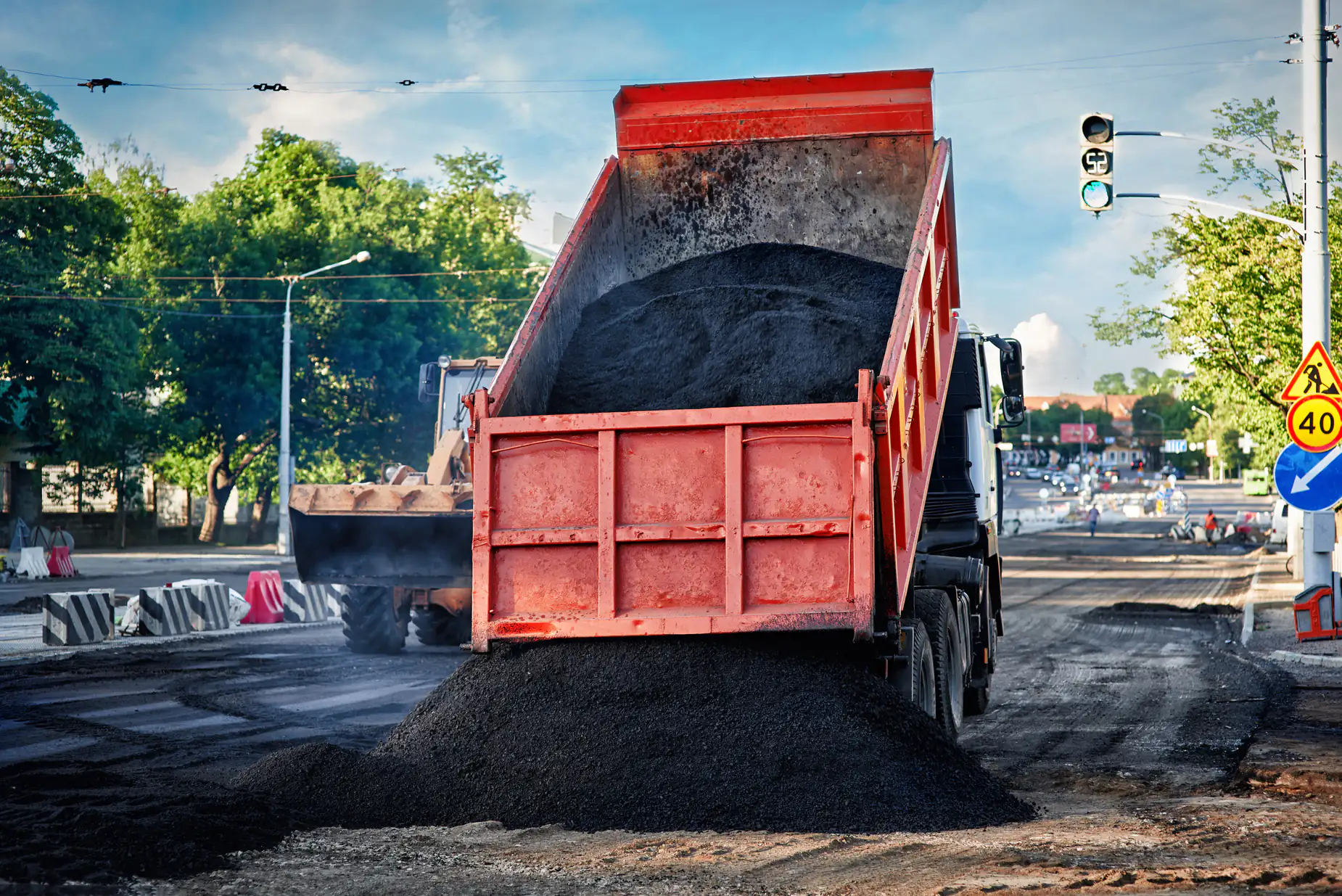
We use hot mix asphalt applied at the proper temperature with the right compaction equipment. For commercial projects or larger residential driveways, that means heavy rollers to achieve optimal density. For smaller areas, we use plate compactors that won’t damage surrounding landscaping.
Stanhope’s location in Sussex County means dealing with lake-effect weather patterns and elevation changes. We account for that in our mix design and application process. The goal is a surface that handles freeze-thaw cycles without cracking and sheds water efficiently.
You also get clear communication throughout. We provide upfront pricing with no hidden fees, and we stick to the schedule we set. If weather delays the job, we tell you immediately and adjust the timeline. We also offer sealcoating services to extend the life of your asphalt once it’s properly cured.
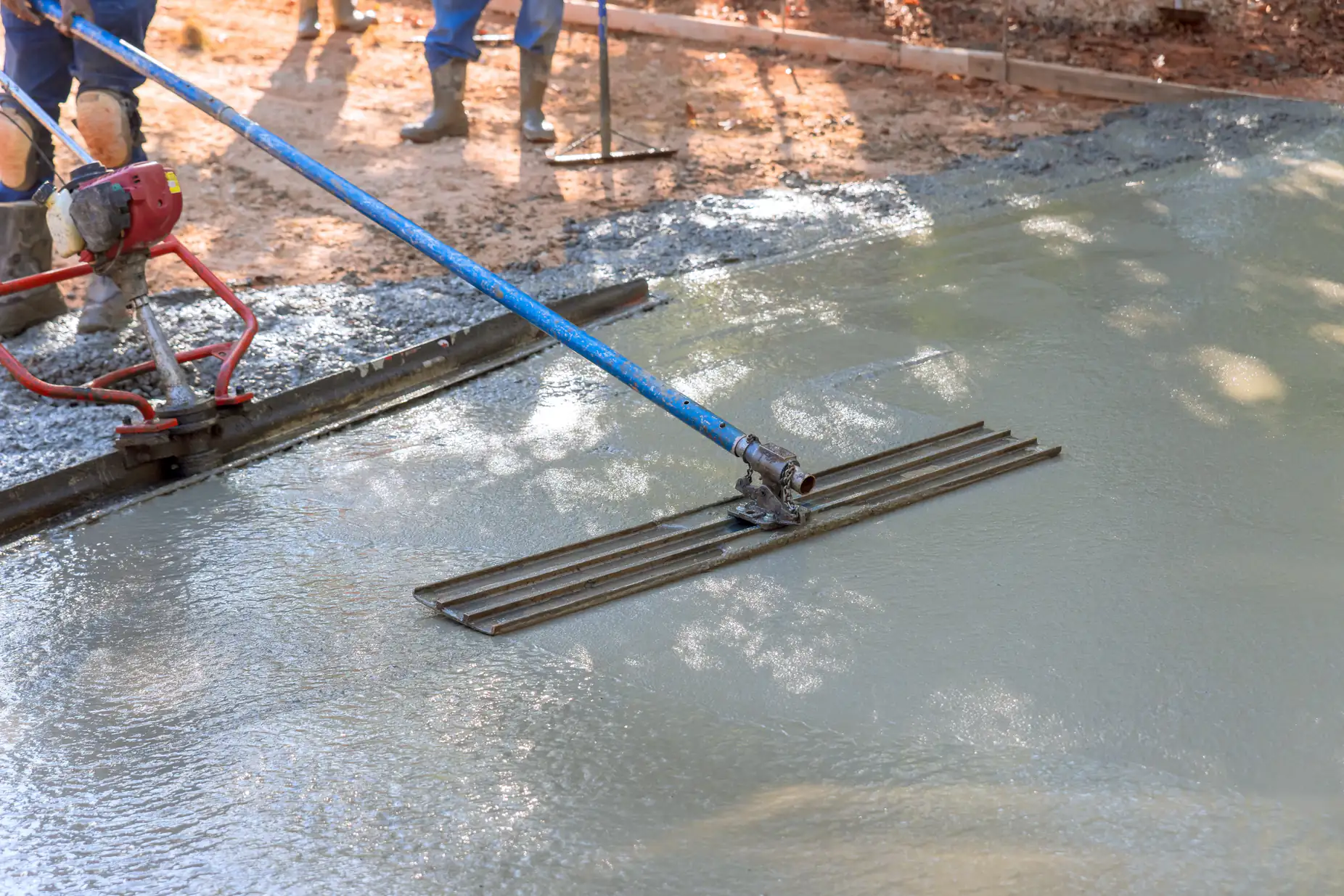
Asphalt driveways in New Jersey typically run between $5 and $8 per square foot installed. That’s significantly less than concrete, which costs $7 to $13 per square foot.
The final price depends on your driveway’s size, the condition of the existing base, and how much prep work is needed. If we need to remove old asphalt, regrade for drainage, or rebuild sections of the base, that affects the total.
We recommend getting at least three detailed bids. Be cautious of prices that seem too low—they usually mean shortcuts on materials, base prep, or compaction. Those jobs often fail within a few years, and you’ll spend more fixing them than if you’d hired the right contractor initially.
With proper installation and maintenance, an asphalt driveway lasts about 20 years in this region. The key factors are correct base preparation, appropriate asphalt mix for our climate, and regular sealcoating every 2 to 3 years.
New Jersey’s freeze-thaw cycles are tough on pavement. Water seeps into small cracks, freezes, expands, and makes those cracks bigger. That’s why asphalt actually performs better here than concrete—it flexes with temperature changes instead of cracking rigidly.
Maintenance matters. Sealcoating protects against moisture, UV damage, and chemical spills from vehicles. Filling cracks promptly prevents water infiltration. Neglecting these steps can cut your driveway’s lifespan in half.
Late spring through early fall is ideal for asphalt paving in Stanhope. We need consistent temperatures above 50 degrees for proper installation and curing.
Asphalt is applied hot—around 300 degrees—and needs to cool slowly while being compacted. If the ground temperature is too cold, the asphalt cools too quickly and won’t compact properly. That leads to a weaker surface that’s more prone to cracking.
Summer is busy season, so if you’re planning a project, booking in spring gives you more flexibility with scheduling. We can sometimes work into late fall if weather cooperates, but we won’t risk a poor installation just to squeeze in one more job before winter.
Over half of sealcoat applications fail early because of poor timing, improper mixing, or outdated methods. Some fail in 30 days or less.
The asphalt needs to cure for at least 90 days before sealcoating—ideally 6 to 12 months for new installations. Sealcoating too early traps oils that need to escape during curing. The surface stays soft and the sealcoat doesn’t bond properly.
Weather matters too. Applying sealcoat when rain is forecasted within 24 hours, or when temperatures drop below 50 degrees at night, prevents proper curing. We also see failures when contractors over-dilute the sealer to stretch materials or don’t clean the surface thoroughly before application.
Using hot-poured sealants that flex with temperature changes works better in North Jersey than basic coal tar emulsions. We match the product to your climate and traffic patterns.
Asphalt’s dark color absorbs sunlight, which melts snow and ice faster than concrete. That means less shoveling and salting during Stanhope’s winters.
The flexibility of asphalt also helps it survive freeze-thaw cycles better than concrete. When water freezes in small cracks, asphalt can expand slightly without breaking apart. Concrete is rigid and tends to crack under that same pressure.
Salt and de-icing chemicals are less damaging to asphalt than concrete too. Concrete can spall and pit from repeated salt exposure, especially if it wasn’t sealed properly. Asphalt handles those chemicals better, though we still recommend sealcoating to add an extra protective layer.
Start with proper licensing and insurance. Any contractor working on your property should carry general liability and workers’ compensation insurance. Ask to see certificates before work begins.
Check how long they’ve been in business and whether they’re familiar with local conditions. A contractor experienced in Morris and Sussex County understands the soil types, drainage patterns, and weather challenges specific to this area.
Get everything in writing—scope of work, materials being used, timeline, and total cost. Be wary of contractors who pressure you to decide immediately or who only accept cash. Legitimate companies provide detailed estimates and are responsive to follow-up questions.
Finally, ask about warranties. We offer a 5-year warranty on our work because we’re confident in our installation process. Contractors who won’t stand behind their work usually have a reason.