
Hear from Our Customers
You’re looking at a surface that doesn’t buckle after the first winter. Proper base preparation and drainage mean water flows away from your foundation instead of pooling and seeping into cracks. When temperatures drop and ice expands, your driveway holds up because the materials and installation were done right the first time.
Most driveways fail early because contractors skip the prep work. They pour asphalt over unstable ground or ignore drainage, and you’re dealing with cracks and potholes within two years. When the base is compacted correctly and graded for water runoff, you’re looking at a 15-20 year lifespan instead of constant repairs.
The difference shows up every spring. Your neighbors are patching damage while your driveway looks the same as the day it was poured. That’s what happens when the installation accounts for South Bound Brook’s clay soil and New Jersey’s freeze-thaw cycles from the start.
We’ve spent over 20 years working with the clay soil conditions and weather patterns across Morris, Somerset, and Sussex Counties. We’re not learning on your property. We know how South Bound Brook’s ground shifts, how water moves through the area, and what it takes to build a surface that holds up.
You’ll get a written estimate that breaks down exactly what’s included. No surprise charges, no vague line items. We show up when we say we will, finish on the timeline we commit to, and back the work with a written warranty. You can reach us with questions throughout the process, and we’ll respond within 24-48 hours.
You’ll request a quote through our site or by phone, and we’ll schedule a time to assess your property. We measure the area, check the existing base and drainage, and talk through what you need. You’ll get a detailed estimate that outlines the scope, materials, and timeline.
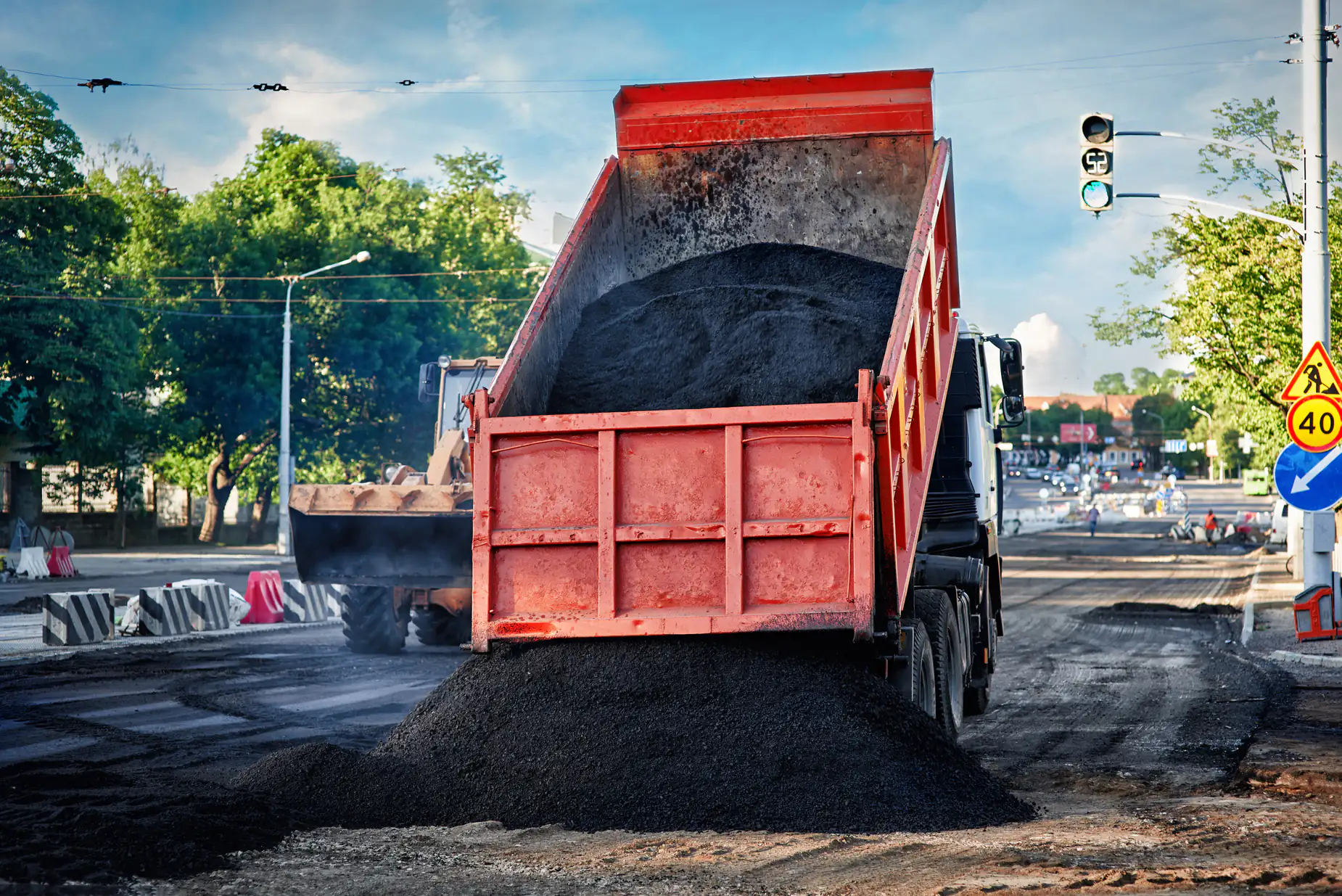
Once you approve, we schedule the work during ideal weather conditions—typically between April and October. We excavate the existing surface if needed, grade and compact the base, install proper drainage solutions, and apply high-grade hot mix asphalt at the correct temperature. For a standard residential driveway, you’re looking at 2-3 days from start to finish.
After the asphalt is laid, it needs time to cure. We’ll walk you through when you can park on it and what to expect during the first few weeks. You’ll also get maintenance recommendations to extend the life of your driveway. Most homeowners who handle small issues within the first month spend 40% less on repairs over the driveway’s lifespan.
Ready to get started?
You’re getting proper site preparation, which means excavation, grading, and compaction of the base layer. We install drainage systems where needed to prevent water from pooling or flowing toward your foundation. The asphalt itself is high-grade hot mix applied at the proper temperature, not the cheaper cold mix that breaks down faster.
For South Bound Brook properties, we account for the clay soil that expands and contracts with moisture. That means extra attention to base stability and compaction. We also factor in New Jersey’s freeze-thaw cycles, which are among the highest in the state. Your driveway gets engineered to handle that stress without cracking.
You’ll also get options for sealcoating and maintenance plans. Sealcoating every 2-3 years extends your driveway’s life significantly, and we can set up a schedule so you don’t have to remember. For commercial properties, we handle parking lot paving, repairs, and line striping. Same process, just scaled for higher traffic and larger surface areas.
A properly installed asphalt driveway in South Bound Brook should last 15-20 years. That lifespan depends on three things: base preparation, drainage, and maintenance. If the base isn’t compacted correctly or drainage isn’t addressed, you’ll see cracks and potholes within a few years regardless of the asphalt quality.
New Jersey’s freeze-thaw cycles put extra stress on driveways. Water seeps into small cracks, freezes, expands, and creates bigger cracks. Proper installation accounts for this by ensuring water flows away from the surface and the base remains stable through temperature swings.
Maintenance extends that 15-20 year lifespan. Sealcoating every 2-3 years protects the surface from UV damage and water penetration. Addressing small cracks early prevents them from spreading. Homeowners who stay on top of minor repairs spend significantly less over the driveway’s life than those who wait until damage becomes severe.
For a standard 600 square foot residential driveway in South Bound Brook, you’re looking at $2,400 to $4,800 depending on the condition of the existing base, drainage needs, and access to the site. If we’re tearing out an old driveway and starting from scratch, costs increase because of excavation and disposal.
Pricing breaks down into materials, labor, and site prep. Asphalt material costs have been rising, so delays often mean higher prices. If your property has drainage issues or unstable soil, we’ll need to address those before paving, which adds to the total. We provide a detailed estimate upfront so you know exactly what you’re paying for.
Cheaper quotes usually mean shortcuts. Some contractors skip proper base prep, use thinner asphalt layers, or don’t address drainage. You’ll save money initially but pay more in repairs within a few years. We price our work based on doing it right the first time, which costs more upfront but saves you money over the driveway’s lifespan.
If you see standing water on your current driveway after rain, you need drainage work. If water flows toward your foundation or garage, you definitely need drainage work. South Bound Brook’s clay soil doesn’t absorb water well, so proper grading and drainage systems are critical for any paving project.
During the site assessment, we check how water currently moves across your property. We look for low spots where water pools, check the slope toward your foundation, and identify where runoff goes. If the existing grade directs water poorly, we’ll regrade during installation and potentially add drainage solutions like French drains or catch basins.
Skipping drainage work is one of the biggest mistakes homeowners make. Water that sits on or under your driveway will cause premature failure. It seeps into the base, weakens the foundation, and creates cracks when it freezes. Addressing drainage during installation costs less than fixing water damage and repaving later.
Hot mix asphalt is heated to around 300 degrees and applied while hot. It compacts tightly, creates a durable surface, and lasts 15-20 years with proper maintenance. Cold mix asphalt is used at ambient temperature and is really only suitable for temporary repairs, not permanent installations. It doesn’t compact as well and breaks down much faster.
We use hot mix asphalt for all driveway installations because it’s the only material that holds up to New Jersey weather long-term. The high temperature allows the asphalt to bond properly and compact into a solid, stable surface. Cold mix might cost less, but you’ll be repaving or repairing within a few years.
Some contractors offer cold mix for full driveways to undercut pricing. It’s not a good value. You’re paying for a surface that won’t last, which means you’ll pay again sooner than you should. Hot mix costs more upfront but delivers the 15-20 year lifespan you’re actually paying for.
Late spring through early fall—typically April through October—offers the best conditions for asphalt paving in New Jersey. You need temperatures consistently above 50 degrees for proper curing, and you want to avoid rain during and immediately after installation. Summer is ideal, but spring and fall work well if the weather cooperates.
Paving in fall before winter is popular because homeowners want a fresh surface before freeze-thaw cycles hit. Spring sees heavy demand because people are assessing winter damage and want repairs done before summer. If you’re flexible on timing, you might get better scheduling in late spring or early fall when demand is slightly lower.
Avoid paving in winter or when rain is forecasted. Cold temperatures prevent asphalt from curing properly, and moisture interferes with compaction and bonding. Rushing a project in bad conditions leads to premature failure. We’ll recommend the best timing for your specific project based on current weather patterns and your schedule.
Most residential driveway paving projects in South Bound Brook don’t require permits if you’re repaving an existing driveway within the same footprint. If you’re expanding the driveway, changing drainage patterns, or affecting right-of-way areas, you’ll likely need permits from the borough. Commercial projects almost always require permits.
We handle permit requirements as part of the project. During the site assessment, we’ll identify if permits are needed and what the process involves. We’ll also check for any HOA restrictions if you’re in a community with specific guidelines. You won’t have to navigate borough offices or paperwork on your own.
Skipping required permits can cause problems down the line, especially if you’re selling your property. Unpermitted work can delay closings or require costly corrections. We make sure everything is done by the book so you don’t deal with complications later.