
Hear from Our Customers
You’re looking at a driveway or parking lot that holds up through New Jersey winters. Not one that cracks by next spring because someone cut corners on prep work or used cold asphalt in October.
The difference shows up in year three. When your neighbor’s driveway looks like a patchwork quilt and yours still drains properly. When you’re not calling around for crack filling quotes every April.
That’s what happens when the base is compacted correctly, the asphalt goes down at the right temperature, and the grading actually directs water away from your foundation. You get a surface that does its job without becoming a maintenance problem. Most residential driveways we install get done in a day, and you’re driving on them the next morning.
We’ve been operating out of Morris County for over two decades. We’re a family-owned company, fully licensed and insured, and we handle residential driveways and commercial parking lots across Somerset, Morris, and Sussex counties.
Somerset properties deal with clay-heavy soil and more freeze-thaw cycles than most of the state. That means your base needs proper drainage and your asphalt needs to be applied when temperatures cooperate. We’ve done enough jobs in Bridgewater, Hillsborough, and Somerville to know what works here and what fails by winter.
Dominick, the owner, is on-site for projects. You’re not dealing with a crew that showed up from three states away. Our license number is publicly listed, our insurance is current, and we guarantee a callback within 48 hours when you request a quote online.
You request a quote online or by phone. We come out to look at your property, measure the area, check the existing base if you’re repaving, and talk through what you actually need. You get a written estimate with clear pricing—no surprise charges later.
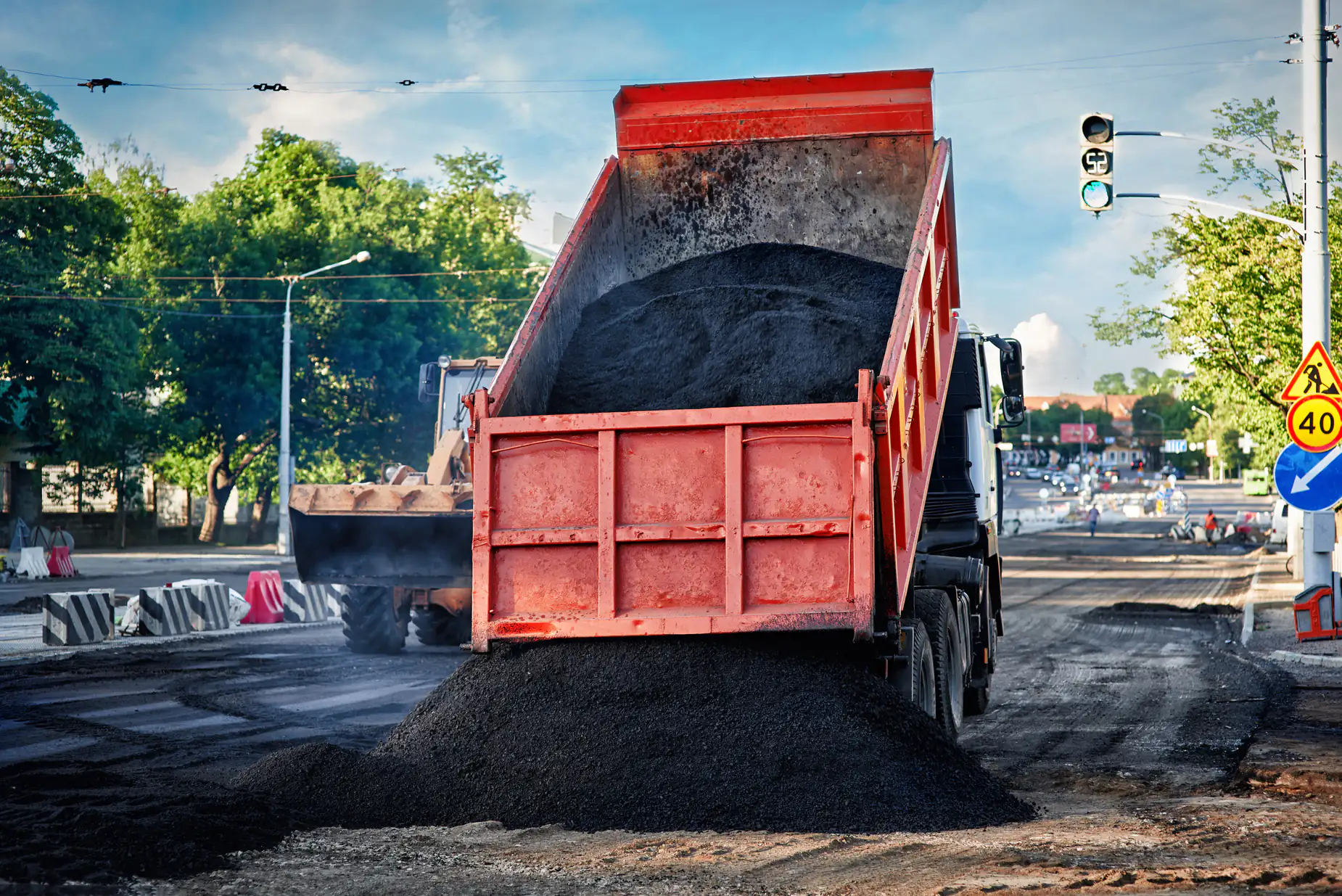
Once you approve the estimate and we schedule the work, we start with excavation if it’s a new install or removal if we’re replacing old asphalt. The base gets graded for proper drainage and compacted so it won’t settle. Then we bring in hot mix asphalt and lay it at the right temperature, which matters more than most people realize. Cold asphalt doesn’t compact correctly and fails early.
We finish edges, clean up completely, and make sure the site looks better than when we arrived. For most residential driveways, you’re looking at one day of work. Larger commercial jobs take longer, but we’ll give you a realistic timeline upfront. You can drive on it the next day for light vehicles, and it’s fully cured within a few days depending on weather.
Ready to get started?
Every job starts with proper site prep. That means excavation to the right depth, grading for water runoff, and a compacted base that won’t shift. We use high-grade hot mix asphalt applied at proper temperatures—not the lukewarm material some contractors try to stretch at the end of the season.
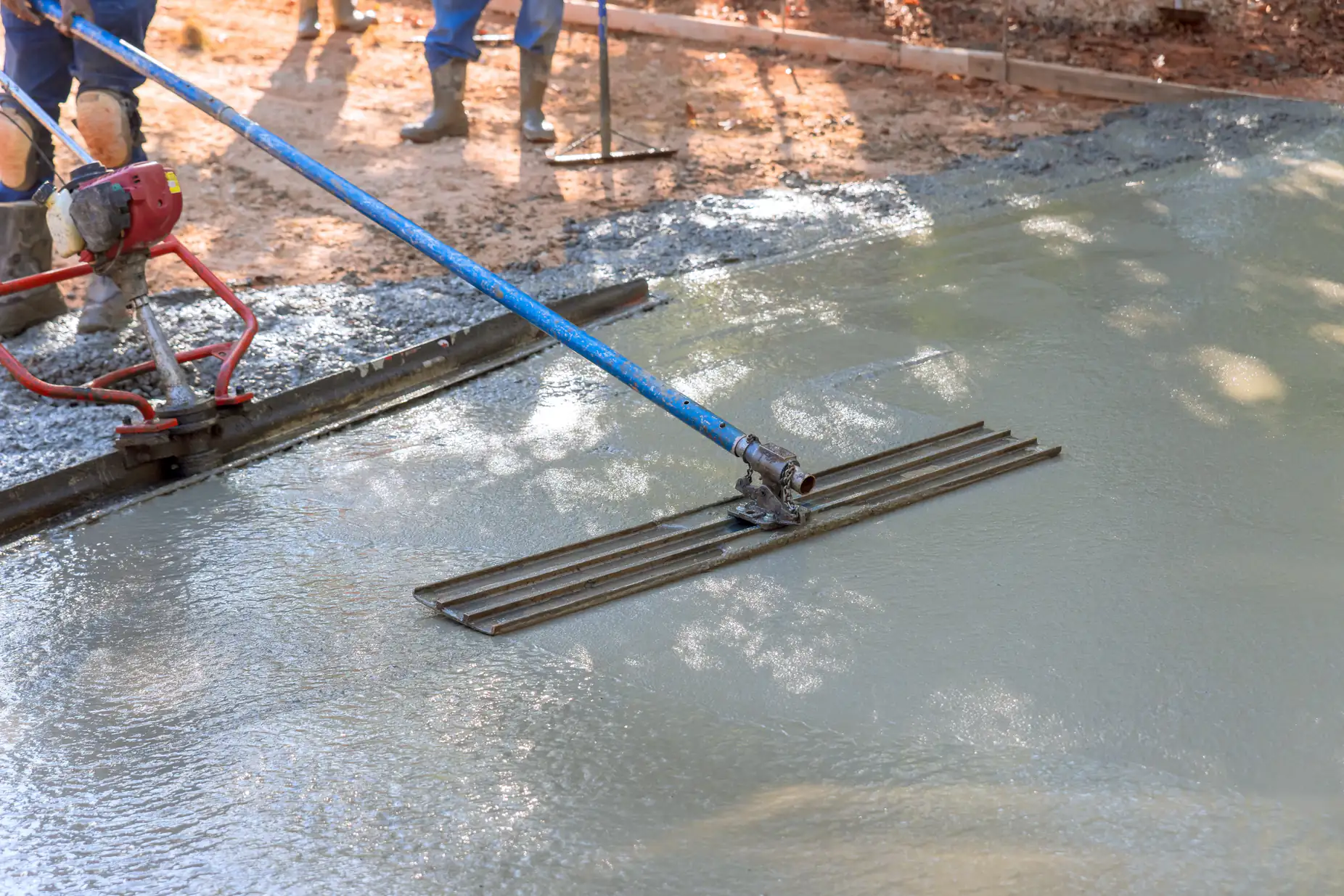
For concrete work, we use Portland cement mixes with rebar reinforcement. If you want decorative options, we offer stamped concrete patterns for patios and walkways. Sealcoating is available as a separate service to extend your asphalt’s lifespan, and we handle crack sealing and pothole repairs for existing surfaces.
Somerset County’s clay-rich soil and freeze-thaw cycles mean drainage is critical. We build that into every project. Water that pools on your driveway will freeze, expand, and crack the surface. Water that drains toward your foundation causes bigger problems. We slope everything correctly so runoff goes where it should.
You also get a 5-year warranty on our work, which covers material and workmanship defects. That’s not common in this industry, and it’s only possible because we’re not cutting corners on the front end. Most paving companies won’t put that in writing.
Residential driveway paving in Somerset typically runs between $3 and $7 per square foot depending on the condition of your existing base, the thickness of asphalt you need, and site access. A standard two-car driveway is around 600 square feet, so you’re looking at $1,800 to $4,200 for most projects.
That range exists because not all driveways need the same work. If your base is in good shape and you’re just resurfacing, you’re on the lower end. If we’re excavating, regrading, and installing a new base, the cost goes up. Commercial parking lots are priced differently because of size and the heavier asphalt thickness required for vehicle traffic.
Material costs have climbed significantly over the past few years. Asphalt cement that was under $300 per ton in 2016 is now over $450 per ton, and prices tend to rise monthly during paving season. That’s why waiting until next spring often means paying more. We give you a written estimate that’s good for 30 days so you know exactly what you’re spending before we start.
There isn’t one. Asphalt and blacktop are the same material—a mix of aggregate and asphalt cement. The terms get used interchangeably, and you’ll hear both depending on where you are in New Jersey. Some people call it blacktop, some call it asphalt, some call it pavement. It’s all referring to the same thing.
What actually matters is the quality of the mix and how it’s installed. Hot mix asphalt needs to be applied at temperatures above 200°F to compact properly. If it’s cooling down too much before it gets rolled, you end up with a weaker surface that deteriorates faster. That’s why reputable paving contractors won’t install asphalt when temperatures drop below 50°F.
The mix itself should include the right ratio of aggregate sizes and asphalt binder. Cheap mixes with too much sand or recycled material might save money upfront, but they don’t hold up. We use high-grade hot mix asphalt that meets New Jersey DOT specifications, which is the same material used for state roads. That’s not something every paving company can say.
A properly installed asphalt driveway in New Jersey should last 15 to 20 years with regular maintenance. That means sealcoating every 2-3 years and filling cracks before they turn into potholes. Without maintenance, you’re looking at 10 to 12 years before you’re dealing with significant deterioration.
New Jersey’s freeze-thaw cycles are harder on asphalt than most climates. Water seeps into small cracks, freezes overnight, expands, and makes the crack bigger. By spring, you’ve got potholes. Somerset County sees about 40% more freeze-thaw cycles than southern New Jersey, which is why drainage and crack sealing matter so much here.
The lifespan also depends on how the driveway was installed. If the base wasn’t compacted correctly or the asphalt was too thin, you’ll see problems in the first few years. If it was done right—proper excavation, graded base, adequate asphalt thickness—you’re getting two decades of use. That’s why the cheapest quote usually costs you more in the long run.
It depends on the condition of your existing driveway. If the base is solid and the current asphalt just has surface wear, we can overlay it with a new layer. That’s called resurfacing, and it’s less expensive than a full replacement. But if your driveway has deep cracks, potholes, or drainage issues, resurfacing won’t fix the underlying problem.
When the base has failed—meaning it’s settling, shifting, or not draining properly—you need full removal and replacement. Paving over a bad base just hides the problem temporarily. Within a year or two, the new asphalt will crack in the same spots because the foundation underneath is still failing.
We’ll tell you honestly which approach makes sense for your property. Some contractors will always recommend the more expensive option, and others will resurface anything to get the job done quickly. Neither approach serves you well. If your driveway can be resurfaced and last another 10-15 years, that’s what we’ll recommend. If it needs full replacement to avoid throwing money away, we’ll explain why.
Start with licensing and insurance. New Jersey requires home improvement contractors to be licensed, and you can verify that through the Division of Consumer Affairs. Any legitimate asphalt contractor will have a license number they can provide, along with proof of liability insurance and workers’ comp coverage. If they can’t produce those, walk away.
Next, check reviews and references. Look for patterns in feedback—do they show up on time, do they clean up properly, do they honor warranties? A few negative reviews aren’t a dealbreaker, but consistent complaints about communication or quality should be a red flag. Better Business Bureau accreditation is a plus but not required.
Be wary of contractors who show up unsolicited claiming they have “leftover asphalt” from another job and can give you a deal. That’s a common scam. Legitimate paving companies don’t operate that way. Also avoid contractors who pressure you to decide immediately or who won’t provide a written estimate. You should have time to compare quotes and verify credentials before committing to a project that costs thousands of dollars.
Late spring through early fall is ideal for asphalt paving in Somerset. You need consistent temperatures above 50°F for the asphalt to compact properly and cure correctly. That usually means May through October in northern New Jersey, though September and early October are often the best months because temperatures are moderate and contractors are less backed up than in spring.
Spring is the busiest season for paving contractors because everyone who delayed repairs over winter is calling at once. That means longer wait times and higher demand. If you can schedule your project for late summer or early fall, you’ll often get faster turnaround and sometimes better pricing.
Winter paving is possible for emergency repairs, but it’s not ideal for full installations. Cold temperatures prevent proper compaction, and asphalt doesn’t bond as well to the base when it’s cold. Some contractors will do it anyway because they need the work, but you’re risking premature failure. If you’re planning a new driveway or major resurfacing, wait for warmer weather. If you’ve got a pothole that’s getting worse, we can do a temporary patch to get you through until spring.