
Hear from Our Customers
You stop apologizing for your driveway’s condition. No more explaining away the cracks to guests or worrying about what customers think when they pull into your parking lot.
When asphalt gets installed correctly—with proper base prep, professional drainage, and materials applied at the right temperature—it handles New Jersey winters without falling apart. That means you’re not calling for pothole repairs every March or dealing with water pooling near your foundation.
Your property looks maintained because it is maintained. The surface stays smooth, the edges hold their shape, and you’re not throwing money at the same problems year after year. That’s what happens when the work gets done right from the start, not when someone’s trying to be the cheapest option in Morris County.
We’ve been handling residential and commercial paving work across Morris, Somerset, and Sussex Counties for over 20 years. We’re the asphalt company that property owners call when they’re done dealing with contractors who don’t show up or don’t finish what they started.
We’re based in Morris County, so we know what Short Hills driveways go through. The freeze-thaw cycles, the salt, the snow removal equipment—your pavement takes a beating. That’s why we don’t cut corners on base preparation or use materials that won’t hold up.
You get upfront pricing before work starts. No surprise charges, no vague estimates that balloon later. We tell you what the job involves, what it costs, and when we’ll be done. Then we actually do it.
First, we assess your existing surface and drainage situation. If your base is compromised or water’s been pooling, we address that before any asphalt goes down. Skipping this step is why driveways fail early.
Next comes excavation and base prep. We remove old material, grade for proper drainage, and compact the base so it won’t settle. This is where most paving companies near me cut corners to save time. We don’t, because this layer determines how long your driveway lasts.
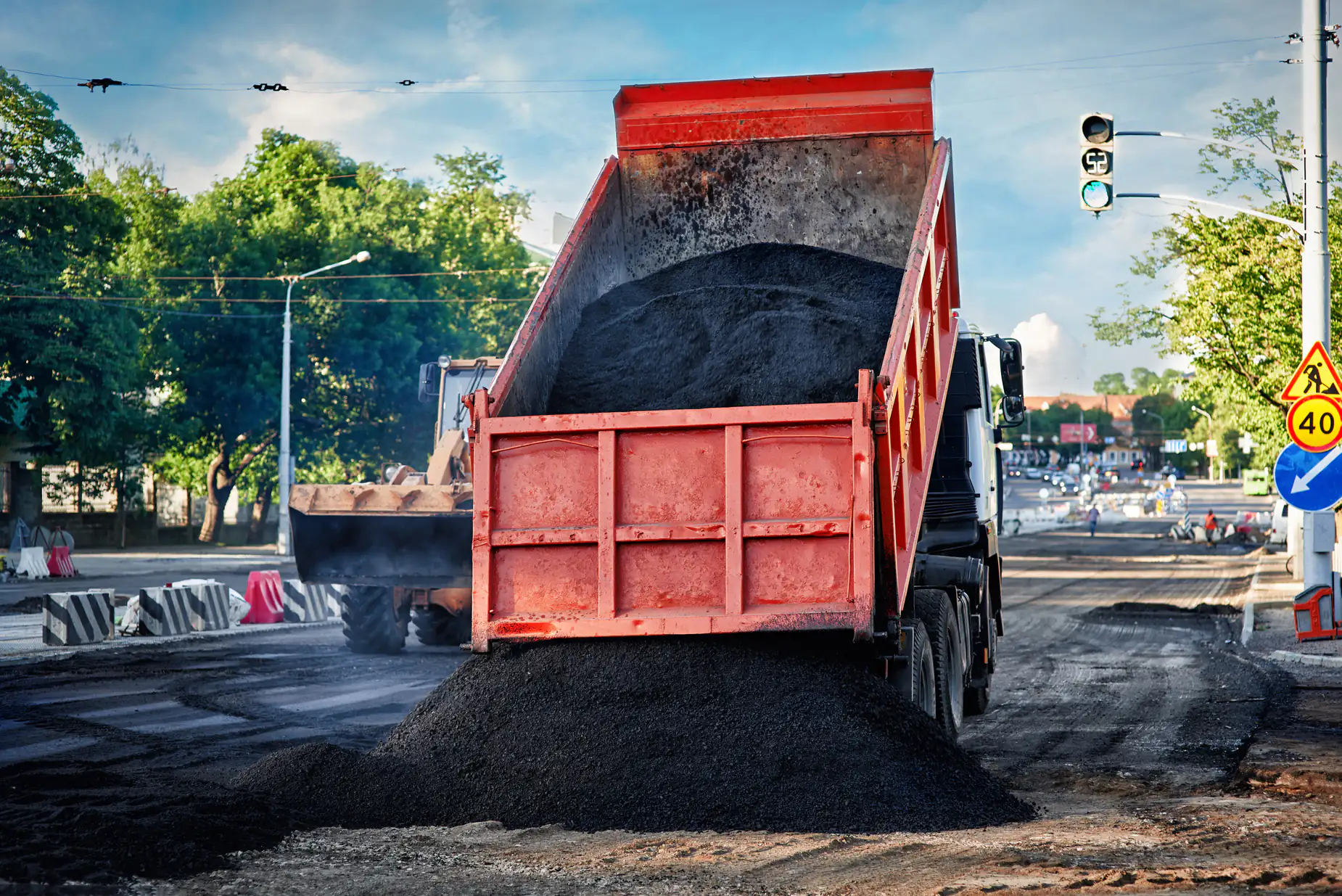
Then we apply high-grade hot mix asphalt at the proper temperature. Too cold and it won’t compact right. Too hot and it can scorch. We use state-of-the-art equipment to get it right, then compact it to the correct density.
Final grading ensures water runs away from your foundation and garage. You’re left with a smooth surface that’s ready to handle traffic and weather. We clean up completely and give you clear guidance on curing time before you can use it.
Ready to get started?
You’re getting more than just asphalt dumped on your property. Every project includes proper site assessment, drainage planning, and base preparation. These aren’t extras—they’re requirements for pavement that lasts.
In Short Hills and surrounding areas like Millburn, Chatham, and Summit, properties often have specific drainage challenges due to terrain and older infrastructure. We account for that. Your driveway needs to shed water efficiently, especially with the heavy rainfall North Jersey gets. Poor drainage is the fastest way to destroy new asphalt.
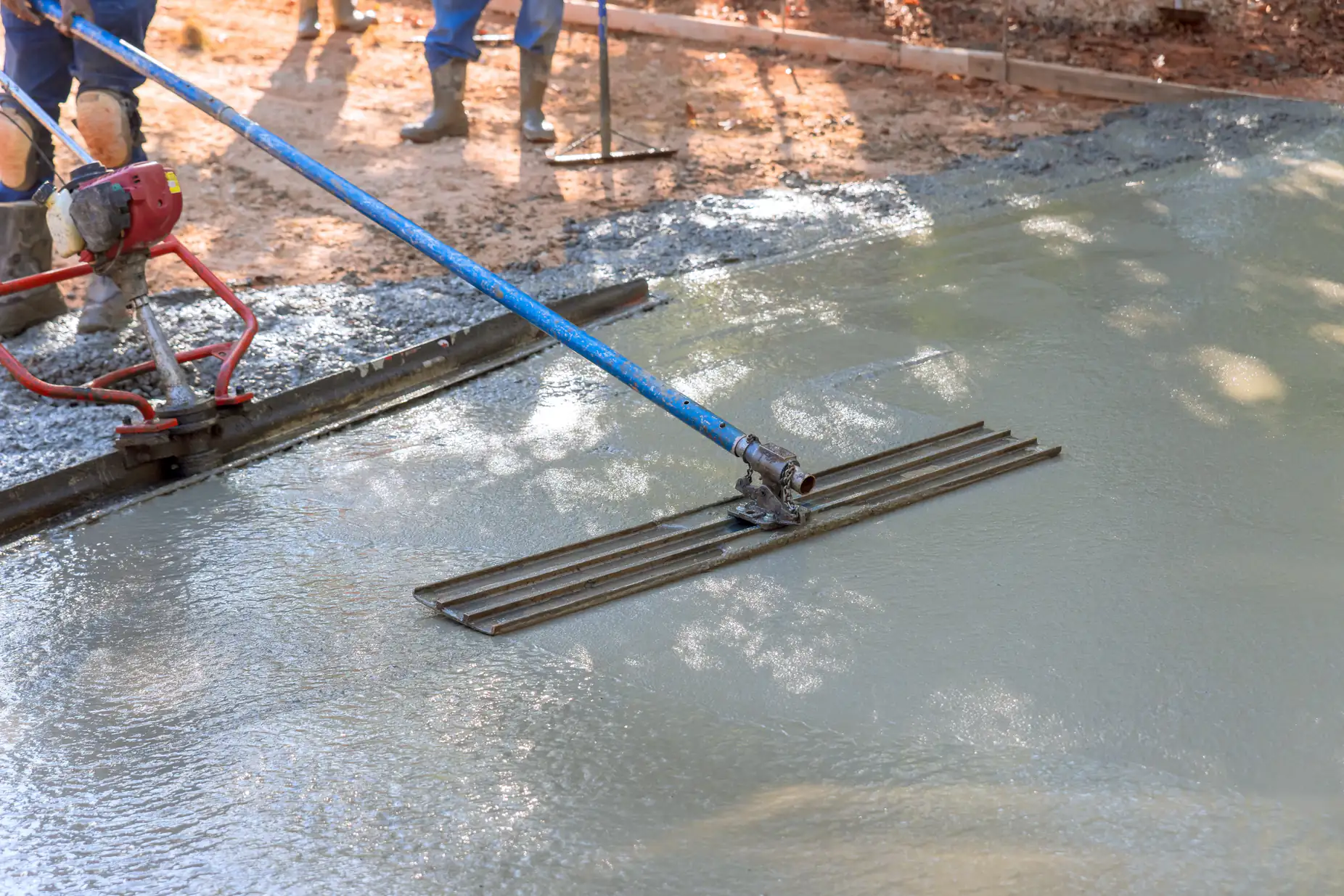
We use Portland cement mixes with rebar reinforcement for concrete work and high-grade hot mix asphalt for paving. For commercial properties in Short Hills, that might mean a parking lot that handles daily traffic without deteriorating. For residential driveways, it means a surface that survives snow plows and de-icing salt.
You also get a realistic timeline before we start. We’re not going to tell you three days if it’s actually going to take a week. And if weather delays the project, you’ll know immediately—not after you’ve been waiting around wondering where your crew is.
Properly installed asphalt in New Jersey typically lasts 20 to 30 years with basic maintenance. That assumes the base was prepared correctly, drainage was planned right, and quality materials were used.
What kills driveways early in Short Hills isn’t the asphalt itself—it’s water getting underneath and freeze-thaw cycles destroying a weak base. If the contractor skipped proper excavation or didn’t compact the base, you might only get 10 years before you’re looking at major repairs.
Maintenance matters too. Sealcoating every few years protects against UV damage and water penetration. Filling small cracks before they become big problems extends life significantly. But even with perfect maintenance, bad installation will fail early. That’s why the company you choose matters more than the price you pay.
The difference shows up in three areas: base preparation, material quality, and installation technique. Cheap paving companies near me skip the base work, use thinner asphalt layers, and rush the compaction process.
Quality paving starts with proper excavation and a compacted aggregate base. This prevents settling and provides stable support. Cheap jobs either skip this entirely or don’t compact it properly, which is why you see driveways sinking or developing waves within a few years.
Material quality matters too. High-grade hot mix asphalt costs more but resists cracking and holds up to weather better than bargain mixes. And installation technique—applying it at the right temperature, compacting it to proper density, ensuring good drainage—requires experience and equipment that low-bid contractors often don’t have. You’re not paying extra for the same work done slower. You’re paying for work that actually lasts.
Late spring through early fall gives you the best conditions for asphalt paving in Short Hills. You need consistent temperatures above 50 degrees, and warmer is better—asphalt stays workable longer in summer heat, which means better compaction.
We can pave in cooler weather if necessary, but there’s more risk. Asphalt cools faster when it’s cold out, which gives us less time to achieve proper compaction. That’s not ideal, especially for driveways with curves or complex grading.
Avoid winter paving entirely. Even if you find a paving contractor willing to do it, the asphalt won’t perform right. It’ll cool too quickly, won’t compact properly, and you’ll have problems within the first year. If your driveway’s in rough shape and it’s November, you’re better off waiting until spring than getting a rush job that fails early. Plan ahead if you can—quality asphalt companies near me book up during peak season.
Yes, but not immediately. New asphalt needs six months to a year to cure fully before sealcoating. After that, sealcoating every two to three years protects your investment and extends the life of your driveway significantly.
Sealcoating does two important things: it blocks UV rays that break down asphalt binder, and it prevents water from seeping into small cracks. In New Jersey, where we get freeze-thaw cycles all winter, water penetration is your biggest enemy. It gets into tiny cracks, freezes, expands, and turns small issues into major damage.
Don’t overdo it though. Sealcoating too frequently can cause buildup and actually trap moisture. Every two to three years is the sweet spot for driveways in Short Hills and surrounding areas. And make sure whoever applies it does it right—thin, even coats that cure properly. Thick, sloppy sealcoating jobs can peel and look worse than no sealcoating at all.
Residential driveways in Short Hills typically run between $3 and $7 per square foot, depending on site conditions, thickness, and prep work required. A standard two-car driveway might cost $3,000 to $8,000, but that range shifts based on what your property needs.
If your existing base is shot, you’re looking at full excavation and new aggregate base installation—that adds cost but it’s not optional if you want pavement that lasts. Properties with drainage issues or significant grading needs will cost more than simple replacement jobs on flat terrain.
Commercial paving for parking lots runs on similar per-square-foot pricing but scales up quickly based on size. The key is getting an honest assessment upfront. Any asphalt contractor who quotes you without seeing your property is guessing, and those guesses usually turn into “unforeseen circumstances” that cost you more later. We give you a detailed quote after assessing your actual site conditions, so you know what you’re paying for before work starts.
It depends on the condition of your existing driveway and base. If your current asphalt is structurally sound with only surface wear, an overlay can work. But if you’ve got cracks, settling, or base failure, overlay just hides problems temporarily—they’ll come back worse within a few years.
Here’s how we decide: if your driveway has widespread cracking, areas that have sunk, or drainage issues, the base is compromised. Paving over that is like putting new carpet over rotted floorboards. It looks fine for a season, then fails. Full removal and proper base prep costs more upfront but actually solves the problem.
For driveways in decent shape with minor surface issues, overlay makes sense. We mill the surface, address any small problem areas, then apply new asphalt. You get a fresh surface at lower cost because we’re not excavating and rebuilding the base. We’ll tell you honestly which approach your driveway needs—not which one generates a bigger invoice. Most properties in Short Hills that haven’t been paved in 15-plus years need full replacement, but we assess each situation individually.