
Hear from Our Customers
Most driveways fail because of what happens underneath, not on top. Water gets into the base during our region’s 40% more freeze-thaw cycles than Central Jersey sees. That water freezes, expands, and pushes your asphalt apart from below.
Proper installation means you’re not calling for repairs every spring. The base gets compacted correctly. Drainage slopes away from your foundation. Materials go down at the right temperature so they bond properly.
When asphalt is installed to handle Morris County weather, your driveway doesn’t develop those spiderweb cracks by year two. Standing water doesn’t pool near your garage. You’re not patching the same spots every season because the foundation was done right the first time.
We’ve been installing asphalt in Morris, Sussex, and Somerset Counties for over two decades. That’s twenty winters of seeing what works and what fails when temperatures drop.
We’re a family-owned operation, which means the person quoting your job understands what’s at stake. No surprise charges. No disappearing after deposit. Just clear pricing and work that’s guaranteed because our reputation lives in these communities.
Every crew is fully licensed and insured. Every project gets the same attention whether it’s a Rockaway residential driveway or a commercial parking lot in Dover.
First, the existing surface gets removed if needed, and the base gets evaluated. If drainage is poor or the foundation is compromised, that gets addressed before any asphalt goes down. Skipping this step is why driveways fail early.
Next, the base gets graded and compacted properly. This isn’t just pushing dirt around. The slope has to direct water away from structures. The compaction has to be even, or you’ll get settling and cracks within a year.
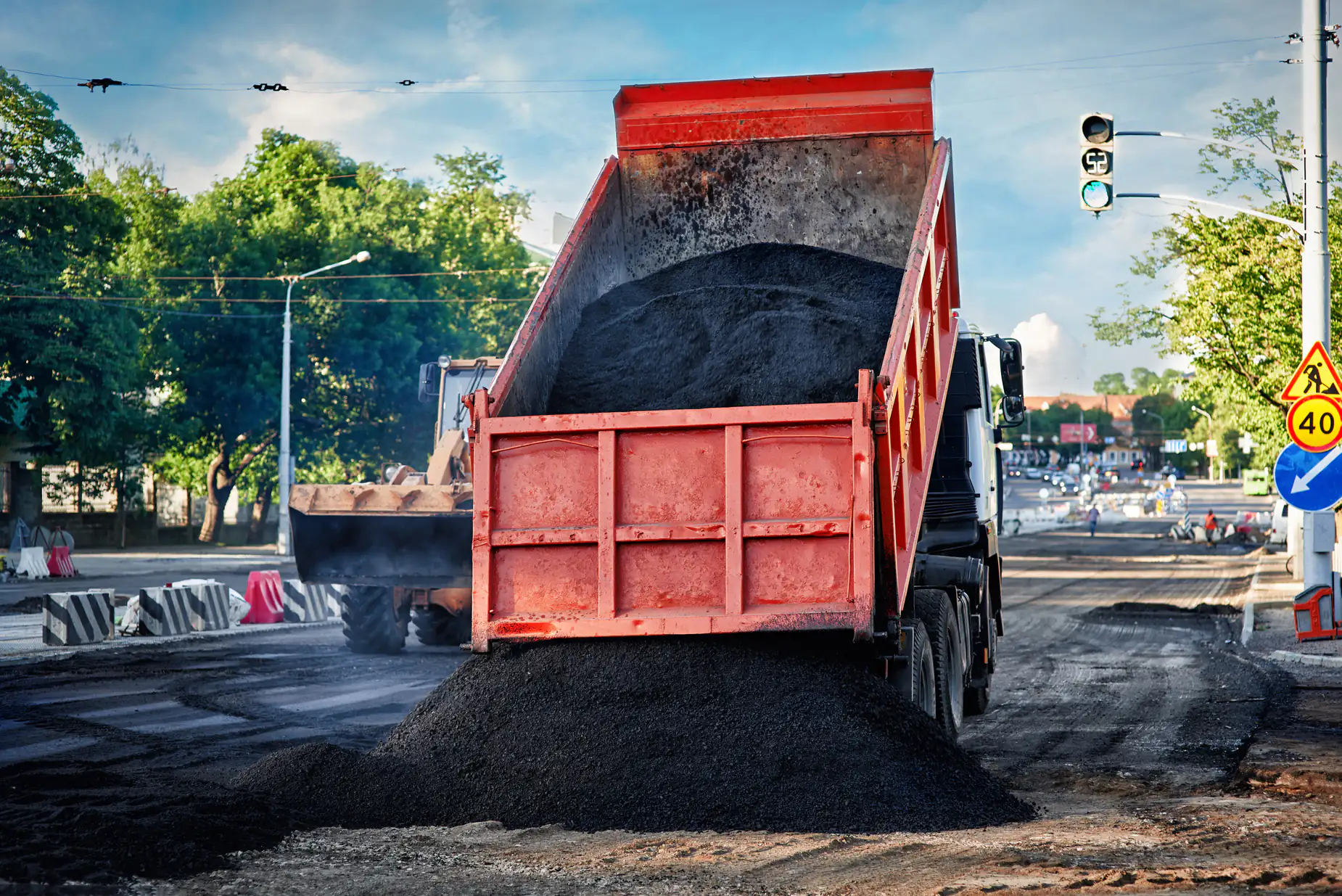
Then hot mix asphalt gets applied at the correct temperature. Too cool and it won’t compact right. The thickness matters too – residential driveways need different specs than commercial lots that handle heavier loads. Finally, everything gets compacted with professional equipment, not just a hand tamper.
The whole process typically takes one to three days depending on size and complexity. You’ll get a clear timeline upfront, and we stick to it.
Ready to get started?
Every job starts with a site assessment. We look at drainage patterns, existing damage, and what your property actually needs – not just what you called about. Sometimes a repair makes more sense than replacement. We’ll tell you.
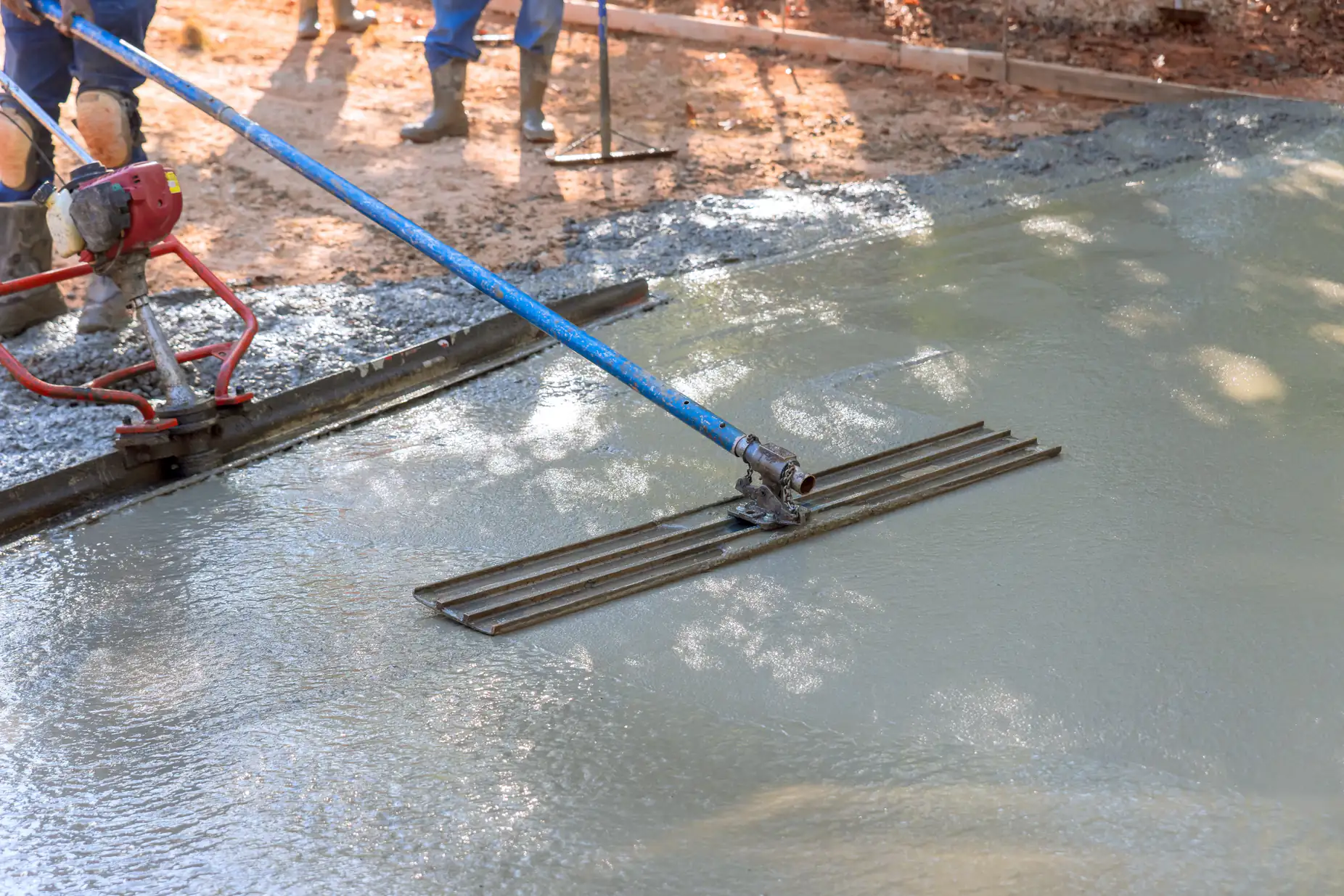
Installation includes proper base preparation, grading for drainage, and high-grade hot mix asphalt applied at manufacturer specifications. For concrete work, we use Portland cement mixes with rebar reinforcement, not the shortcuts that crack in three years.
Rockaway properties often need additional drainage solutions because of how water moves through Morris County soil. If your driveway currently has standing water issues, that gets engineered out during installation. We also offer decorative options like stamped concrete for walkways and patios if you want something beyond standard blacktop.
After installation, you’ll get maintenance guidance specific to North Jersey weather. Sealcoating timelines, winter prep, what to watch for. The goal is your asphalt lasting 15-20 years, not needing replacement in seven.
A properly installed asphalt driveway in Rockaway should last 15 to 20 years with basic maintenance. That number drops significantly if the base wasn’t prepared correctly or if you skip sealcoating.
North Jersey weather is harder on pavement than most regions. Our freeze-thaw cycles are brutal. Road salt is corrosive. If your driveway was installed without accounting for these factors, you might only get 7-10 years before major repairs are needed.
Maintenance matters too. Sealcoating every 2-3 years protects against salt and UV damage. Filling cracks promptly prevents water infiltration. Ignoring small issues turns them into expensive problems fast. But if the foundation is solid and you maintain the surface, 20 years is realistic.
Late spring through early fall is ideal for asphalt installation in Morris County. You need consistent temperatures above 50°F for asphalt to cure properly. That typically means April through October.
Summer is actually the best time because hot weather keeps asphalt workable longer during installation. The material compacts better and bonds more thoroughly when it’s warm. Cold weather causes asphalt to cool too quickly, which can lead to compaction issues.
That said, we can work into fall as long as temperatures cooperate. What you want to avoid is installing asphalt right before winter. New asphalt needs time to cure before facing freeze-thaw cycles and snowplow traffic. If you’re planning a project, reaching out in early spring gets you scheduled for optimal installation weather.
Most residential driveways in Rockaway run between $3,000 and $7,000 depending on size, current condition, and what needs to happen below the surface. A straightforward overlay costs less than full removal and base reconstruction.
The price includes removal of old material if needed, base preparation, grading for proper drainage, and new asphalt installation. If your property has drainage issues or the base has failed, costs go up because those problems have to be fixed first. Skipping that work just means you’ll pay for it later in repairs.
We provide upfront quotes that detail exactly what’s included. No surprise charges after work starts. The investment typically adds $15,000-$20,000 to property value in North Jersey markets, so it’s not just an expense – it’s an upgrade that buyers notice.
Yes, if you want it to last. Sealcoating protects asphalt from the two things that destroy it fastest in New Jersey: road salt and UV exposure.
Road salt is chemically aggressive. It breaks down the binders in asphalt, making the surface brittle and prone to cracking. UV rays do similar damage over time, oxidizing the asphalt and causing it to deteriorate. Sealcoating creates a protective barrier against both.
You should sealcoat every 2-3 years, starting about a year after installation. New asphalt needs time to cure before the first application. The process is straightforward and costs a fraction of what you’d spend on premature resurfacing. Think of it like changing your car’s oil – skip it and you’ll pay for it later in major repairs.
Water infiltration and freeze-thaw cycles cause most cracking in Rockaway driveways. Water seeps into small cracks or porous asphalt, then freezes when temperatures drop. Ice expands with tremendous force, widening cracks from the inside.
Morris County experiences significantly more freeze-thaw cycles than southern New Jersey. That means more opportunities for water to get in, freeze, expand, and damage your pavement. Poor drainage makes this worse – standing water finds its way into any weakness in the asphalt.
Base failure causes cracking too. If the foundation wasn’t compacted properly or if drainage wasn’t addressed during installation, the base shifts and settles unevenly. That movement translates to cracks in the asphalt above. This is why proper installation matters more than most people realize. Surface repairs won’t fix foundation problems.
Start with licensing and insurance. Any paving contractor working on your property should be fully licensed and insured. Ask for proof. If they hesitate or make excuses, walk away.
Experience in North Jersey specifically matters because our weather is harder on pavement than most regions. A contractor who understands Morris County drainage patterns and freeze-thaw cycles will install asphalt differently than someone who doesn’t. Ask how long they’ve been working locally and request references from recent projects.
Get detailed written quotes that break down what’s included. Vague estimates lead to surprise charges later. The quote should specify base preparation, material grades, drainage work if needed, and timeline. Compare quotes on scope of work, not just bottom-line price. The cheapest bid usually skips steps that matter for longevity.