
Hear from Our Customers
A driveway or parking lot that doesn’t crack apart after one winter. That’s what happens when the base is compacted correctly, the drainage actually works, and the asphalt mix is applied at the right temperature.
Most paving problems start below the surface. Water gets under the pavement, freezes, expands, and creates potholes. If the base wasn’t prepared properly or drainage wasn’t considered, you’re looking at repairs within a few years instead of a decade or more.
When the job is done right, your asphalt handles freeze-thaw cycles without falling apart. Water drains where it’s supposed to. The surface stays smooth and safe. That’s the difference between a quick fix and an actual investment in your property.
We’ve been handling residential and commercial paving projects across Morris, Somerset, and Sussex Counties since the early 2000s. We’re based in Morris County and know exactly what New Jersey weather does to asphalt.
Our crews are professional, our equipment is current, and our pricing is transparent before work starts. No surprise charges, no disappearing after the deposit clears. Just straightforward paving work done by people who’ve been doing this long enough to know what holds up and what doesn’t.
Raritan sits in an area where drainage matters. The soil composition, the weather patterns, the way water moves across properties here—it all affects how long your pavement lasts. That local knowledge makes a difference when we’re planning your project.
First, we look at your property and talk through what you need. If there’s an existing driveway or parking lot, we assess the current condition, check for drainage issues, and figure out whether you need complete removal and replacement or if resurfacing will work.
Once we agree on scope and pricing, we schedule the work. Site preparation comes first—removing old asphalt if needed, grading the area properly, and installing a compacted aggregate base. This step determines how long your pavement will last. If the base isn’t solid, nothing else matters.
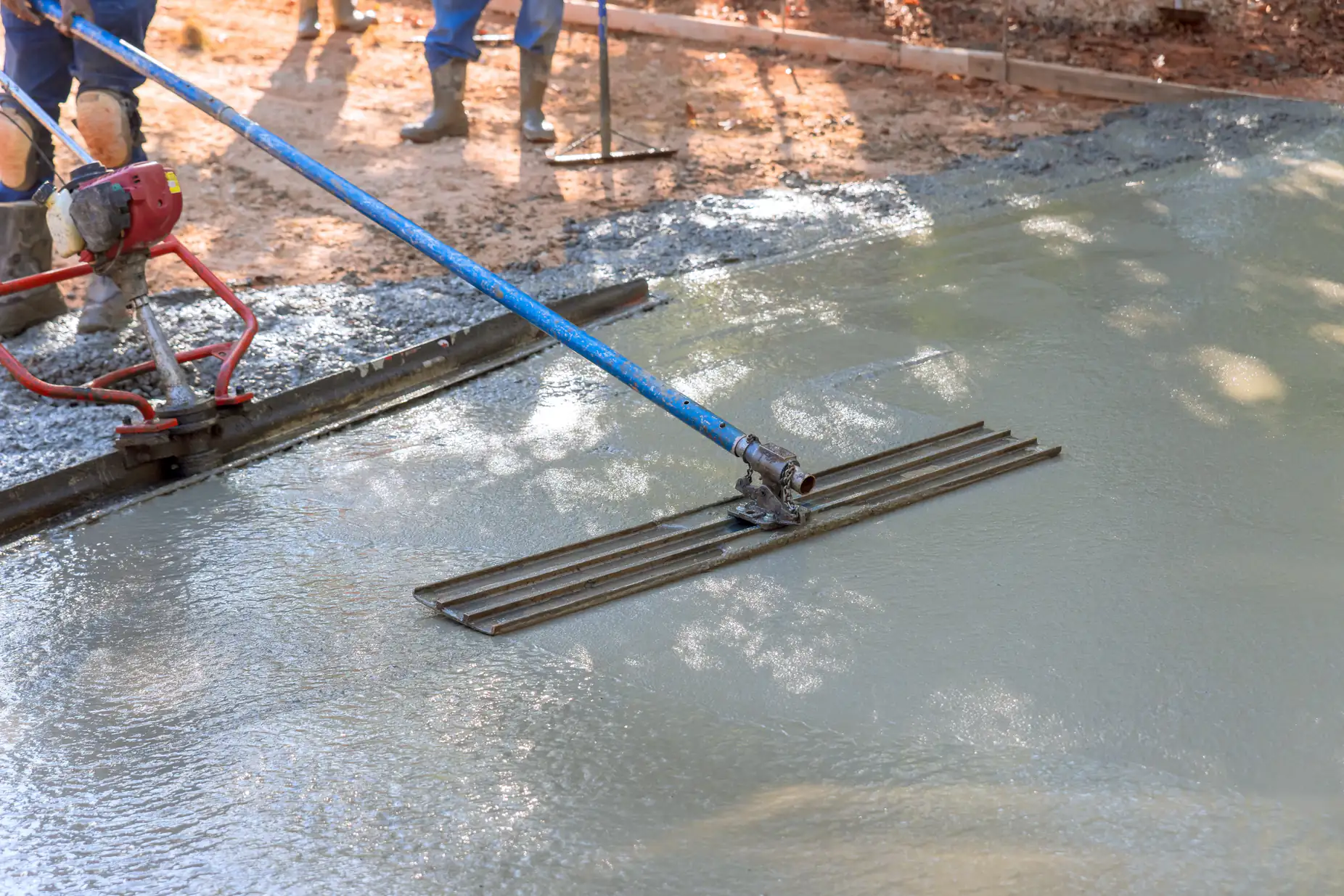
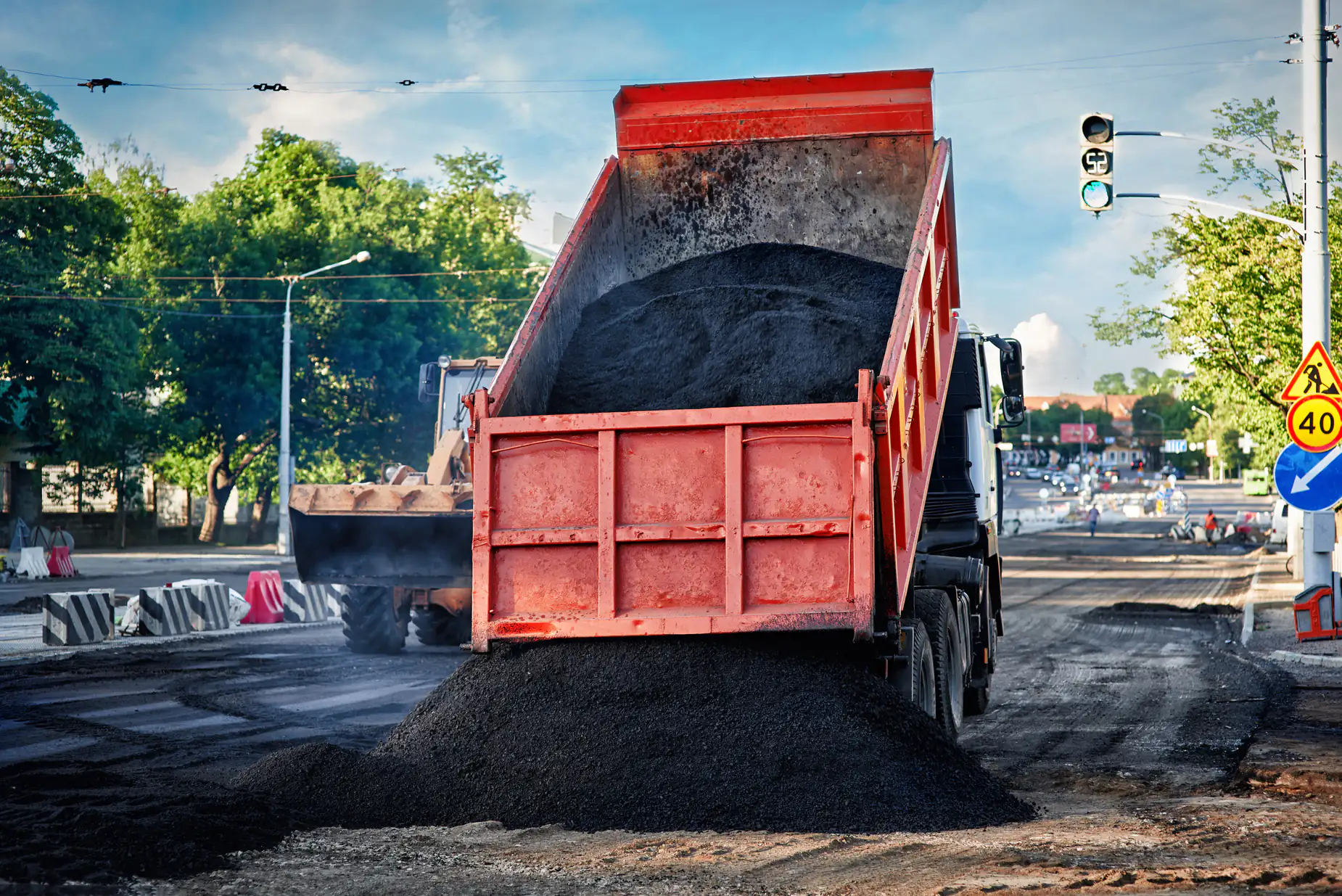
Then we install drainage solutions if your property needs them. This might mean adding catch basins, adjusting grades, or redirecting water away from the pavement and your foundation. After that, we apply hot mix asphalt at the proper temperature and compact it correctly. For concrete work, we use Portland cement mixes with rebar reinforcement.
Our crew cleans up completely when the job is done. Most driveways are finished in a day or two, depending on size and complexity. Larger commercial parking lots take longer but we keep disruption minimal and stay on schedule.
Ready to get started?
Every project starts with proper site preparation. That means excavation if needed, establishing a solid aggregate base, and making sure everything is graded for drainage. Without this foundation work, even the best asphalt will fail early.
For new installations, we handle the complete process from dirt to finished pavement. For existing driveways or parking lots, we evaluate whether resurfacing works or if you need full removal and replacement. Resurfacing costs less but only makes sense if the base is still solid and there aren’t major drainage problems.
In Raritan and the surrounding Morris County area, we see a lot of drainage issues that other contractors either miss or ignore. Poor drainage is the main reason parking lots and driveways fail prematurely here. We install proper drainage systems—catch basins, French drains, grade adjustments—whatever your property needs to keep water away from the pavement.
We also handle repairs, crack sealing, sealcoating, and ongoing maintenance. Asphalt prices keep rising, so maintaining what you have makes financial sense. Regular sealcoating and crack repair can extend your pavement’s life from 10 years to 15 or more. That’s real money saved over time.
A properly installed asphalt driveway typically lasts 10 to 15 years in New Jersey, sometimes longer with regular maintenance. The lifespan depends mostly on three things: base preparation, drainage, and upkeep.
If the aggregate base is compacted correctly and thick enough for your soil conditions, the pavement won’t sink or shift. If drainage is handled properly so water doesn’t pool or seep under the asphalt, you won’t get the freeze-thaw damage that creates potholes. And if you sealcoat every few years and fill cracks when they appear, you’re protecting the asphalt from water infiltration and UV damage.
New Jersey weather is tough on pavement. Winters with freeze-thaw cycles, wet springs, hot summers—all of it breaks down asphalt over time. But when the installation is done right and you stay on top of basic maintenance, 15 years is realistic. Cheap installations with thin bases and no drainage planning might only give you 5 to 7 years before major repairs are needed.
Resurfacing means applying a new layer of asphalt over your existing driveway. Replacing means tearing out the old asphalt completely, fixing the base if needed, and installing new pavement from the ground up.
Resurfacing works when your current driveway has minor surface damage—small cracks, worn areas, fading—but the base is still solid and there aren’t drainage problems. It costs significantly less than replacement and can add another 8 to 10 years of life. The existing pavement needs to be structurally sound though. If it’s already sinking, heavily cracked, or has drainage issues, resurfacing just covers up problems that will come back quickly.
Replacement is necessary when the base has failed, when there are major drainage problems, or when the existing asphalt is too damaged to resurface. Yes, it costs more upfront. But if your driveway needs it, resurfacing is just wasted money. We’ll tell you honestly which approach makes sense for your situation. Sometimes properties in Raritan need additional excavation or underground drainage work before new asphalt goes down, especially in areas with high water tables or clay soil.
Asphalt paving costs vary based on project size, site conditions, and what prep work is needed. A typical residential driveway replacement in Raritan runs between $3 to $7 per square foot, depending on thickness, base requirements, and drainage needs.
That range exists because every property is different. A simple overlay on a driveway with a good existing base costs less. Complete removal and replacement with new base material, drainage installation, and thicker asphalt for heavy vehicles costs more. Properties with difficult access, significant grading needs, or soil issues add to the price.
Asphalt prices have been rising steadily, and they typically increase at the start of each month during paving season. Waiting often means paying more. We provide clear pricing upfront after looking at your property. No hidden fees or surprise charges later. For commercial parking lots, costs depend on square footage, traffic load requirements, striping needs, and whether we’re working around business hours to minimize disruption.
Late spring through early fall—roughly May through October—is ideal for asphalt work in New Jersey. Asphalt needs warm temperatures to be applied and compacted properly. Cold weather makes it harden too fast, and extreme heat makes it too soft.
The asphalt mix is applied at around 300 degrees and needs to stay workable while we spread and compact it. Air temperatures below 50 degrees cause problems. The asphalt cools too quickly and doesn’t compact properly, which affects durability. Temperatures above 90 degrees can make the surface too soft during installation.
We also need dry conditions. Rain or wet ground creates issues with compaction and bonding. New Jersey’s weather can be unpredictable, so we watch forecasts closely and schedule work when conditions are right. If you’re planning a project, reaching out in early spring gets you on the schedule for optimal installation timing. Waiting until late summer or fall means you’re competing with everyone else trying to finish projects before winter, and you might not get the dates you want.
Usually yes, especially if you’re changing the driveway footprint, altering drainage patterns, or connecting to the street. Raritan Borough and Somerset County have specific requirements for residential and commercial paving projects.
If you’re repaving within your existing driveway boundaries and not changing grades or drainage, you might not need a permit. But if you’re expanding the driveway, adding new pavement, or doing work that affects stormwater runoff, permits are typically required. Commercial projects almost always need permits, plus compliance with ADA requirements for parking lots.
Building codes and contractor regulations in New Jersey were updated in 2024, making proper licensing and permitting more important than before. We handle permit applications as part of the project when they’re needed. The process involves submitting site plans, drainage plans, and specifications to the local building department. Approval usually takes a few weeks, which is why planning ahead matters. Working without required permits can create problems when you sell the property or if a neighbor complains.
If you see standing water on your driveway or parking lot after rain, water pooling near your foundation, or erosion around the pavement edges, you have drainage problems that need fixing before any paving work.
Poor drainage is the number one reason asphalt fails early. Water that sits on or seeps under pavement weakens the base. When that water freezes in winter, it expands and creates cracks, potholes, and heaving. Fixing the surface without addressing drainage just means you’ll be repaving again in a few years.
Signs of drainage issues include water stains on the pavement, sunken areas where the base has washed out, cracks that follow water flow patterns, and soggy areas around the driveway. In Raritan and Morris County, clay soils and high water tables make drainage even more critical. We evaluate drainage during the initial site visit and recommend solutions—catch basins, French drains, regrading, or redirecting downspouts—before new asphalt goes down. Fixing drainage adds to the upfront cost but saves you from much more expensive repairs later.