
Hear from Our Customers
You’re not just getting a smooth surface. You’re getting a driveway or parking lot that drains correctly, compacts properly, and doesn’t turn into a pothole minefield after two winters.
That matters in Pleasantdale, where properties average over $850,000 and curb appeal isn’t optional. When your asphalt is installed with the right mix design and compaction methods, water doesn’t pool. Cracks don’t spiderweb across the surface by spring. The base stays stable.
Most contractors skip the details that prevent those problems. They pour hot mix without checking density. They ignore drainage patterns. They rush compaction because equipment time costs money. Then you’re calling someone else in 18 months to fix what should’ve been done right the first time.
Proper asphalt work means fewer callbacks, no standing water, and a surface that actually protects your investment instead of becoming another expense.
We’ve been handling asphalt work in Morris, Sussex, and Somerset Counties for over 20 years. We’re a third-generation contractor based in Dover, which means we’ve seen every soil condition, drainage issue, and weather pattern North Jersey throws at pavement.
Pleasantdale sits in West Orange Township, right off I-280, where properties demand quality work and homeowners notice details. The area’s executive and professional residents expect contractors who show up on time, communicate clearly, and finish what they start. That’s standard operating procedure for us, not a selling point.
Owner Dominick is on-site from start to finish. Not because we don’t trust our crews, but because your project deserves someone who can make decisions in real time when conditions change.
First, we assess your existing base and drainage. Most asphalt failures start below the surface, so we check for soft spots, standing water patterns, and grade issues before any material gets delivered.
Next comes excavation and base prep if needed. In Pleasantdale’s clay-heavy soils, proper base work isn’t optional. We compact in lifts, not all at once, because that’s how you achieve the density that prevents settling.
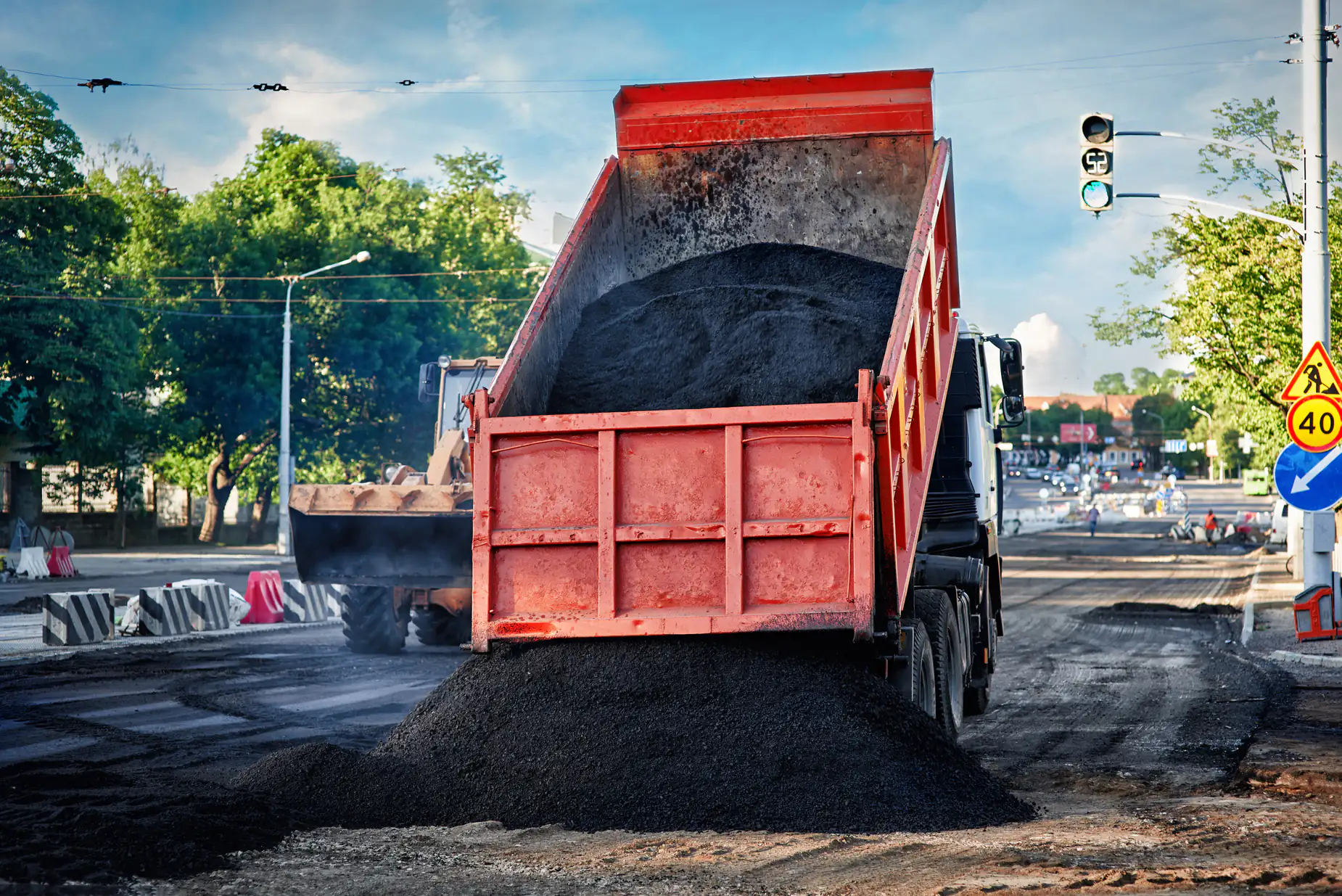
Then we install hot mix asphalt at the right temperature. Too hot and it’s unworkable. Too cool and it won’t compact properly. We use heavy rollers to reduce air voids and increase pavement strength, which directly affects how well your surface resists water infiltration.
Finally, we handle edges, transitions, and drainage details. That’s where most contractors cut corners. We don’t, because that’s where most callbacks come from.
You get a 5-year warranty on the work. Not because we expect problems, but because we know how to prevent them.
Ready to get started?
Your project includes proper material selection based on New Jersey’s temperature swings. We’re not using the same binder grade in winter that we’d use in July. Mix design matters, especially in Essex County where you get wicked winters and humid summers in the same year.
You also get real compaction work. We’re talking multiple passes with heavy equipment to hit target density, not just smoothing the surface. That’s what gives you resistance to rutting and cracking.
Drainage solutions are part of every job. Pleasantdale properties often deal with slope challenges and water management issues. We grade for positive drainage and install solutions that move water away from your pavement and foundation.
For commercial properties and larger residential lots, we handle parking lot striping, sealcoating, and ongoing maintenance. Asphalt isn’t install-and-forget. It needs attention, especially with the traffic and weather exposure North Jersey delivers.
Material costs are rising every month right now due to oil market volatility and refinery constraints. That’s not a sales tactic—it’s what’s happening across the paving industry. Waiting doesn’t save money anymore.
Properly installed asphalt in North Jersey typically lasts 15-20 years with regular maintenance, but that timeline depends entirely on installation quality and how well you maintain it.
The key factors are compaction, drainage, and sealcoating. If we achieve proper density during installation and water drains off the surface instead of pooling, you’re starting from a strong position. Then it’s about sealcoating every 2-3 years to protect the binder from oxidation and UV damage.
Pleasantdale’s freeze-thaw cycles are brutal on pavement. Water gets into small cracks, freezes, expands, and turns minor surface issues into potholes. That’s why the installation phase matters so much. Air voids in poorly compacted asphalt give water a place to go. Proper compaction eliminates most of those voids and dramatically extends pavement life.
Skip the sealcoating or ignore small cracks, and you’re looking at 8-10 years instead of 20. It’s not the material that fails—it’s the maintenance.
The difference shows up in three areas: base preparation, compaction quality, and material selection. Cheap work skips steps in all three.
Base prep is where most contractors cut costs. They’ll pave over a questionable base instead of excavating and rebuilding it properly. That saves them time and equipment expense, but it guarantees you’ll have settling and cracking within two years. Quality work means removing inadequate base material, compacting in proper lifts, and creating a stable foundation.
Compaction is the second place you’ll see corners cut. Proper compaction requires multiple passes with heavy rollers and checking density as you go. That takes time. Cheap contractors make one or two passes, call it done, and move to the next job. You end up with a surface that looks fine initially but develops ruts and soft spots quickly.
Material selection matters too. The asphalt mix design should match your climate and traffic load. North Jersey needs specific binder grades to handle temperature extremes. Quality contractors specify the right mix. Cheap ones use whatever’s available or least expensive.
You’re not paying more for the same work. You’re paying for work that actually lasts.
Late spring through early fall gives you the best conditions, but the real answer depends on temperature and moisture more than the calendar date.
Asphalt needs to be installed and compacted at specific temperatures to achieve proper density. Too cold and the material cools before you can compact it properly. You need ambient temperatures above 50°F and rising, not falling. That typically means May through October in North Jersey, but we’ve done quality work in April and November when conditions cooperate.
Ground conditions matter as much as air temperature. Your base needs to be dry and stable. Spring in Pleasantdale can be wet, which creates challenges for base work even when air temperatures are fine. Wet subgrade won’t compact properly, and paving over it is asking for trouble.
Summer is popular but comes with its own issues. Extreme heat can make asphalt too soft during compaction, and afternoon thunderstorms can shut down work unexpectedly. Fall is often ideal—stable temperatures, drier ground, and we have more availability than spring.
The worst time is winter, obviously. But waiting until “perfect” conditions means you’re competing with everyone else who had the same idea. Book early in the season if you want flexibility on timing.
It comes down to what’s happening below the surface and how much of your current pavement is compromised.
Resurfacing works when your base is still solid and surface damage is limited to the top layer. We’re talking minor cracking, some oxidation, maybe light rutting. If water drains properly and you don’t have soft spots or major settling, resurfacing gives you a new surface at a fraction of replacement cost.
Full replacement becomes necessary when the base has failed or damage extends through the entire asphalt thickness. Signs include large potholes, significant settling, alligator cracking (that interconnected pattern that looks like reptile skin), and areas where the pavement moves when you drive over it. At that point, resurfacing is just putting new asphalt over a failing foundation.
The honest assessment requires looking at the base. We can’t tell you which option you need from a phone call or photos. Someone needs to examine the pavement, check for soft spots, evaluate drainage, and sometimes probe below the surface to see what’s happening with the base material.
Here’s the reality: resurfacing costs less upfront but won’t fix base problems. If your base is questionable and you resurface anyway, you’ll be replacing everything in 3-5 years. Sometimes spending more now actually costs less long-term.
Cracking comes from water infiltration, temperature movement, and base instability. You prevent it through proper installation and consistent maintenance.
Water is the primary culprit. It seeps into small surface cracks, reaches the base layer, and causes problems in two ways. First, it weakens the base material, leading to settling and structural cracks. Second, it freezes in winter, expands, and makes existing cracks worse. That’s why North Jersey is so hard on pavement—you get dozens of freeze-thaw cycles every winter.
Temperature movement causes thermal cracking. Asphalt expands in heat and contracts in cold. Over time, that constant movement creates stress cracks, especially if the material wasn’t installed at proper temperature or wasn’t compacted correctly. This is where installation quality matters. Properly compacted asphalt with low air void content resists cracking much better than poorly compacted material.
Base instability shows up as alligator cracking—that interconnected pattern that indicates the foundation is moving or failing. No amount of surface treatment fixes this. The base needs repair.
Prevention means sealcoating every 2-3 years to keep water out, filling cracks promptly before they expand, and ensuring proper drainage so water moves off the surface. Those three things will extend your pavement life significantly. Skip them and you’re looking at premature failure regardless of installation quality.
Driveway paving typically runs $3-$7 per square foot in North Jersey, but that range is almost meaningless without knowing your specific site conditions and scope.
The variables that affect your cost include current base condition, drainage requirements, excavation depth, access for equipment, and material specifications. A simple overlay on a solid base with good drainage costs far less than full-depth removal and replacement with drainage corrections.
Pleasantdale properties often have unique challenges that affect pricing. Sloped driveways require more grade work. Mature landscaping means careful equipment operation. Limited access from the street can require smaller equipment or hand work, which increases labor time.
Material costs are also volatile right now. Asphalt prices have been increasing monthly due to oil market conditions and refinery capacity constraints. What we quote today may cost more in two months. That’s not a pressure tactic—it’s the reality of commodity-based pricing in 2024-2025.
The only way to get accurate pricing is an on-site assessment. We’ll measure your area, evaluate base conditions, discuss drainage, and provide clear upfront pricing with no surprise charges. We also offer a 24-48 hour callback guarantee for online quote requests, so you’re not waiting a week to hear from us.
If you’re comparing quotes, make sure you’re comparing the same scope. The lowest bid often excludes base work, drainage solutions, or proper compaction—the things that actually determine how long your pavement lasts.