
Hear from Our Customers
A driveway that doesn’t turn into a pothole minefield after one winter. That’s what happens when the base is compacted correctly, the asphalt mix is applied at the right temperature, and drainage is graded to move water away from your foundation instead of pooling where it freezes.
Most driveways fail because corners get cut during installation. Thin asphalt over poorly compacted base. No attention to drainage. Materials applied too cold to bond properly. Those shortcuts show up fast in Morris County, where we get 40% more freeze-thaw cycles than Central Jersey.
When asphalt is installed right, it flexes with temperature changes instead of cracking. Water drains off instead of seeping into cracks and expanding when it freezes. Your driveway lasts 15-20 years instead of needing major repairs in five. And the first impression visitors get when they pull up to your Pine Brook home isn’t a crumbling mess that makes them wonder what else you’ve let slide.
We’ve been handling residential and commercial paving projects across Morris, Sussex, and Somerset County for over 20 years. We’re a family-owned company that shows up when we say we will, uses high-grade materials, and backs our work with real warranties.
We’re licensed, insured, and BBB accredited. Our crews know how to prep sites for proper drainage, compact aggregate base to DOT specifications, and apply hot mix asphalt at the temperatures that create dense, durable surfaces. We don’t subcontract the work out to whoever’s available that week.
Pine Brook properties have specific drainage challenges and soil conditions that affect how asphalt performs long-term. We’ve been working in this area long enough to know what works and what fails. That experience matters when you’re making a multi-thousand dollar investment in your property.
First, we excavate and remove old pavement or unsuitable material. Depth depends on your soil conditions and how the driveway will be used, but proper base preparation is where most companies either get it right or set you up for problems down the road.
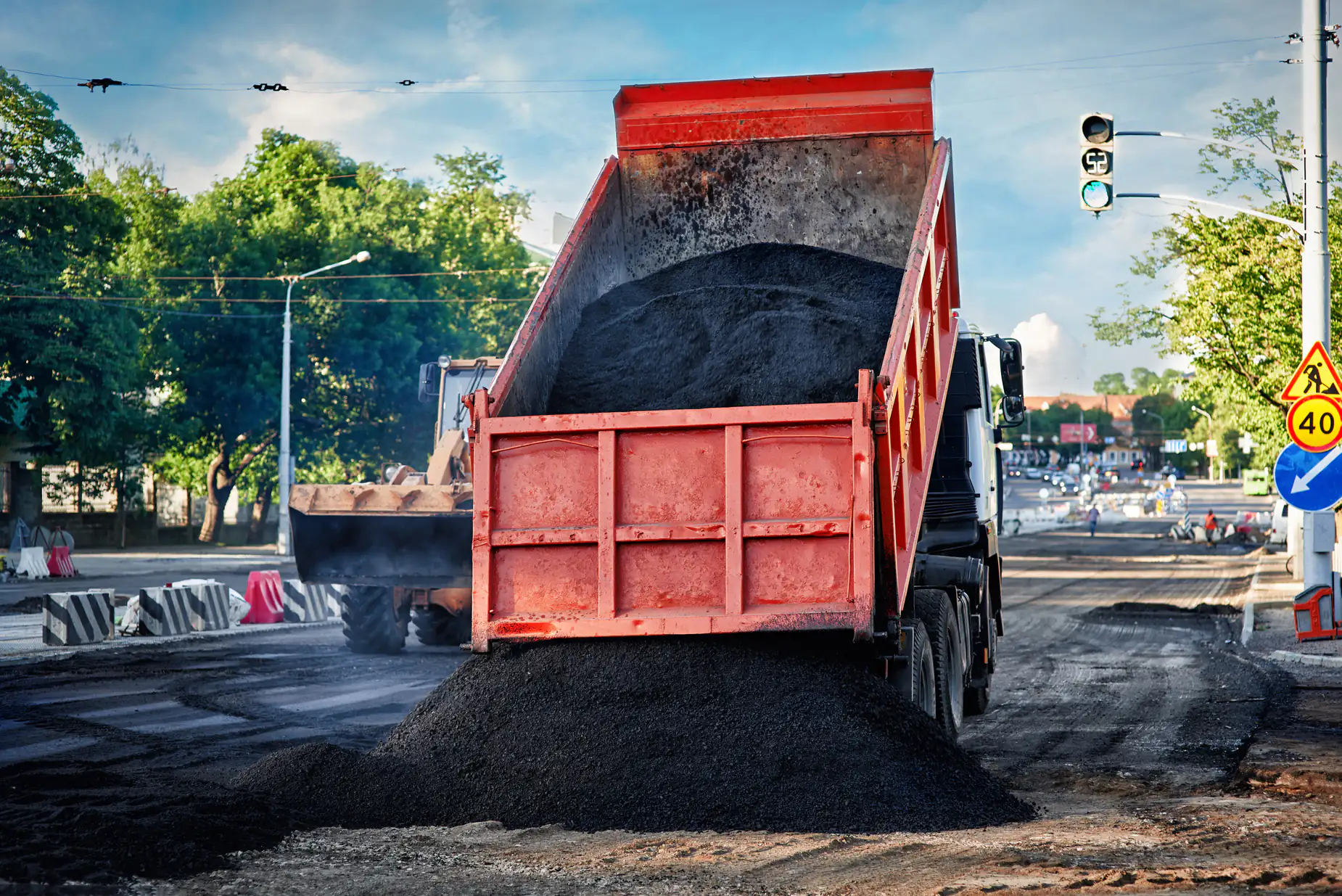
Next comes the aggregate base layer. We use crushed stone compacted in lifts with heavy equipment to create a stable foundation that won’t shift or settle. This layer handles the load and provides drainage so water doesn’t sit under your asphalt. We grade everything to direct water away from your foundation and toward appropriate drainage points.
Then we install the asphalt in layers. For driveways, that typically means a base course and a top course of high-grade hot mix asphalt applied at proper temperature and compacted with rollers to achieve the right density. Thickness varies based on expected traffic, but we follow New Jersey DOT specifications, not whatever’s cheapest.
The entire process usually takes a few days depending on size and complexity. We handle any required permits, protect your landscaping during the work, and clean up completely when we’re done. Most driveways can handle light traffic within 24-48 hours and full use within a few days once the asphalt has cured properly.
Ready to get started?
Every project starts with a site evaluation to identify drainage issues, soil conditions, and any prep work needed before we start paving. We provide upfront quotes that detail exactly what we’re doing so there aren’t surprise charges later when the work is done.
For residential driveways in Pine Brook, we typically excavate 8-12 inches depending on soil conditions, install 6-8 inches of compacted aggregate base, and top it with 3-4 inches of asphalt in two lifts. We include proper grading for drainage, transitions where your driveway meets the street or garage, and edges that won’t crumble apart.
Commercial parking lots get similar attention to base prep and drainage, but we adjust asphalt thickness and mix design based on expected traffic loads. Heavy delivery trucks require different specifications than passenger vehicles. We also handle line striping, catch basins, and ADA-compliant access if your property needs it.
Morris County winters are hard on pavement. That’s why we use high-grade hot mix asphalt formulated to handle freeze-thaw cycles without breaking down prematurely. We also offer sealcoating services to protect your investment once the asphalt has cured for 6-12 months. Regular maintenance extends pavement life significantly and costs a fraction of what you’d spend on major repairs or replacement.
A properly installed asphalt driveway in Pine Brook typically lasts 15-20 years before it needs replacement. That lifespan depends heavily on three things: installation quality, drainage, and maintenance.
Installation quality means adequate base preparation, proper asphalt thickness, and correct compaction. Shortcuts here cut years off your driveway’s life. Drainage matters because water is asphalt’s biggest enemy, especially in Morris County where freeze-thaw cycles are brutal. Water that can’t drain away seeps into small cracks, freezes, expands, and turns minor issues into major structural problems.
Maintenance extends life significantly. Sealcoating every 2-3 years protects asphalt from UV damage and water penetration. Filling cracks promptly prevents them from spreading. A $200 crack sealing job today can prevent a $2,000 pothole repair next year. Neglected driveways might only last 10-12 years, while well-maintained ones can push past 20 years before they need replacement.
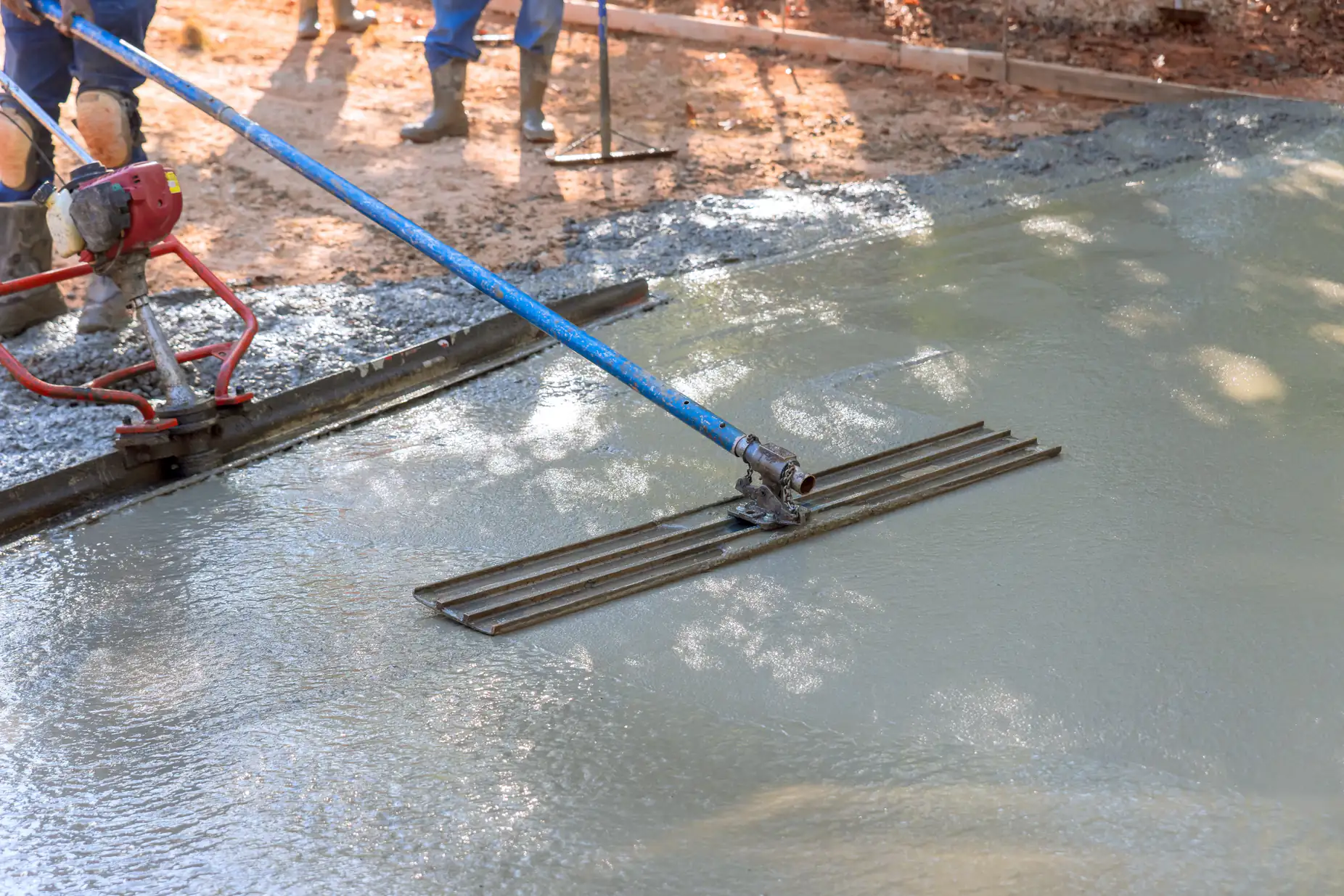
Asphalt costs less upfront and handles freeze-thaw cycles better, which matters in North Jersey. Concrete costs more initially but requires less maintenance over time. For a typical 600-square-foot driveway in Pine Brook, asphalt runs $3,000-4,800 installed while concrete costs $4,200-7,800.
Asphalt’s flexibility is an advantage in cold climates. It expands and contracts with temperature changes without cracking as easily as concrete. When repairs are needed, asphalt patches blend in better than concrete repairs, which often remain visible. Asphalt is also ready to use faster—usually within a day or two versus a week for concrete.
Concrete lasts longer without resurfacing—potentially 30+ years versus 15-20 for asphalt. It doesn’t need sealcoating every few years. But when concrete does crack or settle, repairs are more expensive and more visible. For Morris County properties dealing with harsh winters, asphalt’s flexibility and lower upfront cost make it the more practical choice for most homeowners. When you factor in 20-year maintenance costs, the total investment ends up similar, but asphalt performs better in our climate.
You can typically drive on new asphalt within 24-48 hours after installation, but full curing takes longer. Light vehicle traffic is fine after a day or two, but you should avoid parking in the same spot repeatedly or turning your steering wheel while stationary for at least a week.
Asphalt continues to cure and harden for several months after installation. It’s most vulnerable to damage in the first few days when it’s still soft, especially in warm weather. Heavy vehicles, sharp turns, and kickstands can leave impressions during this period. We recommend keeping heavy trucks and equipment off new asphalt for at least a week.
Temperature affects curing time. Asphalt installed in cooler fall weather hardens faster than summer installations. In hot weather, fresh asphalt stays softer longer, so extra caution helps prevent surface damage. After the first week, your driveway can handle normal use, but avoid parking heavy trailers or dumpsters on it for the first month. Most driveways are fully cured and ready for sealcoating after 6-12 months.
Premature cracking usually comes down to poor base preparation, inadequate drainage, or thin asphalt. The base layer is your driveway’s foundation. If it’s not thick enough, not properly compacted, or installed over unsuitable soil, the asphalt above it will crack as the base shifts and settles.
Drainage problems are the other major culprit. Water that pools on or under your driveway weakens the base and seeps into small cracks. When that water freezes in Morris County winters, it expands with enough force to turn hairline cracks into serious structural damage. Poor grading that doesn’t direct water away from the pavement accelerates this process.
Thin asphalt also fails faster. Some contractors save money by installing 2 inches of asphalt when 3-4 inches is appropriate for the application. Thinner pavement flexes more under load and is more vulnerable to temperature stress. It might look fine initially, but it won’t hold up to normal use and weather exposure. Quality installation costs more upfront but prevents the expensive repairs that come from cutting corners on base prep, drainage, and asphalt thickness.
Most driveway paving projects in Pine Brook require permits from the township, especially if you’re expanding the driveway footprint, changing drainage patterns, or connecting to the street. Requirements vary based on project scope, property location, and local ordinances.
Simple resurfacing over an existing driveway footprint might not require a permit, but any work that affects stormwater drainage, increases impervious surface area, or involves grading changes typically does. Some municipalities also have specific requirements about driveway width, setbacks from property lines, and how the driveway connects to the public street.
We handle permit applications as part of our service because we know what Pine Brook and Morris County require. Trying to navigate township requirements yourself wastes time and risks having to redo work that doesn’t meet code. Working with a licensed contractor who pulls proper permits protects you from potential fines and ensures the work meets local standards. It also matters for property value—unpermitted work can create issues when you sell your home.
Sealcoating every 2-3 years is the most important maintenance task. It protects asphalt from UV damage, water penetration, and chemical spills like oil or gas. Wait 6-12 months after installation before the first sealcoating to let the asphalt fully cure. After that, regular sealcoating extends pavement life significantly and costs far less than repairs or replacement.
Crack filling should be done promptly whenever you notice cracks forming. Small cracks spread quickly, especially during freeze-thaw cycles. Filling them while they’re still minor prevents water infiltration and stops them from becoming larger structural problems. This is particularly important in Morris County where winter weather accelerates pavement deterioration.
Keep your driveway clean and watch for drainage issues. Sweep off debris regularly and remove oil stains promptly—petroleum products break down asphalt. Make sure water drains off the surface properly and doesn’t pool. If you notice standing water or drainage problems, address them before they cause damage. Avoid using metal snow shovels or sharp tools that can gouge the surface. These simple maintenance steps protect your investment and help your driveway reach its full 15-20 year lifespan.