
Hear from Our Customers
A driveway that doesn’t crack after one winter. That’s what proper installation looks like in Morris County, where freeze-thaw cycles destroy half-done work before spring arrives.
You’re not just getting blacktop laid down. You’re getting a surface engineered for drainage, graded to push water away from your foundation, and built with hot mix asphalt applied at the right temperature. That last part matters more than most paving companies near you will admit.
When the base is compacted correctly and the asphalt goes down hot, it bonds. It flexes with temperature swings instead of cracking. It handles snowplow scrapes and salt without falling apart by March. That’s the difference between a driveway and an expensive mistake.
Properties in Peapack and Gladstone average over $840,000. Your driveway should reflect that investment, not undermine it every time someone pulls up.
We’ve spent over two decades working in Morris, Sussex, and Somerset Counties. We’re not a national franchise that shows up, paves, and disappears. Owner Dominick is on-site from start to finish, which means the person who quoted your job is the same person making sure it’s done right.
We’re BBB accredited and fully insured, but that’s table stakes. What actually matters is that we know how North Jersey weather destroys bad paving work. We’ve seen what happens when contractors skip proper base prep or lay asphalt too cool. We’ve ripped out those driveways and done them correctly.
Peapack and Gladstone homeowners expect quality that matches their properties. We deliver it by using high-grade materials, proper grading, and installation methods that account for your specific drainage needs and soil conditions. No shortcuts, no excuses.
First, we assess your site. That means looking at drainage patterns, checking for low spots where water pools, and evaluating your current base. If the base is compromised, we tell you. If it needs a complete rip-out, we explain why patching won’t work.
Next, we prep the site properly. Excavation to the right depth, grading for drainage, and compacting the base layer so it doesn’t settle and crack your new asphalt in six months. This step separates contractors who know what they’re doing from those who don’t.
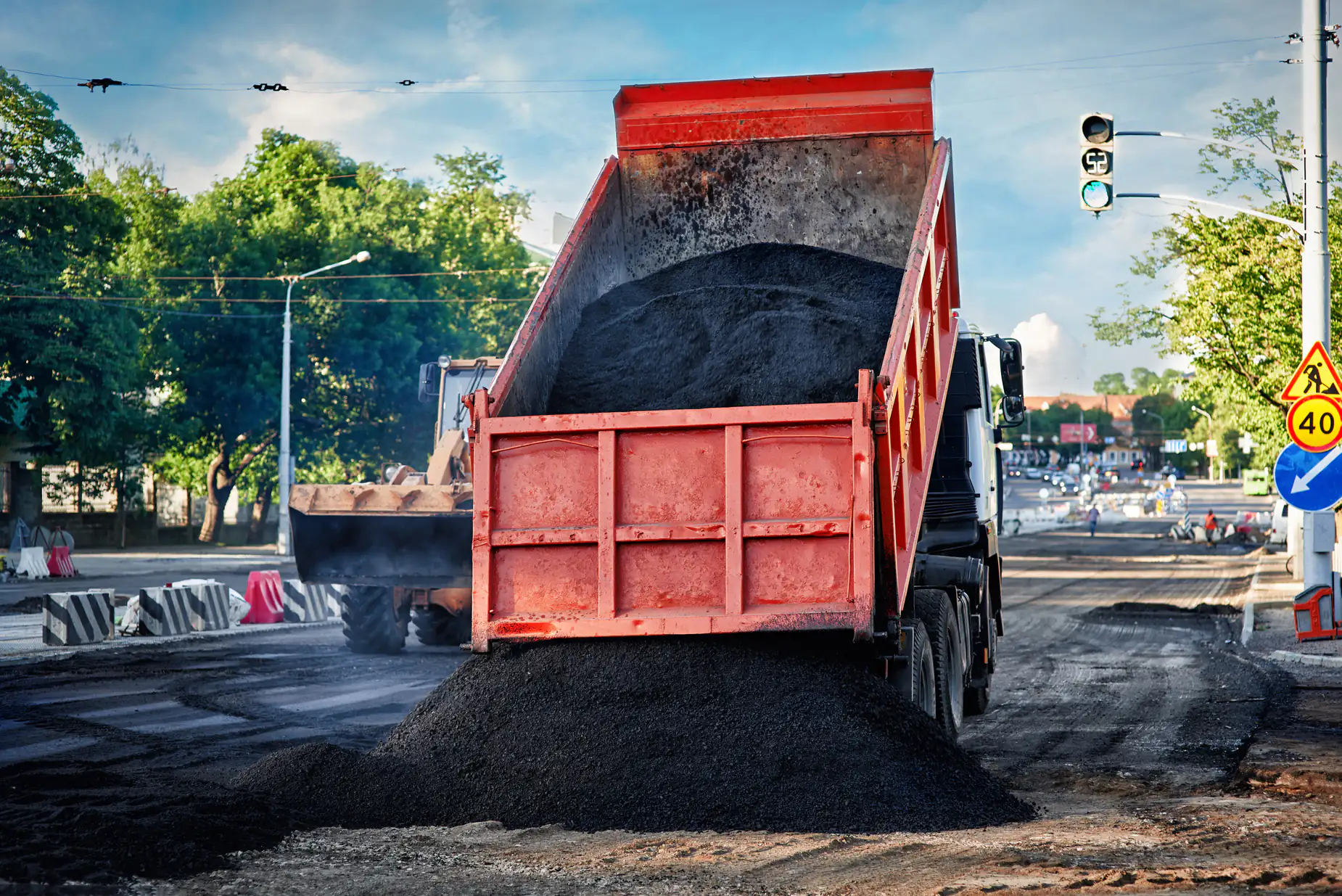
Then we install. High-grade hot mix asphalt applied at proper temperature, rolled and compacted while it’s still hot enough to bond correctly. We don’t rush this part. Temperature matters, timing matters, and technique matters.
Finally, we clean up and walk you through maintenance. You’ll know when to sealcoat, what to watch for, and how to protect your investment. We also offer a 24-48 hour callback guarantee for any questions after the job is done.
Ready to get started?
You’re getting more than a paving contractor who shows up with a truck. You’re getting site assessment, drainage solutions, and material selection based on your specific property conditions in Peapack and Gladstone.
For residential driveways, that means evaluating how water moves across your property, especially during heavy rain or snowmelt. Poor drainage doesn’t just damage asphalt—it threatens your foundation. We grade every driveway to push water away from structures and prevent pooling that leads to cracking.
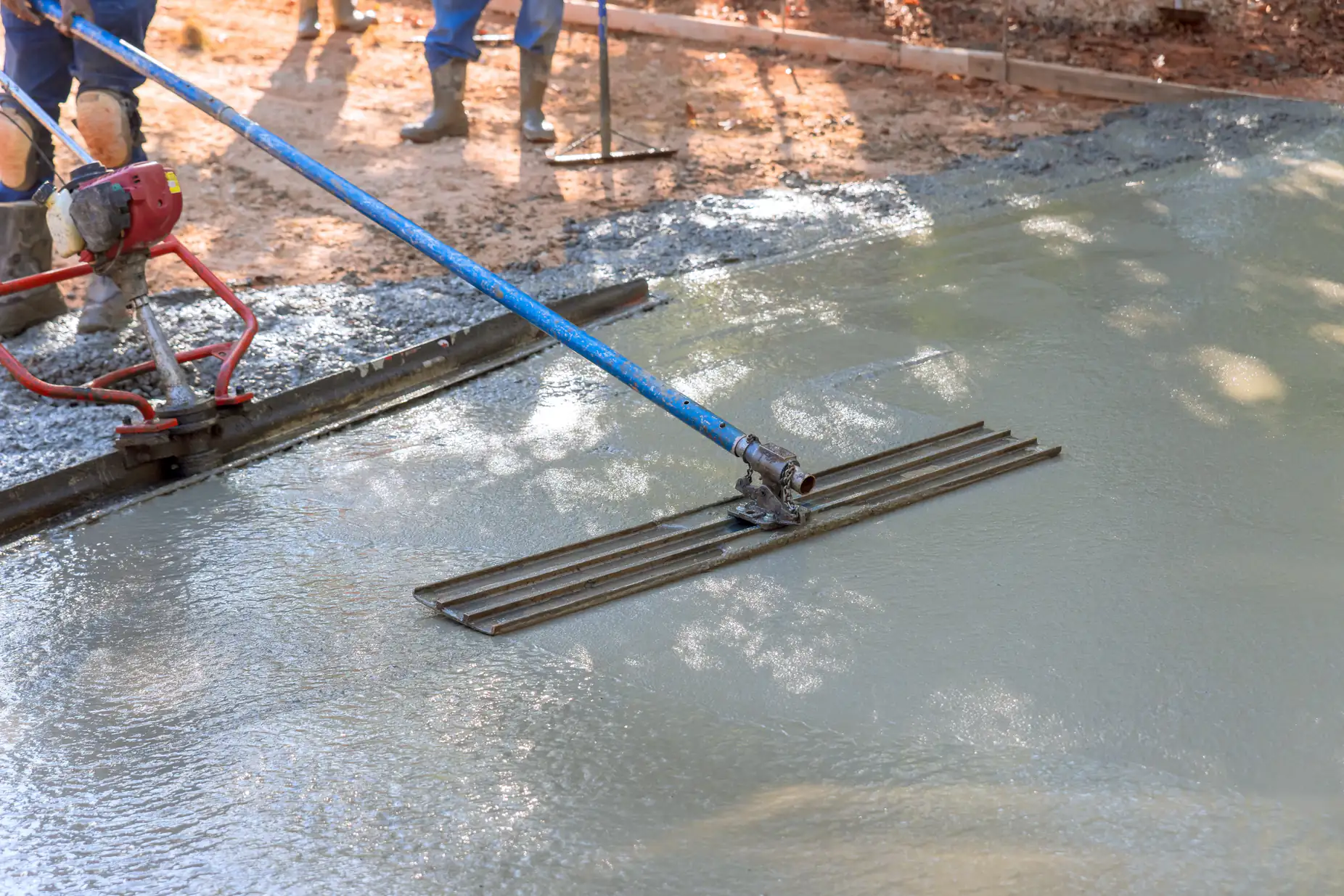
For commercial parking lots, we account for heavier traffic loads and different wear patterns. We also offer decorative stamped concrete for walkways and paver patios if you want aesthetic options beyond standard blacktop.
Morris County winters are brutal. Salt, freeze-thaw cycles, and snowplow damage destroy asphalt that wasn’t installed correctly. We use Portland cement mixes with rebar reinforcement for concrete work and high-grade HMA for asphalt specifically because these materials handle New Jersey weather. You’re not paying for premium materials just to pay more—you’re paying for durability that lasts.
Every project includes clear upfront pricing. No surprise charges, no vague estimates that balloon later. You’ll know what you’re paying and what you’re getting before work starts.
Properly installed asphalt in New Jersey typically lasts 20-30 years with regular maintenance. That’s the realistic range when the base is prepared correctly, drainage is handled, and you sealcoat every 2-3 years.
Here’s what kills driveways early: poor base compaction, inadequate drainage, and skipping sealcoating. If water sits on your driveway or seeps into cracks, freeze-thaw cycles will destroy it within 5-10 years. New Jersey winters are unforgiving to bad installation work.
The other factor is traffic. A residential driveway with two cars will outlast a commercial lot with constant heavy vehicles. But even high-traffic surfaces last decades when installed with proper base depth and material grade. You’re not replacing a correctly done driveway every few years—you’re maintaining it and getting decades of use.
Asphalt costs less upfront and handles freeze-thaw cycles better because it flexes. Concrete costs more initially but lasts longer and offers more design options like stamped patterns.
For North Jersey specifically, asphalt makes sense for most driveways. It’s more forgiving when the ground shifts during winter, and repairs are simpler. Concrete cracks when the base settles, and fixing those cracks is expensive and obvious.
That said, concrete works well for decorative applications or areas where you want a specific look. We install both, and the right choice depends on your budget, aesthetic preferences, and how much maintenance you want to handle. Asphalt needs sealcoating every few years. Concrete needs less maintenance but costs significantly more upfront and shows damage more visibly when it does crack.
Residential driveways in Morris County typically run $3-$7 per square foot depending on site conditions, base prep needed, and material grade. A standard two-car driveway averages $4,000-$8,000 for complete installation.
That range exists because every property is different. If your current driveway has drainage issues or a failing base, you’re looking at the higher end because we need to excavate deeper and install proper drainage solutions. If the base is solid and we’re just resurfacing, costs drop.
Commercial parking lots cost less per square foot due to scale but require thicker asphalt and heavier base prep for traffic loads. Material costs have increased significantly over the past few years, and prices continue rising. Delaying a project that needs doing doesn’t save money—it costs more later when asphalt prices climb and damage worsens.
Yes, every 2-3 years if you want it to last. Sealcoating protects asphalt from UV damage, water penetration, and salt—all of which break down the surface and lead to expensive repairs.
Think of sealcoating like painting wood. The wood doesn’t rot immediately without paint, but it deteriorates faster when exposed to weather. Asphalt works the same way. The sealcoat layer prevents water from seeping into small cracks where it freezes, expands, and creates bigger cracks.
New driveways don’t need sealcoating immediately. Wait 6-12 months for the asphalt to cure fully, then start a regular schedule. Skipping sealcoating doesn’t destroy your driveway overnight, but it cuts the lifespan significantly. You’ll face resurfacing or replacement years earlier than necessary, which costs far more than regular maintenance.
Water infiltration and freeze-thaw cycles cause most cracking in New Jersey. Water seeps into small cracks, freezes, expands, and makes those cracks bigger. Repeat that cycle through a winter and you’ll have serious damage by spring.
Poor base preparation causes the other major cracking issue. If the base wasn’t compacted properly or drainage wasn’t addressed, the ground settles unevenly under your asphalt. That creates stress points where cracks form.
Heavy loads and tree roots also contribute, but water is the main culprit in this climate. That’s why proper drainage during installation and regular sealcoating after installation matter so much. You’re preventing water from getting where it causes damage. Once cracks start, they spread quickly if ignored. Small cracks you can seal yourself. Large cracks and alligatoring mean you’re looking at resurfacing or replacement.
Check for proper licensing, insurance, and BBB accreditation first. Then ask how long they’ve worked in North Jersey specifically and whether the owner is involved in your project.
A lot of paving companies near you will quote low to win the job, then cut corners on base prep or material quality. You won’t know until the driveway fails in a year or two. Ask specific questions: What depth are you excavating? What’s the base material? What temperature will the asphalt be when applied? How are you handling drainage?
Good contractors answer those questions clearly because they know what matters. Bad contractors give vague answers or rush past details. Also ask for local references you can drive by and see. Asphalt work is visible—you can tell quality from the street. If a contractor has been working in Morris County for decades and has local projects to show, that’s a better indicator than any marketing pitch.