
Hear from Our Customers
A smooth driveway changes how your property feels the second someone pulls up. No more apologizing for cracks or uneven patches. No more wondering if the next winter will turn small problems into expensive ones.
When asphalt is installed correctly with high-grade materials, it flexes with temperature swings instead of fighting them. That matters in Ogdensburg, where you’re dealing with 40% more freeze-thaw cycles than homeowners down in Central Jersey.
You also get a surface that’s ready to use fast. Most residential driveways wrap up in a day. And when you need repairs years down the line, asphalt fixes run $250-$800 on average, not the $2,000+ concrete replacements that some of your neighbors are facing.
We work across Morris, Sussex, and Somerset counties. We’re based here, so we know what North Jersey weather does to pavement. We’ve seen what works and what fails after a few seasons.
We use hot mix asphalt applied at the right temperature, not shortcuts that look fine until the first hard freeze. Our crews show up when we say we will, finish on schedule, and give you a price upfront that doesn’t change halfway through the job.
You’ll find us on over 75 customer reviews with a 4.5-star rating. We’re BBB accredited and carry the insurance and registration New Jersey requires. If you request a quote online, you’ll hear back within 24 to 48 hours.
First, we come out to look at your property. We’re checking the base, drainage, and any existing damage. If the base isn’t stable, new asphalt won’t fix it. We’ll tell you what’s needed and what’s optional.
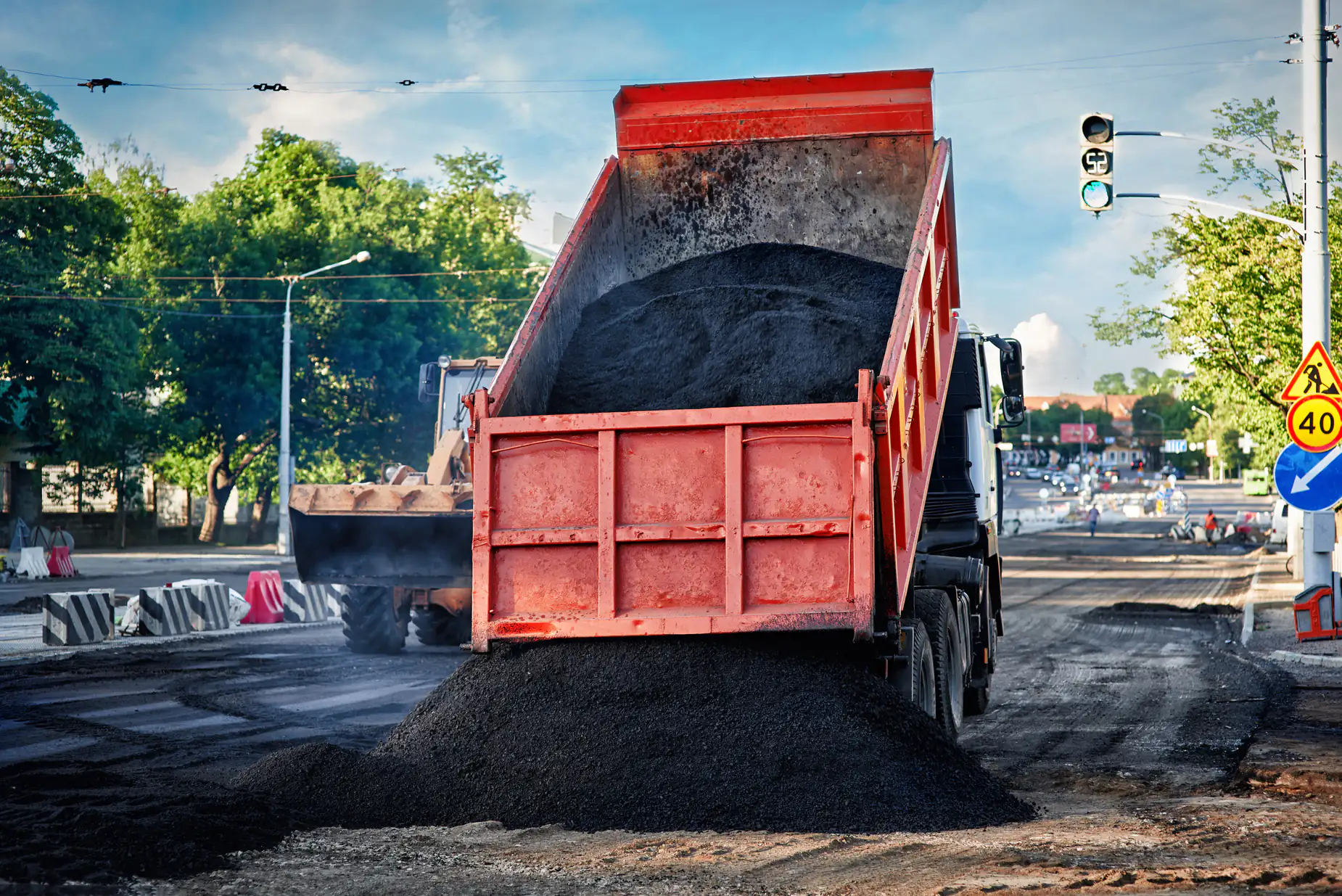
Once you approve the estimate, we schedule the work. We remove old material if necessary, grade and compact the base, then apply the asphalt while it’s hot. Proper compaction matters more than most homeowners realize—it’s what keeps your driveway from sinking or cracking early.
After paving, the surface needs time to cure. You can usually walk on it the same day, but we’ll tell you when it’s safe to park. We clean up completely before we leave. No piles of old asphalt sitting in your yard for a week.
Ready to get started?
You’re getting a full driveway installation or repair, not just a surface layer. That means proper base preparation, grading for water runoff, and hot mix asphalt that’s applied at the temperature it’s supposed to be. We also handle sealcoating and crack repair if you’re trying to extend the life of an existing driveway.
Ogdensburg sits in an area where soil conditions and weather patterns are tougher on pavement than towns 30 minutes south. We account for that. The base gets compacted correctly. Edges are finished clean. If you’ve got drainage issues, we’ll point them out before they become your problem later.
We also work on commercial parking lots across Morris County. Same process, bigger scale. Whether it’s a driveway or a lot that handles daily traffic, the fundamentals don’t change—you need a stable base, quality materials, and a crew that knows how to install them right.
A properly installed asphalt driveway in Ogdensburg typically lasts 15 to 20 years, sometimes longer with regular maintenance. The lifespan depends on a few things: the quality of the base, how well the asphalt was compacted during installation, and whether you stay on top of sealcoating every few years.
North Jersey winters are hard on driveways. Freeze-thaw cycles cause water to seep into small cracks, freeze, expand, and create bigger problems. If you catch cracks early and seal them, you’re looking at minor repairs instead of a full replacement.
Sealcoating every 2 to 3 years adds a protective layer that keeps water and UV damage from breaking down the asphalt. It’s a relatively inexpensive step that can add years to your driveway’s life. Skip it, and you’ll likely be repaving sooner than you’d like.
Late spring through early fall is ideal, with September and early October being the sweet spot. Asphalt needs warm temperatures to cure properly—ideally above 50°F during the day and overnight. If it’s too cold, the asphalt won’t compact correctly, and you’ll end up with a weaker surface.
Summer works, but extreme heat can make the asphalt too soft during installation, and high humidity can affect curing. Early fall gives you warm days without the summer extremes, and you’re getting ahead of winter damage before it starts.
If you wait until late fall or try to pave in winter, most paving companies won’t take the job. The asphalt won’t set right, and any work done in cold weather usually fails within a year. If your driveway needs work, don’t wait until November. By then, contractors are booked or shut down for the season.
Asphalt driveways in New Jersey typically run $5 to $8 per square foot installed. For an average two-car driveway (about 600 square feet), you’re looking at $3,000 to $5,000. That includes removing old material if needed, preparing the base, and installing new asphalt.
The final price depends on the condition of your existing driveway, how much prep work is required, and whether there are drainage or grading issues. If the base is unstable or you’ve got major settling, costs go up because the foundation needs to be fixed first.
Concrete costs more upfront—usually $7 to $13 per square foot—and it’s harder to repair. Asphalt repairs are simpler and cheaper, which is why most homeowners in this area go with asphalt. When you factor in long-term maintenance, asphalt usually makes more financial sense for North Jersey driveways.
It depends on how much damage you’re dealing with. Small cracks, minor settling, and surface wear can usually be repaired. If more than 30% of the driveway is cracked or crumbling, or if the base has failed, replacement makes more sense.
Crack sealing costs a few hundred dollars and can prevent bigger problems if you catch it early. Pothole repairs and patching run $250 to $800 depending on the size and number of spots. Resurfacing—adding a new layer of asphalt over the existing driveway—costs less than full replacement and works well if the base is still solid.
We’ll tell you honestly whether a repair will hold or if you’re throwing money at a driveway that’s going to fail anyway. If the base is shot, patching the surface is just a temporary fix. But if the foundation is good and you’re dealing with surface-level damage, repairs can buy you several more years before you need to repave.
Yes, but not right away. New asphalt needs 6 to 12 months to cure fully before you apply sealcoat. If you seal it too early, you’re trapping oils that need to evaporate, which can soften the surface and cause premature wear.
After that first year, sealcoating every 2 to 3 years protects the asphalt from water, UV rays, and chemicals like oil or de-icing salt. It’s a thin layer that fills small cracks and keeps moisture from seeping in and causing freeze-thaw damage.
Sealcoating costs a few hundred dollars and takes a day to dry. It’s one of those maintenance steps that feels optional until you see your neighbor’s driveway falling apart while yours still looks new. If you want your driveway to last 20 years instead of 10, sealcoating is part of the deal.
There isn’t one. Asphalt and blacktop are the same material—a mix of aggregate (crushed stone and sand) and liquid asphalt cement. The terms are used interchangeably, though “blacktop” is more common in residential conversations and “asphalt” is the industry-standard term.
What matters more than the name is the quality of the mix and how it’s installed. Hot mix asphalt (HMA) is applied at high temperatures and compacted while it’s still hot. That’s what you want for a driveway. Cold mix asphalt is used for temporary patches and doesn’t hold up long-term.
Some contractors will try to upsell you on different “types” of blacktop, but the real differences come down to the thickness of the asphalt layer, the quality of the base, and whether the crew knows what they’re doing. If someone’s quoting you a price that’s way lower than everyone else, they’re probably cutting corners on one of those three things.