
Hear from Our Customers
Most driveways fail because they were never built right to begin with. The base wasn’t compacted. Drainage wasn’t considered. Cheap materials were used to save a few bucks.
You end up with cracks by the first winter and potholes by the second. Then you’re stuck paying for repairs that cost more than doing it right the first time.
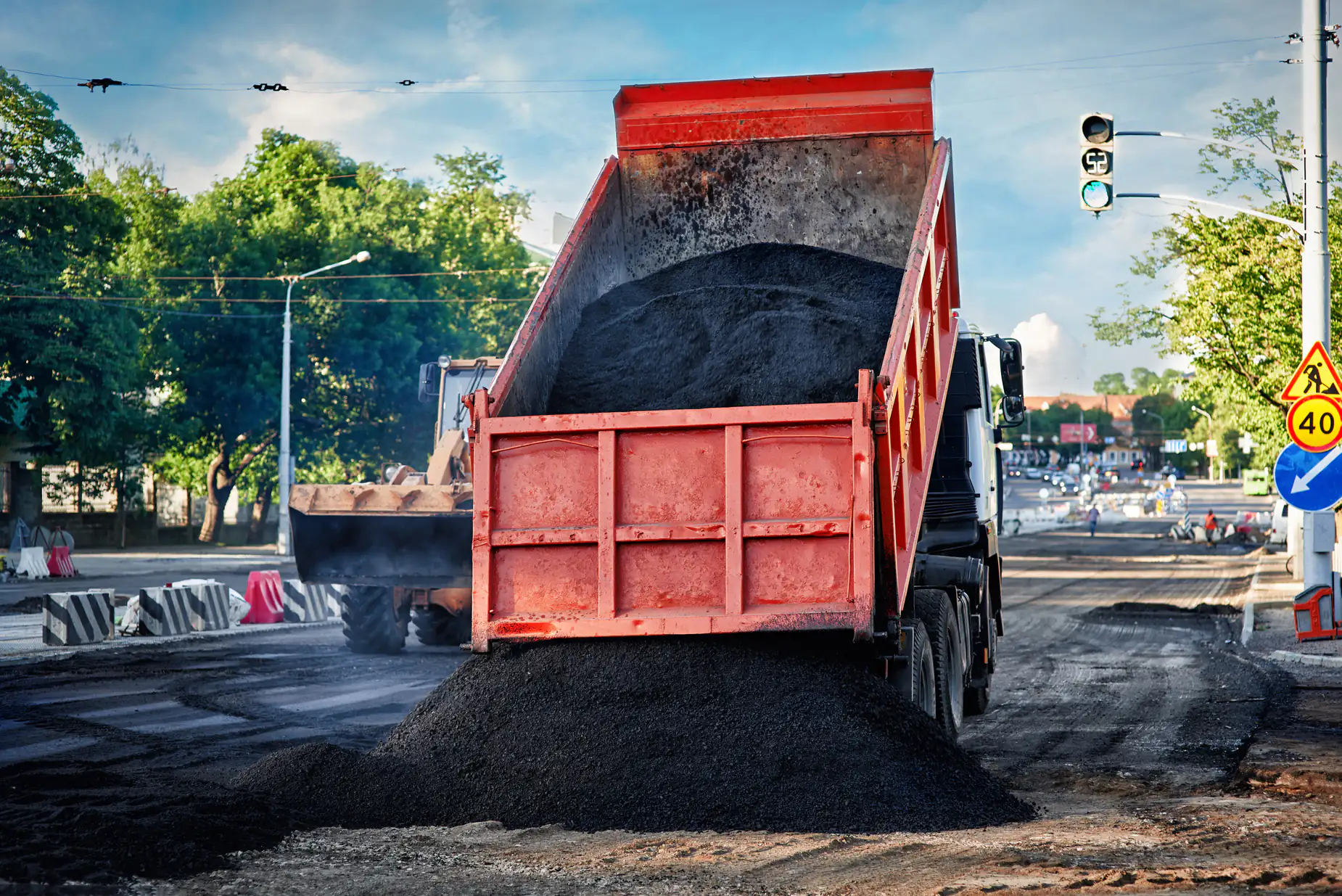
Proper asphalt installation means engineering the surface for your property and North Jersey weather. That includes excavating to the right depth, building a stable aggregate base, grading for water runoff, and applying high-grade hot mix asphalt at the correct temperature. When it’s done right, your driveway handles heavy vehicles, temperature swings, and years of freeze-thaw cycles without falling apart.
The difference isn’t just how it looks when we’re done. It’s how it holds up five winters from now when your neighbors are calling for emergency repairs and you’re not.
We’ve been handling asphalt and concrete work across Morris County for over 20 years. We’re based here, we know the soil conditions around Netcong, and we understand what winter does to pavement in this part of New Jersey.
When you request a quote, you’ll hear back within 24 to 48 hours. No runaround, no pressure tactics. Just a clear breakdown of what the job involves and what it costs.
We’re not the cheapest option, and that’s intentional. Cheap paving jobs fail fast. You’re hiring us because the work needs to last, and because you don’t want to deal with the same problem again in two years.
Every job starts with looking at your property. We check the existing surface, drainage patterns, and base conditions. If there’s an underlying issue, we tell you before we start.
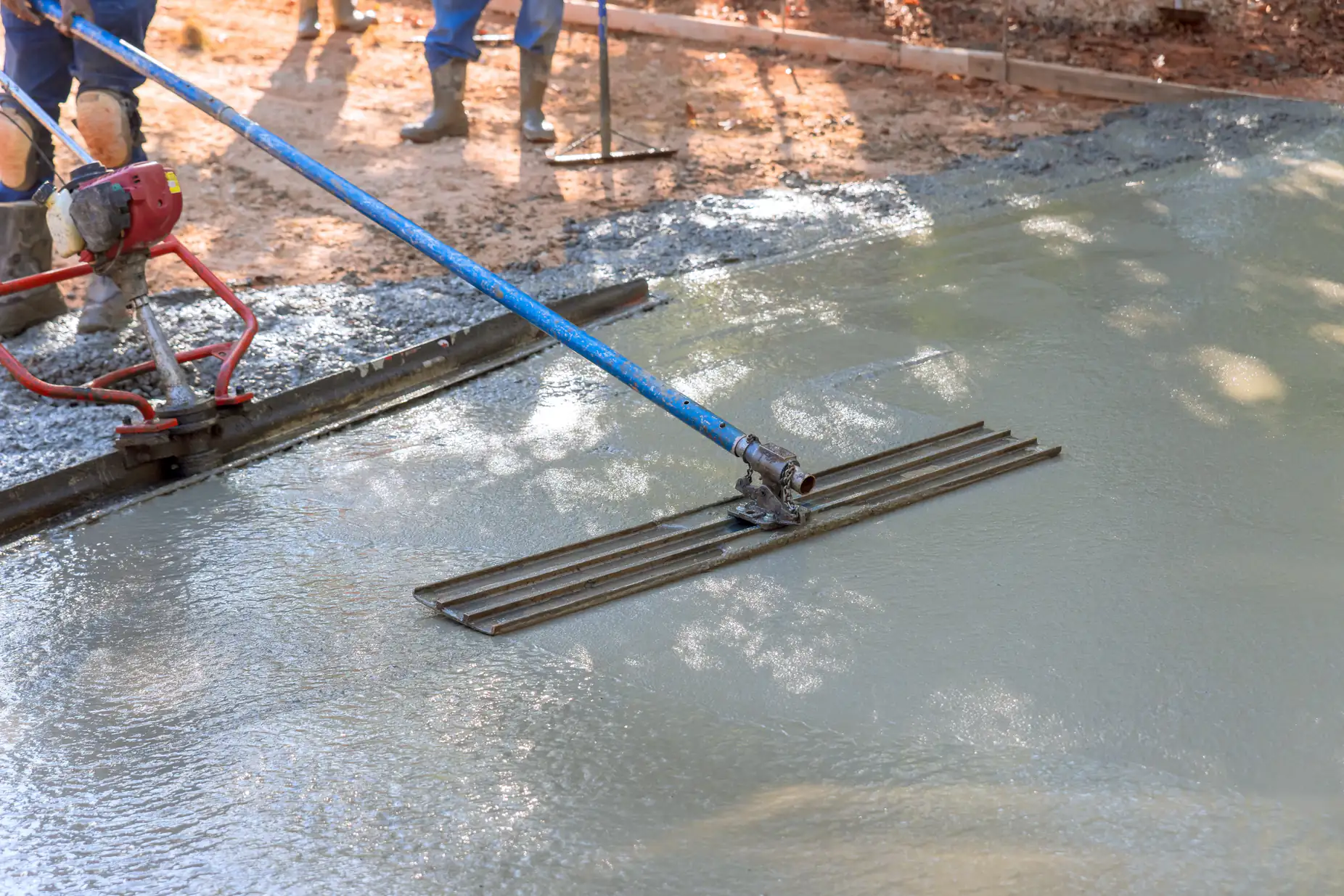
Once you approve the quote, we schedule the work and stick to the timeline. We excavate the old surface if needed, grade and compact the base, install proper drainage, and apply the asphalt or concrete. For asphalt, we use high-grade hot mix applied at the right temperature. For concrete, we use Portland cement mixes with rebar reinforcement where it’s needed.
After installation, we explain curing times and maintenance. Asphalt needs time to fully harden. Concrete needs time to cure. Rushing either one leads to problems.
You’re not left guessing what happens next. We walk through each step, keep you updated, and make sure the finished surface does what it’s supposed to do.
Ready to get started?
A proper paving job isn’t just dumping asphalt on the ground. It’s excavation, base preparation, grading, compaction, material application, and finishing work. All of it matters.
Netcong properties deal with specific challenges. The soil around here doesn’t drain the same as properties closer to the shore. Winter temperatures swing harder. Water infiltration is a constant threat. If your paving contractor doesn’t account for that, your driveway won’t make it through three freeze-thaw cycles.
We also handle decorative stamped concrete for patios and walkways, sealcoating to extend asphalt lifespan, and crack repair before small problems turn into expensive ones. For commercial properties, that includes ADA-compliant parking lot work and line striping.
The goal isn’t just to install pavement. It’s to install pavement that performs the way you need it to, year after year, without constant maintenance calls.
A properly installed asphalt driveway in Netcong should last 20 to 30 years with basic maintenance. That means sealcoating every few years and fixing cracks before they spread.
Most driveways fail early because the installation was rushed or the base wasn’t built correctly. If water gets under the surface, freeze-thaw cycles will destroy it. If the base wasn’t compacted, the asphalt will sink and crack under weight.
The lifespan depends more on the quality of installation than the quality of the asphalt itself. Cheap installations with premium materials still fail. Proper installations with standard materials last decades.
Spring through fall is ideal for asphalt paving in New Jersey. You need temperatures above 50 degrees for the asphalt to compact and cure properly.
We typically schedule paving work between April and October. Paving in cold weather leads to poor compaction, which means premature cracking and surface failure. The asphalt won’t bond correctly, and you’ll end up with a driveway that doesn’t hold up.
Concrete has a bit more flexibility with temperature, but it still cures best in moderate conditions. If you’re planning a paving project, reach out in early spring to get on the schedule before the busy season fills up.
Driveway paving costs depend on size, current condition, drainage needs, and material choice. A standard residential driveway replacement typically runs between $3,000 and $8,000.
That includes excavation, base preparation, grading, and asphalt installation. If your property has drainage issues or needs significant base work, the cost goes up. If you’re just resurfacing an existing driveway in good condition, it costs less.
We provide upfront quotes that break down exactly what’s included. No surprise charges later. The price we quote is the price you pay. If you’re comparing estimates, make sure you’re comparing the same scope of work. A cheap quote usually means shortcuts that cost you more in repairs down the road.
Emergency pothole repairs can be done in winter using cold patch asphalt, but it’s a temporary fix. Cold patch doesn’t bond the same way hot mix does, and it usually fails within a season.
For permanent repairs, you need temperatures above 50 degrees so the asphalt can be applied and compacted properly. That means waiting until spring for crack sealing, resurfacing, or any structural repair work.
If you have winter damage, the best approach is temporary patching to get through the cold months, then scheduling a proper repair once temperatures stabilize. Trying to do permanent work in freezing conditions just wastes money.
Most residential driveway replacements in Netcong don’t require a permit if you’re staying within the existing footprint and not changing drainage patterns. If you’re expanding the driveway or altering how water drains, you’ll likely need approval.
Commercial paving projects almost always require permits, especially for parking lots or any work that affects public right-of-way or stormwater management.
We can help you figure out what’s required for your specific project. Local regulations vary, and it’s better to confirm before starting work than to deal with violations after the fact.
You can typically drive on new asphalt within 24 to 48 hours, but it takes several months to fully cure. During the first week, avoid sharp turns and heavy vehicles if possible.
Asphalt hardens from the top down. The surface firms up quickly, but the deeper layers need time. For the first few weeks, be careful with kickstands, trailer jacks, and anything that puts concentrated weight on a small area.
Full curing takes about six months. That’s when the asphalt reaches maximum strength. We’ll walk you through what to expect and how to avoid damaging the surface while it’s still hardening.