
Hear from Our Customers
When your asphalt is installed correctly, you’re not calling for repairs every spring. The surface stays level because the base was compacted right. Water drains where it should instead of pooling and seeping under your pavement.
You get a driveway that looks clean for years, not months. No embarrassing cracks when clients visit. No standing water that turns into ice patches.
The difference isn’t the asphalt itself—it’s what happens before we pour it. Proper excavation depth. Engineered base material. Compaction that actually meets spec. That’s what keeps your driveway from becoming your biggest maintenance headache.
We’ve handled over 80 high-end residential and commercial projects across Morris County. We’re the paving contractor that property owners call when they’re tired of repairing the same sections every year.
Mountain Lakes properties have specific challenges—hillside drainage, lakefront moisture, premium appearance standards. We’ve worked in this borough long enough to know what fails and why.
Our crews use the equipment and materials that actually last in North Jersey weather. We’re licensed, insured, and we return calls within 24-48 hours. No disappearing after the deposit clears.
First, we excavate to proper depth—not the shallow shortcuts that cause settling. Then we install and compact the base material in lifts. This is where most paving contractors fail you. Inadequate compaction means your driveway will sink within a year.
We grade for drainage before any asphalt goes down. Water needs a path away from your foundation and off your pavement. If it doesn’t have one, it’ll create one by destroying your driveway.
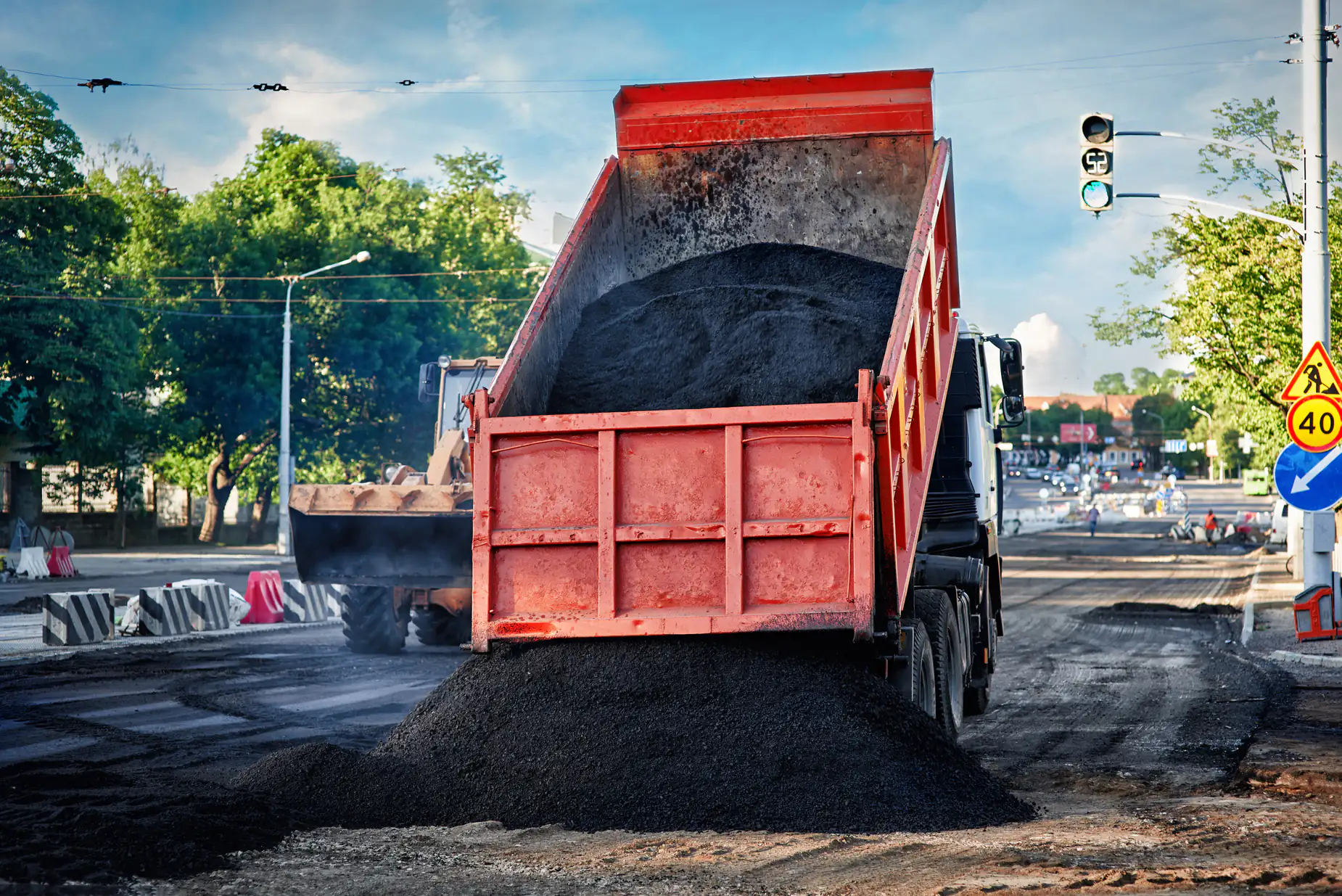
The asphalt itself gets applied at the right temperature using commercial-grade equipment. We’re talking hot mix asphalt that compacts properly, not the cooled-down material that never bonds correctly. After installation, we give you a clear timeline for when you can drive on it and what maintenance actually matters.
Ready to get started?
You’re getting excavation to the depth your soil conditions require—not a standard number that ignores your property. In Mountain Lakes, that often means dealing with hillside grading and water management that flat-lot contractors don’t understand.
The base material is engineered stone, compacted in layers with the right equipment. You’re also getting proper drainage solutions, whether that’s regrading, installing catch basins, or creating swales that actually work.
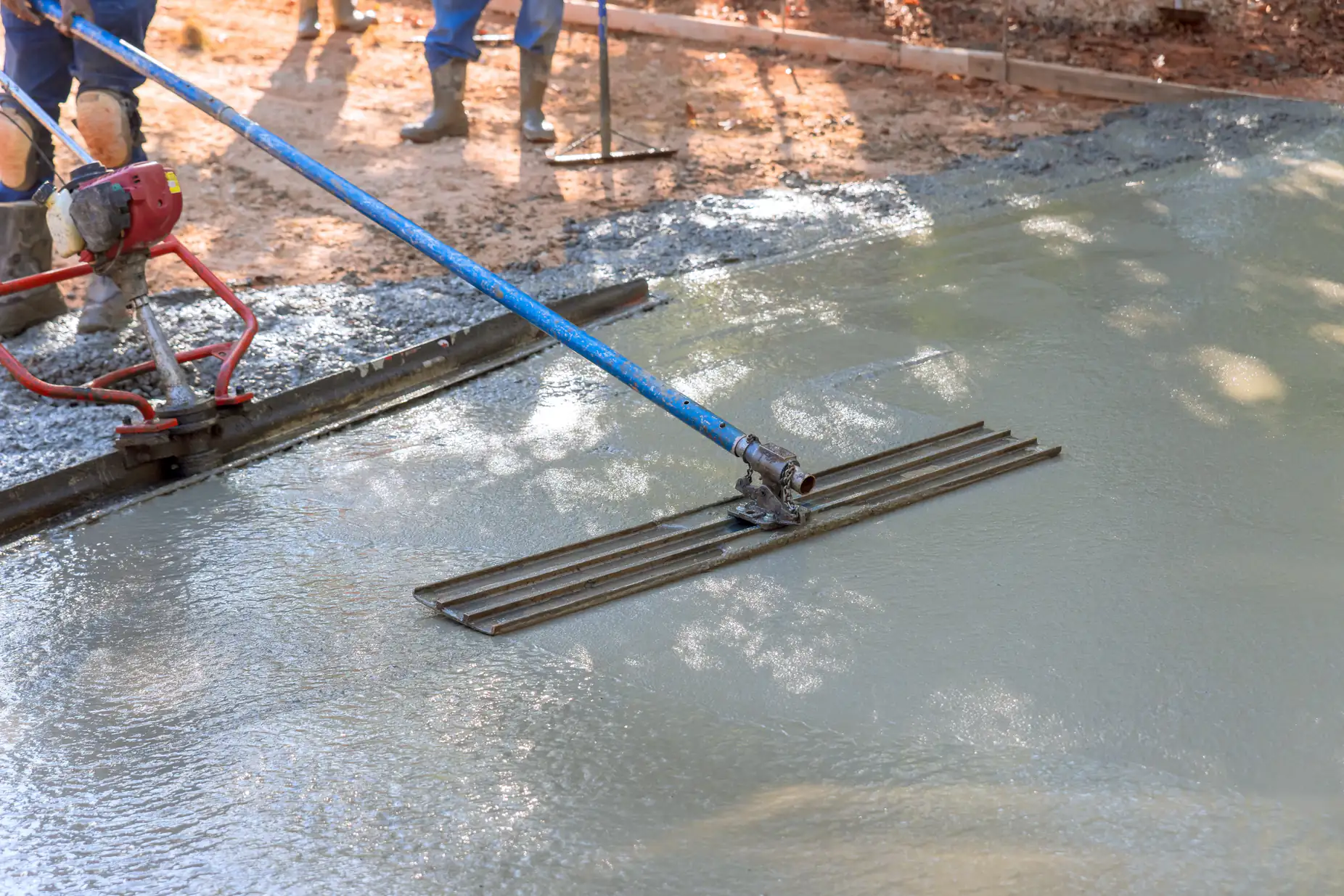
For the asphalt itself, we’re using high-grade HMA applied at temperature. The thickness depends on your use—residential driveways get different specs than commercial parking lots that see truck traffic. We also handle concrete work with rebar reinforcement, not the thin pours that crack the first winter. If you want decorative stamped patterns, we do that too.
You get upfront pricing before work starts. No surprise charges because we “found something” halfway through.
You’re looking at 20-30 years if the installation is done right. That means proper base preparation, adequate thickness, and correct compaction. Most driveways that fail early didn’t fail because of the asphalt—they failed because of what’s underneath it.
New Jersey’s freeze-thaw cycles are brutal. When water gets under your pavement and freezes, it expands and destroys the base. That’s why drainage and compaction matter more than the asphalt brand. If water can’t get under your driveway, it can’t destroy it.
The other factor is maintenance. Sealcoating every 3-5 years extends life significantly. It’s not just cosmetic—it prevents water infiltration and UV damage that breaks down the binder. Most Mountain Lakes homeowners who stay on top of basic maintenance get 25+ years from a quality installation.
The base preparation. Cheap contractors excavate 6 inches when your soil needs 12. They skip compaction steps because it takes time. They use whatever base material is cheapest that week instead of engineered stone.
You’ll also see differences in asphalt thickness. A quality residential driveway gets 3-4 inches of compacted asphalt over a proper base. Cheap jobs might give you 2 inches over inadequate base material. That driveway will fail within 3-5 years.
Equipment matters too. Proper paving requires commercial rollers, pavers that maintain temperature, and trucks that deliver hot mix at the right spec. When you see a crew doing driveways with hand tools and a small roller, that’s not a quality installation. The price difference isn’t profit—it’s the cost of doing it correctly so you’re not repaving in five years.
Late spring through early fall gives you the best results. You need consistent temperatures above 50°F for proper compaction and curing. Asphalt installed in cold weather doesn’t compact correctly, which means premature failure.
Summer is ideal because the asphalt stays workable longer in warm weather. Your crew has more time to achieve proper compaction and finish work. The material bonds better at higher temperatures.
That said, if your driveway is failing now and it’s early spring, waiting until summer might mean more damage. Sometimes you need to move forward in less-than-ideal conditions to prevent bigger problems. We’ll tell you honestly whether waiting makes sense for your situation or if the current damage justifies proceeding. Most Mountain Lakes projects happen between April and October when weather cooperates consistently.
Yes, but not immediately. New asphalt needs 6-12 months to cure before sealcoating. After that, you’re looking at every 3-5 years depending on exposure and traffic.
Sealcoating isn’t just cosmetic. It prevents water from penetrating the surface and protects against UV damage that breaks down the asphalt binder. In New Jersey, where we get heavy rain and harsh sun, that protection extends your driveway’s life significantly.
The timing matters. Don’t sealcoat too frequently—you’ll build up layers that crack and peel. Don’t wait too long either, or you’ll have water damage that sealcoating can’t fix. When you start seeing faded color and small surface cracks, that’s your window. Most Mountain Lakes homeowners sealcoat every 3-4 years and get decades from their driveways.
Residential driveways typically run $3,000-$7,000 depending on size, access, and current conditions. If we’re excavating two feet instead of eight inches because your base failed, that changes the number. If your property has drainage issues we need to solve, that’s additional work.
Commercial parking lots are priced per square foot with consideration for thickness requirements, striping, and whether you need the work phased to keep your business accessible. A small office lot is different from a facility that sees truck traffic.
Material costs have been volatile. Oil prices directly affect asphalt costs, and that can swing 15-20% year over year. The longer you wait on a failing driveway, the more expensive the repair becomes—and the higher the risk that material costs increase. We give you upfront pricing that’s good for 30 days. After that, we need to requote based on current material costs.
Depends on what’s underneath and why it’s failing. If your current driveway has a solid base and the asphalt is just surface-worn, an overlay can work. If the base failed or you have significant cracking and settling, overlay is just expensive temporary cosmetics.
We’ll tell you honestly what your property needs. An overlay costs less upfront but won’t fix base problems. You’ll have the same issues within a few years. Full removal and reinstallation costs more now but solves the actual problem.
Most Mountain Lakes driveways that need work have base or drainage issues—not just worn asphalt. That usually means removal is the right call. We’re not going to sell you an overlay that fails in three years just to get the job. You’ll get a straight answer about what your specific driveway needs and why.