
Hear from Our Customers
You’re not paying for black stuff on your driveway. You’re paying so you don’t have to think about it for the next 15 years.
Proper asphalt installation means your driveway survives the freeze-thaw cycles that destroy half the driveways in Millington every winter. It means water drains where it should instead of pooling near your foundation. It means you’re not calling someone back in two years because the base wasn’t done right the first time.
When the work is done correctly, your driveway becomes one less thing competing for your attention. No cracks spreading across the surface every spring. No standing water after storms. No embarrassing potholes when guests pull up. Just a clean, functional surface that does its job while you focus on everything else your property demands.
We work throughout Morris, Somerset, and Sussex Counties because we understand what happens to asphalt here. The temperature swings, the moisture, the soil conditions—they’re not the same as central or south Jersey.
We’ve been handling residential and commercial paving in this area long enough to know which shortcuts come back to haunt you. When you’re working in neighborhoods where the median home value pushes three-quarters of a million dollars, the driveway can’t be an afterthought. It’s often the first thing people see, and it needs to match the investment you’ve made in everything else.
You’ll work directly with people who’ve paved hundreds of driveways within a few miles of your property. We’re licensed through the NJ Division of Consumer Affairs, carry proper insurance, and we return calls within 24 to 48 hours when you request a quote online. No runaround, no disappearing after the deposit clears.
First, we look at your existing surface and the base underneath. Most problems start below the asphalt, so we’re checking drainage, soil stability, and whether the current base can support what you’re asking it to do. If it can’t, we’ll tell you before we start—not after things start sinking.
Once we agree on scope and price, we remove the old surface if needed and prepare the base. This is the part that determines whether your driveway lasts five years or twenty. Proper compaction, correct grading for water flow, stable aggregate—this is where experience separates decent work from work that holds up.
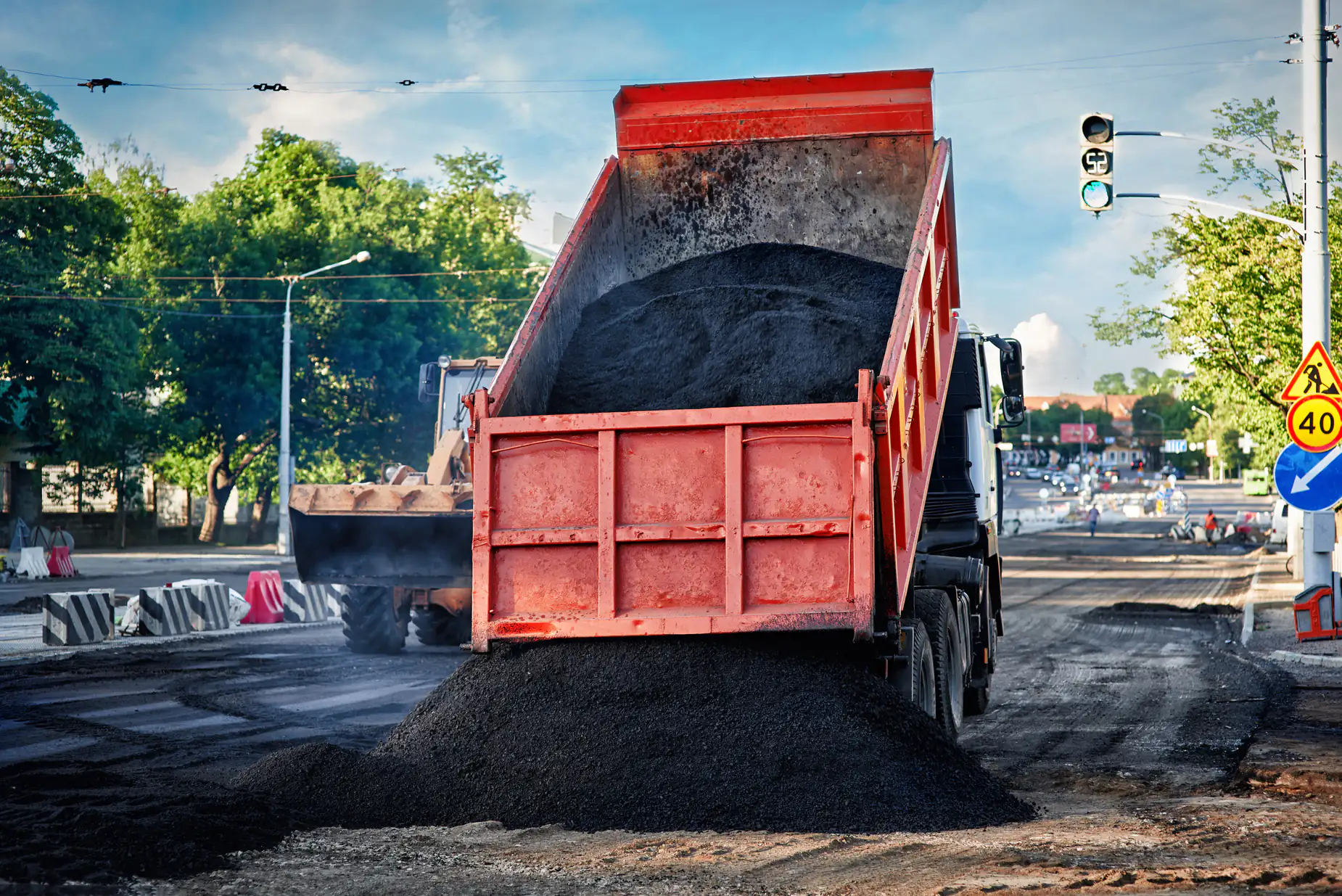
Then we install high-grade hot mix asphalt at the right temperature. Too cool and it won’t compact properly. Too hot and you risk other issues. We’re applying it at the thickness your driveway actually needs based on traffic and use, not just whatever’s cheapest. After compaction and finishing, you’ll need to stay off it for a day or two while it cures. Then it’s done, and you’re looking at years of reliable service if you handle basic maintenance like sealcoating every few years.
Ready to get started?
You’re getting more than a crew showing up with a truck of asphalt. Every job includes proper site preparation, which means dealing with drainage issues before they become your problem. We’re grading for water flow, compacting the base to prevent settling, and making sure the edges are supported so they don’t crumble in a year.
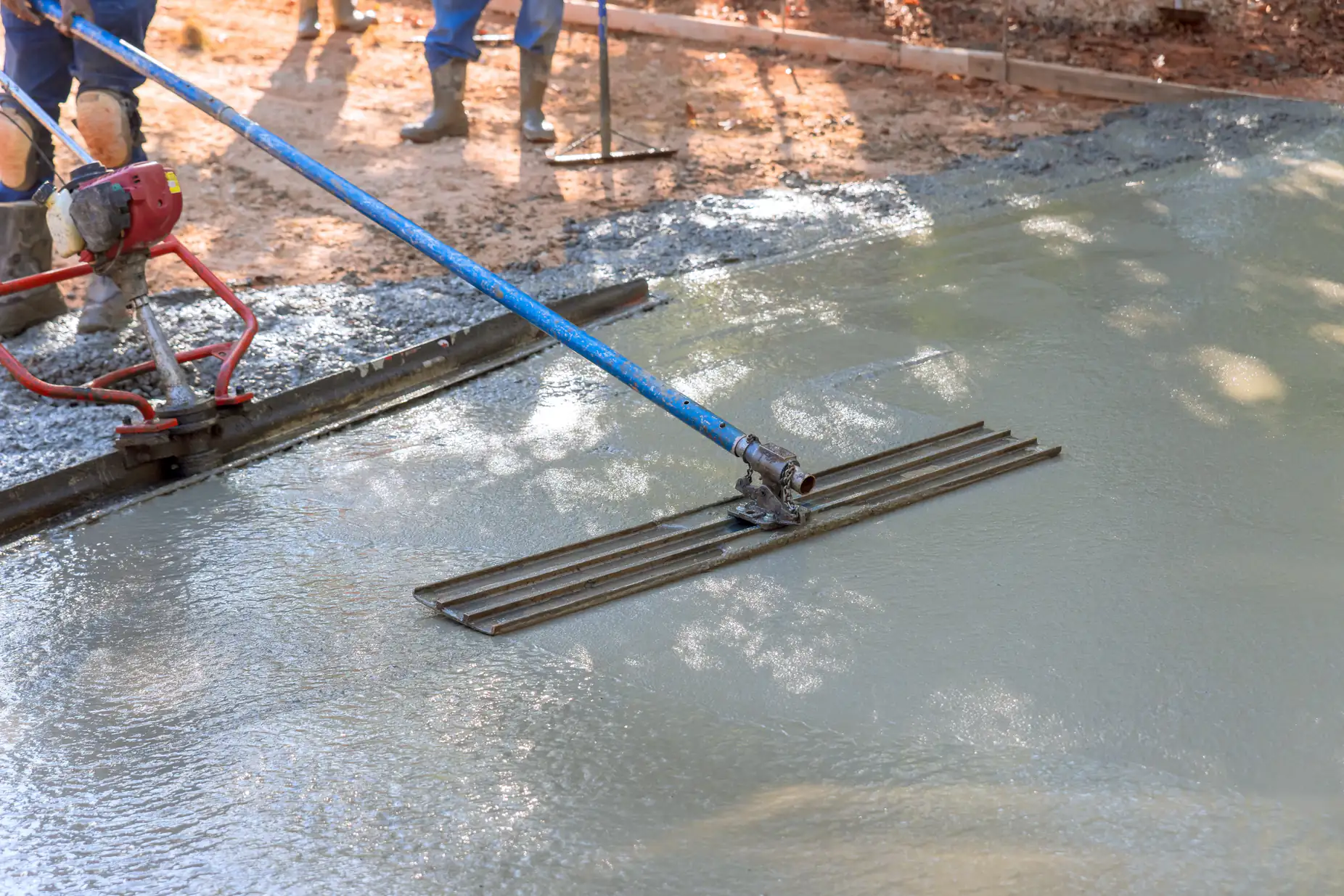
The asphalt itself is high-grade hot mix applied at proper temperature and thickness. For concrete work, we use Portland cement mixes with rebar reinforcement where needed. If you want decorative options like stamped patterns, we handle that too. The goal is a finished surface that works with your property, not against it.
In Millington and surrounding Morris County areas, you’re dealing with soil that shifts, temperatures that swing forty degrees in a day during spring, and moisture that finds every weak point in your pavement. We account for that in how we build the base and apply the surface. You also get transparent pricing up front—no surprise charges when the work’s done. And if something doesn’t look right, you’re talking to the same people who did the work, not a call center three states away.
For a standard residential driveway in Millington, you’re typically looking at $5,000 to $8,300 for asphalt, depending on size and site conditions. That’s for complete installation with proper base work, not just slapping down a layer of blacktop over whatever’s there now.
Concrete runs slightly higher—usually $5,400 to $9,800 for the same driveway—but the twenty-year cost difference is minimal when you factor in maintenance. The real cost variable isn’t asphalt versus concrete. It’s whether the base is done right. A cheap paving job with poor base preparation will cost you double within five years when you’re ripping it out and starting over.
If your driveway has drainage issues, unstable soil, or needs significant grading work, that affects price. We’ll tell you what’s required during the estimate so you’re not surprised. And if you’re getting quotes that seem too good to be true, ask what they’re doing for base prep. That’s usually where the corners get cut.
A properly installed asphalt driveway in Morris County should give you 15 to 20 years before it needs replacement. But that assumes you’re doing basic maintenance—mainly sealcoating every three to five years and filling cracks before they spread.
New Jersey’s freeze-thaw cycles are brutal on asphalt. Water gets into small cracks, freezes, expands, and turns a minor issue into a major one by spring. If you ignore maintenance, you’ll get maybe ten years before the surface is shot. If you stay on top of it, twenty years is realistic.
The base matters more than anything else. If the foundation isn’t stable and properly compacted, the asphalt on top will crack and buckle no matter how good the installation looks initially. That’s why we focus so much on base preparation—it’s the difference between a driveway that lasts and one that becomes a problem in three years.
Practically speaking, nothing. People use “asphalt” and “blacktop” interchangeably, and they’re talking about the same material—hot mix asphalt applied as a paving surface.
Technically, blacktop can refer to asphalt mixes with a higher stone content, making them slightly more durable for high-traffic areas. But for residential driveways, the distinction doesn’t matter much. What matters is the quality of the mix, the temperature during application, and how well it’s compacted.
When you’re comparing quotes from different paving companies near you, don’t get hung up on whether they call it asphalt or blacktop. Focus on what they’re doing for base preparation, what thickness they’re applying, and whether they’re using quality hot mix. Those factors determine how your driveway performs, not the terminology.
Late spring through early fall is ideal for asphalt work in New Jersey—basically May through October. Asphalt needs warm temperatures to properly compact and cure. When it’s too cold, the material doesn’t bind correctly and you end up with a weaker surface.
Summer is peak season, which means higher prices and longer waits. If you can schedule for late spring or early fall, you’ll often get better availability and sometimes better pricing. Just avoid pushing it too late in the season. Once temperatures consistently drop below 50 degrees, quality suffers.
One thing to know: asphalt prices tend to rise throughout the season as demand increases and supply tightens. If you’re planning a project, getting it scheduled early in the season can save you money. And if you’re seeing cracks or damage in the fall, get them patched before winter. Small problems become expensive problems once freeze-thaw cycles start working on them.
Usually not for simple repaving, but it depends on what you’re doing. If you’re replacing asphalt with asphalt in the same footprint, most municipalities in Morris County don’t require a permit. But if you’re expanding the driveway, changing drainage patterns, or doing major grading work, you might need approval.
Local regulations vary between towns, and some have specific requirements about how close paving can come to property lines or how water runoff must be managed. We’re familiar with the requirements in Millington and surrounding areas, so we’ll flag anything that needs attention during the estimate.
The bigger issue is making sure whoever does your work is properly licensed and insured. New Jersey requires home improvement contractors to register with the Division of Consumer Affairs. If something goes wrong and your contractor isn’t properly licensed, you could end up liable. Always verify licensing before you sign anything, and make sure they carry insurance that protects you if someone gets hurt on your property during the work.
If you’re seeing surface cracks and minor wear but the driveway is still structurally sound, repairs and sealcoating can buy you several more years. But if you’ve got widespread cracking, potholes, significant settling, or areas where the base is failing, replacement makes more sense than throwing money at patches.
Here’s a quick test: look at the cracks. If they’re thin surface cracks, that’s normal aging and can be managed with maintenance. If they’re wide enough to fit a finger in, or if chunks of asphalt are breaking away, the base is probably compromised. At that point, patching is just delaying the inevitable.
Also consider age. If your driveway is already 15 to 20 years old and showing multiple problems, replacement is usually the better investment. You’ll spend less overall than trying to patch and repair a failing surface for another five years. We’ll give you an honest assessment when we look at your driveway—sometimes repair makes sense, sometimes it doesn’t. But we’re not going to sell you a full replacement if patching will legitimately solve your problem.