
Hear from Our Customers
You know the routine. Winter ends, you walk outside, and there’s another crack running through your driveway. Water gets in, freezes overnight, expands, and turns a hairline crack into a canyon. Morris County sees 55 to 75 freeze-thaw cycles every winter, and each one does damage if your driveway wasn’t installed right from the start.
Proper asphalt work handles this. The material flexes when temperatures swing. It expands and contracts without splitting apart like concrete does. But only if the base is right, the drainage works, and the asphalt itself goes down at the correct temperature and thickness.
When you skip those steps, you’re looking at failure in one to two years. Then you’re paying for patches, resurfacing, or full replacement. A 600-square-foot driveway runs $2,400 to $4,800 when done correctly. Emergency repairs and replacements cost more, and you lose time dealing with contractors who should’ve done it right the first time.
We’ve spent over 20 years working in Morris, Sussex, and Somerset County. We’re not new to how winters work here. We’ve seen what happens when contractors cut corners, and we’ve fixed plenty of driveways that failed because someone skipped the base prep or used cold asphalt.
You’re hiring a local asphalt contractor who shows up, does the work correctly, and doesn’t disappear when problems come up. We’re licensed and insured, and we guarantee callbacks within 24 to 48 hours when you request a quote online. Mendham homeowners deal with the same weather challenges as the rest of Morris County—heavy snow, ice, and constant temperature swings. Your driveway needs to handle that, and our job is making sure it does.
First, we excavate to the right depth. That means removing old asphalt or damaged material and getting down to stable soil. Skipping this step is where most cheap jobs fail.
Next, we install a compacted stone base. This is what supports your driveway and handles drainage. Water needs somewhere to go, or it sits there and freezes. A proper base prevents settling, cracking, and the kind of damage that shows up after one winter.
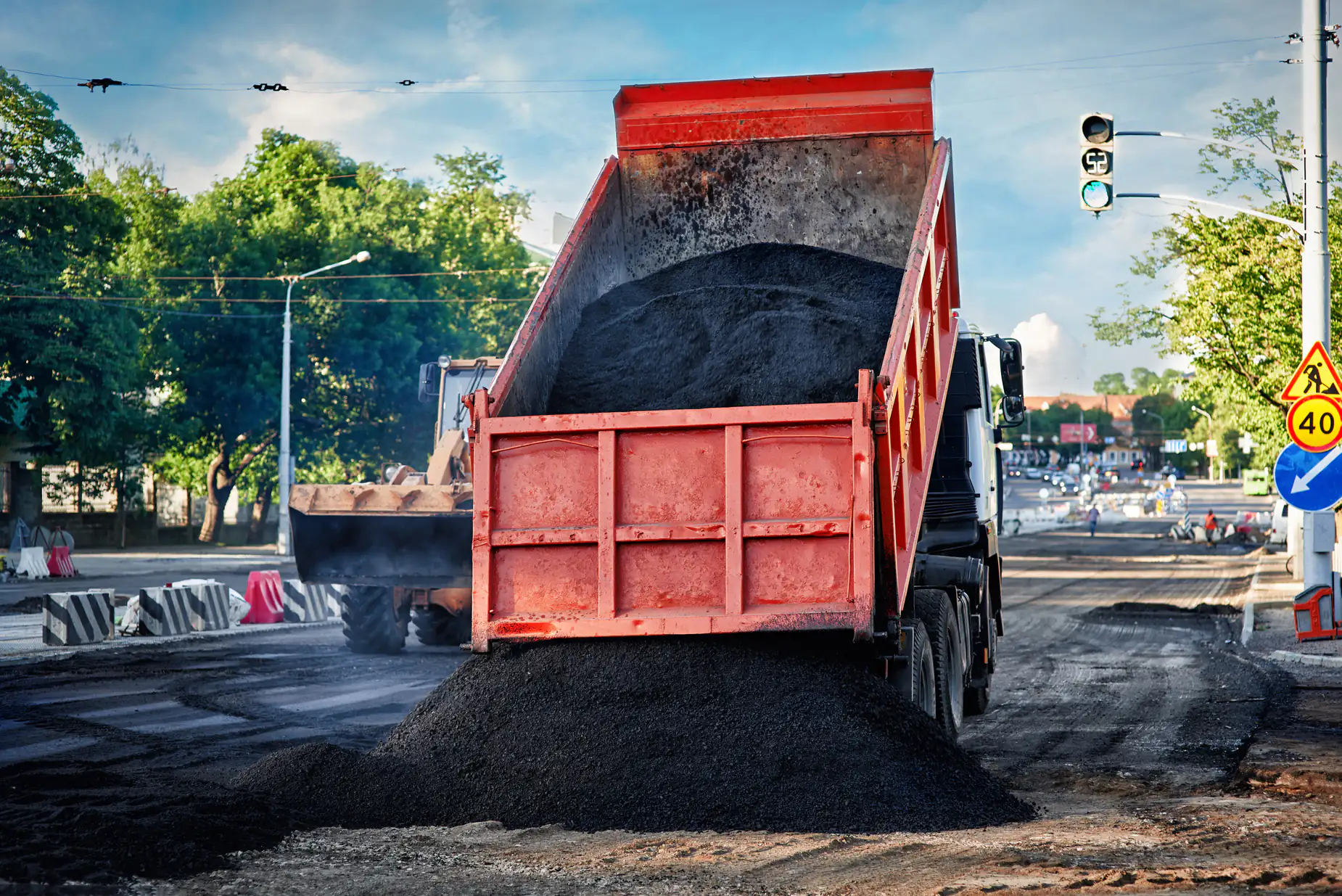
Then we apply high-grade hot mix asphalt at the correct temperature. Cold asphalt doesn’t compact right. It leaves gaps where water gets in. We use the right thickness for your specific application—whether that’s a residential driveway, a commercial parking lot, or a high-traffic area that needs extra durability.
Finally, we compact everything and make sure the surface is smooth and properly graded. You’ll have a driveway that drains correctly, handles freeze-thaw cycles, and lasts 20 to 50 years with basic maintenance like sealcoating every few years.
Ready to get started?
You’re getting a full driveway or parking lot installation that’s built for Morris County’s climate. That includes excavation, stone base installation, proper drainage setup, and hot mix asphalt applied at the thickness your project needs. We also handle resurfacing if your current driveway has a solid base but the surface is worn.
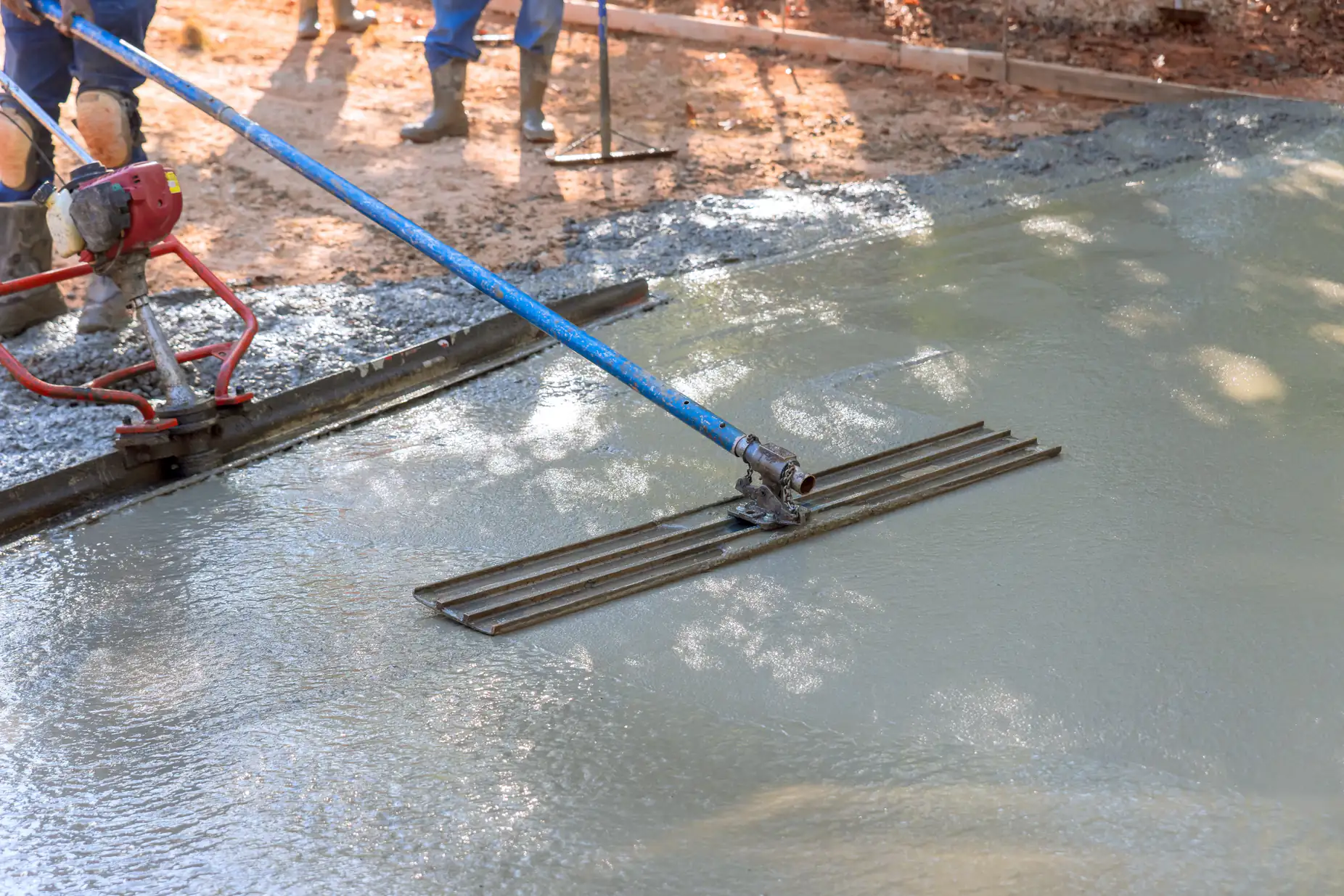
Mendham properties often have longer driveways and more complex grading than other areas. We account for that. If your property has drainage issues, we address them before laying asphalt. If you need decorative options, we offer stamped concrete with patterns that add curb appeal without sacrificing durability.
We also provide sealcoating to protect your investment after installation. Sealcoating fills small cracks, blocks water penetration, and extends the life of your asphalt. It’s a simple step that prevents expensive repairs down the line. You’ll get clear, upfront pricing with no surprise charges, and we stick to the timeline we give you. Most projects finish on schedule, and you’ll know exactly what’s happening at every step.
A properly installed asphalt driveway lasts 20 to 50 years in Morris County if you maintain it. That means sealcoating every two to three years and filling cracks before they turn into bigger problems. The key is proper installation—if the base isn’t right, you’ll see failure in one to two years regardless of the asphalt quality.
Morris County winters are tough. You’re dealing with dozens of freeze-thaw cycles where water seeps into small cracks, freezes overnight, and expands. Ice takes up about 9% more space than water, and that force breaks asphalt apart from the inside. A solid stone base and correct drainage prevent water from sitting under your driveway, which is what causes most winter damage.
Cheap installations skip the base work. They’ll lay asphalt over unstable soil or damaged material, and it fails fast. You end up paying for a full replacement within a few years instead of getting decades of use from a driveway that was done right the first time.
Asphalt handles freeze-thaw cycles better than concrete because it flexes. When temperatures drop and the ground shifts, asphalt expands and contracts without cracking. Concrete is rigid, so it cracks when the ground moves or when water freezes inside it. That’s a big deal in Morris County where you’re getting 55 to 75 freeze-thaw cycles every winter.
Asphalt also melts snow and ice faster. The dark surface absorbs heat from the sun, so you’re dealing with less ice buildup compared to concrete. That means safer conditions and less time shoveling or salting your driveway.
Cost-wise, asphalt is usually cheaper upfront. A 600-square-foot driveway runs $2,400 to $4,800 depending on thickness and site prep. Concrete costs more and requires different maintenance. Both need care, but asphalt is more forgiving in climates like ours where winter does real damage every year.
It depends on the condition of your base. If you have widespread cracking, potholes, or areas where the driveway is sinking, your base is probably failing. That means you need full replacement—resurfacing won’t fix structural problems underneath.
If your driveway has surface wear, minor cracking, or fading but the base is still solid, resurfacing works. We’ll add a new layer of asphalt over the existing surface, which gives you a fresh driveway without the cost of full excavation and base replacement. Resurfacing is faster and cheaper when the foundation is still good.
The only way to know for sure is an inspection. We’ll look at drainage, check for settling, and assess how deep the damage goes. If water is pooling on your driveway or if cracks are wider than a quarter-inch, that’s a sign of bigger issues. We’ll tell you what’s actually needed instead of upselling you on work you don’t need.
Because they’re skipping steps. The cheapest quote almost always means no proper base prep, thin asphalt, or cold material that doesn’t compact right. You’ll save money upfront and pay double when the driveway fails in a year or two.
Proper excavation and stone base installation take time and cost money. So does using hot mix asphalt at the right temperature and thickness. Contractors who lowball the price are either using substandard materials, skipping the base work entirely, or laying asphalt that’s too thin to hold up. Some will even show up with “leftover asphalt” from another job, which sounds like a deal until you realize it’s cold and won’t bond properly.
You’re also paying for insurance and licensing. If a worker gets hurt on your property and the contractor isn’t insured, you’re liable. If the work fails and they’re not licensed, you have no recourse. Cheap jobs come with risk, and that risk costs you more in the long run when you’re paying for repairs or full replacement.
Late spring through early fall. Asphalt needs warm temperatures to cure properly, and you want to give it a full warm season to set before winter hits. Spring installations are ideal because your driveway has all summer and fall to cure, which means it’s fully hardened before the first freeze.
Fall works too, but you’re cutting it closer. If temperatures drop too early, the asphalt won’t cure completely, and you risk damage from freeze-thaw cycles before the material is fully set. We don’t install in winter because cold temperatures prevent proper compaction and curing.
If you’re planning a project, reach out in early spring. That gives us time to schedule your job during optimal conditions, and you’re not waiting until late summer when contractors are booked solid. Morris County weather is unpredictable, so the earlier you plan, the better your chances of getting the project done when conditions are right.
Yes, and every two to three years. Sealcoating protects asphalt from water, UV damage, and chemicals like road salt. It fills small cracks before they turn into big ones, and it keeps your driveway looking clean instead of faded and worn.
Water is the biggest threat to asphalt in New Jersey. When it seeps into small cracks and freezes, it expands and breaks the asphalt apart. Sealcoating blocks water from getting in, which prevents freeze-thaw damage and extends the life of your driveway by years. It also makes snow removal easier because the smooth surface doesn’t catch on plow blades.
You should wait at least six months after installation before applying the first sealcoat. That gives the asphalt time to cure fully. After that, plan on sealcoating every two to three years depending on traffic and weather exposure. It’s a small cost compared to resurfacing or replacement, and it’s the easiest way to protect your investment.