
Hear from Our Customers
A driveway installed right doesn’t crack after the first winter. It drains water away from your foundation instead of pooling near your garage. The surface stays smooth enough that you’re not worried about liability or vehicle damage.
Most paving problems start during installation, not years later. When the base isn’t compacted correctly or drainage isn’t planned for, you’ll see settling within months. Water finds its way under the surface, freezes, expands, and creates the cracks and potholes that turn into expensive problems.
You get a surface engineered for New Jersey weather. That means proper slope for drainage, a compacted base that won’t settle, and hot mix asphalt applied at the right temperature. The kind of work that lasts 15-20 years instead of needing repairs in year three.
We handle residential driveways and commercial parking lots across Morris, Sussex, and Somerset County. We’re licensed, insured, and based locally, which means we know exactly what New Jersey weather does to pavement.
When you request a quote, you’ll hear back from us within 24-48 hours. We’ll evaluate your site, check drainage patterns, and give you a written estimate that breaks down materials, labor, and timeline. No pressure, no surprises, just clear information so you can make the right call.
We’re not the cheapest option, and that’s intentional. You’re paying for base prep that prevents settling, materials that resist cracking, and crews that show up when they say they will.
First, we evaluate your property. We look at the existing surface, drainage issues, soil conditions, and how you’ll use the space. If there are problems that need addressing before we pave, we’ll tell you upfront.
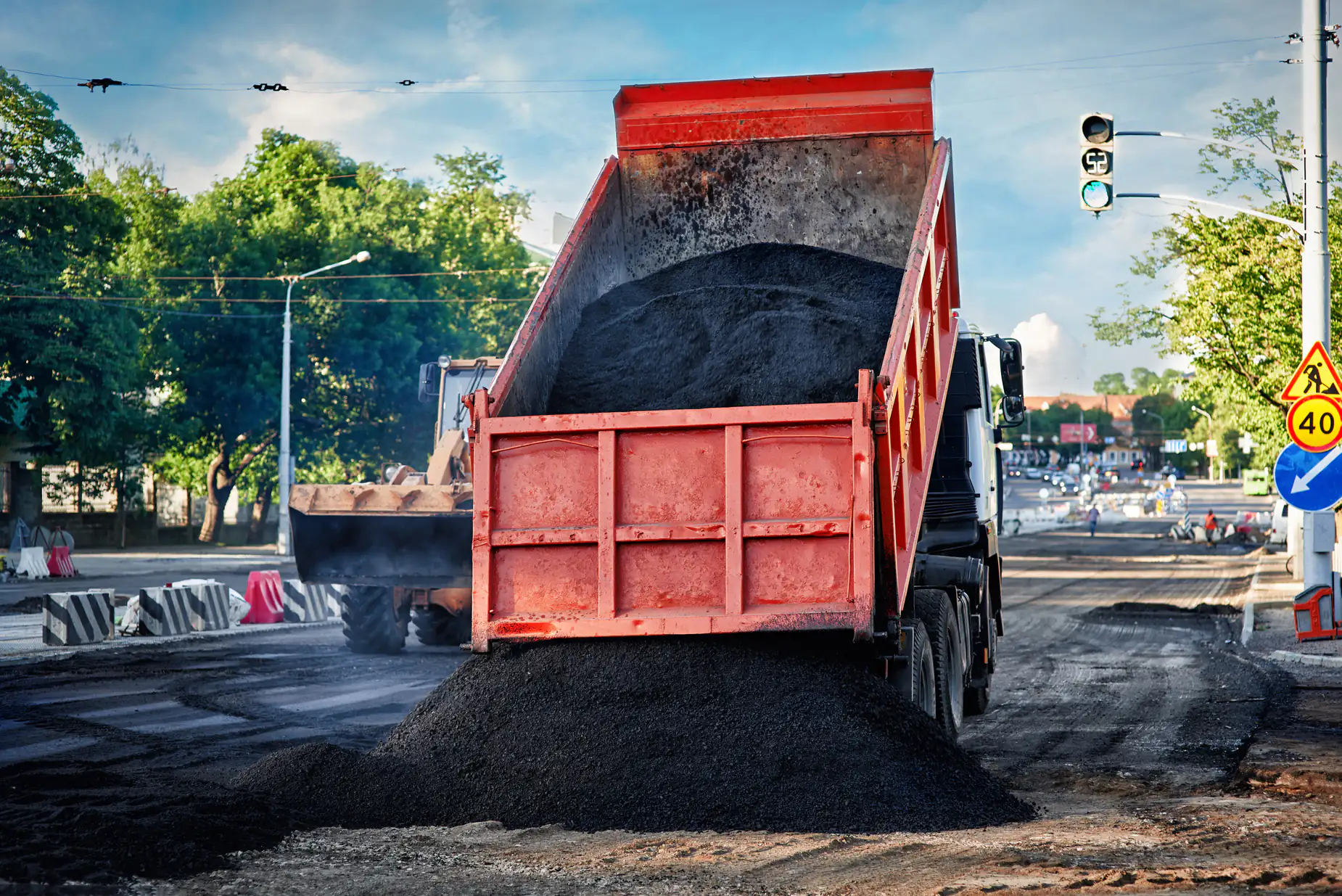
Next comes site prep. We remove the old surface if needed, grade for proper drainage, and build a compacted base. This step determines whether your pavement lasts two years or twenty. Shortcuts here cost you later.
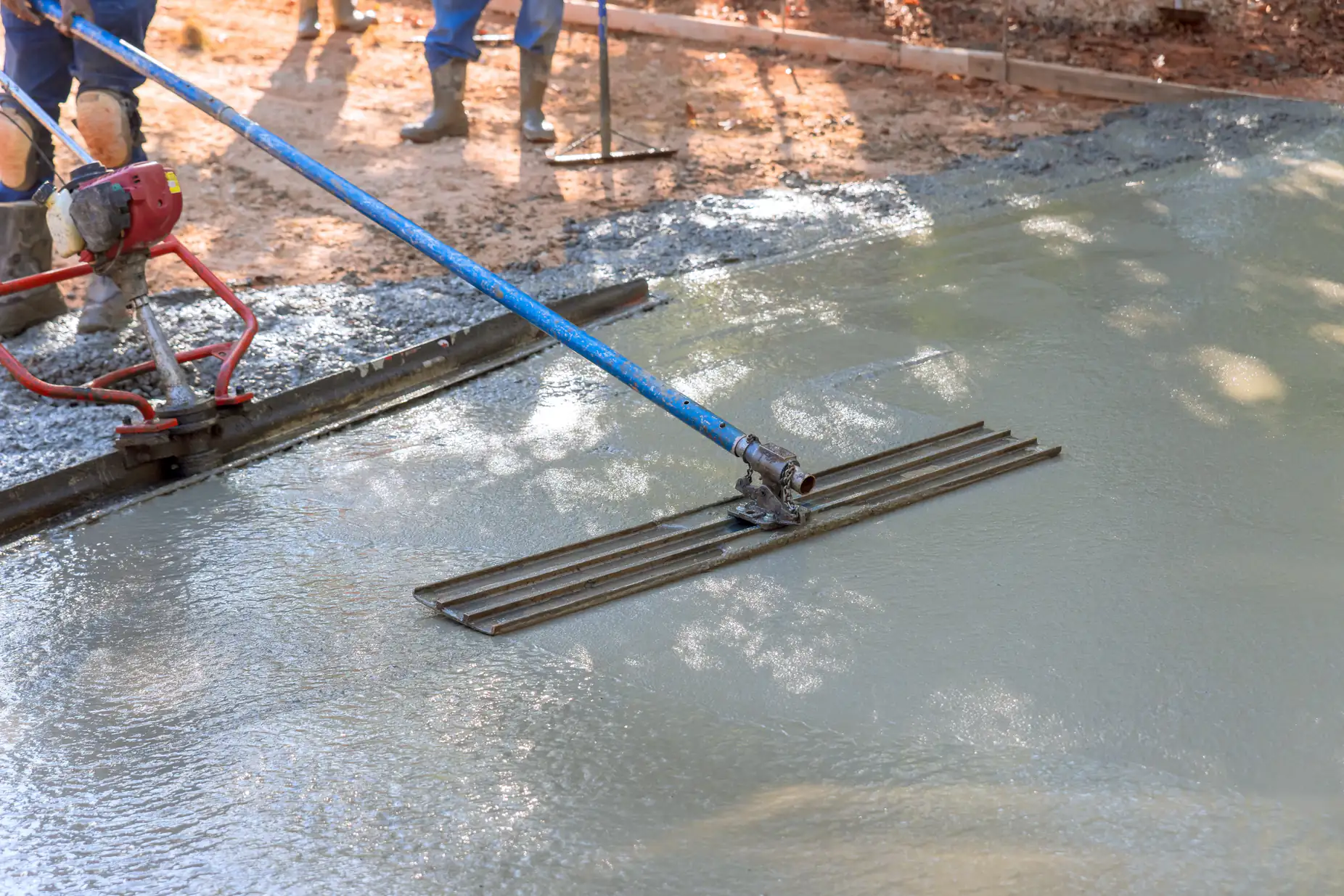
Then we install the asphalt or concrete. For asphalt, we use high-grade hot mix applied at the proper temperature and compacted correctly. For concrete, we use Portland cement mixes with rebar reinforcement. Both get finished to the right grade and slope.
The final step is curing. Asphalt needs 24-48 hours before you can drive on it. Concrete takes longer, usually 7 days for full strength. We’ll give you specific instructions based on your project and weather conditions.
Ready to get started?
Every job starts with a site evaluation and written estimate. You’ll know what we’re doing, why we’re doing it, and what it costs before work begins.
We handle permits and municipal requirements for Martinsville and surrounding Somerset County areas. Different towns have different rules about setbacks, drainage, and permits. We navigate that process so you don’t have to.
The work includes complete site prep, proper base installation, and professional paving with quality materials. We also address drainage issues that could cause problems later. If water isn’t directed away from your foundation and off your pavement, you’ll have issues no matter how good the installation is.
Martinsville properties often deal with clay soil that holds water and shifts with freeze-thaw cycles. We account for local soil conditions during base prep. That extra attention prevents the settling and cracking that happens when contractors treat every site the same.
A properly installed asphalt driveway should last 15-20 years in New Jersey with basic maintenance. That means sealcoating every 2-3 years and addressing small cracks before they spread.
The lifespan depends almost entirely on installation quality. If the base isn’t compacted correctly or drainage isn’t planned for, you’ll see problems within the first few years. Freeze-thaw cycles are brutal on poorly installed pavement.
Weather plays a role too. New Jersey winters with repeated freezing and thawing test every driveway. Water gets into small cracks, freezes, expands, and makes those cracks bigger. Proper installation and maintenance keep that cycle from destroying your investment.
Asphalt costs less upfront and handles freeze-thaw cycles better, which matters in New Jersey. It’s flexible, so it moves slightly with temperature changes instead of cracking. You’ll need to sealcoat it every few years to maintain protection.
Concrete costs more initially but lasts longer with less maintenance. It handles heavy loads well and you can add decorative stamped patterns. The tradeoff is that concrete cracks more easily in our climate if it’s not installed with proper joints and reinforcement.
For most residential driveways in Martinsville, asphalt makes more sense. It’s cost-effective, durable in our weather, and easier to repair if problems develop. Commercial properties with heavy traffic often choose concrete for the longer lifespan and lower maintenance over time.
Spring through fall gives you the best conditions for asphalt work. We recommend scheduling between April and October when temperatures stay consistently above 50°F and rain is less frequent.
Asphalt needs to be applied hot and compacted properly. Cold weather makes that difficult. The material doesn’t bond as well, compaction suffers, and you end up with a surface that won’t last. We won’t install asphalt when temperatures drop below 50°F.
Summer and early fall are ideal. The ground is dry, temperatures are warm, and the asphalt cures properly. If you’re planning work, contact us in early spring. We book up fast during peak season, and waiting until summer might push your project into late fall when weather becomes unpredictable.
Most residential driveways in Martinsville run between $3,000 and $10,000 depending on size, condition, and site challenges. A standard two-car driveway averages around $5,000-$7,000 for complete removal and replacement.
Several factors affect price. If we’re removing old pavement and hauling it away, that adds cost. Drainage problems that need fixing before we pave add cost. Difficult access or site conditions add cost. The only way to get an accurate number is a site evaluation.
Asphalt prices fluctuate with oil costs. In 2021, liquid asphalt hit $460 per ton, and prices have continued rising. That’s why quotes from six months ago might not reflect current costs. We give you current pricing based on today’s material costs, and we honor our quotes once you approve them.
Most driveway replacements in Martinsville don’t require permits if you’re repaving within the existing footprint. If you’re expanding the driveway, changing drainage patterns, or working near the street, you’ll likely need approval from the township.
Somerset County has specific requirements about stormwater management and impervious surfaces. If your project increases the paved area beyond certain thresholds, you’ll need to address drainage. These rules exist to prevent flooding and protect water quality.
We handle permit research and applications as part of our service. We’re familiar with Martinsville’s requirements and can navigate the process efficiently. If permits are needed, we’ll tell you upfront and factor that timeline into the project schedule.
If more than 30% of your driveway shows damage, replacement usually makes more sense than repairs. Widespread cracking, significant settling, or multiple potholes indicate base failure, and patching won’t fix that.
Small cracks and minor surface damage can be repaired cost-effectively. Sealcoating protects against further deterioration. But if water is pooling, the surface is uneven, or you’re seeing alligator cracking (interconnected cracks that look like reptile skin), the base has failed.
The best approach is an honest evaluation. We’ll look at your driveway, explain what’s happening underneath, and give you options. Sometimes a repair buys you a few more years. Sometimes it’s throwing money at a problem that needs a real solution. We’ll tell you which situation you’re in.