
Hear from Our Customers
Most driveways in Madison fail because of what you can’t see. Poor drainage. Thin base layers. Asphalt applied when it’s too cold. You end up with cracks by spring and potholes by next winter.
When the work’s done right, your driveway handles the 40% more freeze-thaw cycles North Jersey gets compared to Central and South Jersey. Water doesn’t pool. Ice doesn’t expand inside cracks and push the surface apart. You’re not calling someone back in six months because the “repair” didn’t hold.
Proper installation means excavation to the right depth, a compacted base that won’t shift, hot mix asphalt applied at the correct temperature, and grading that moves water away from your foundation. It’s not complicated, but it has to be done in order. Skip a step and you’re looking at a short lifespan and expensive fixes down the road.
We’ve worked in Madison and across Morris County for more than two decades. We’re not the cheapest option, and we don’t try to be. You’re paying for a crew that shows up when scheduled, uses the right materials for New Jersey’s climate, and finishes the job without surprise charges.
We handle residential driveways, commercial parking lots, repairs, sealcoating, and full replacements. Our team knows Madison’s soil conditions, drainage requirements, and what actually holds up here. We’re licensed, insured, and we’ve seen what happens when contractors cut corners. That’s not how we operate.
If you want it done fast and cheap, we’re not your company. If you want it done right the first time, we should talk.
First, we evaluate your property and talk through what you actually need. Not every driveway needs a full replacement. Sometimes crack repair and sealcoating buy you another five years. We’ll tell you what makes sense.
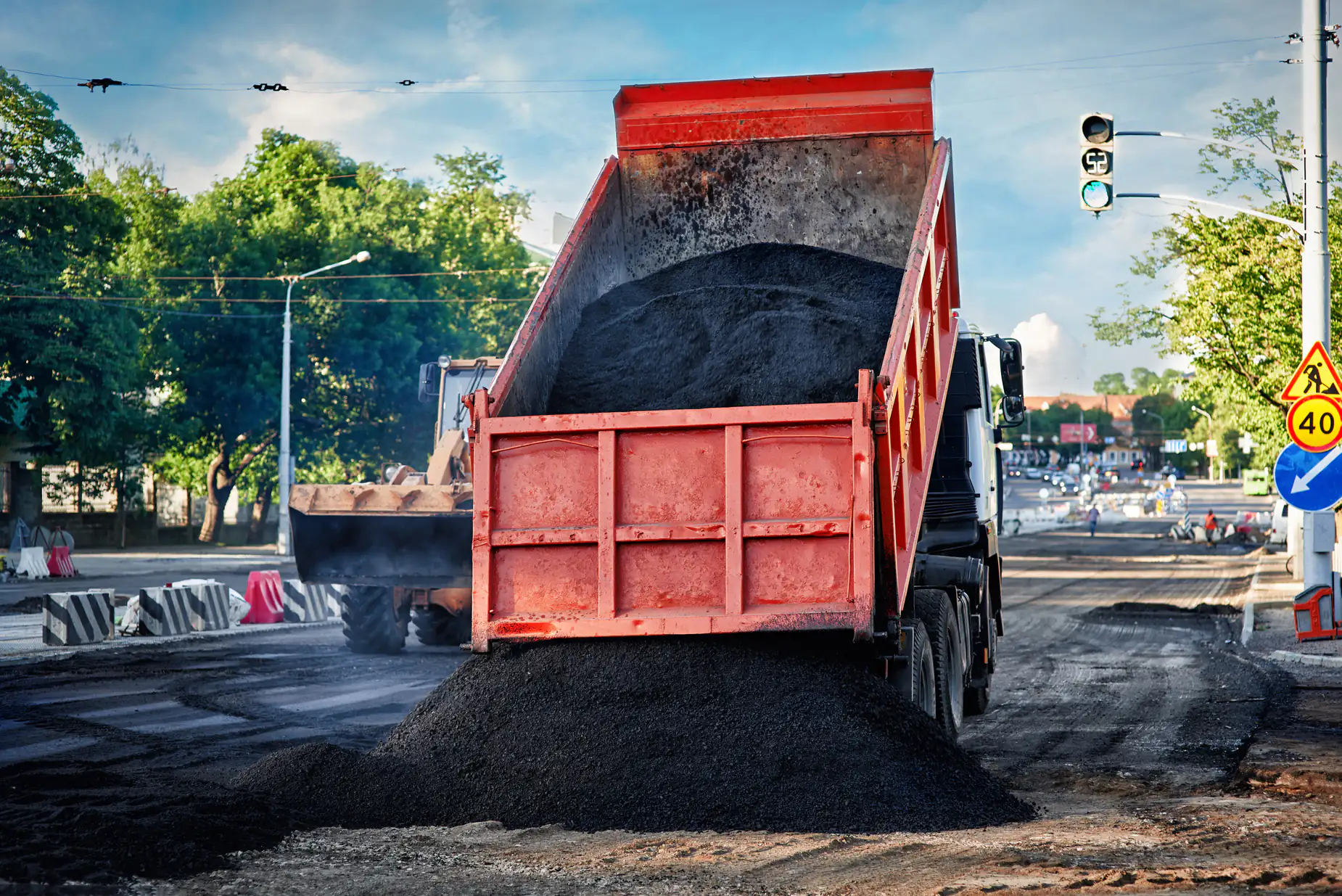
If you’re moving forward with new asphalt, we start with excavation and grading. The base has to be right or nothing else matters. We use the correct depth for your soil type and compact it properly so it doesn’t settle or shift. Then we install hot mix asphalt at the right temperature, using materials designed for freeze-thaw conditions.
We grade for drainage so water moves away from your home or building. We compact the surface to the proper density. If it’s a parking lot, we handle line striping and ADA-compliant spaces. Then we clean up and walk you through maintenance so you get the most life out of the surface.
You’ll get an upfront quote detailing the work. No surprise charges. We aim to finish on schedule because your time matters. If something changes, we tell you before we do the work, not after.
Ready to get started?
Every project includes site evaluation, excavation to the proper depth, base preparation with compaction, and hot mix asphalt installation. We handle grading for drainage, which is critical in Madison where heavy rain and snowmelt need somewhere to go besides your foundation.
For parking lots, we include line striping, ADA-compliant accessible spaces, and any necessary curbing or transitions. For driveways, we make sure the slope works with your garage and doesn’t create ice patches in winter.
Madison’s winters are tough on asphalt. You’re dealing with freeze-thaw cycles that create 30,000 psi of pressure when water freezes inside cracks. That’s why we use high-grade hot mix asphalt with the right aggregate and bitumen binder for this climate. It’s not about using the most expensive materials. It’s about using the right ones for North Jersey conditions.
We also offer sealcoating, which should be done every two to three years to protect the surface from UV damage, water penetration, and chemical exposure. Crack repair runs a few hundred dollars and prevents the kind of structural damage that costs thousands to fix. Most homeowners in Morris County ignore small cracks in November and regret it by March.
With proper installation and regular maintenance, you’re looking at 15 to 20 years, sometimes longer. That assumes the base was installed correctly, the asphalt was applied at the right thickness and temperature, and you’re sealcoating every two to three years.
Most driveways in Madison don’t make it that long because the installation was rushed or the base wasn’t prepared properly. If the contractor skips excavation or doesn’t compact the base, you’ll see settling and cracking within a few years. North Jersey’s freeze-thaw cycles are unforgiving. Water gets into small cracks, freezes, expands, and breaks the surface apart. By spring, you’re looking at potholes.
Sealcoating protects the surface from water, UV rays, and chemicals like oil or salt. It’s not optional if you want to hit that 20-year mark. Crack repair is the same. A few hundred dollars spent on filling cracks now saves you thousands in structural repairs later. The material cost of asphalt has been climbing steadily, so replacement is only getting more expensive.
An overlay means applying new asphalt over your existing driveway. A full replacement means tearing out the old surface, fixing the base, and starting fresh. Overlays are cheaper and faster, but they only work if the existing base is still solid.
Here’s the problem: most overlays fail within two years because contractors don’t address the underlying issues. If your current driveway has drainage problems, cracks from a shifting base, or structural damage, an overlay just covers it up temporarily. You’ll see the same cracks reappear because the base is still moving underneath.
A full replacement costs more upfront, but it fixes the actual problem. We excavate, regrade for proper drainage, install a compacted base, and then lay new asphalt. If your driveway has significant cracking, potholes, or pooling water, replacement is the smarter move. If the surface is just worn but the base is solid, an overlay might make sense. We’ll tell you which one your driveway actually needs, not which one makes us more money.
Late spring through early fall. Asphalt needs warm temperatures to cure properly. In New Jersey, that means roughly mid-April through mid-October. Outside that window, temperatures fluctuate too much and the asphalt doesn’t compact or cure the way it should.
Sealcoating has the same seasonal window. The pavement needs to be dry, and temperatures need to stay above 50 degrees for at least 24 hours after application. If it’s too cold or wet, the sealant won’t bond properly and you’ve wasted your money.
Winter is when most damage happens, but it’s also when we can’t fix it. December through mid-March is off-peak for paving companies in the Mid-Atlantic because temperatures swing between freezing and thawing. That’s also when your driveway is taking the most abuse. If you’re seeing small cracks in the fall, get them filled before winter. If you wait until spring, those cracks will be three times bigger and the repair will cost more. Most Madison homeowners call us in April after the damage is done. The smarter move is calling in September.
Residential driveways typically run $3 to $7 per square foot depending on the condition of the existing surface, how much excavation is needed, and the thickness of asphalt you’re installing. A standard two-car driveway might cost anywhere from $3,000 to $7,000 for a full replacement.
Repairs are cheaper. Crack filling usually costs $100 to $400. Patching runs $100 to $500. Resurfacing an existing driveway costs $500 to $2,000 depending on size. New Jersey prices run about 15% to 25% higher than the national average because of labor costs and the fact that our climate requires more durable materials and thicker applications.
Commercial paving costs about the same per square foot but scales up quickly depending on the size of the lot, site conditions, and whether you need striping, ADA-compliant spaces, or curbing. The cost of asphalt has been climbing. In 2016, the average cost per ton was $299. By 2021, it hit $460. That trend hasn’t reversed, so waiting doesn’t usually save you money. If your driveway needs work, the longer you wait, the more expensive it gets.
Yes, if you want it to last. Sealcoating protects asphalt from water, UV damage, and chemicals like oil and salt. It fills small surface cracks and prevents water from seeping in and causing freeze-thaw damage. Without it, your driveway will deteriorate faster and need replacement sooner.
You should sealcoat every two to three years in New Jersey. The first application should happen about a year after installation, once the asphalt has fully cured. After that, it’s maintenance. The cost is a few hundred dollars depending on the size of your driveway, and it extends the life of the surface by years.
Before sealcoating, the surface needs to be clean. Leaves, dirt, and debris trap moisture, which weakens the asphalt and prevents the sealant from bonding properly. We clean the surface, fill any cracks, and then apply the sealant. It needs at least 24 hours to cure, and you can’t drive on it during that time. Most homeowners in Madison skip sealcoating because it seems optional. It’s not. It’s the difference between a driveway that lasts 20 years and one that needs replacement in 10.
Freeze-thaw cycles, poor drainage, and a weak base. Madison gets hit harder by winter than most people realize. Water seeps into small cracks, freezes, expands with 30,000 psi of force, and pushes the asphalt apart. When it thaws, the water goes deeper. The cycle repeats all winter and by spring, you’ve got serious damage.
Poor drainage makes it worse. If water pools on your driveway, it’s constantly working its way into the surface. Over time, it weakens the base and causes settling, which leads to more cracks. A proper installation includes grading so water moves off the driveway and away from your foundation.
A weak or improperly compacted base is the other major cause. If the base shifts or settles, the asphalt on top cracks. This happens when contractors skip excavation, don’t compact the base material, or use the wrong depth for the soil type. You can’t fix base problems with a surface repair. You need to tear it out and start over. That’s why installation matters more than anything else. Get it right the first time and you avoid most of these problems.