
Hear from Our Customers
Your driveway or parking lot stops being something you worry about. No more standing water after rain. No more cracks spreading every winter. No more calling around for someone to fix what the last guy messed up.
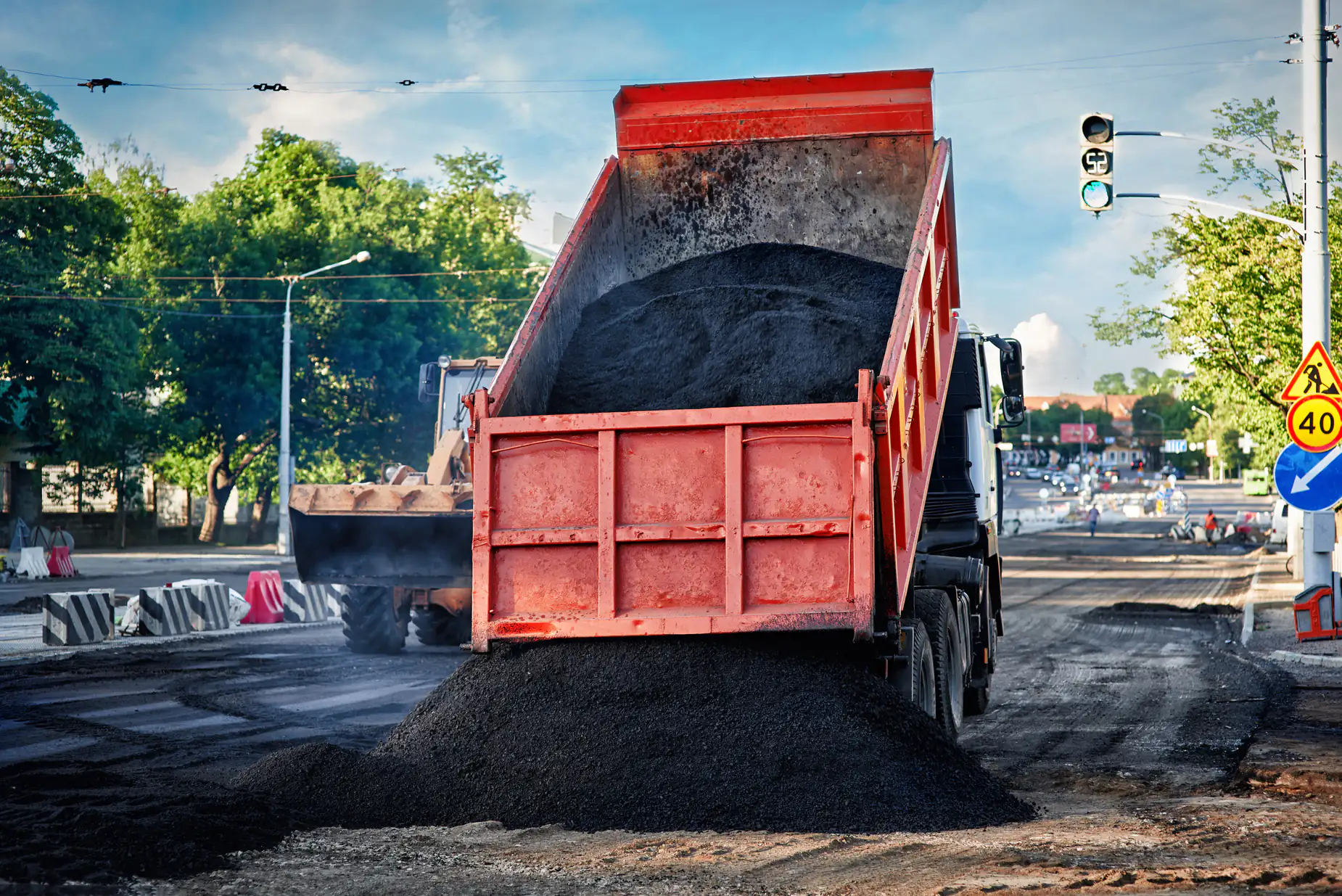
When asphalt is installed correctly, you’re looking at 25 years or more of solid performance. That means proper grading so water drains away from your foundation, not toward it. A compacted aggregate base that won’t shift or settle. Hot mix asphalt applied at the right temperature so it bonds and cures the way it’s supposed to.
You get a surface that handles Morris County winters without crumbling. One that looks clean and professional if you’re running a business. One that doesn’t need constant patching or become a liability when someone trips on uneven pavement.
We’ve been handling residential and commercial paving projects across Long Valley, Dover, Morristown, and the surrounding Morris, Sussex, and Somerset County areas for over two decades. We’re not a traveling crew that shows up with “leftover asphalt” and disappears when the work fails.
Our owner, Daniel Thomas, is on every job site. Not because we don’t trust our crew, but because that’s how you make sure the work gets done right. You’ll get a copy of our New Jersey insurance with your proposal, upfront pricing with no hidden fees, and a 24-48 hour callback guarantee when you request a quote online.
Long Valley properties deal with freeze-thaw cycles, heavy spring rains, and summer heat that can wreck poorly installed pavement. We select asphalt grades and concrete mixes that perform in these conditions because we’ve been working in them for years.
First, we assess your site. That means checking drainage, soil stability, and the condition of any existing pavement. If there’s a problem underneath, we find it before we pave over it.
Next comes preparation. We excavate to the proper depth, grade for drainage, and compact a robust aggregate base. This is where most cheap jobs fall apart—they skip steps here to save time or money, and you pay for it later.
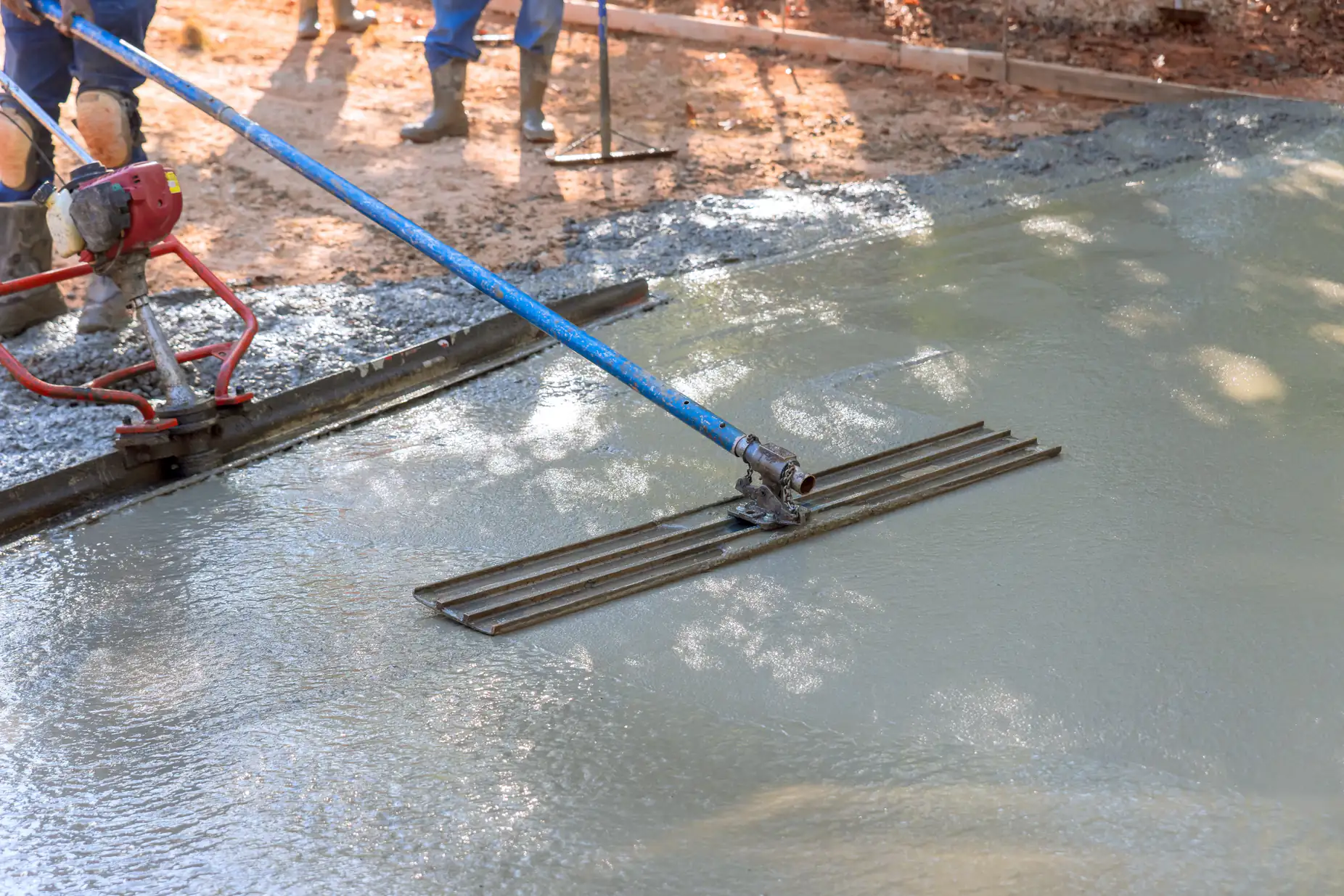
Then we install the asphalt or concrete. For asphalt, that’s high-grade hot mix applied at the correct temperature and compacted properly. For concrete, it’s Portland cement with rebar reinforcement, not the thin pour that cracks in two years. If you want decorative stamped concrete, we handle that too.
After installation, asphalt needs 1-2 days before you can drive on it. Concrete takes about a week. We’ll give you a clear timeline and stick to it. No dragging the job out, no showing up three weeks late.
Ready to get started?
You’re getting the full scope of paving services: new driveway installation, parking lot construction, asphalt repair, sealcoating, and concrete work including patios and walkways. We’re not a company that only does one thing and tries to upsell you on the rest.
Long Valley sits in an area where soil conditions vary and drainage is critical. Properties near the Musconetcong River or in areas with clay-heavy soil need extra attention to base preparation. We account for that. We’re also familiar with local codes and requirements, so your project doesn’t get held up by permit issues.
Pricing in this area typically runs $3.50 to $6 per square foot for asphalt installation, depending on site conditions and project size. Concrete costs more upfront—usually $8 to $12 per square foot—but both materials have their place depending on your needs and budget. We’ll walk you through the pros and cons of each during your consultation.
If you schedule work in early spring or late fall instead of peak summer season, you’ll often get better availability and pricing. Most paving companies charge premiums when they’re slammed in July. We don’t play that game, but we also can’t control when the phone rings. Booking ahead helps.
A properly installed asphalt driveway in Long Valley should last 25 years or more. That lifespan depends on three things: quality installation, proper drainage, and reasonable maintenance.
New Jersey’s freeze-thaw cycles are tough on pavement. Water gets into small cracks, freezes, expands, and makes those cracks bigger. If your driveway wasn’t graded correctly or the base wasn’t compacted right, you’ll see problems in 5-10 years instead of 25. That’s not the asphalt’s fault—it’s the installation.
Maintenance is minimal but not zero. Sealcoating every 3-5 years protects the surface from UV damage and water penetration. Fixing small cracks before they spread prevents bigger repairs later. But if the foundation is solid, you’re not looking at constant upkeep.
Asphalt makes more sense for most Long Valley driveways. It costs 30-40% less than concrete upfront, performs better in freeze-thaw conditions, and you can use it in 1-2 days instead of waiting a week.
Concrete has its place. If you want decorative stamped patterns or a specific aesthetic, concrete gives you more options. It also works well for areas that won’t see heavy vehicle traffic, like walkways or patios. But for a driveway that sees daily use and deals with Morris County winters, asphalt is usually the smarter choice.
The cost difference is significant. Asphalt runs $3.50-$6 per square foot installed. Concrete is $8-$12 per square foot. For a standard two-car driveway, that’s thousands of dollars. If budget isn’t a concern and you prefer the look of concrete, go for it. But don’t let someone talk you into concrete just because it sounds more premium. Asphalt is a proven material that does the job.
Check three things: local presence, insurance, and references. A legitimate paving contractor has a physical business location, not just a phone number. They carry New Jersey insurance and will give you a copy with their proposal. And they can show you work they’ve done in your area.
Avoid anyone offering a deal because they have “leftover asphalt from another job.” That’s one of the oldest scams in the paving industry. These crews are unlicensed, uninsured, and gone when the work fails. You’ll spend more fixing their mess than you would have paid a real contractor in the first place.
Ask how long they’ve been working in Morris County specifically. Paving isn’t one-size-fits-all. Soil conditions, drainage patterns, and weather all vary by region. A company that’s been operating in Long Valley for years understands what works here. Someone from out of state doesn’t.
Get everything in writing: scope of work, materials being used, timeline, and total cost. If a contractor won’t put it in writing, walk away.
Most Long Valley driveways cost between $3,500 and $8,000 for asphalt, depending on size and site conditions. A standard two-car driveway is roughly 600-800 square feet. At $3.50-$6 per square foot installed, you’re looking at $2,100 to $4,800 just for materials and labor.
But that’s not the full picture. If your existing driveway needs to be removed, add $1-3 per square foot for demolition and disposal. If drainage is poor and we need to install additional grading or a stone base, that adds cost. If access is difficult—narrow streets, tight turns, limited space for equipment—that can affect pricing too.
Concrete costs more. For the same driveway, you’d pay $6,400 to $9,600 at $8-$12 per square foot. That’s why most homeowners in this area choose asphalt unless they specifically want the look of concrete or need decorative options.
Get a detailed written estimate that breaks down what’s included. If one quote is significantly lower than others, ask why. Usually it’s because they’re cutting corners on base preparation or using thinner asphalt. That saves them money and costs you more later.
Late spring through early fall is ideal for asphalt work in New Jersey. Asphalt needs warm temperatures to cure properly—ideally above 50°F during the day and not dropping below 40°F at night. That usually means May through October in Morris County.
Summer is peak season, which means paving companies are booked solid and often charging premium rates. If your schedule is flexible, consider early spring (April-May) or late fall (September-October). You’ll get better availability and sometimes better pricing because contractors aren’t slammed.
Winter paving is possible but not ideal. Cold temperatures make asphalt harder to work with and it doesn’t compact or cure as well. Emergency repairs can be done, but if you’re planning a new driveway, wait until spring.
Sealcoating should be done in warm, dry weather—typically late spring or summer. You need at least 24 hours of dry weather after application for it to cure. Don’t sealcoat in fall if there’s a chance of early frost.
Yes, but not immediately. New asphalt should cure for 6-12 months before the first sealcoat application. After that, sealcoating every 3-5 years extends the life of your driveway and protects against water damage, UV rays, and chemical spills like oil or gas.
Sealcoating isn’t just cosmetic. It fills small surface cracks before they become bigger problems, prevents water from seeping into the base, and protects the asphalt binder from breaking down due to sun exposure. In Long Valley’s climate, where you get heavy rain, snow, and temperature swings, that protection matters.
The process is straightforward. The driveway gets cleaned, cracks are filled, and two coats of sealer are applied. You’ll need to stay off it for 24-48 hours while it dries. It’s not expensive—usually a few hundred dollars for a residential driveway—and it’s a lot cheaper than repaving.
If you skip sealcoating, your driveway will still last, but you’re looking at 15-18 years instead of 25+. Small cracks turn into bigger ones. Water gets in, freezes, and causes more damage. Eventually you’re paying for repairs that could have been avoided.