
Hear from Our Customers
You’re not looking for the cheapest quote. You’re looking for a driveway that doesn’t crack, settle, or develop potholes after one winter.
That means proper excavation depth, the right base material for Sussex County soil conditions, and hot mix asphalt applied at the correct temperature. Most contractors skip one of these steps to save time or money. Then you’re calling someone else to fix it within two years.
When the base is done right and the asphalt is compacted properly, you get a surface that handles Lake Mohawk’s weather without constant repairs. Your driveway should look good and perform well for 15 to 20 years, not 5.
We work exclusively in Morris, Sussex, and Somerset Counties. We know the soil composition around Lake Mohawk, the drainage challenges near the lake, and how freeze-thaw cycles affect pavement differently here than 30 miles south.
Owner Dominick supervises every project from excavation to final compaction. You’re not getting an unsupervised crew showing up with a different plan than what was discussed.
We don’t ask for deposits on 98% of projects. You get an upfront quote that explains exactly what’s included, and we stick to it. No surprise charges halfway through the job.
First, we excavate to the proper depth based on your soil type and expected traffic load. This isn’t a one-size-fits-all number. Lake Mohawk properties near the water may need different base specs than homes on higher ground.
Next, we install and compact the base material in layers. This step determines whether your driveway lasts 5 years or 20. Cheap contractors skip the compaction or use insufficient base thickness. We don’t.
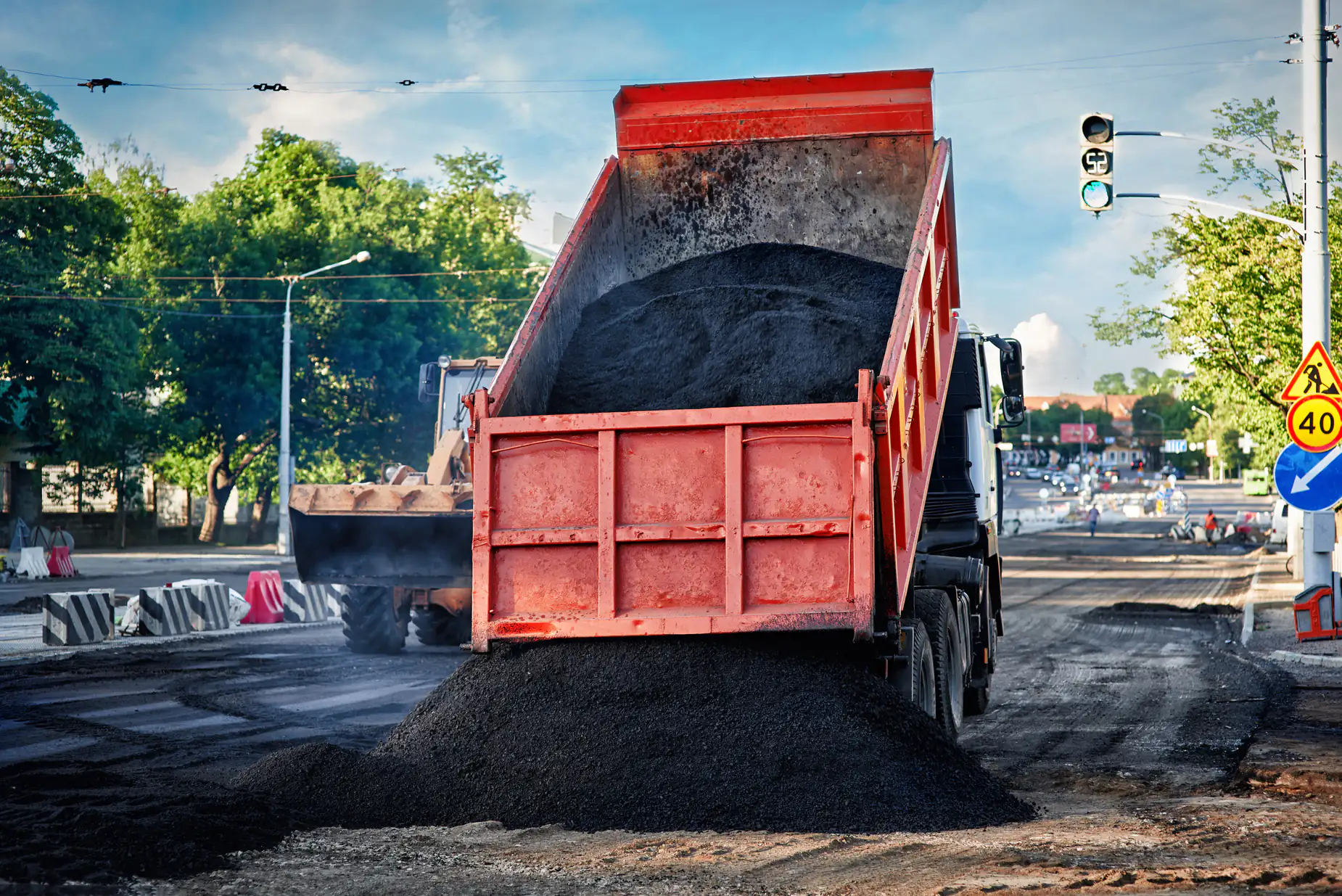
Then we apply hot mix asphalt at the right temperature and compact it to the correct density. If the asphalt cools too much before compaction, it won’t bond properly. If it’s too hot, it can scorch. Timing and technique matter here.
Finally, we clean up and explain your maintenance schedule. Sealcoating every 3 to 5 years and addressing small cracks early will extend your driveway’s lifespan significantly.
Ready to get started?
We handle residential driveways, commercial parking lots, and asphalt repairs across Lake Mohawk and surrounding areas. That includes full installations, resurfacing, patching, and sealcoating.
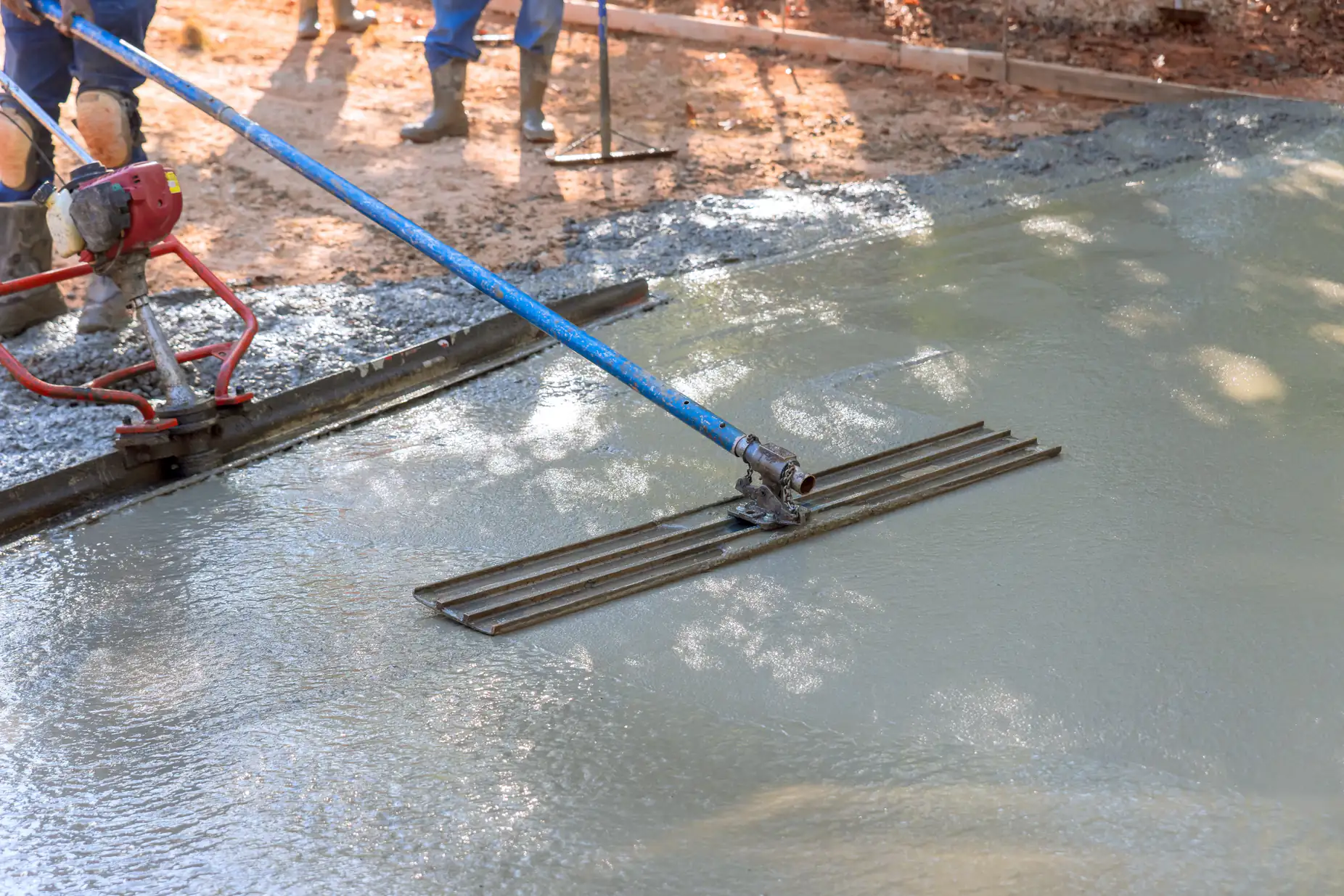
For concrete work, we use Portland cement mixes with rebar reinforcement. If you want decorative stamped concrete for walkways or patios, we do that too.
Lake Mohawk’s alpine architecture and historic homes require attention to detail. Your driveway or parking lot should match the quality of your property, not detract from it. We take that seriously, especially in a community listed on the National Register of Historic Places.
You’ll get a callback within 24 to 48 hours if you request a quote online. We’ll schedule a site visit, assess drainage and soil conditions, and give you a detailed proposal. No vague estimates or hand-waving about “unforeseen issues” later.
A properly installed asphalt driveway in Lake Mohawk should last 15 to 20 years. That assumes you’re sealcoating every 3 to 5 years and fixing small cracks before they spread.
New Jersey’s freeze-thaw cycles are tough on pavement. Water seeps into small cracks, freezes, expands, and makes the crack worse. If you catch those early, you avoid bigger problems.
The lifespan also depends on base preparation. If the contractor skimps on excavation depth or uses poor base material, you’ll see settling and cracking within a few years. Proper base work is the difference between a driveway that lasts and one that doesn’t.
There’s no real difference. Blacktop and asphalt are the same material—hot mix asphalt made from aggregate and asphalt cement. The terms are used interchangeably, though “blacktop” is more common in residential conversations.
What matters more is the quality of the mix and how it’s installed. High-grade hot mix asphalt applied at the right temperature and compacted properly will outperform cheaper mixes, regardless of what you call it.
Some contractors use the term “blacktop” to describe thinner applications or lower-grade mixes, but that’s not a technical distinction. Focus on the specs—mix quality, thickness, and base preparation—not the terminology.
Yes. Sealcoating protects your driveway from water infiltration, UV damage, and chemical spills like oil or gasoline. It also makes the surface easier to clean and gives it a fresh appearance.
You should sealcoat every 3 to 5 years, depending on traffic and weather exposure. Wait at least 6 to 12 months after installation before the first sealcoat application. The asphalt needs time to cure properly.
Skipping sealcoating won’t destroy your driveway overnight, but it shortens the lifespan. Small cracks develop faster, water penetrates deeper, and you’ll need repairs sooner. It’s a relatively inexpensive maintenance step that saves you money long-term.
Costs vary based on driveway size, base preparation needs, and site conditions. A typical residential driveway in Lake Mohawk runs between $3 and $7 per square foot, depending on thickness and complexity.
If your property has drainage issues, poor soil, or requires significant excavation, that increases the cost. Properties near the lake may need additional base work to handle moisture and soil movement.
We provide upfront quotes that break down material, labor, and site prep costs. No vague estimates or surprise charges. You’ll know exactly what you’re paying for before we start, and we don’t ask for deposits on most projects.
Asphalt paving works best when temperatures are consistently above 50 degrees, typically from April through October in New Jersey. Cold weather affects how the asphalt compacts and cures.
If the ground is too cold, the asphalt cools too quickly and won’t compact to the right density. That leads to a weaker surface that’s more prone to cracking and deterioration.
Emergency repairs can sometimes be done in colder months using specialized mixes, but full installations should wait for warmer weather. If you’re planning a project, reach out in early spring to get on the schedule before the peak season fills up.
Look for a contractor who explains the base preparation process in detail. That’s where most cheap jobs fail. Ask about excavation depth, base material type, and compaction methods.
Make sure they’re licensed and insured. Check references and look for contractors with local experience in Sussex County. Someone who understands Lake Mohawk’s soil and climate will deliver better results than a contractor who works everywhere.
Avoid anyone asking for large upfront deposits or giving vague estimates. You should get a detailed proposal that breaks down materials, labor, and timeline. And if they can’t explain why they’re doing something a certain way, that’s a red flag.