
Hear from Our Customers
You’ve seen it happen. November’s hairline cracks turn into March potholes after another brutal winter. That’s what 55 to 75 freeze-thaw cycles do when water gets into poorly installed asphalt.
Every cycle means water seeps in, freezes, expands by 9%, then thaws and lets more water in deeper. By spring, you’re staring at damage that could’ve been prevented with proper installation and the right materials for this climate.
Lake Hopatcong’s combination of hilly terrain, lake proximity, and shifting ground makes drainage critical. Water pooling under your driveway weakens the base and leads to premature failure. That’s the difference between a 5-year patch job and a 15-20 year surface that actually holds up.
When your driveway is installed correctly—proper base preparation, appropriate thickness, quality hot mix asphalt applied at the right temperature—you’re not dealing with emergency repairs every spring. You’re not watching your property value drop because of curb appeal issues. You’re not apologizing to guests navigating around potholes.
We’ve been paving driveways in Lake Hopatcong for two decades. That means we know exactly how the lake effect impacts asphalt longevity. We understand which aggregate sizes and binder grades perform best in this specific climate.
Lake Hopatcong isn’t just another job site for us. We’ve worked on properties throughout Morris, Sussex, and Somerset Counties long enough to see what holds up and what fails after a few winters. The homes here—nearly half built between the 1940s and 1960s—often need complete driveway replacements, not just patches.
Your neighbors aren’t hiring the cheapest option anymore. With 93% homeownership and a median home value over $560,000, property owners here understand that quality installation protects their investment. We provide clear upfront pricing, stick to our schedules, and back our work with warranty coverage because we’re still going to be here in five years when other contractors have moved on.
First, we grade and compact the base layer. This isn’t optional—it’s the foundation that determines whether your driveway lasts 5 years or 20. Poor base preparation is why most driveways fail prematurely, especially with Lake Hopatcong’s drainage challenges.
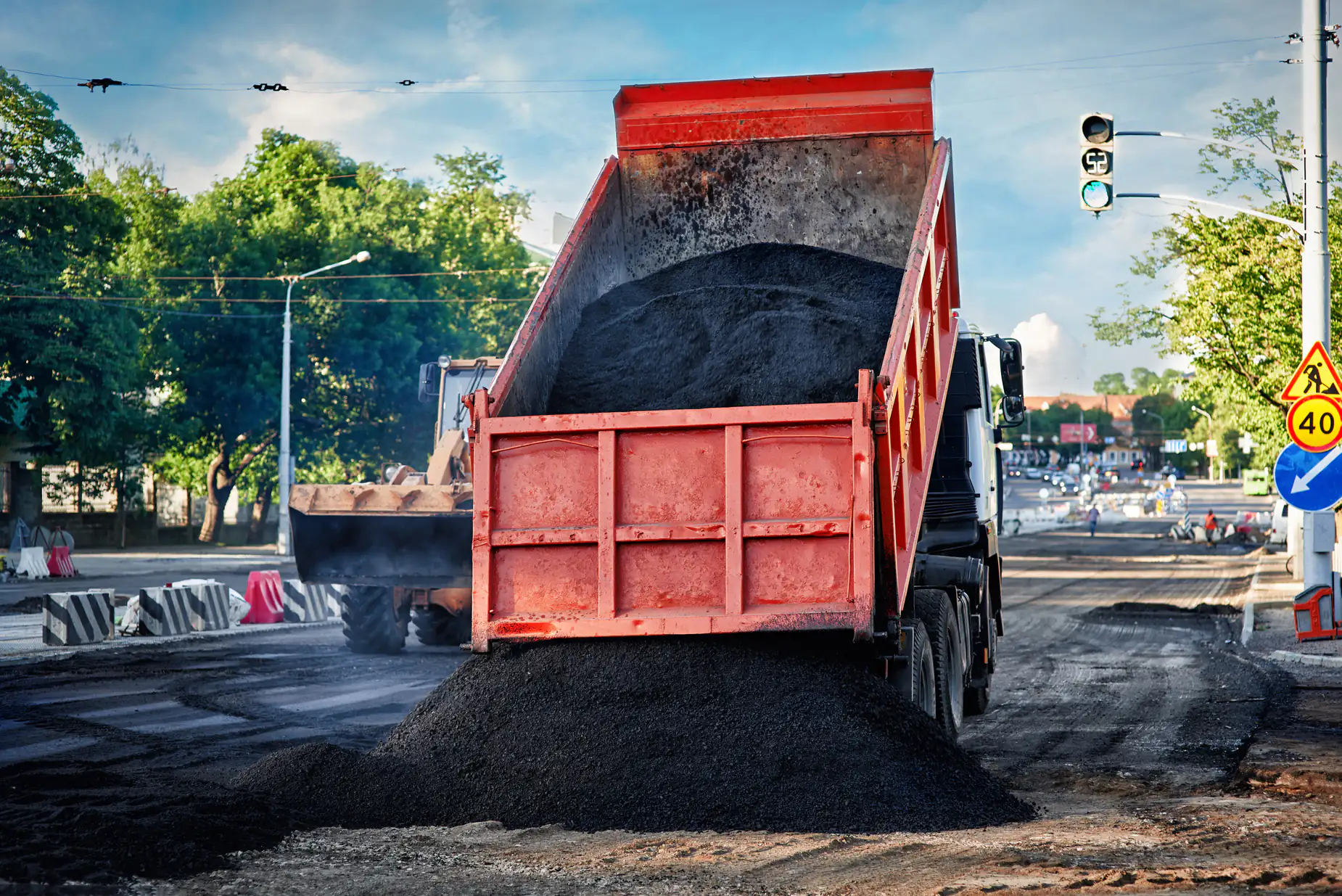
Next, we lay high-grade hot mix asphalt at consistent thickness and proper temperature. Temperature matters because asphalt that’s too cool won’t compact correctly, leaving air pockets that become cracks. We use heavy rollers in a systematic pattern to remove those air pockets and create a water-resistant surface.
Drainage gets built in during installation, not added as an afterthought. We slope the surface to direct water away from your foundation and prevent pooling. In Lake Hopatcong’s terrain, this often means custom grading solutions based on your property’s specific topography.
Most residential driveways take 2-3 days depending on size and site conditions. Commercial parking lots run 2-5 days based on square footage and traffic requirements. We’ll give you a realistic timeline upfront—not an optimistic guess that gets extended three times.
Ready to get started?
New installations include complete site evaluation, base preparation, proper drainage solutions, quality hot mix asphalt application, and systematic compaction. We source materials from reputable suppliers and apply proven techniques that account for New Jersey’s climate demands.
Repairs and resurfacing address existing damage before it requires full replacement. If you’re seeing cracks, we evaluate whether sealcoating and crack filling will extend your driveway’s life or if the base has deteriorated beyond repair. Honest assessment saves you from throwing money at a surface that’s going to fail anyway.
Sealcoating protects asphalt from water penetration, UV damage, and chemical exposure. In Lake Hopatcong, where freeze-thaw cycles are relentless, sealcoating every 2-3 years can double your pavement’s lifespan. It’s the difference between a few hundred dollars in preventive maintenance and thousands in emergency reconstruction.
Commercial work includes parking lot installation, ADA-compliant accessible spaces, proper drainage for larger surface areas, and line striping. We handle the calculations for required accessible parking based on total capacity and ensure all work meets local codes.
Properly installed asphalt typically lasts 15-20 years in Lake Hopatcong, but that depends entirely on installation quality and maintenance. The key factors are base preparation, asphalt thickness appropriate for your usage, and drainage design.
Lake Hopatcong sees 55 to 75 freeze-thaw cycles every winter. Each cycle causes water in cracks to freeze and expand by 9%, then thaw and allow more water deeper into the pavement. If your base wasn’t properly compacted or your drainage doesn’t direct water away effectively, you’ll see failure in 5-7 years instead of 15-20.
Basic maintenance extends lifespan significantly. Sealcoating every 2-3 years protects against water penetration and UV damage. Filling cracks promptly prevents them from becoming potholes. Neglecting a $300 crack repair often leads to $3,000+ in base reconstruction within two years.
Poor drainage is the number one killer of asphalt in Lake Hopatcong. Water pooling on or under your driveway weakens the base, leading to cracking, settlement, and premature failure. The area’s hilly terrain and proximity to the lake create runoff challenges that require proper grading solutions.
Inadequate base preparation is the second major issue. If the subbase isn’t properly compacted before asphalt application, you’ll see settling and cracking within the first few years. Some contractors skip this step to save time or underbid competitors, but you end up paying for it in early replacement costs.
Wrong material choices also cause problems. Asphalt needs the right aggregate size and binder grade for New Jersey’s climate. Using summer-grade materials or improper mix designs leads to cracking in cold weather and rutting in hot weather. Experienced local contractors know which specifications actually perform here.
Project cost depends on area size, site preparation requirements, current condition, and project complexity. A standard residential driveway typically ranges from $3-7 per square foot installed, but that’s meaningless without understanding what’s included.
The real question is what you’re getting for that price. Does it include proper base preparation and compaction? Adequate asphalt thickness for your usage? Drainage solutions for your property’s topography? Removal and disposal of old materials? These factors determine whether you’re getting a 5-year patch job or a 20-year surface.
We provide clear estimates after evaluating your specific site conditions. That means looking at drainage issues, base condition, access challenges, and any grading work needed. You’ll know exactly what’s included and why certain steps are necessary for long-term performance in Lake Hopatcong’s climate.
Late spring through early fall offers ideal conditions for asphalt installation in Lake Hopatcong. Asphalt needs warm temperatures for proper compaction and curing. We can work in cooler weather with proper techniques, but extreme cold or wet conditions compromise quality.
Here’s the scheduling reality: by the time spring arrives, paving contractors are already booked for weeks or months. Property owners who wait until they see spring damage face longer wait times and potential delays. Getting on the schedule in late winter or early spring means your project happens when you want it, not when a slot finally opens up.
Fall is actually an excellent time for paving work. Temperatures are still warm enough for proper installation, contractor schedules are less packed than spring, and your new asphalt has time to cure before winter. Plus, you’re protecting your driveway before another freeze-thaw season starts attacking it.
Small crack filling and minor patching are reasonable DIY projects if you have the right materials and follow proper procedures. But anything involving base repair, drainage issues, or resurfacing requires professional equipment and expertise you probably don’t want to rent and learn.
The problem with DIY asphalt work is that mistakes are expensive to fix. Improperly mixed materials, inadequate compaction, poor surface preparation, or incorrect application techniques lead to failure within a year or two. Then you’re paying us to remove your work and do it correctly anyway.
Professional installation includes proper base evaluation, appropriate material selection for local climate, equipment for adequate compaction, and experience with drainage solutions. We’ve seen plenty of DIY attempts that seemed fine initially but failed after the first winter because the base wasn’t addressed or drainage wasn’t considered. Sometimes the cheapest option is hiring someone who knows what they’re doing the first time.
A well-installed and maintained asphalt driveway generally adds value by improving curb appeal, functionality, and perceived property upkeep. In Lake Hopatcong’s market, where median home values exceed $560,000 and appreciation rates are running nearly 12% annually, buyers expect properties to be well-maintained.
If neighboring homes have paved driveways in good condition and yours is cracked and deteriorating, you’re immediately at a disadvantage. Some New Jersey markets see property value increases up to $20,000 from quality driveway installation. The exact ROI depends on your home’s overall condition and local market factors.
Beyond pure resale value, a quality driveway makes your property easier to sell. Buyers don’t want to inherit deferred maintenance or face immediate repair costs after closing. A new asphalt driveway signals that the property has been cared for and reduces buyer concerns about hidden issues or neglected upkeep.