
Hear from Our Customers
Every spring, you’re out there filling the same cracks and patching the same potholes. That’s what happens when water gets into poorly installed pavement, freezes, expands, and destroys the structure from underneath.
Proper base preparation stops that cycle. When drainage is engineered correctly and the asphalt is applied at the right temperature with the right thickness, water doesn’t pool and freeze where it shouldn’t. The surface stays intact through winter.
You’re not just getting a smooth driveway for a few months. You’re getting years without emergency repairs, without watching your investment crumble every time the temperature drops below freezing. That’s the difference between cheap blacktop and asphalt installed correctly the first time.
We’ve been handling residential and commercial paving throughout Hillsborough, Somerset County, and Morris County for over two decades. We’re the asphalt contractor that property owners call when they’re tired of patching the same problems year after year.
We’re family-owned, fully insured, and we don’t disappear after taking your deposit. You get upfront pricing that details exactly what’s included, and we stick to the schedule we commit to. No surprise charges, no two-hour quote windows, no cash-only demands halfway through the job.
Hillsborough properties deal with specific drainage challenges and soil conditions that affect how pavement performs. We’ve seen what works and what fails in this area, and we engineer every job accordingly.
First, we assess your existing surface and drainage. If there’s standing water, settling, or base failure, we identify it before we quote the job. You get a written estimate that breaks down materials, labor, and timeline with no hidden extras.
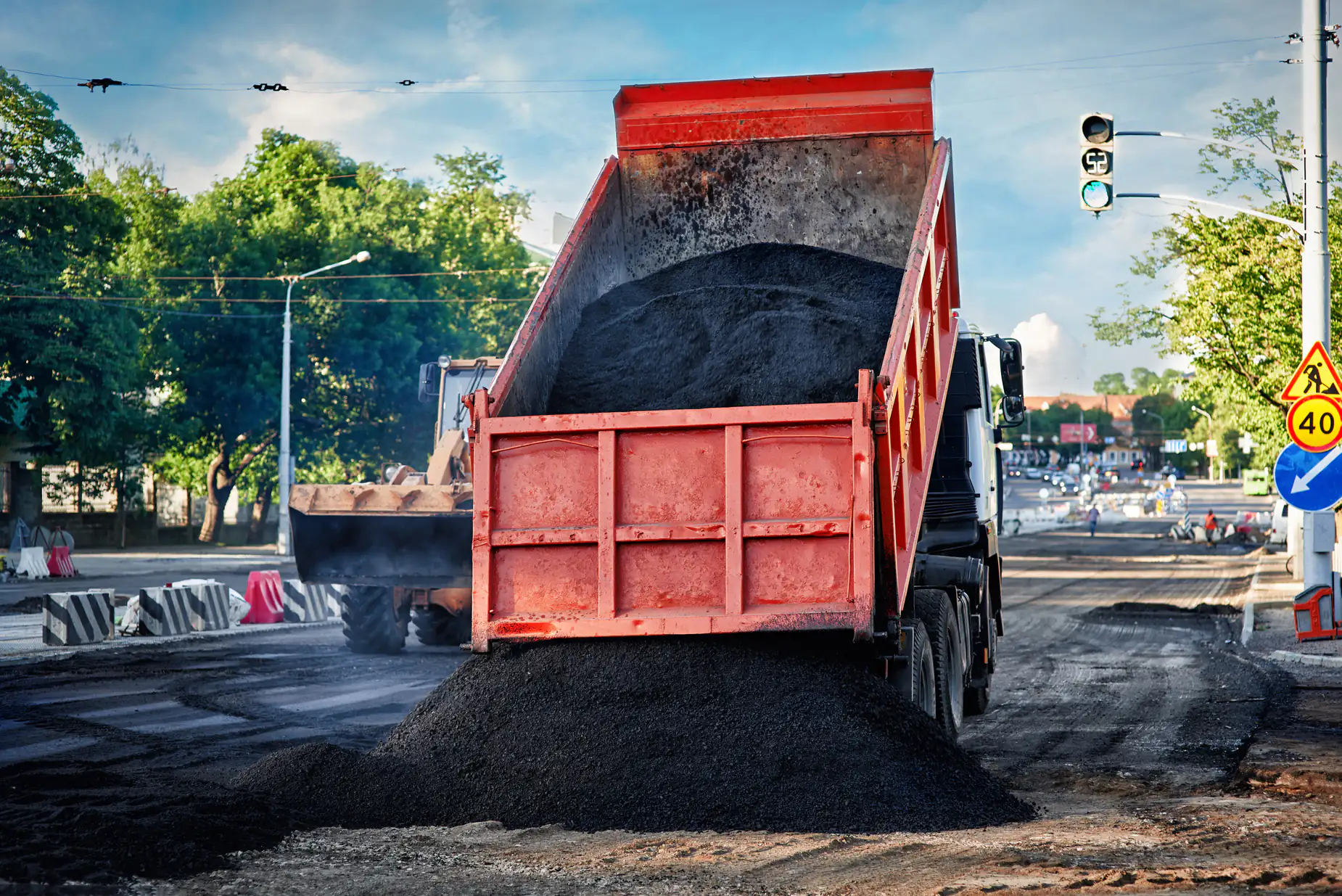
Once you approve, we schedule the work during optimal conditions—typically between April and October when temperatures stay consistently above 50°F. We excavate to the proper depth, install a compacted stone base that won’t settle, and grade for drainage so water moves away from your foundation.
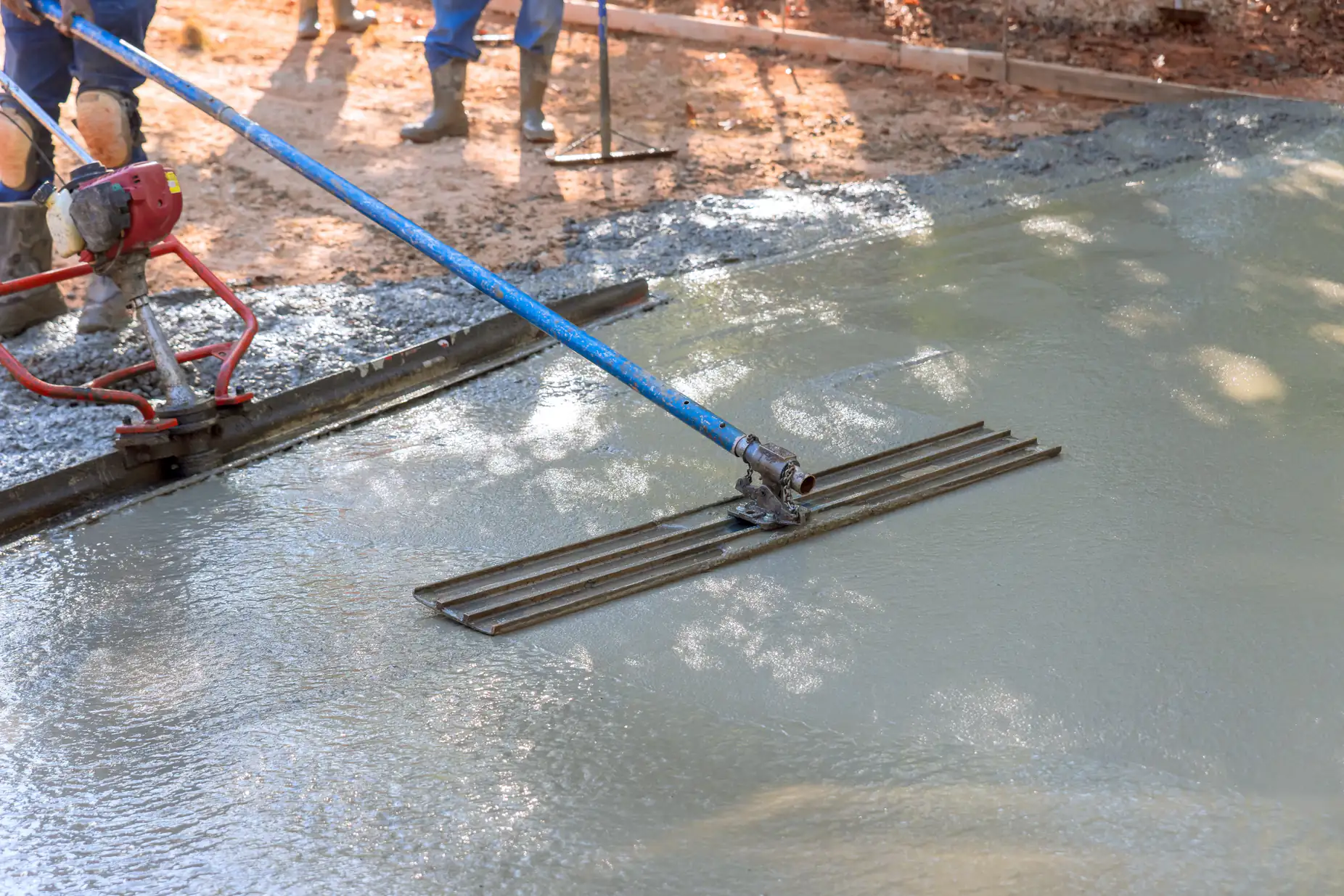
Then we apply high-grade hot mix asphalt at the correct temperature. Thickness matters—we don’t skimp to save costs. The surface gets compacted properly while it’s still hot, creating a dense, durable finish. For concrete work, we use Portland cement mixes with rebar reinforcement, not thin pours that crack in two years.
You’re kept informed throughout. If weather delays the schedule, you know about it. If we find an issue during excavation, we discuss it before proceeding. The job gets done right, and you’re not left guessing what’s happening.
Ready to get started?
Residential driveways in Hillsborough typically run $3.50 to $6.00 per square foot depending on site conditions, access, and base requirements. That includes excavation, proper base installation, grading, and asphalt application. If your property has drainage issues or requires additional stone base due to soft soil, that’s identified upfront.
Commercial parking lots get the same attention to base preparation and drainage, scaled for heavier traffic loads. We handle everything from small business lots to larger commercial properties throughout Somerset County, with line striping and ADA compliance included when needed.
Repair work addresses the root cause, not just the surface symptom. Patching a pothole without fixing the drainage or base failure underneath means you’re patching it again next year. We dig out failed sections, rebuild the base, and tie new asphalt into existing pavement properly.
Sealcoating extends pavement life when applied correctly—between April 15 and October 15 in New Jersey, after the asphalt has cured for at least 90 days. It’s not a fix for structural problems, but it protects sound pavement from oxidation and water penetration. We don’t oversell it as a miracle solution, because it’s not.
A properly installed asphalt driveway in Hillsborough should last 20 to 30 years with basic maintenance. That assumes correct base preparation, adequate thickness, proper drainage, and sealcoating every 3 to 5 years.
The base is what determines longevity. If the stone base is too thin or poorly compacted, the asphalt will crack and fail within 5 to 10 years no matter how good the surface looks initially. New Jersey’s freeze-thaw cycles are brutal on weak bases.
Thickness matters too. A 2-inch asphalt layer might look fine for a year or two, but it won’t hold up to traffic and weather. We install a minimum of 3 inches for residential driveways, more if the base conditions or traffic patterns require it. Shortcuts save money now and cost you more later.
Water infiltration and freeze-thaw cycles cause most winter cracking. Water seeps into small cracks or porous asphalt, freezes when temperatures drop, expands, and pushes the pavement apart. When it thaws, more water seeps deeper. This repeats all winter.
Poor drainage accelerates the problem. If water pools on the surface or doesn’t drain away from the edges, it finds every weak point and exploits it. That’s why proper grading and base installation matter more than the asphalt itself.
Thin asphalt over weak base fails fastest. If the base wasn’t compacted correctly or the asphalt layer is too thin, the entire structure flexes and cracks under normal use. Add winter freeze-thaw on top of that and you get rapid deterioration. Fixing it requires rebuilding the base, not just patching the surface.
Technically yes, but it’s not ideal and we won’t do it. Asphalt needs to be applied and compacted at temperatures above 50°F to bond and cure properly. When it’s colder, the asphalt cools too quickly and doesn’t compact to the density required for long-term durability.
Winter paving often results in premature cracking and surface failure within a year or two. The asphalt might look fine initially, but it hasn’t achieved proper compaction, so it’s more porous and vulnerable to water infiltration and freeze damage.
Emergency repairs are different—if you have a dangerous pothole or complete base failure, temporary patching can be done in winter to make the area safe. But full driveway installation should wait until spring when temperatures are consistently warm enough for proper installation. We schedule most paving between April and October for this reason.
Asphalt typically runs $3.50 to $6.00 per square foot in Hillsborough for a complete driveway installation. Concrete costs more—usually $6.00 to $12.00 per square foot depending on thickness, reinforcement, and whether you want decorative finishes like stamped patterns.
The price difference reflects material costs and installation complexity. Concrete requires more labor, longer cure times, and precise forming. Asphalt can be installed faster and is ready to drive on within 24 to 48 hours. Concrete needs several days to cure.
Long-term costs differ too. Asphalt requires sealcoating every few years and may need resurfacing after 15 to 20 years. Concrete doesn’t need sealing but can crack and is harder to repair seamlessly. Both last decades when installed correctly, so the choice often comes down to budget, aesthetics, and how quickly you need the surface usable. Hidden costs can add $1,000 to $5,000 to either option if your site has drainage issues, soft soil, or difficult access.
Base preparation separates quality work from cheap work. A proper base requires excavation to adequate depth, installation of compacted crushed stone, and grading for drainage. Cheap contractors skip steps, use less stone, or don’t compact thoroughly. The asphalt looks fine for six months, then starts failing.
Asphalt thickness and quality matter. We use hot mix asphalt applied at the correct temperature in adequate thickness—minimum 3 inches for driveways. Cheap work uses thinner applications or cooler asphalt that doesn’t compact properly. You save money upfront and pay for it in repairs within a few years.
The real difference shows up in winter. Quality paving survives freeze-thaw cycles because water drains away and the base doesn’t shift. Cheap paving develops cracks and potholes every spring because water infiltrates and the inadequate base fails under stress. You’re not paying extra for the same work done slower—you’re paying for a driveway that doesn’t need emergency repairs every year.
Most residential driveway replacements in Hillsborough don’t require permits if you’re repaving within the existing footprint and not changing drainage patterns. If you’re expanding the driveway, adding new pavement, or altering how water drains from your property, you likely need approval from the township.
Commercial paving projects typically require permits, especially for parking lots or any work that affects stormwater management. Somerset County has specific regulations about impervious surfaces and drainage that apply to larger paving projects.
We handle permit requirements as part of the project when they’re needed. It’s worth checking with Hillsborough Township before starting work, because doing unpermitted work can create issues when you sell the property or if a neighbor complains. Most townships have clear guidelines on their websites, or you can call the building department directly. We’ve worked with local requirements long enough to know what triggers permit needs and what doesn’t.