
Hear from Our Customers
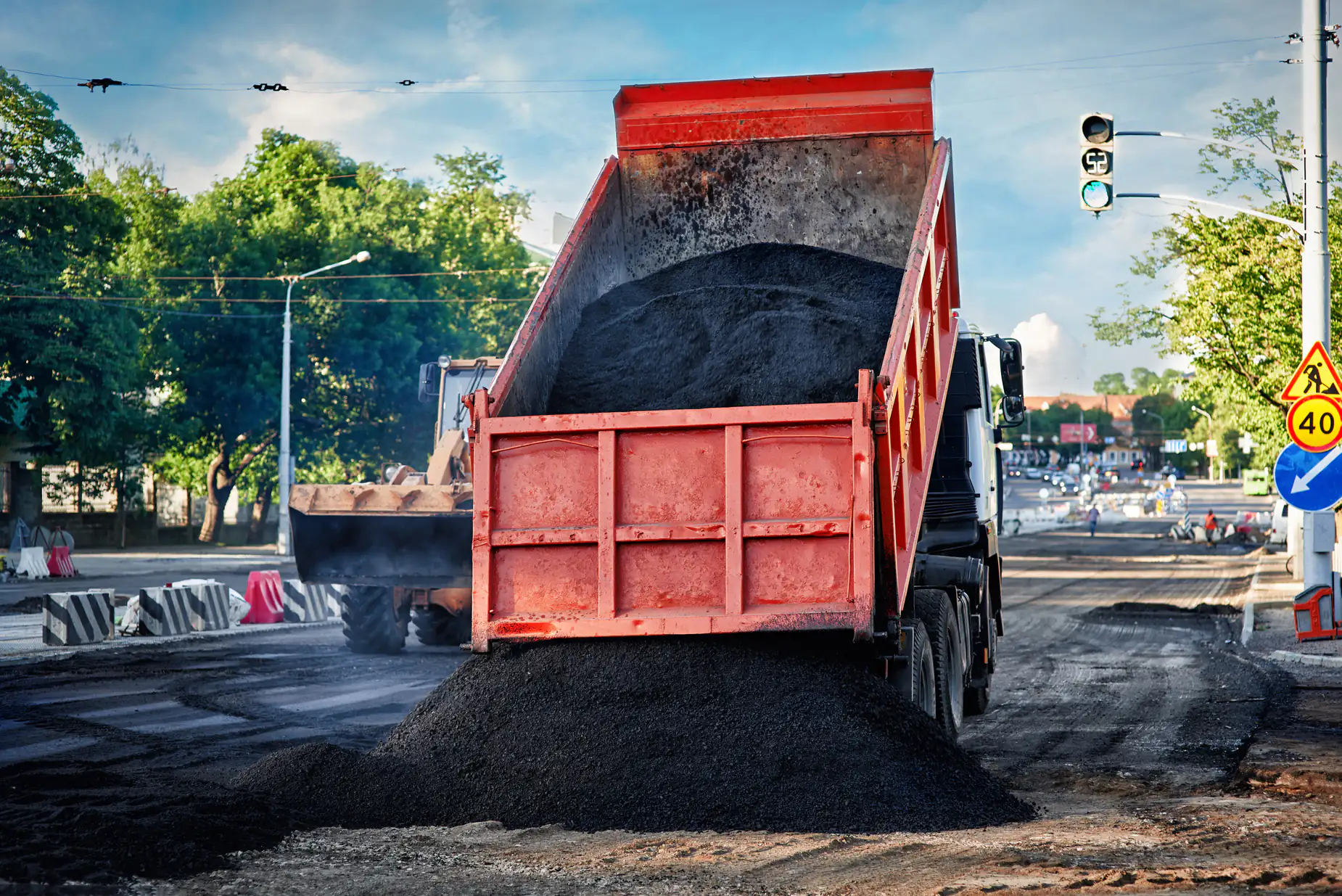
A driveway that doesn’t crack apart after two winters. That’s what happens when the base is compacted right, the asphalt mix is designed for North Jersey temperatures, and the drainage actually works.
You’re not just getting blacktop poured over dirt. You’re getting a surface that flexes with temperature swings instead of fracturing. One that sheds water before it seeps into the foundation. One that doesn’t turn into a pothole minefield by March.
Most driveways fail because of what you can’t see. Poor compaction. Inadequate base material. No attention to slope or drainage. When those fundamentals are ignored, it doesn’t matter how smooth it looks on day one. By year two, you’re looking at cracks, settling, and water pooling in all the wrong places.
We’ve been handling residential and commercial paving in Hamburg, NJ and throughout Sussex County for over 20 years. We’re a third-generation, family-owned contractor based in Dover, serving Morris, Sussex, and Somerset counties.
The owner is on every job. Not because we don’t trust our crew, but because that’s how we were taught. You show up, you supervise the work, and you make sure it’s done right before you leave.
Hamburg homeowners deal with some of the harshest freeze-thaw cycles in New Jersey. That’s not news to anyone who lives here. What matters is whether your paving contractor understands how to build for it. Different asphalt mix. Proper compaction with heavy rollers. Drainage that prevents water from sitting on the surface or infiltrating the base. Those aren’t extras. They’re requirements.
First, we look at your existing surface and the base underneath. If the foundation is compromised, no amount of new asphalt will fix it. We’ll tell you if it needs to be removed and rebuilt or if it can be overlaid.
Next comes excavation and grading if needed. The base has to be level and properly sloped for drainage. We compact it with heavy equipment to hit the density required for load-bearing stability. Skipping this step or rushing it is how driveways fail early.
Then we bring in hot mix asphalt at the right temperature. Too cold and it won’t compact properly. Too hot and it can become unstable. We spread it evenly, then compact it with rollers in multiple passes to reduce air voids and lock the aggregate together. That’s what gives you a surface that holds up under traffic and weather.
Finally, we make sure edges are clean, transitions are smooth, and water drains where it should. You’ll know when we’re done because the surface will be uniform, the lines will be tight, and there won’t be any low spots holding water.
Ready to get started?
You get a full breakdown of what we’re doing and why. We don’t just hand you a number. We explain the scope, the materials, the process, and the timeline. If something needs to be repaired before we pave, we’ll show you why.
Every proposal includes a copy of our New Jersey insurance. The owner supervises every job. And if we give you a start date, we show up on that date. That shouldn’t be remarkable, but in this industry, it is.
Hamburg sits in Sussex County, where winter temperatures regularly drop below freezing and stay there for weeks. That means your asphalt needs to be mixed and installed with cold-weather performance in mind. We use high-grade hot mix asphalt with binder grades suited for northern New Jersey’s temperature swings. It’s more flexible, more durable, and better equipped to handle the 55 to 75 freeze-thaw cycles that hit this area every winter.
We also handle sealcoating, crack repair, and parking lot paving for commercial properties. Whether it’s a residential driveway in Hamburg or a commercial lot in Sussex County, the same standards apply. Proper base preparation. Quality materials. Attention to drainage. No shortcuts.
A properly installed asphalt driveway in Hamburg, NJ should last 20 to 30 years with regular maintenance. That means sealcoating every two to three years and addressing cracks before they spread.
The lifespan depends heavily on the base. If the foundation wasn’t compacted correctly or the drainage is poor, you’ll start seeing problems within five years. Water is the enemy. When it seeps into the base and freezes, it expands and destabilizes everything above it.
North Jersey winters are tough. You’re looking at dozens of freeze-thaw cycles every season. Asphalt handles that better than concrete because it’s flexible, but only if it was installed right in the first place. Thin asphalt over a weak base won’t make it past a few winters. You need at least two to three inches of compacted asphalt over a solid aggregate base, with proper slope for drainage.
Late spring through early fall. Asphalt needs to be applied at a specific temperature, and it needs warm ground to bond properly. If the ground is too cold, the asphalt cools too quickly and won’t compact to the right density.
Most paving contractors in Hamburg, NJ and Sussex County are booked solid by late spring. If you wait until summer, you’re competing with everyone else who delayed their project. That means longer wait times and higher prices.
Scheduling in early spring or late fall can save you money. Demand is lower, and contractors have more availability. Just make sure temperatures are still warm enough for proper installation. A good contractor will tell you if conditions aren’t right. A bad one will pave anyway and leave you with a subpar surface that fails early.
For residential driveways, expect to pay between $3.50 and $6.00 per square foot in 2025. That includes excavation, base preparation, and asphalt installation. The final price depends on the size of your driveway, the condition of the existing surface, and how much prep work is needed.
If your current driveway has a solid base and just needs resurfacing, you’ll pay less. If the base is failing and needs to be removed and rebuilt, the cost goes up. Drainage issues, grading problems, or difficult access can also add to the price.
Beware of quotes that seem too good to be true. If someone is significantly undercutting everyone else, they’re cutting corners somewhere. Thin asphalt. Poor compaction. Cheap materials. No insurance. Those savings disappear fast when your driveway starts cracking apart after one winter. You’ll end up paying more to fix it than you would have spent doing it right the first time.
Yes. Sealcoating is the single most important thing you can do to extend the life of your driveway. It protects the asphalt from UV damage, water infiltration, and chemical exposure from oil or gas spills.
Plan to sealcoat every two to three years. The first application should happen six months to a year after installation, once the asphalt has fully cured. After that, keep it on a regular schedule. Skipping sealcoating can shorten your driveway’s lifespan by 10 to 15 years.
Hamburg’s winters are brutal on asphalt. Water seeps into small cracks, freezes, expands, and turns those cracks into bigger problems. Sealcoating fills those surface imperfections and creates a barrier against moisture. It’s a small investment that prevents expensive repairs down the road. If you’re seeing widespread cracking or the surface is heavily oxidized and gray, it might be too late for sealcoating alone. At that point, you’re looking at resurfacing or replacement.
Nothing. They’re the same material. “Blacktop” is just a common term for asphalt pavement. Both refer to hot mix asphalt, which is a combination of aggregate (stone and sand) and liquid asphalt binder heated and mixed together, then applied while hot.
Some people use “blacktop” to refer to driveways and “asphalt” for roads, but there’s no technical difference. The mix design might vary depending on the application, but the material is the same.
What does matter is the quality of the mix and how it’s installed. High-grade hot mix asphalt with the right binder grade for New Jersey’s climate will perform better than a cheaper mix. Proper compaction, adequate thickness, and good drainage make the difference between a driveway that lasts decades and one that fails in a few years. The name doesn’t matter. The process does.
Sometimes. If your existing driveway has a solid base and the surface damage is mostly cosmetic, an overlay can work. But if the base is failing, overlaying just hides the problem temporarily. Within a year or two, the new asphalt will crack and settle in the same spots.
We’ll assess the condition of your current driveway before recommending an overlay or full replacement. If there’s significant cracking, settling, or drainage issues, removal and reconstruction is the smarter move. It costs more upfront, but it actually fixes the problem instead of covering it up.
An overlay adds about 1.5 to 2 inches of new asphalt on top of the old surface. That raises the height of your driveway, which can create issues with garage doors, sidewalks, or drainage if it’s not planned correctly. If the existing surface is in decent shape and the base is stable, an overlay can extend the life of your driveway by 10 to 15 years. If not, you’re throwing money at a temporary fix.