
Hear from Our Customers
You’re not paying for fresh blacktop just so it looks nice for a season. You’re paying so you don’t have to deal with this again in two years.
Proper asphalt installation means your driveway or parking lot drains correctly, so water doesn’t pool and seep into cracks. It means a base that’s compacted right, not just thrown down and rolled over. It means materials applied at the right temperature, not rushed because we’re trying to squeeze in one more job before dark.
When it’s done right, your pavement holds up through 55 to 75 freeze-thaw cycles every winter without turning into a pothole minefield by March. That’s what matters in Franklin, NJ. Not the cheapest quote. Not the fastest turnaround. Just asphalt that actually lasts.
Platinum Paving is a third-generation, family-owned paving contractor serving Morris, Sussex, and Somerset County for more than four decades. We’re not a crew that shows up in an unmarked truck with a handshake deal. We’re licensed (13VH08981600), insured, and accredited with the Better Business Bureau for over 10 years.
The owner is on every job site. Not just at the start, but throughout the entire process. That’s how we’ve operated for 20-plus years serving property owners across Franklin and surrounding towns. You get upfront pricing, a clear scope of work, and a 5-year warranty on the installation.
We’re based in Morris County. We know what Franklin driveways go through every winter. And we know what it takes to build asphalt and concrete surfaces that hold up.
First, we assess your property and give you a detailed quote. No vague estimates. No surprise charges later. You’ll know exactly what work is included and what it costs before anything starts.
Next, we prep the site. That means removing old asphalt if needed, grading the base, and making sure drainage is handled correctly. This step matters more than most people realize. A solid, compacted base prevents settling and keeps your pavement from cracking prematurely.
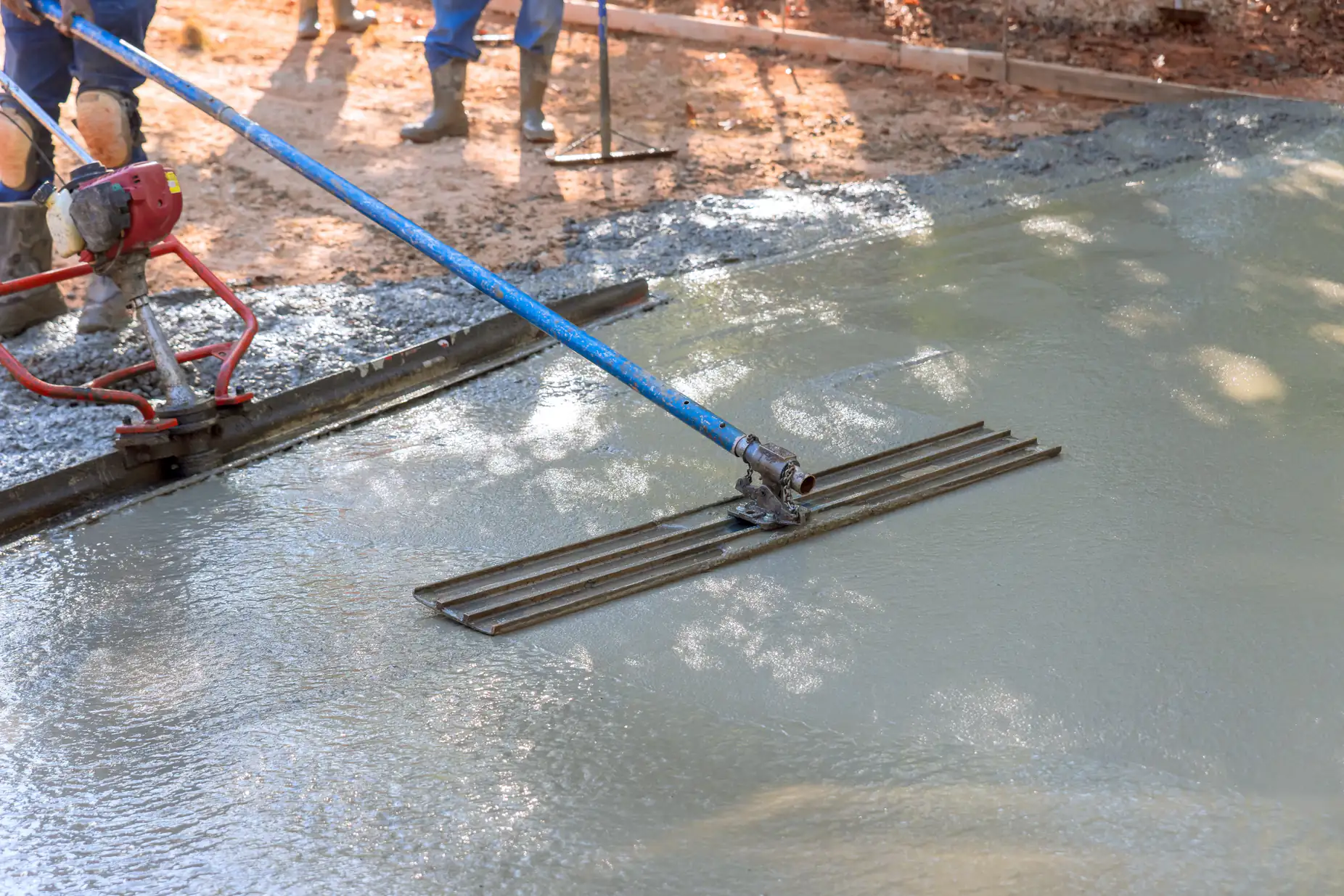
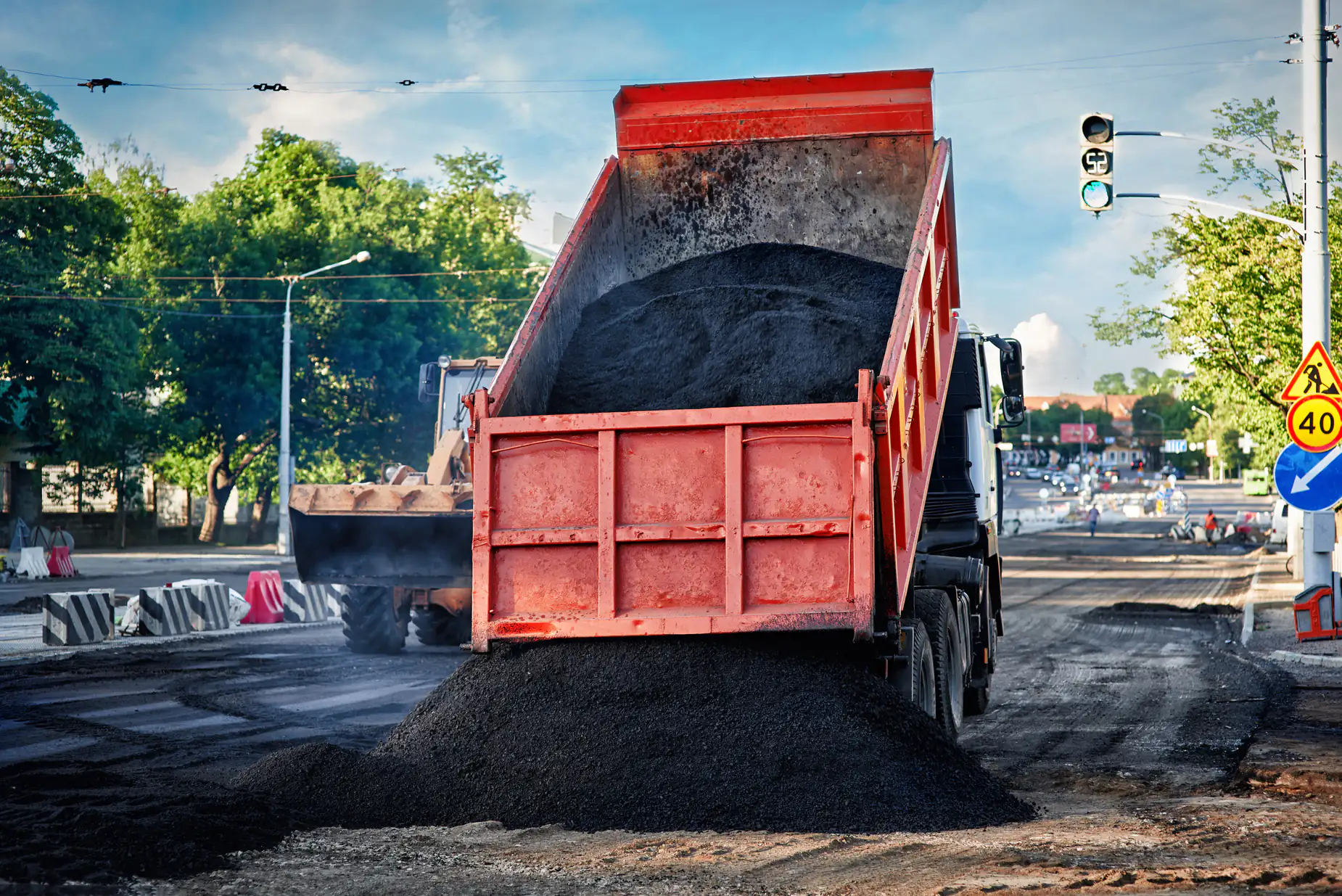
Then we install the asphalt or concrete using high-grade materials applied at proper temperatures. For asphalt, that means hot mix asphalt (HMA) laid evenly with professional pavers and compacted with heavy rollers. For concrete, we use Portland cement mixes with rebar reinforcement. If you want decorative stamped concrete or paver patios, we handle that too.
Finally, we clean up and walk you through the finished work. Most projects wrap up within the agreed timeframe, and you’ll have our contact information and warranty documentation before we leave.
Ready to get started?
Every paving job starts with proper site preparation and drainage planning. In Franklin, that’s not optional. Water is the enemy of asphalt. If it pools or seeps into your base layer, freeze-thaw cycles will destroy even the best materials.
We handle residential driveways and commercial parking lots. That includes new installations, full replacements, repairs, and sealcoating. Sealcoating is one of those things people skip until it’s too late, but a $300 sealcoat job today can prevent a $5,000 repaving job three years from now. We recommend two coats for driveways in New Jersey because of how brutal winters are from November through March.
For property owners who want something beyond standard blacktop, we also install paver stones and decorative concrete. These options work well for patios, walkways, or areas where you want more visual appeal than a traditional asphalt surface.
You’ll also get transparent pricing with no hidden fees, a 24-48 hour callback guarantee when you request a quote online, and a 5-year warranty covering workmanship. We’re licensed by the NJ Division of Consumer Affairs and carry full insurance. If permits are required for your project, we handle those too.
A standard two-car driveway in Franklin typically runs between $3,500 and $5,500, depending on size, condition of the existing base, and whether you need full removal or just an overlay. New Jersey prices run about 15 to 25 percent higher than the national average because of higher labor costs, stricter municipal requirements, and the need for thicker base layers to handle freeze-thaw cycles.
Cost per square foot usually falls between $3.50 and $6.00 for residential asphalt driveways. If you’re looking at decorative options like stamped concrete or paver stones, expect to pay more. Sealcoating, which you should do every few years, costs significantly less—usually a few hundred dollars for a standard driveway.
The cheapest quote isn’t always the best deal. If a contractor skips proper base prep or uses subpar materials, you’ll pay for it later in repairs. A driveway installed correctly should last 15 to 20 years with basic maintenance. One done poorly might need major work in five.
Spring through fall is ideal for asphalt paving in Franklin. You want temperatures consistently above 50 degrees Fahrenheit, which usually means scheduling between April and October. Asphalt needs warmth to cure properly. If it’s too cold, the material won’t compact correctly, and you’ll end up with a weaker surface.
Fall is especially popular because property owners want fresh pavement before winter damage starts. But that also means we get booked up fast. If you wait until late September or October to call, you might be looking at a longer wait time or getting pushed to the following spring.
Winter paving is possible in some cases, but it’s not ideal. The ground is often frozen, and asphalt cools too quickly in cold weather. If you have an emergency repair that can’t wait, we can do temporary patches, but you’ll likely need a permanent fix once temperatures warm up. Plan ahead if you can. Schedule your project in late spring or early summer, and you’ll have more flexibility with timing.
If you’re seeing a few small cracks or minor surface damage, repairs and sealcoating can usually extend the life of your asphalt for several more years. But if your driveway or parking lot has widespread cracking, deep potholes, or areas where the surface is crumbling and exposing the base layer, replacement is probably the smarter move.
One key indicator is how much of the surface is damaged. If more than 30 percent of your pavement has significant issues, patching becomes a temporary band-aid that won’t last. You’re better off replacing it and starting with a solid foundation. Also, if your asphalt is over 20 years old and showing its age, replacement makes more sense than pouring money into repairs.
Drainage problems are another red flag. If water pools on your pavement or you notice the base has settled unevenly, that’s a structural issue. Sealcoating won’t fix it. You need to address the base and drainage before laying new asphalt. We’ll walk your property, assess the damage, and give you an honest recommendation. If someone pushes for a full replacement when a repair would work, or tries to sell you a quick patch when you clearly need more, that’s a sign to get a second opinion.
New Jersey winters are brutal on asphalt because of freeze-thaw cycles. Water seeps into small cracks in your pavement. When temperatures drop below freezing, that water expands by about 9 percent. That expansion pushes the asphalt apart, making cracks bigger. Then it thaws, contracts, and the cycle repeats. Franklin sees 55 to 75 freeze-thaw cycles every winter, which is why even well-maintained driveways can develop damage.
If your asphalt wasn’t installed with proper drainage, the problem gets worse. Water that doesn’t drain off the surface finds its way into the base layer. Once that base is compromised, the asphalt above it starts to fail. You’ll see potholes, sunken areas, and widespread cracking.
This is why base preparation and sealcoating matter so much in this area. A solid, compacted base gives your asphalt a stable foundation. Sealcoating creates a protective barrier that keeps water from penetrating the surface. Two coats are recommended for driveways in New Jersey because they provide a thicker layer of protection that lasts three to four years instead of one to two. Skipping sealcoating to save a couple hundred dollars now often means spending thousands on repairs or replacement down the road.
Start with licensing and insurance. Any legitimate paving contractor in New Jersey should be licensed through the NJ Division of Consumer Affairs and carry liability insurance. Ask for their license number and verify it. If they hesitate or can’t provide proof, walk away.
Next, look for a written contract with a clear scope of work. You should know exactly what’s included—removal, base prep, materials, thickness of asphalt layers, drainage work, and cleanup. Pricing should be detailed and upfront. If a contractor gives you a vague estimate or pressures you to pay in full before work starts, that’s a red flag.
Check how long they’ve been in business and whether they’re local. A company that’s been serving Morris, Sussex, or Somerset County for years has a reputation to protect. Fly-by-night crews that show up with no branding and push for same-day decisions are the ones you hear about in scam warnings. Also, ask about warranties. A 5-year warranty on workmanship shows a contractor stands behind their installations. Finally, make sure the owner or project manager will be on-site during the job. You want someone accountable there if issues come up, not just a crew with no supervision.
Yes. Paver stones and stamped concrete are both options if you want something beyond standard asphalt or plain concrete. Paver patios work well for outdoor living spaces, walkways, or areas where you want more design flexibility. They’re durable, handle freeze-thaw cycles better than poured concrete in some cases, and can be replaced individually if one gets damaged.
Stamped concrete gives you the look of brick, stone, or tile at a lower cost than using actual pavers. It’s poured and then stamped with patterns before it cures. The downside is that if it cracks, repairs are more noticeable than with pavers. But if installed correctly with proper base prep and reinforcement, stamped concrete holds up well in New Jersey weather.
Both options require the same attention to base preparation and drainage as asphalt. If the ground isn’t stable or water doesn’t drain properly, you’ll have problems no matter what material you use. Installation timelines are similar to asphalt projects—most residential jobs wrap up in a few days depending on size and complexity. If you’re considering pavers or decorative concrete, ask to see examples of completed projects and discuss maintenance requirements. Pavers may need occasional re-leveling or joint sand replacement. Stamped concrete should be resealed every few years to maintain its appearance and protection.