
Hear from Our Customers
Here’s what matters: you’re not dealing with drainage puddles every spring. You’re not watching your driveway turn into a pothole minefield after two winters. And you’re not calling around for emergency repairs because some paving company cut corners on the base.
When we finish your project, the surface drains properly. The base is compacted right. The asphalt is applied at the correct temperature so it bonds and compacts into a dense, resilient finish.
That means you’re looking at years of performance instead of months. No standing water eating away at the edges. No premature cracking because someone rushed the job or skimped on materials. Just a solid surface that does its job through every season Flanders, NJ throws at it.
We’re based in Morris County. We know what winter does to asphalt here. We’ve seen what happens when contractors use the wrong mix or skip proper site prep.
That’s why we don’t take shortcuts. Every job starts with a site assessment—checking drainage, soil stability, and existing conditions. Then we grade it right, compact a solid aggregate base, and apply high-grade hot mix asphalt at the temperature it needs to perform.
You’re working with a licensed, insured team that’s been doing this for over two decades across Flanders, Morristown, Dover, and the surrounding areas. We’re not running ads and disappearing. We’re here, and we’re accountable for the work we do.
First, we assess your property. We’re looking at drainage patterns, soil conditions, and any existing pavement issues. If there’s a problem with the base or grading, we catch it now—not after the asphalt is down.
Next, we prep the site. That means proper excavation if needed, grading for water runoff, and compacting a strong aggregate base. This step determines how long your asphalt lasts. Rush it, and you’ll pay for it later.
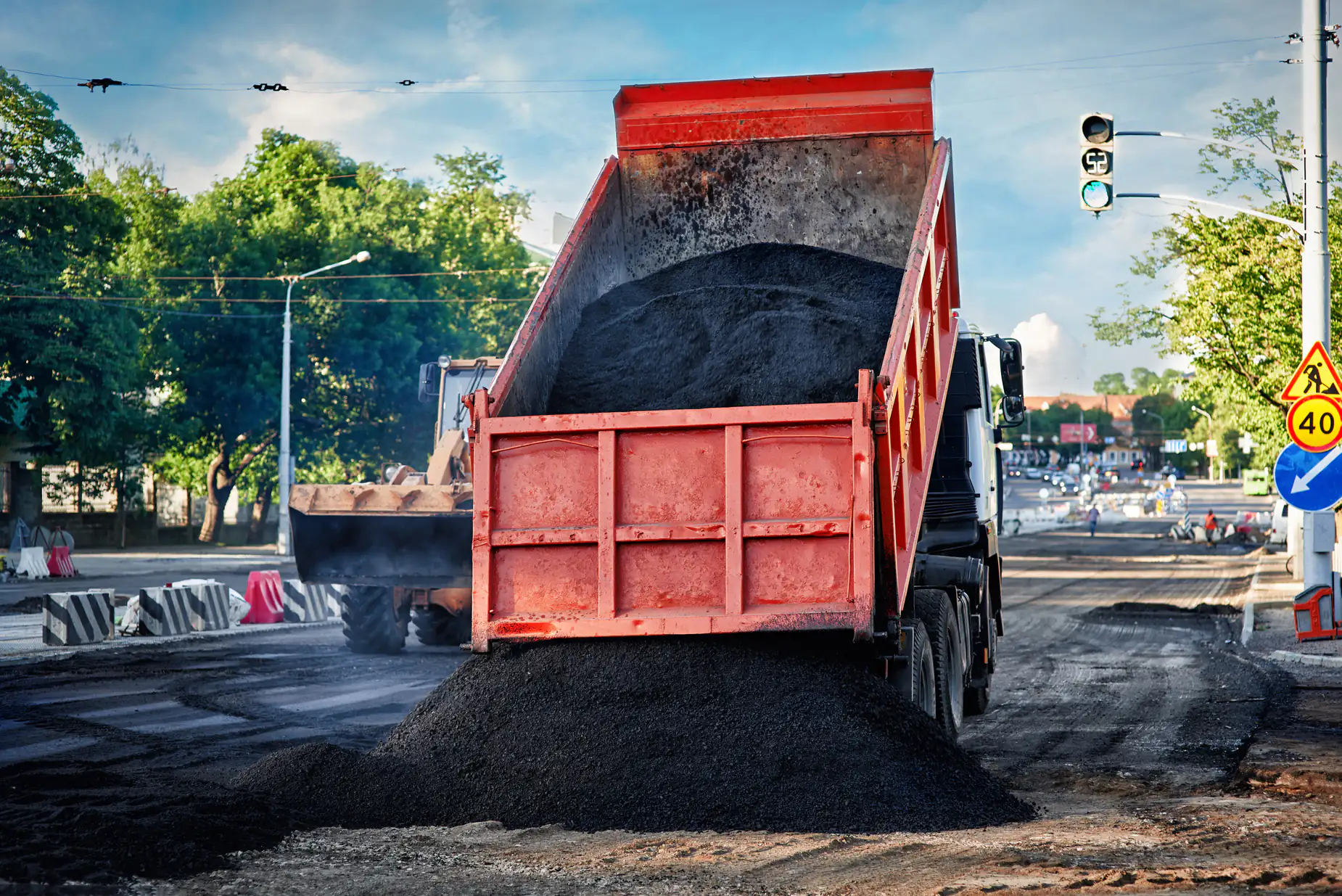
Then we apply the asphalt. We use high-grade hot mix asphalt, applied at the right temperature and compacted with professional equipment. The goal is a dense, smooth surface that bonds correctly and resists cracking.
After that, it cures. You’ll need to stay off it for a day or two depending on the project size and weather. We’ll give you a clear timeline so you know exactly when you can use it. No guessing.
Ready to get started?
You’re getting a full site assessment before we touch anything. We check for drainage issues, soil problems, and base stability. If your property has clay soil—common around Flanders and Morris County—we plan for it. Clay traps water under asphalt, and that water freezes, expands, and destroys your pavement from below.
You’re also getting proper base preparation. We excavate when necessary, grade for drainage, and compact a solid aggregate foundation. This isn’t optional. It’s the difference between asphalt that lasts 15 years and asphalt that fails in three.
Then there’s the material itself. We use high-grade hot mix asphalt applied at the correct temperature. Temperature matters. Too cold, and it won’t compact right. Too hot, and it can scorch. We monitor it, apply it right, and compact it with professional-grade equipment.
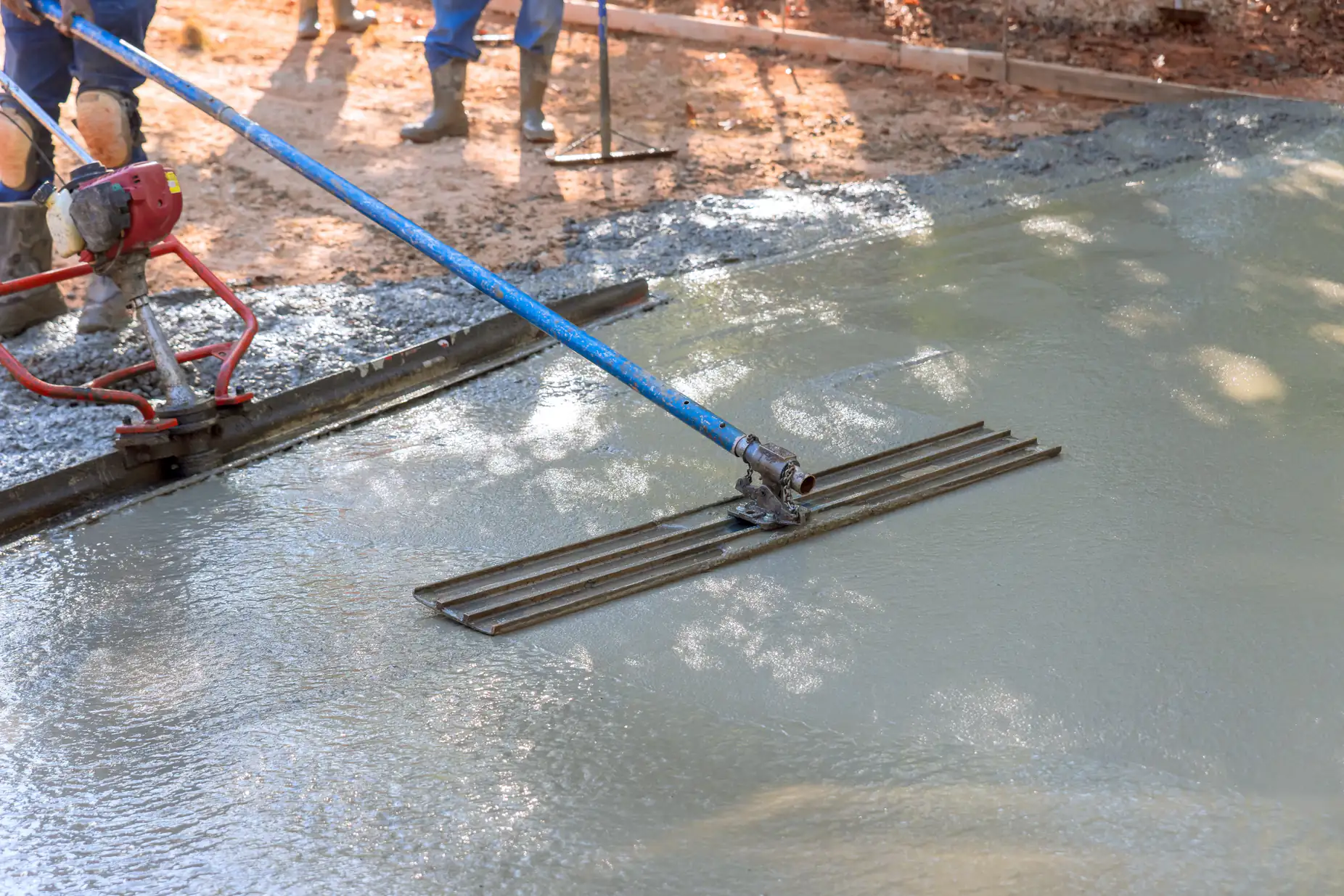
And if you want decorative options, we also handle concrete work—including stamped patterns and paver patios. But for most driveways and parking lots in this area, asphalt gives you the best balance of cost, durability, and repairability when North Jersey weather hits.
If it’s installed correctly, you’re looking at 15 to 20 years—sometimes more with regular maintenance like sealcoating. But that lifespan depends entirely on the quality of the base, the asphalt mix, and how well the contractor handles drainage.
Around Flanders and Morris County, freeze-thaw cycles are brutal. Water seeps into cracks, freezes, expands, and breaks apart the pavement. If your base wasn’t compacted right or your grading doesn’t move water off the surface, you’ll see damage much sooner.
That’s why proper site prep isn’t negotiable. A solid aggregate base, correct grading, and high-quality hot mix asphalt applied at the right temperature—that’s what gets you to 15+ years. Skip any of those steps, and you’re replacing it in five.
There isn’t one. Asphalt and blacktop are the same material—it’s just regional terminology. Some people call it blacktop, others call it asphalt. Both refer to hot mix asphalt pavement.
What actually matters is the quality of the mix and how it’s installed. You want high-grade hot mix asphalt that’s applied at the correct temperature and compacted properly. The mix should be dense and resilient enough to handle Morris County’s weather swings.
Some contractors will try to upsell you on different “types” of asphalt or blacktop. What you really need to focus on is the base preparation, drainage planning, and compaction process. Those factors determine performance far more than marketing terms.
For a residential driveway, you’re typically looking at $3 to $7 per square foot depending on site conditions, size, and prep work required. A standard two-car driveway runs between $2,500 and $6,000. Larger or more complex projects cost more.
But here’s what drives the price: excavation needs, base depth, drainage solutions, and accessibility. If your property has poor drainage or unstable soil, you’ll need more prep work. If we have to remove old pavement or deal with clay soil, that adds cost.
The cheapest bid isn’t always the best move. A contractor who lowballs the estimate often skips the base work or uses thinner asphalt. You’ll save money upfront and spend twice as much fixing it in three years. Get a detailed estimate that breaks down prep, materials, and labor—then you’ll know what you’re actually paying for.
For most properties in Flanders and Morris County, asphalt is the better choice. It handles freeze-thaw cycles better than concrete, costs less upfront, and is easier to repair when damage does happen.
Concrete cracks in cold climates. When water gets into those cracks and freezes, it expands and makes the damage worse. Repairs are expensive and often visible. Asphalt is more flexible, so it handles temperature swings without cracking as easily. And when you do need repairs, they blend in better.
That said, concrete makes sense in certain situations—if you want decorative stamped patterns, need a specific aesthetic, or have a lighter-use area like a walkway. But for a driveway that sees regular traffic and full North Jersey winters, asphalt gives you better performance and lower long-term costs.
You can usually drive on it within 24 to 48 hours, but the full cure time is longer—around 6 to 12 months. During that first year, the asphalt is still hardening and settling into its final form.
For the first few days, avoid heavy vehicles, sharp turns, and parking in the same spot repeatedly. The surface is still soft enough that heavy weight or turning tires can leave marks or create indentations.
After a week, normal use is fine. Just be mindful during the first summer—hot weather softens asphalt, so you might see minor impressions from car stands or heavy loads. That’s normal. Once it fully cures, it’ll be much more resistant. We’ll give you specific guidance based on your project size and the weather conditions when we install.
Yes, but not right away. You should wait at least 6 to 12 months after installation before applying sealcoat. The asphalt needs time to cure fully before you seal it.
After that, sealcoating every 2 to 3 years helps protect the surface from UV damage, water penetration, and chemical spills like oil or gas. It also restores the dark color and smooth appearance. Around Morris County, where winters are tough and summers are hot, sealcoating extends the life of your pavement significantly.
Skipping it won’t destroy your driveway immediately, but you’ll see faster deterioration—more cracks, fading, and surface wear. Think of it like changing the oil in your car. It’s preventive maintenance that saves you from bigger repairs down the road.