
Hear from Our Customers
Your driveway stops turning into a pothole minefield every spring. That’s what happens when the base is compacted correctly and the asphalt is applied at the right temperature—not rushed through because we’re trying to squeeze in one more job before dark.
You’re looking at 15 to 20 years of use if it’s installed properly. That means proper grading so water doesn’t pool, a solid aggregate base that won’t shift, and hot mix asphalt that’s dense enough to handle the freeze-thaw punishment East Orange throws at pavement.
When it’s done, you’ve got a smooth surface that doesn’t just look better—it actually protects your property value and keeps people from twisting ankles in your parking lot. No more explaining away cracks to potential buyers or worrying about liability every time it rains.
We’ve been handling residential and commercial paving projects across East Orange, Newark, Morristown, and over 80 other towns in Morris, Sussex, and Somerset County since the early 2000s. We know what North Jersey soil does to a poorly prepped base, and we know exactly how many freeze-thaw cycles your driveway will face each winter.
Our owner, Daniel Thomas, is on every job site. Not because we don’t trust our crew—but because that’s how we make sure your project gets done the way we’d do it for our own property. You’ll get a callback within 24 to 48 hours of your quote request, and when we give you a price, that’s the price. No surprises when the invoice shows up.
We’re BBB accredited, fully insured in New Jersey, and we show up when we say we will. If that sounds basic, it’s because it should be—but you probably already know it isn’t always.
First, we assess your site and talk through drainage. If water doesn’t have anywhere to go, your driveway won’t last—doesn’t matter how good the asphalt is. We grade the area so runoff moves away from your foundation and the pavement itself.
Then we prep the base. This means excavating to the right depth, laying down a compacted aggregate base, and making sure it’s level and stable. Shortcuts here are what cause settling and cracks two years later. We use a roller compactor, not hope.
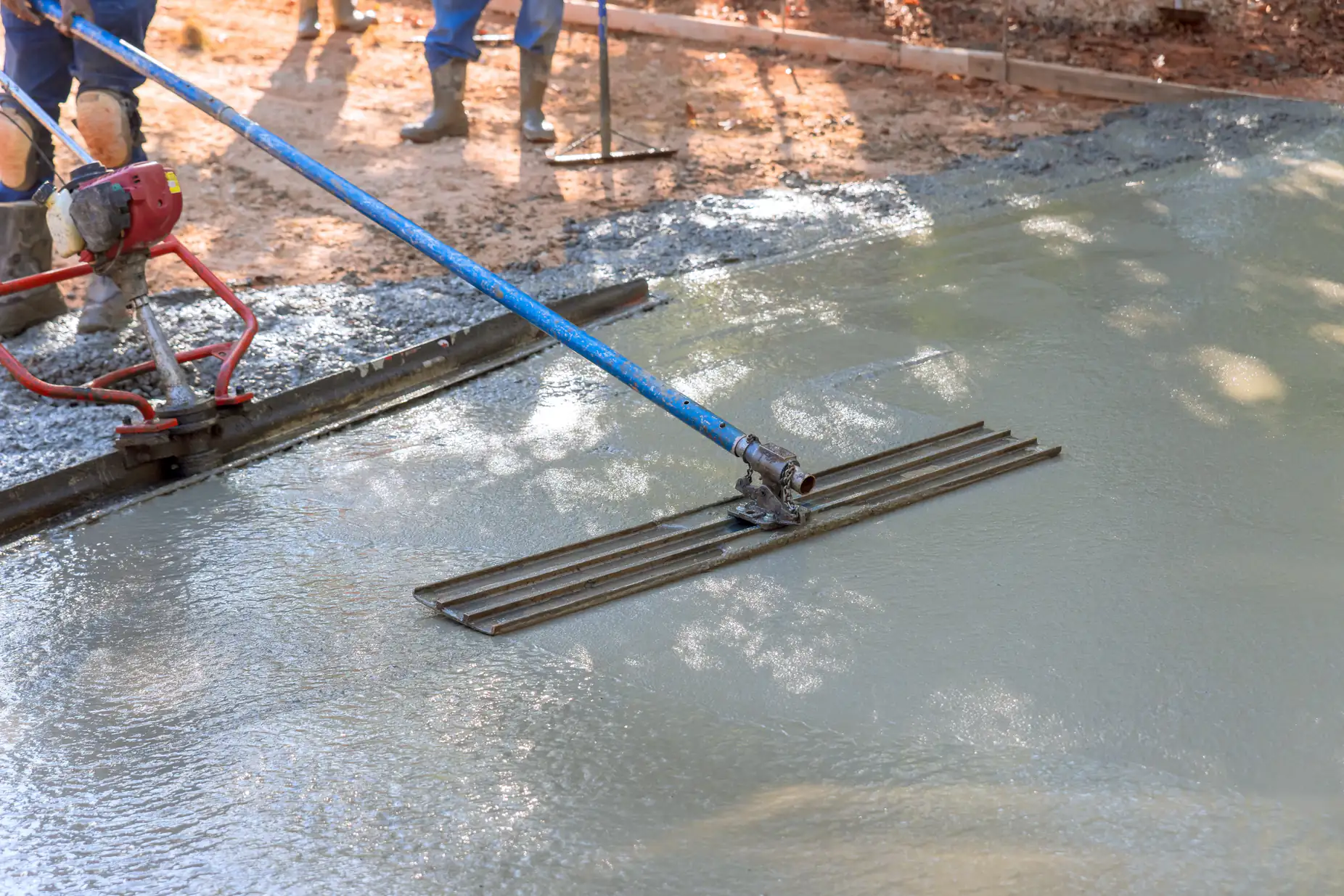
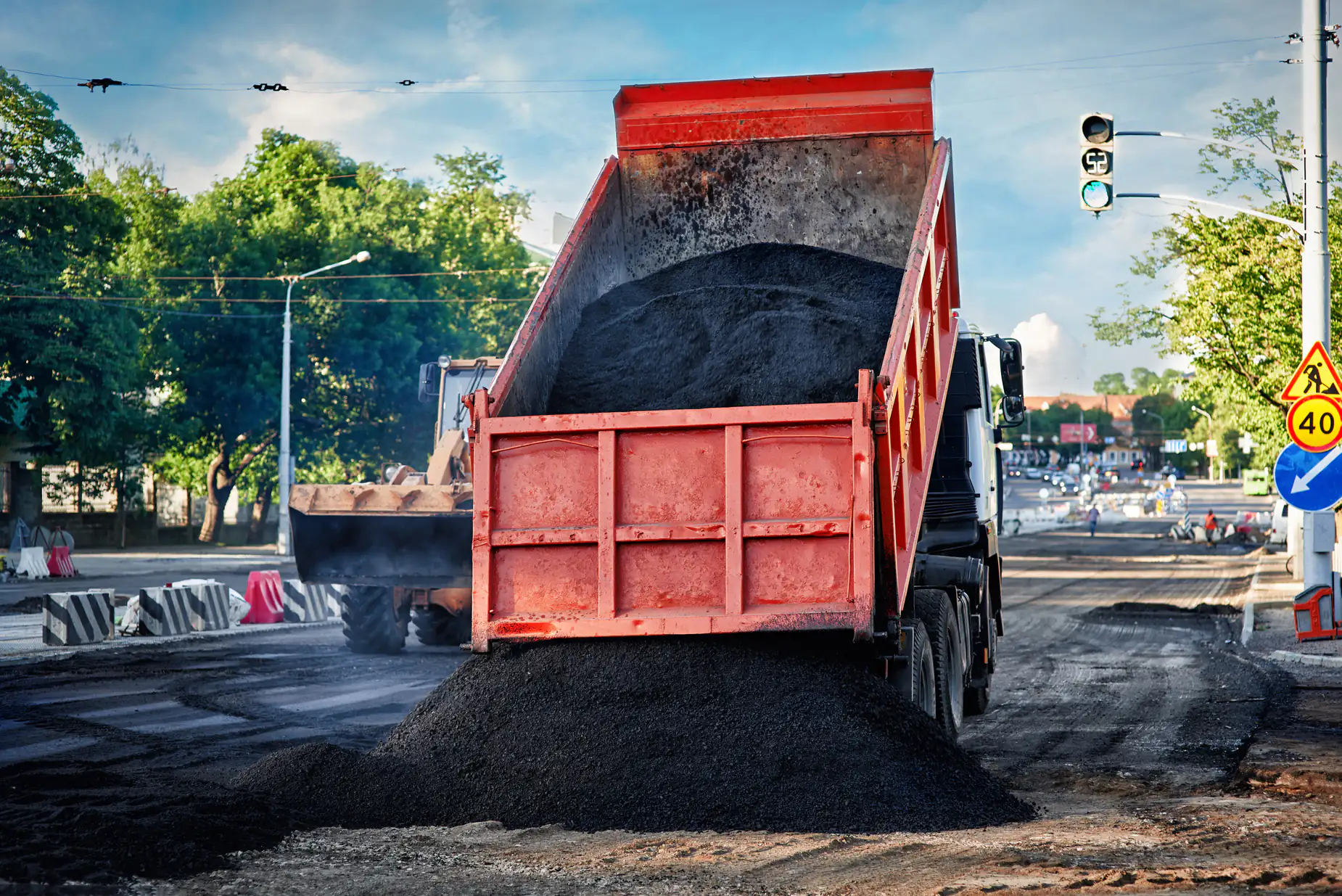
Once the base is ready, we apply high-grade hot mix asphalt at the correct temperature. It gets spread evenly, compacted again, and left to cure. For concrete jobs, we use Portland cement mixes with rebar reinforcement and can add decorative stamped finishes if that’s what you’re after.
After installation, we clean up the site. You’re not left with piles of dirt or chunks of old asphalt sitting in your yard. And if you want sealcoating or striping down the line, we handle that too.
Ready to get started?
You’re getting site prep, grading, and a properly compacted aggregate base—not just a layer of asphalt slapped over dirt. We handle driveways, parking lots, roadways, and patching work for both residential and commercial properties across East Orange and surrounding areas like Newark, Parsippany, Somerset, and Dover.
East Orange sits in Essex County, where winter weather is particularly tough on pavement. You’re dealing with more freeze-thaw cycles than properties even 30 miles south, which means water gets into cracks, expands when it freezes, and literally pushes your driveway apart from the inside. We account for that during installation by ensuring proper drainage and using materials that hold up under pressure—up to 30,000 psi when water freezes inside pavement.
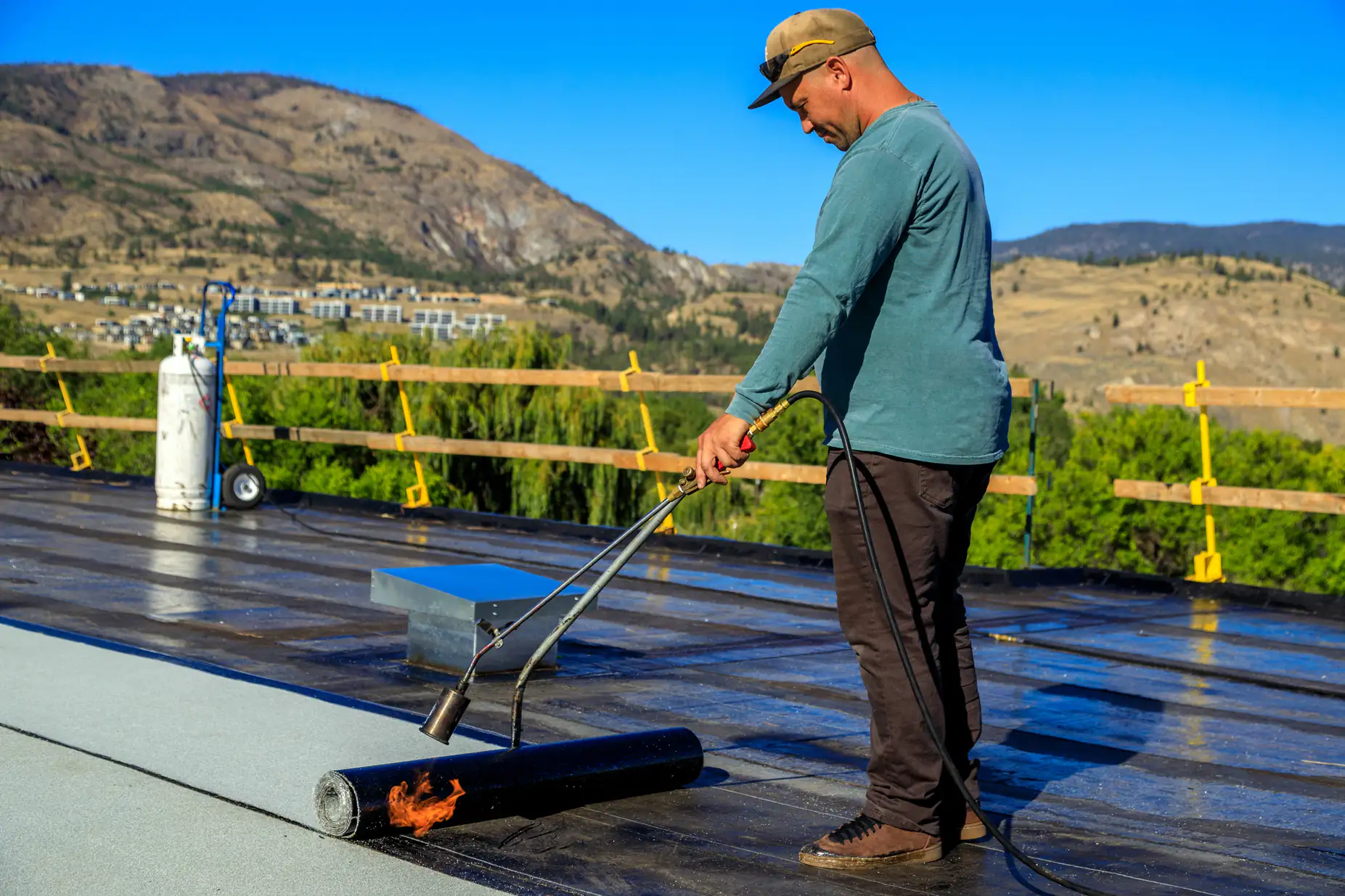
We also offer sealcoating services, which should be done between mid-April and mid-October in New Jersey. Sealcoating protects against UV damage, water infiltration, and surface wear. It’s not just cosmetic—it extends the lifespan of your asphalt and prevents small cracks from becoming expensive problems.
If you’re a business owner, your parking lot is the first thing customers see. We’ll make sure it’s not also the last impression they remember.
If it’s installed correctly, you’re looking at 15 to 20 years. That assumes proper base preparation, good drainage, and some basic maintenance like sealcoating every few years.
The biggest killer of asphalt in East Orange is the freeze-thaw cycle. Water seeps into small cracks, freezes overnight, expands, and breaks the pavement apart. Do that 40 or 50 times a winter and you’ll have potholes by spring. Proper installation minimizes those cracks in the first place.
Regular sealcoating adds another layer of protection and can push your driveway closer to the 20-year mark. Skip it, and you might be looking at major repairs within a decade. It’s not complicated—just a matter of doing it right from the start and not ignoring it once it’s down.
Nothing. They’re the same thing. “Blacktop” is just another term for asphalt pavement, and people use them interchangeably around here.
Both refer to hot mix asphalt—a combination of aggregate (stone and sand) and liquid asphalt binder that’s heated, mixed, and applied while hot. Once it cools and cures, you’ve got a durable surface that handles traffic and weather.
Some contractors might try to make it sound like there’s a difference to justify a higher price or a specific process, but there isn’t. What matters is the quality of the materials, the temperature during application, how well the base is prepped, and whether the crew knows what they’re doing. The name doesn’t change any of that.
It depends on size, current condition, and how much prep work is needed. A standard two-car driveway usually runs a few thousand dollars, but that number moves around based on what we’re working with.
If your existing driveway is gravel or dirt, we’re starting from scratch—excavation, grading, base installation, and then asphalt. If you’ve already got old asphalt that just needs resurfacing, the cost drops because there’s less prep involved.
We give you a clear price upfront after we assess your property. No hidden fees, no surprise charges when the job’s done. You’ll also get a copy of our New Jersey insurance with the proposal, so you know exactly who you’re working with. If you request a quote online, expect a callback within 24 to 48 hours.
Late spring through early fall—roughly mid-April to mid-October. Asphalt needs warm temperatures to cure properly, and you want to avoid installing it right before freezing weather hits.
If you’re getting sealcoating done, the same window applies. The sealant needs time to dry and bond to the surface, and that doesn’t happen well in cold or wet conditions. Trying to rush a job in November usually means you’re back out there fixing it in March.
That said, repairs can sometimes be done outside that window if it’s an emergency—like a pothole that’s creating a safety hazard. But for new installations or resurfacing, waiting until the weather cooperates means the job lasts longer and performs better. It’s worth planning ahead instead of scrambling when your driveway finally gives out in the middle of winter.
Yes, but not right away. You should wait at least six months to a year after installation before applying sealcoating. The asphalt needs time to cure fully before you add another layer on top.
After that, sealcoating every two to three years is a smart move. It protects against water infiltration, UV damage, and the wear that comes from traffic and weather. It also fills in small surface cracks before they turn into bigger problems.
In East Orange, where freeze-thaw cycles are brutal, sealcoating can extend your driveway’s lifespan by years. It’s a relatively inexpensive maintenance step compared to resurfacing or full replacement. Think of it like changing the oil in your car—skip it long enough and you’ll pay for it later.
It depends on the condition of what’s already there. If your current driveway has a solid base and the surface damage is mostly cosmetic—small cracks, minor wear—we can usually resurface it by adding a new layer of asphalt on top.
But if the base has failed, if there’s significant settling, or if the whole thing is falling apart, resurfacing won’t fix it. You’ll just be putting new asphalt over a bad foundation, and it’ll crack again within a year or two. In those cases, you need to remove the old material and start fresh.
We’ll assess your driveway and tell you honestly what makes sense. There’s no point in selling you a resurfacing job if it’s not going to hold up. Sometimes the cheaper option upfront costs you more in the long run, and we’d rather have the conversation now than have you call us back in 18 months wondering why it failed.