
Hear from Our Customers
You’ve probably seen driveways fail after just a few years. Cracks spreading. Edges crumbling. Water pooling near your garage.
That happens when contractors skip the base work or use thin asphalt layers. When your driveway is built right from the ground up, water drains where it should. The surface stays smooth. You’re not calling someone back in three years to redo the whole thing.
A solid driveway means you’re not dealing with puddles every time it rains. You’re not watching chunks break off every winter. You’re getting 15 to 20 years of performance because the foundation, the materials, and the installation all work together the way they’re supposed to.
We’ve been working in Morris, Sussex, and Somerset Counties for over 20 years. We’re not showing up with leftover materials from another job. We’re not disappearing after you hand over a deposit.
Chatham properties sit on varied terrain with drainage challenges that require local knowledge. We understand how soil composition affects your base, how winter conditions impact asphalt performance, and what it takes to build something that lasts in this climate.
When you call, you’ll get a callback within 24 to 48 hours. When we quote a price, that’s the price. When we schedule your project, we show up.
First, we assess your existing surface and drainage. If there’s poor base material or standing water issues, we address that before any asphalt goes down.
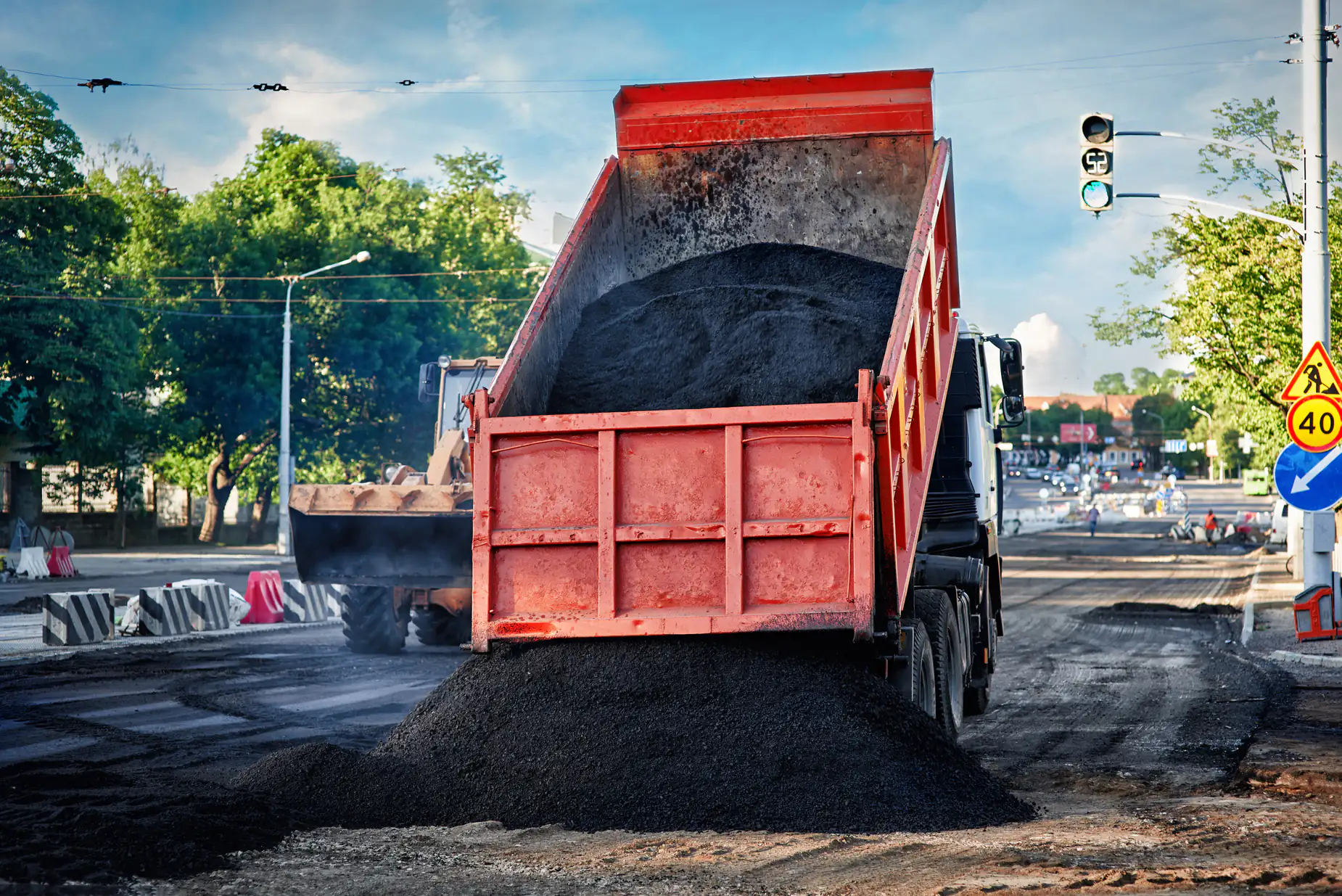
Next comes excavation and grading. We remove old material, compact the subbase, and ensure proper slope for water runoff. This step determines whether your driveway lasts five years or twenty.
Then we apply high-grade hot mix asphalt at the right temperature. Not cold. Not thin. We’re talking about proper thickness applied when the material performs best. The edges get compacted. The surface gets rolled smooth. Everything gets done while the asphalt is still workable.
After installation, you’ll need to stay off it for a day or two while it cures. Then it’s ready. No ongoing maintenance requirements beyond basic sealcoating every few years if you want to extend the life even further.
Ready to get started?
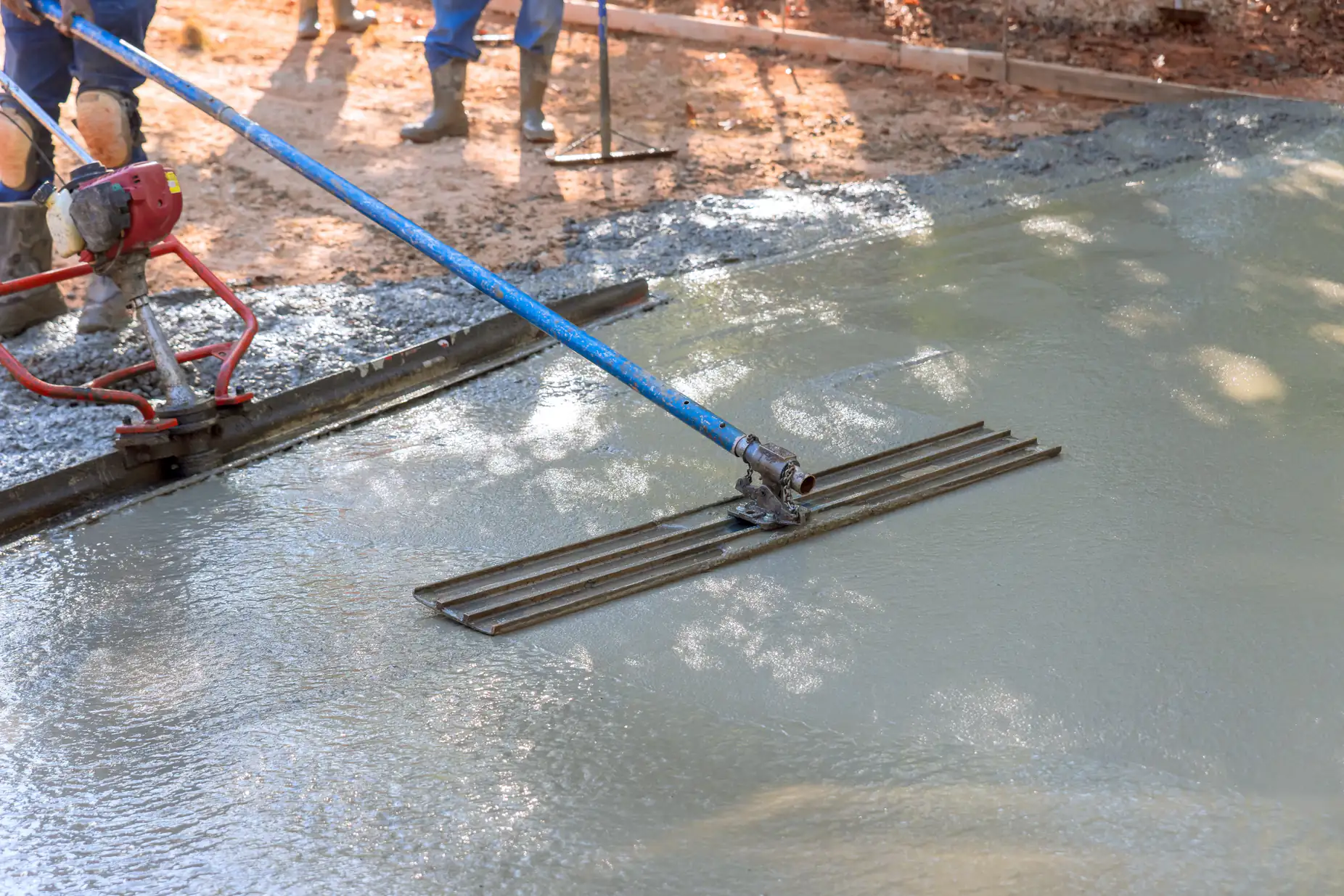
You’re getting a complete installation, not just asphalt thrown on top of whatever’s there. That means proper excavation, graded base material, compaction, and the right asphalt thickness for your specific use.
In Chatham, where properties average over $900,000, your driveway is part of your home’s curb appeal and functionality. We handle residential driveways, commercial parking areas, and blacktop repairs. If you need decorative options, we also install stamped concrete with rebar reinforcement.
Morris County weather is tough on pavement. You’re dealing with freeze-thaw cycles that crack weak installations and road salt that accelerates deterioration. We use NJDOT-approved asphalt mixes designed for these exact conditions. The materials meet state standards because they have to perform in this climate.
You’ll get upfront pricing with no surprise charges. A written estimate that covers the scope of work. And a timeline we actually stick to.
Most residential driveways in Chatham run between $3 and $7 per square foot for asphalt, depending on the condition of your existing base and how much prep work is needed. A typical 600-square-foot driveway costs somewhere between $2,400 and $4,800.
If your current driveway has major drainage issues or the base has failed, you’re looking at additional excavation and grading work. That adds to the cost but also means your new driveway will actually last instead of failing in the same spot three years from now.
We give you a clear quote upfront. No hidden fees. No “we found something else” charges halfway through. You’ll know what you’re paying before we start.
Most residential driveway projects take one to three days depending on size and complexity. Day one is usually excavation and base prep. Day two is asphalt installation. If it’s a smaller driveway with minimal prep, we can often complete everything in a single day.
Weather plays a role. We can’t install asphalt in heavy rain or when temperatures drop too low. The material needs proper conditions to cure correctly.
After installation, you’ll need to stay off the surface for 24 to 48 hours. Then it’s ready for normal use. You can park on it, drive on it, and forget about it for the next 15 to 20 years if it’s maintained properly.
Nothing. They’re the same material. “Blacktop” is just a common term people use for asphalt pavement, especially in residential settings.
Both refer to hot mix asphalt (HMA), which is a combination of aggregate (stone and sand) and liquid asphalt binder. When it’s heated, mixed, and applied correctly, you get a durable surface that handles vehicle traffic and weather exposure.
Some contractors might try to upsell you on “premium blacktop” versus “standard asphalt,” but what really matters is the quality of the mix, the thickness of the application, and the base preparation. Those factors determine performance, not what you call the material.
If you’re seeing isolated cracks or small potholes and the rest of the surface is solid, repairs usually make sense. If more than 30% of your driveway is damaged, or if you have widespread cracking and base failure, replacement is typically the better investment.
Look for signs like standing water that won’t drain, large sections of crumbling asphalt, or areas where the surface has sunk. Those indicate base problems that patching won’t fix. You can patch over them temporarily, but the issue will come back.
During a site visit, we’ll tell you honestly whether repair or replacement makes more sense for your situation. Sometimes a good sealcoat and crack filling buys you a few more years. Other times, you’re just throwing money at a driveway that’s going to fail anyway.
Yes, if it’s installed correctly with proper materials. New Jersey freeze-thaw cycles are brutal on pavement. Water gets into cracks, freezes, expands, and breaks the asphalt apart. Road salt accelerates the process.
We use high-grade HMA applied at the right temperature and thickness. The base gets compacted and graded for drainage so water doesn’t pool and freeze under the surface. Those two factors—proper drainage and quality materials—are what determine whether your driveway survives winter or falls apart.
You can extend the life even further with sealcoating every few years. That adds a protective layer against salt and moisture. But the real durability comes from the installation itself, not what you do afterward.
Don’t hire anyone who shows up at your door offering “leftover asphalt from another job.” That’s the oldest scam in the paving business. These crews are unlicensed, uninsured, and gone the moment something goes wrong.
Get everything in writing. A legitimate paving company will give you a detailed estimate that covers materials, labor, timeline, and warranty. If someone won’t put it on paper, walk away.
Check that they’re licensed and insured in New Jersey. Ask for references from recent projects in your area. And don’t pay the full amount upfront. A reasonable deposit is normal, but if they want everything before they start, that’s a red flag.