
Hear from Our Customers
You’re not just getting a smooth surface. You’re getting a driveway that drains properly, resists cracking through winter, and doesn’t need replacement in five years because someone cut corners on the base.
Morris County weather is brutal. The freeze-thaw cycle here is relentless, and if your asphalt isn’t installed with proper drainage and a compacted base, you’ll see cracks and potholes faster than you’d expect. We use high-grade hot mix asphalt applied at the right temperature, on a base that’s prepared to handle what New Jersey throws at it.
When we’re done, you have a driveway that looks clean, performs through winter, and doesn’t surprise you with expensive repairs two years later. That’s what proper installation gets you.
We’ve been working in Morris County for more than two decades. We’re not new to Cedar Knolls, and we’re not learning on your driveway. We know the soil conditions here, the local regulations, and what it takes to build asphalt that holds up.
We’re a family-owned company, fully licensed and insured. We don’t subcontract the work or disappear after the job. When you call, you’re talking to people who will actually be on site, and when something needs attention down the road, we’re still here.
First, we assess your site. That means looking at drainage, grading, and the condition of your existing surface if you’re replacing something. Poor drainage destroys pavement faster than anything else, especially in New Jersey where freeze-thaw cycles turn standing water into structural damage.
Next, we prepare the base. This is where most problems start if it’s done wrong. We excavate to the right depth, compact the base material properly, and make sure water has somewhere to go. Shortcuts here mean cracks later, so we don’t take them.
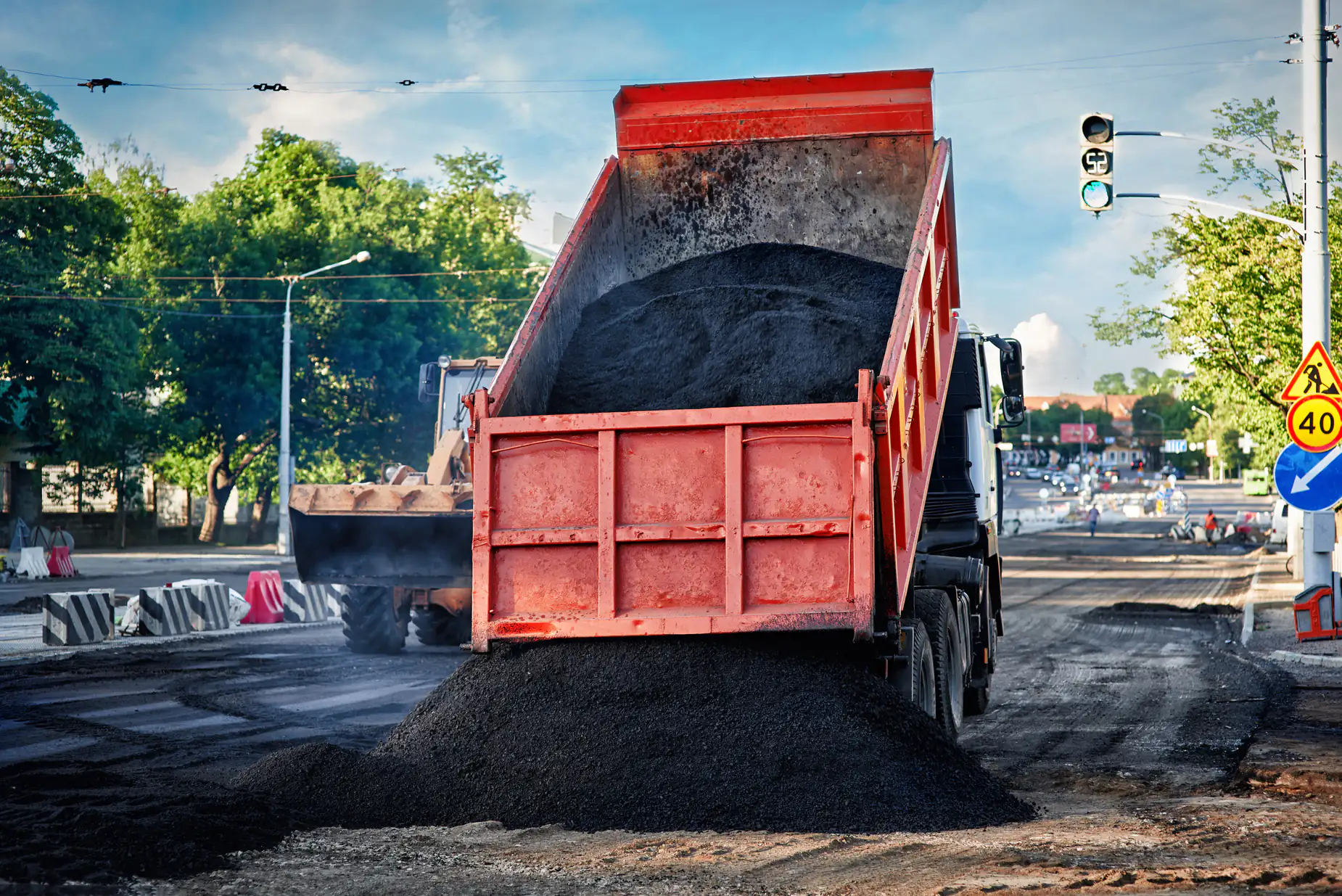
Then we apply the asphalt. We use hot mix asphalt at the proper temperature, spread it evenly, and compact it with commercial-grade equipment. Asphalt needs to be worked quickly while it’s hot, which is why we use well-maintained equipment and experienced crews. Once it’s compacted and smooth, it needs time to cure. We’ll tell you exactly when you can drive on it, and we stick to a schedule so you’re not left guessing.
Ready to get started?
You’re getting a full installation, not just a surface layer. That includes site preparation, proper grading for drainage, a compacted base, and hot mix asphalt applied at commercial standards. We also handle any necessary permits and make sure the work meets Cedar Knolls township requirements.
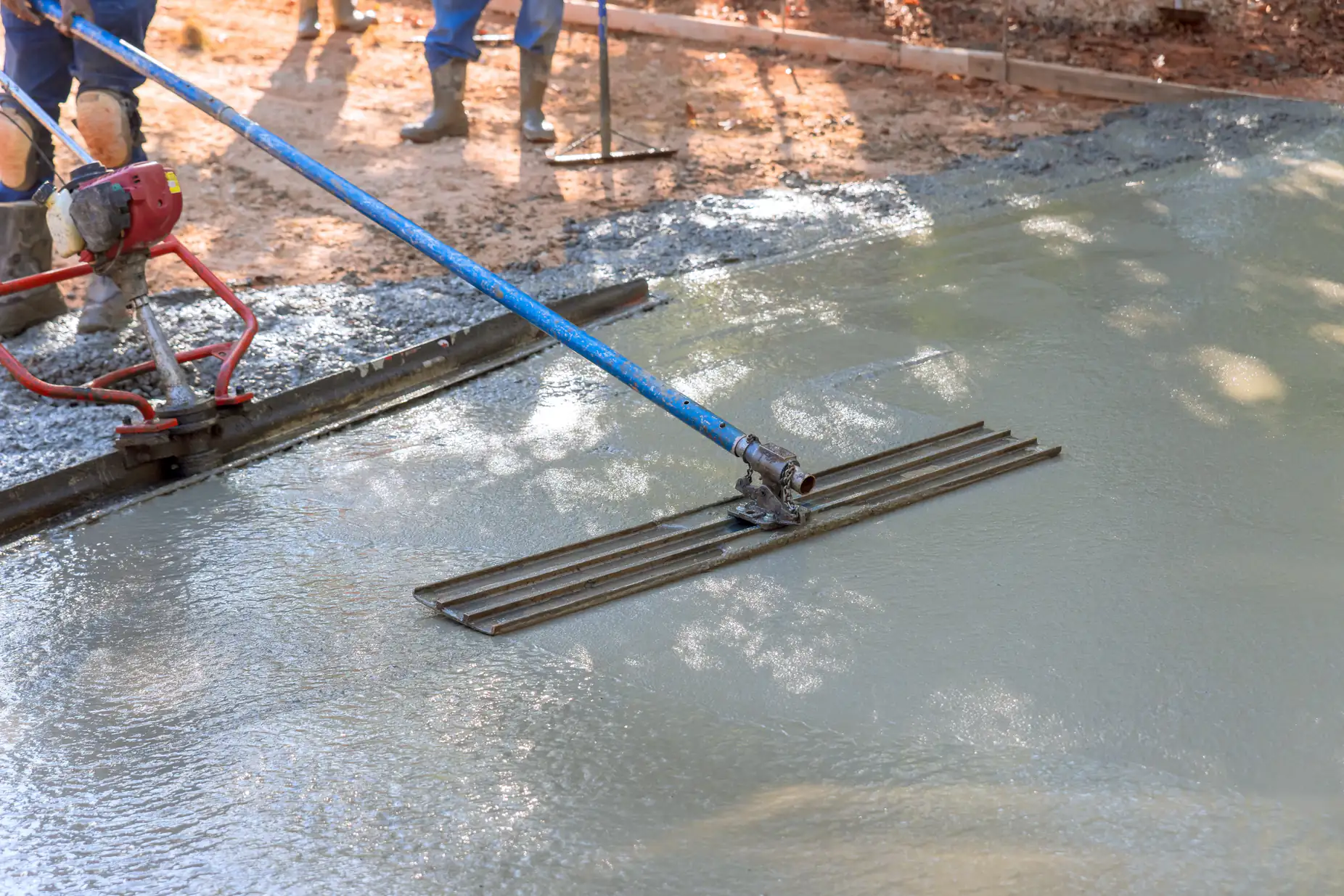
If you’re replacing an old driveway, we remove the existing material and dispose of it properly. If you need concrete curbing, paver stone accents, or stamped concrete borders, we handle that too. We’re not just a blacktop company. We offer concrete paving, decorative options, and full site work for both residential and commercial properties.
Morris County properties face unique challenges. The winters here are tougher than most of New Jersey, with more freeze-thaw cycles and heavier snow loads. We account for that in how we prepare the base, how we grade for drainage, and what materials we use. You’re not getting a generic install. You’re getting asphalt paving that’s designed for this climate.
A properly installed asphalt driveway can last 15 to 20 years in Morris County, but that depends entirely on how it’s built and how it’s maintained. If the base isn’t compacted correctly or drainage isn’t addressed, you’ll see problems in five years or less.
The freeze-thaw cycle here is one of the most destructive forces your driveway will face. Every time water seeps into a crack, freezes, and expands, it pushes the asphalt apart. Over time, that creates potholes and structural damage. Proper installation with a solid base and good drainage prevents most of that.
Maintenance matters too. Sealcoating every two to three years costs a few hundred dollars but can extend your driveway’s life by a decade. Ignoring small cracks and letting water infiltrate the base will cut that lifespan in half. If you want 20 years out of your driveway, it starts with doing it right the first time.
Spring, summer, and fall are ideal for asphalt paving. We don’t recommend installing asphalt when temperatures drop below 50 degrees because the material doesn’t compact properly in cold weather. That means winter is generally off the table.
Spring is the busiest season because everyone’s calling after winter damage. Crews get booked three to four weeks out, and prices can jump 10 to 15 percent due to demand. If you want to avoid the rush and save a bit, booking in late winter for early spring installation is smart.
Summer and fall are excellent for paving. The weather is stable, asphalt cures properly, and scheduling is more flexible. Just keep in mind that if you wait until late fall, you’re gambling with temperature. We’ll always tell you if conditions aren’t right for installation, because doing it wrong to meet a deadline isn’t worth the problems it causes later.
Asphalt paving in New Jersey typically runs between $3.50 and $6.00 per square foot installed, depending on the scope of the project, site conditions, and material costs. A standard two-car driveway is usually between 400 and 600 square feet, so you’re looking at roughly $1,400 to $3,600 for a straightforward job.
That price includes excavation, base preparation, grading, and asphalt installation. If your site has drainage issues, needs significant grading work, or requires removal of old material, costs go up. Decorative borders, paver stone accents, or concrete curbing add to the total as well.
We give you upfront pricing with no surprise charges. You’ll know exactly what the work involves and what it costs before we start. If you’re getting quotes that seem unusually low, ask what’s included. Contractors who cut corners on base preparation or use thin asphalt layers can come in cheaper, but you’ll pay for it later when the driveway fails prematurely.
Cracking happens when water gets into the asphalt, freezes, expands, and breaks the surface apart. If your driveway cracks every winter, it’s usually because of poor drainage, a weak base, or lack of maintenance. Sometimes it’s all three.
Morris County’s freeze-thaw cycle is relentless. Water that sits on the surface or seeps into existing cracks will freeze overnight and expand. That expansion creates pressure that the asphalt can’t handle, especially if the base underneath isn’t stable. If the base wasn’t compacted properly during installation, it shifts and settles unevenly, which causes surface cracking.
Sealcoating helps. It fills small cracks and creates a waterproof barrier that keeps moisture out. If you’re not sealcoating every two to three years, you’re letting water infiltrate the surface, and that accelerates damage. If your driveway is already cracking badly, sealcoating won’t fix it. You’ll need repairs or resurfacing, depending on how deep the damage goes.
Sometimes, but not always. If your existing driveway has a solid base and only surface-level damage, we can install a new layer of asphalt over it. That’s called resurfacing or overlay, and it’s less expensive than a full replacement. But if the base is compromised, resurfacing is just putting new asphalt on top of a problem.
We assess the condition of your current driveway before recommending resurfacing. If there are deep cracks, potholes, or areas where the base has failed, an overlay won’t last. You’ll see the same issues come through the new layer within a year or two. In those cases, full removal and reinstallation is the right move.
Resurfacing works well for driveways that are structurally sound but worn on the surface. It’s faster and cheaper than starting from scratch, and it can add another 10 to 15 years of life if the base is good. We’ll tell you honestly whether resurfacing makes sense for your driveway or if you’re better off replacing it.
Yes, if you want it to last. Sealcoating protects asphalt from water, UV damage, and the chemicals in ice melt and road salt. It fills small cracks before they become big problems and keeps the surface flexible so it can handle temperature changes without breaking apart.
You should sealcoat every two to three years. It costs between $200 and $500 for a typical driveway, depending on size and condition. That’s a small investment compared to the $5,000 or more you’ll spend on replacement if you let the driveway deteriorate. Sealcoating can extend your driveway’s life by 10 to 15 years.
Don’t sealcoat too soon after installation. New asphalt needs six months to a year to cure fully before you apply sealant. After that, regular sealcoating is the best maintenance you can do. If you’re not sure when your driveway was last sealed or if it’s overdue, we can assess it and let you know what it needs.