
Hear from Our Customers
You’re tired of watching your driveway crack apart every spring. Water seeps into those hairline fractures all winter, freezes, expands, and by March you’re staring at potholes and crumbling edges that weren’t there in October.
That’s what happens when the foundation work gets skipped or rushed. When the base isn’t properly graded for drainage. When contractors use the wrong asphalt mix or apply it at the wrong temperature because they’re trying to squeeze in one more job before dark.
You end up paying twice. Once for the initial install, and again six months later when you’re calling someone else to fix what should’ve been done right the first time. A proper asphalt installation in Caldwell means understanding Morris County soil conditions, local drainage patterns, and how to engineer a surface that handles our specific climate. It means you’re not dealing with constant repairs or wondering if this winter will be the one that destroys your driveway.
We’ve spent over 20 years working specifically in Morris, Sussex, and Somerset County. We’re not a crew that shows up in an unmarked truck, quotes you one price, then demands double halfway through the job.
We’re local to Dover. We know Caldwell’s neighborhoods, the drainage issues on older properties near town center, and the foundation requirements that matter in this area. When you call, you get a callback within 24 to 48 hours, not radio silence for two weeks.
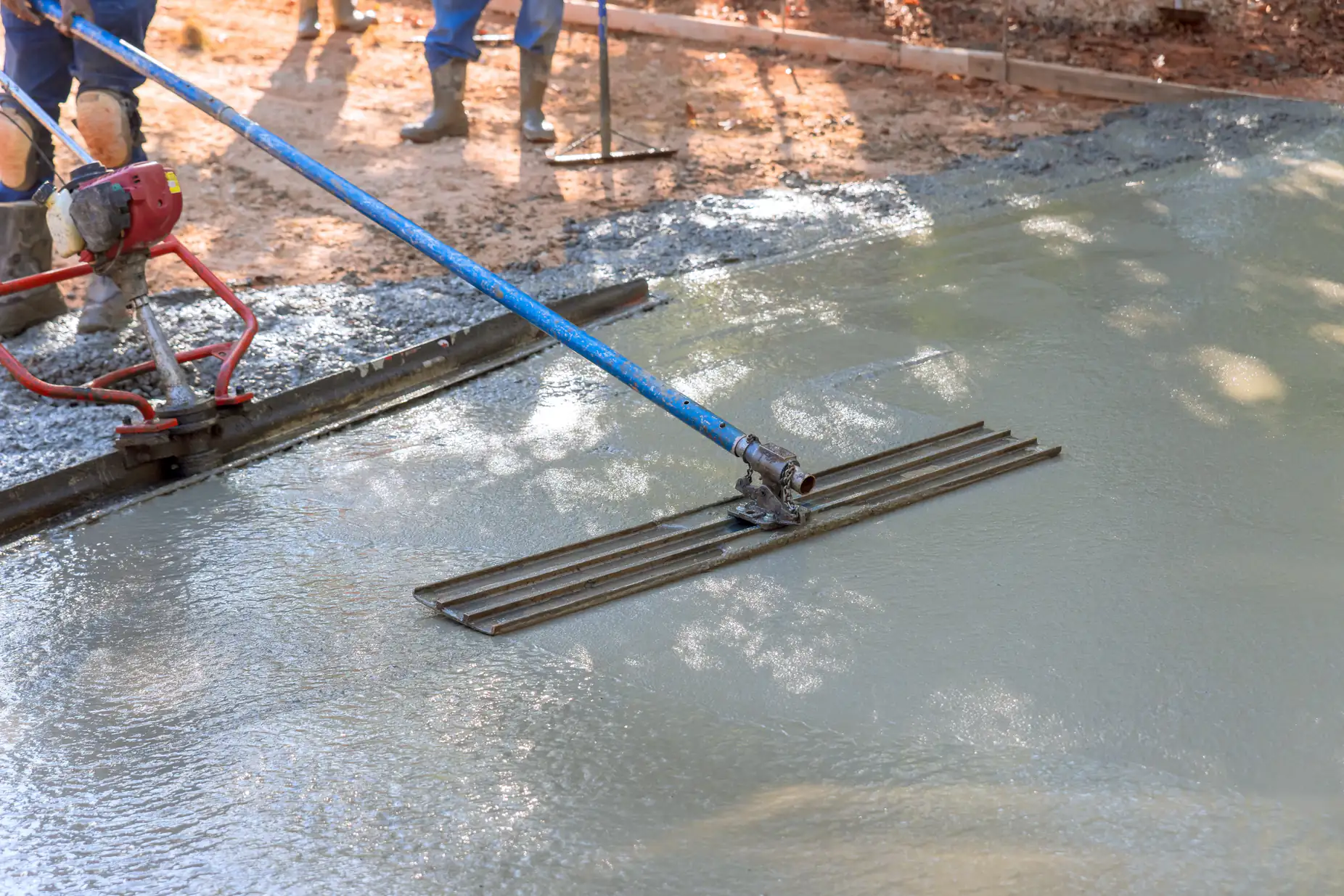
You’ll get clear pricing upfront. No surprise charges after we’ve already torn up your driveway. We use high-grade hot mix asphalt applied at the proper temperature, not whatever’s cheapest or most convenient. And if we’re doing concrete work, it’s Portland cement mixes with rebar reinforcement, not the shortcuts that fail in three years.
First, we assess your existing surface and drainage. If there’s an old driveway, we remove it completely along with any compromised base material. This isn’t optional—you can’t build a lasting surface on top of a failing foundation.
Next comes site preparation and grading. This is where most contractors cut corners, and it’s where most driveways fail. We establish proper slope for water runoff, compact the subgrade, and install a robust aggregate base. If your property has drainage issues, we address them now, not after the asphalt is down.
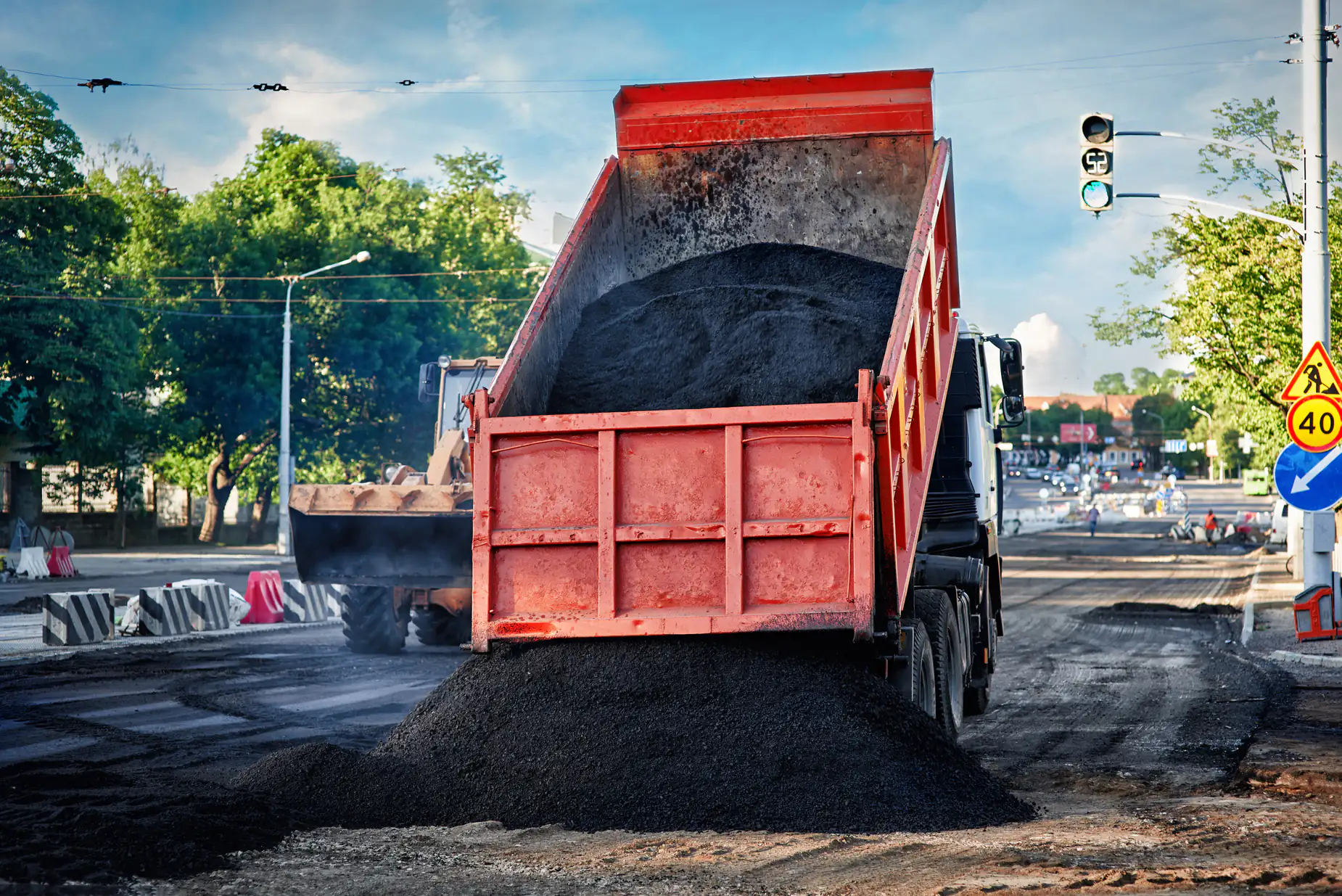
Then we apply the asphalt. We’re talking high-grade HMA at the correct temperature, not lukewarm mix that won’t bond properly. The thickness matters, the compaction matters, and the timing matters. We’re not rushing to finish before the material cools.
After installation, we handle edging and any final grading. You’ll know exactly when you can drive on it and what to expect during the curing process. If you opted for sealcoating, we’ll schedule that after the surface has properly cured. You’re not guessing about next steps or wondering if someone’s coming back.
Ready to get started?
You’re getting a driveway or parking lot engineered for New Jersey’s climate. That means material selection based on local temperature swings, not generic specs from a manual. Hot mix asphalt that creates a solid, weather-resistant foundation.
If you’re in one of Caldwell’s older neighborhoods near Grover Cleveland Park or around Provident Bank headquarters, you might be dealing with drainage quirks that newer developments don’t have. We factor that in during site prep. Properties near the Caldwell branch of the Essex County park system sometimes have specific grading challenges. We’ve handled them before.
You’re also getting transparency about what happens next. Asphalt needs time to cure fully. You’ll get a realistic timeline for when you can park on it, when heavy vehicles are okay, and when sealcoating makes sense. Most driveways benefit from sealcoating every few years to extend lifespan, but that’s a conversation based on your actual usage and exposure, not a sales pitch.
For commercial properties, we handle parking lot layouts, ADA compliance, and coordination with your business schedule. You’re not shutting down for a week because a paving contractor couldn’t plan around your operating hours.
A properly installed asphalt driveway in Caldwell should last 15 to 20 years, sometimes longer with regular maintenance. That number assumes the foundation work was done correctly and you’re sealcoating every three to four years.
Here’s what kills driveways early: poor drainage, inadequate base preparation, and thin asphalt layers. If water pools on your driveway or runs toward your foundation instead of away from it, you’re looking at premature failure regardless of the asphalt quality. If the contractor skimped on base material or didn’t compact it properly, you’ll see settling and cracking within the first few years.
New Jersey’s freeze-thaw cycles are brutal on pavement. Water gets into small cracks, freezes, expands, and turns minor damage into major problems. That’s why proper installation matters more here than in milder climates. You need the right thickness, the right compaction, and a surface graded to shed water quickly. Sealcoating protects against UV damage and water penetration, which is why it’s not optional if you want to hit that 20-year mark.
Asphalt costs less upfront, handles freeze-thaw cycles better, and is easier to repair. Concrete costs more initially, lasts longer if installed perfectly, but cracks are harder and more expensive to fix.
In Morris County’s climate, asphalt is usually the smarter choice for driveways. It flexes slightly during temperature changes instead of cracking like concrete tends to do. When repairs are needed, you can patch asphalt or resurface it without replacing the entire driveway. Concrete repairs are more visible and often require full slab replacement to look right.
Concrete does offer more design options if aesthetics are a priority. Stamped patterns, decorative finishes, and color choices that asphalt can’t match. It also doesn’t need sealcoating the way asphalt does. But you’re paying significantly more upfront, and if a concrete driveway fails due to ground movement or poor installation, the fix is expensive and disruptive. For most Caldwell homeowners, asphalt delivers better value and performance given our weather patterns.
Expect to pay between $3 and $7 per square foot for residential asphalt paving in Caldwell, depending on site conditions, thickness, and prep work required. A standard two-car driveway typically runs $2,500 to $5,000.
That range exists because every property is different. If we’re removing old pavement and hauling it away, costs go up. If your property has drainage issues that need correction, that adds to the scope. If we’re working with challenging access or significant grading requirements, it affects pricing. Thickness matters too—a driveway that sees heavy vehicle traffic needs more asphalt than one used by sedans.
Be skeptical of quotes that come in way below this range. Extremely low bids usually mean corners are being cut somewhere. Thin asphalt, inadequate base prep, or substandard materials. You’ll save money upfront and spend more fixing problems later. Contractors who quote without seeing your property are guessing, and those guesses rarely account for the actual work required. You want someone who evaluates your specific site conditions and prices accordingly.
Late spring through early fall is ideal for asphalt paving in New Jersey. You need consistent temperatures above 50°F for proper installation and curing, which typically means May through October.
Asphalt needs warmth to be applied correctly and to cure properly. Cold temperatures cause the material to cool too quickly during installation, which prevents proper compaction and bonding. You end up with a weaker surface that’s more prone to cracking and premature wear. Extremely hot weather can also be problematic if temperatures spike above 95°F, but that’s less common in our area and easier to work around.
Rain delays projects, so summer and early fall often offer the most predictable weather windows. That said, contractors book up during peak season, so if you’re planning a project for next summer, you’re better off calling in early spring to get on the schedule. Last-minute jobs in October can be risky because you’re racing against temperature drops. If the weather doesn’t cooperate, you might be waiting until the following spring.
Most residential driveway repaving projects in Caldwell don’t require a permit if you’re replacing existing pavement in the same footprint. If you’re expanding your driveway, changing drainage patterns, or adding new pavement, you’ll likely need approval from the town.
Caldwell’s building department can confirm requirements for your specific project. If your property is in a historic district or has easements, additional restrictions might apply. Commercial paving projects typically require permits regardless of scope, along with site plans and sometimes engineering drawings.
Working with a local paving contractor helps here because we know what triggers permit requirements and what doesn’t. We can tell you upfront if your project needs town approval and what that process looks like. Skipping required permits creates problems if you ever sell your property or if a neighbor complains. It’s not worth the risk, and the permit process for straightforward projects usually isn’t complicated. It just needs to be done correctly from the start.
If more than 30% of your driveway surface shows damage, or if you’re seeing widespread alligator cracking and base failure, you’re looking at repaving. Small cracks and isolated potholes can usually be repaired.
Alligator cracking—that interconnected pattern that looks like reptile skin—means the base has failed. Patching the surface won’t fix the underlying problem. You’ll throw money at repairs that don’t last because the foundation is compromised. Same thing if your driveway is sinking in sections or if water pools in multiple areas. Those are base issues that require removal and proper reconstruction.
Surface cracks, minor settling along edges, or a few potholes are different. Those can be patched or filled cost-effectively if the overall structure is still sound. Age matters too. If your driveway is over 20 years old and showing multiple issues, repaving usually makes more sense than ongoing repairs. A contractor should be able to walk your property and give you an honest assessment of whether repairs will actually solve your problems or if you’re just delaying the inevitable.