
Hear from Our Customers
A smooth driveway that doesn’t crack apart every spring. That’s what proper asphalt installation gets you in Butler.
North Jersey sees some of the worst freeze-thaw cycles in the state. Water gets into cracks, freezes, expands with 30,000 psi of pressure, and tears your driveway apart from the inside. When your base isn’t prepared right or the asphalt isn’t applied at the correct temperature, you’re looking at expensive repairs within a few years.
Proper installation means your driveway handles what Butler winters throw at it. You’re not patching cracks every spring or dealing with standing water that turns into ice patches. Your property looks better, functions better, and you’re not calling paving companies near me every two years because the last job failed.
We’ve been working in Butler and throughout Morris County since before smartphones existed. We’re not the traveling crews that show up in spring with “leftover asphalt” and disappear when the work fails.
We’re fully licensed and insured. We maintain relationships with local inspection authorities and utility companies in Butler, which means fewer delays and smoother approvals on your project. When you call six months after the job is done with a question, we’re still here.
You’ll find our work on driveways throughout Butler, Kinnelon, Bloomingdale, and across Morris County. We understand the clay soil challenges here, the township-specific permits, and how to build asphalt surfaces that perform in this climate.
First, we look at your existing driveway or the area where you need paving. We’re checking drainage, base condition, and any issues that could cause problems later. You get an upfront quote that details the work involved.
Once you approve, we prepare the base. This is where most paving contractors cut corners, and it’s why their work fails. We excavate to proper depth, grade for water runoff, and compact the base material. If your driveway doesn’t drain right, nothing else matters.
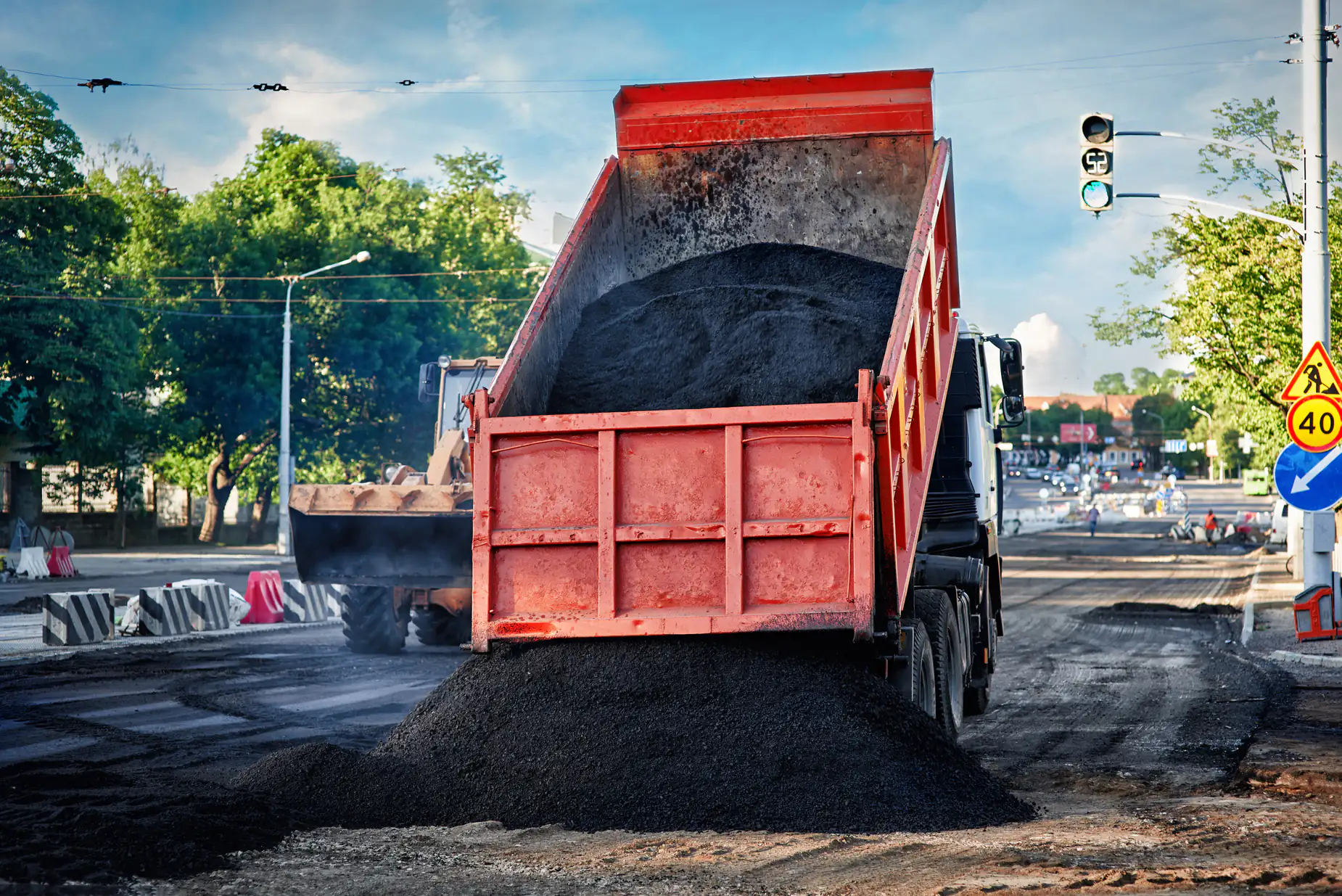
Then we apply high-grade hot mix asphalt at the correct temperature. Not too hot, not too cool. The asphalt needs to compact properly and bond with the base. We use rollers to achieve the right density, paying attention to edges and transitions where driveways typically fail first.
Most residential driveways in Butler take one to three days depending on size and complexity. We stick to the schedule we give you. You’ll know when we’re starting, what’s happening each day, and when you can use your driveway again.
Ready to get started?
You’re getting more than just black pavement. Every project includes proper site preparation, grading for drainage, and compacted base work. We’re using quality hot mix asphalt designed for New Jersey’s climate.
For driveways in Butler, that typically means a 2-3 inch asphalt overlay on a properly prepared base, or full-depth reclamation if your existing driveway is beyond repair. For parking lots, we’re looking at ADA compliance, proper striping, and drainage solutions that keep water moving where it should.
Morris County properties deal with specific challenges. The freeze-thaw cycles here are relentless. Clay soils expand and contract. If you’re near the hills in Butler, you’re managing slope and water flow. We account for these factors in every project because we’ve been working in this area long enough to know what fails and why.
A typical 600-square-foot driveway in Butler runs between $3,000 and $4,800 for quality asphalt work. That’s not the cheapest price you’ll find, and that’s intentional. You’re paying for proper base preparation, quality materials, and work that lasts 15-20 years instead of failing in five.
With proper installation and basic maintenance, you’re looking at 15-20 years for a residential asphalt driveway in Butler. That assumes the base was prepared correctly, the asphalt was applied at proper thickness, and you’re doing simple maintenance like sealcoating every few years.
The driveways that fail early almost always have base problems. Either the contractor didn’t excavate deep enough, didn’t compact the base material properly, or didn’t grade for drainage. When water sits on your driveway or soaks into a weak base, freeze-thaw cycles destroy the asphalt from underneath.
Morris County’s climate is tough on pavement. You’re getting freeze-thaw cycles that other parts of the state don’t see as severely. If your asphalt contractor understands this and builds accordingly, your driveway holds up. If they’re treating Butler like it’s southern New Jersey, you’ll be repaving in less than a decade.
Nothing meaningful. Asphalt and blacktop are the same material – it’s hot mix asphalt either way. Some people use “blacktop” as a regional term, but you’re getting the same product from any legitimate paving contractor.
What actually matters is the quality of the hot mix asphalt and how it’s installed. Lower-grade mixes use less asphalt binder and more aggregate, which means they break down faster. The application temperature matters too. If the asphalt isn’t hot enough when it’s laid down, it won’t compact properly and you’ll have premature failure.
When you’re comparing quotes from asphalt companies near me, ask what grade of hot mix they’re using and what their installation process looks like. The contractor who’s significantly cheaper is usually cutting corners on material quality or skipping steps in base preparation. That saves them money and costs you thousands in repairs later.
Late spring through early fall works best for asphalt paving in Butler. You need consistent temperatures above 50 degrees, and you want to avoid paving right before winter when the asphalt won’t have time to cure properly.
Most paving contractors in Morris County are busiest from May through October. If you’re planning a project, reaching out in early spring gets you on the schedule before the rush. Waiting until July or August might push your project into fall, and nobody wants to risk paving in late October when temperatures start dropping.
Weather affects asphalt installation more than people realize. Rain delays projects because you can’t pave on wet surfaces. Cold temperatures mean the asphalt cools too quickly and doesn’t compact right. Hot summer days are actually ideal because the asphalt stays workable longer and achieves better compaction.
If more than 30% of your driveway surface is damaged, you’re usually better off replacing it. Small cracks and isolated potholes can be repaired, but widespread cracking, significant settling, or base failure means it’s time for a new driveway.
Look at the type of damage you’re seeing. Alligator cracking – those interconnected cracks that look like reptile skin – indicates base failure underneath. That’s not something you patch. Standing water that doesn’t drain means your driveway has settled or wasn’t graded properly from the start. Sealcoating won’t fix that.
Edge deterioration is common in Butler driveways, especially where water runs off into landscaping. Sometimes we can repair edges and overlay the main surface. Other times the entire driveway needs to be reconstructed. We’ll tell you which situation you’re in, not just sell you the most expensive option.
Start with licensing and insurance. Any paving company near me that can’t immediately provide proof of both should be eliminated from consideration. You’re protecting yourself from liability and ensuring you’re working with a legitimate business.
Ask how long they’ve been working in Morris County specifically. Local experience matters because contractors who understand Butler’s soil conditions, drainage challenges, and climate will build driveways that last. Out-of-area companies often use installation methods that work fine in other regions but fail here.
Get detailed quotes that break down the work. You want to see excavation depth, base material specifications, asphalt thickness, and grading plans. Vague quotes that just list a total price are red flags. Also ask about their timeline and what happens if weather delays the project. The contractors who’ve been doing this for years have clear answers to these questions.
Residential driveways in Butler typically run $5-8 per square foot installed. For a standard two-car driveway around 600 square feet, you’re looking at $3,000-4,800. Larger driveways, complex grading, or significant base repair will push costs higher.
Commercial parking lot paving runs $3-7 per square foot depending on the prep work required and whether you need ADA compliance features, striping, or drainage improvements. A small business parking lot might be $15,000-30,000, while larger commercial projects can easily exceed $50,000.
If you’re getting quotes significantly below these ranges, ask why. The cheapest bid usually means the contractor is skipping base preparation, using lower-grade asphalt, or planning to cut corners somewhere. That $2,500 driveway might look fine for a year, but when it fails you’re paying $5,000 to fix it properly. The slightly higher upfront cost from a quality asphalt contractor saves you money over the life of your driveway.