
Hear from Our Customers
You get a surface that doesn’t buckle after the first hard freeze. That’s what happens when base prep is done right and drainage is built in from the start, not added as an afterthought.
Most driveways fail because contractors skip steps. They pour asphalt over unstable ground or don’t account for water runoff. Then winter hits, water gets underneath, freezes, expands, and you’re looking at cracks by March.
Proper paving means you’re not calling for repairs every other year. It means your driveway looks clean, your property value stays up, and you’re not embarrassed when people pull up to your house. The surface holds up to snow plows, salt, heavy vehicles, and the temperature swings that make New Jersey one of the hardest places in the country for asphalt.
We’re a family-owned paving contractor based in Morris County. We’ve spent two decades working across Somerset, Morris, and Sussex counties, so we know exactly what North Jersey weather does to asphalt.
We’re not the cheapest option, and we don’t pretend to be. What we are is the company people call when they’re tired of patching the same cracks every spring or dealing with contractors who disappear after they cash the check.
We give you an upfront price that covers everything. No surprise charges when the job’s half done. No cutting corners because we underbid and need to make it up somewhere. Just clear pricing, quality materials, and work that holds up.
First, we come out and look at your property. We check the existing surface, drainage, soil conditions, and grade. If there’s a problem that’s going to cause issues later, we tell you now, not after we’ve already started.
Next, we give you a detailed quote. It breaks down materials, labor, timeline, and exactly what work we’re doing. If you need permits or have HOA requirements in Bridgewater Center, we handle that coordination.
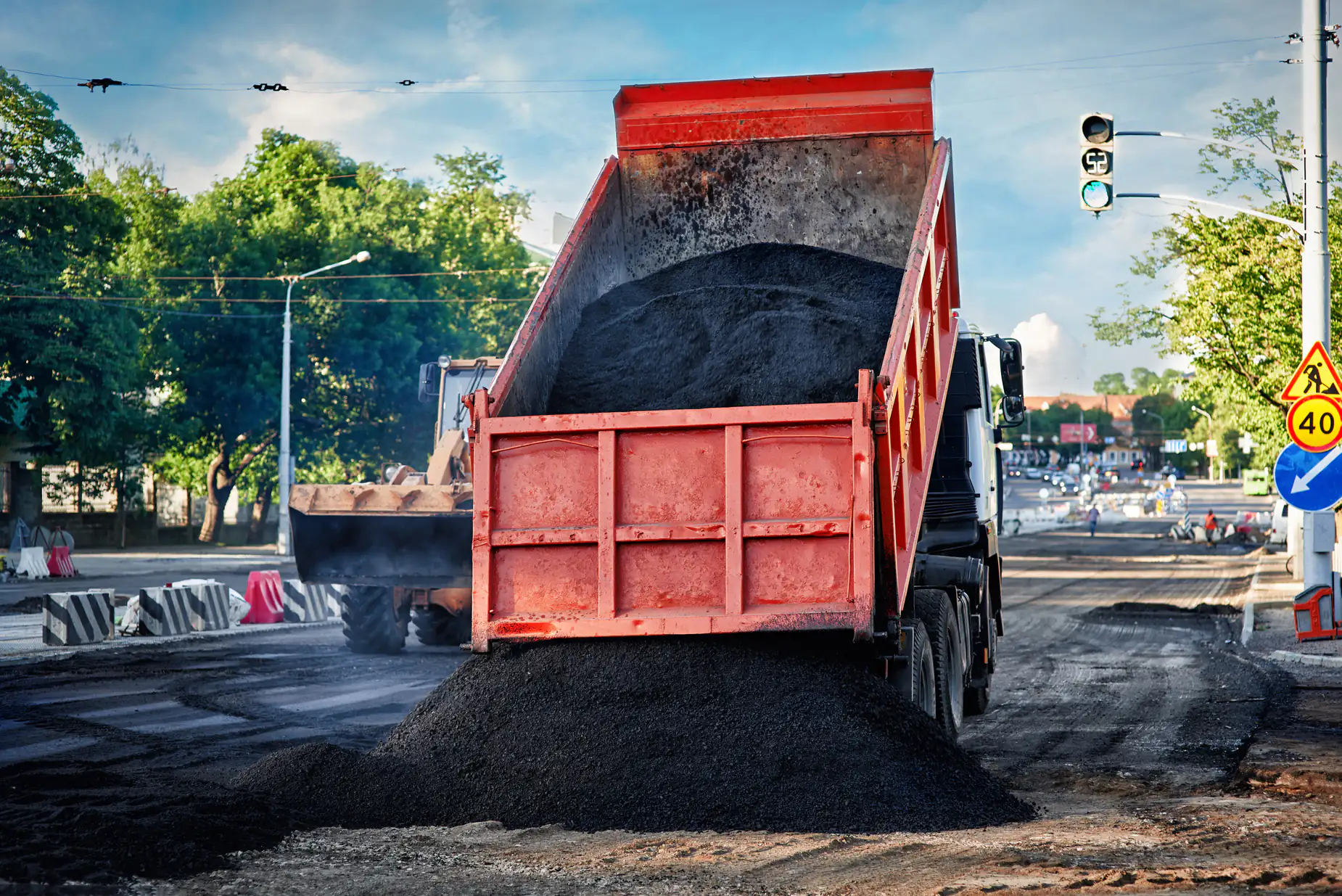
When work starts, we prep the base properly. That means excavation if needed, grading for drainage, and compacting aggregate base material. Then we apply hot mix asphalt at the right temperature with proper compaction. We’re not rushing to get to the next job. We’re making sure this one is done right.
After paving, we clean up completely. You get a surface that’s ready to use, and we walk you through basic maintenance so you know how to protect your investment.
Ready to get started?
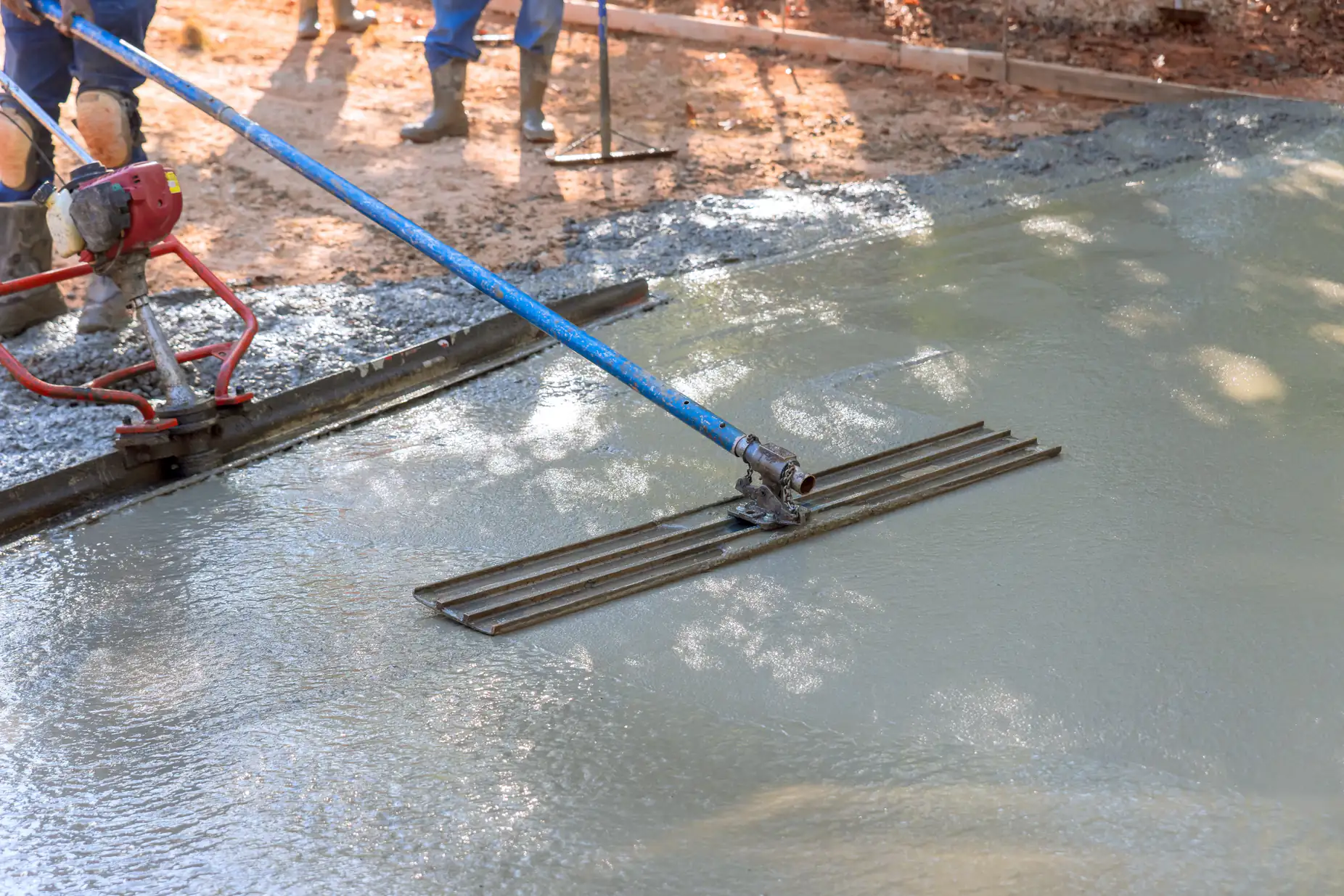
We handle residential driveways, commercial parking lots, and full site work. That includes asphalt paving, concrete work, decorative stamped concrete, and repairs. If your property needs sealcoating or crack filling, we do that too.
For asphalt work, we use high-grade hot mix asphalt applied at proper temperature. For concrete, we use Portland cement mixes with rebar reinforcement. These aren’t budget materials. They’re what actually lasts in New Jersey’s climate.
Bridgewater Center sits in an area with clay-heavy soils that expand and contract with moisture. That means base preparation matters more here than in other parts of the state. We account for local soil conditions, adjust base depth accordingly, and build in drainage that prevents water from pooling under your pavement.
We also offer decorative options if you want stamped concrete patios or walkways. But the foundation work stays the same: proper prep, quality materials, professional installation.
A properly installed asphalt driveway in Bridgewater Center typically lasts 20 to 30 years. That’s assuming you sealcoat it every three to five years and address small cracks before they spread.
The lifespan depends heavily on installation quality. If the base isn’t compacted correctly or drainage isn’t built in, you’ll see failure in under 10 years. New Jersey’s freeze-thaw cycles are brutal on asphalt, so shortcuts during installation show up fast.
You’ll need maintenance. Sealcoating costs around $200 to $400 per application and protects the surface from UV damage, water penetration, and salt. Small crack repairs run $100 to $300 depending on severity. But if the driveway is installed right from the start, you’re looking at minor upkeep, not major repairs.
Asphalt costs less upfront, typically $3 to $7 per square foot installed, compared to $8 to $18 for concrete. Asphalt is also easier to repair. If you get a crack, it’s a simple patch job. Concrete cracks are harder to fix and more visible.
Concrete lasts longer, often 30 to 40 years with minimal maintenance. It handles heavy loads better and doesn’t need sealcoating. But it’s more prone to cracking in freeze-thaw conditions if it’s not reinforced properly, and salt can damage the surface over time.
For most Bridgewater Center homeowners, asphalt makes more sense. It’s cost-effective, handles winter weather well when installed correctly, and you can sealcoat it to extend its life. Concrete makes sense if you want decorative options like stamped patterns or if you’re willing to pay more upfront for less maintenance long-term.
If more than 30% of your driveway surface is damaged, repaving usually makes more sense than patching. Look for widespread cracking, large potholes, or areas where the asphalt is crumbling and showing the base underneath.
Small cracks and isolated damage can be repaired. But if your driveway is over 20 years old and showing multiple problem areas, you’re better off repaving. Patching old asphalt is a temporary fix. The rest of the surface will continue deteriorating, and you’ll end up paying for repairs every year.
Another sign you need repaving: standing water. If water pools on your driveway after rain, the surface has settled unevenly or wasn’t graded properly to begin with. No amount of patching fixes drainage problems. You need to repave with proper grading built in.
Check that they’re licensed and insured. Ask for proof. A legitimate paving company in New Jersey will have both and won’t hesitate to show you documentation.
Get a detailed written estimate that breaks down materials, labor, and timeline. Be suspicious of quotes that are way lower than others. That usually means they’re cutting corners somewhere, whether it’s skipping base prep, using thinner asphalt, or planning to add charges later.
Ask how they handle base preparation and drainage. If they don’t mention excavation, compaction, or grading, they’re not doing it right. Look for contractors who explain the process and can point to completed projects in your area. References matter, especially from neighbors who’ve dealt with the same soil and weather conditions you’re facing.
Late spring through early fall is ideal for asphalt paving in Bridgewater Center. Asphalt needs warm temperatures to cure properly. We’re looking for consistent temperatures above 50 degrees, ideally in the 70s or 80s.
You can pave in cooler weather, but the asphalt cools faster, which makes compaction harder and can affect long-term durability. Winter paving is generally a bad idea unless it’s an emergency repair. The material doesn’t bond well in cold temperatures.
Summer is busy season for paving contractors, so if you’re planning work, reach out in spring to get on the schedule. That gives you time to get estimates, compare options, and lock in a date before everyone’s calendar fills up. Avoid scheduling right before winter. You want your new asphalt to have time to cure before it faces freeze-thaw cycles.
Most residential driveway repaving in Bridgewater Center doesn’t require a permit if you’re staying within the existing footprint. But if you’re expanding your driveway, changing the grade, or affecting drainage that impacts neighboring properties, you’ll likely need approval.
Commercial projects almost always require permits. Parking lots, site work, and any paving that affects stormwater management need to go through Bridgewater Township’s planning and engineering review.
The rules can be specific depending on your property’s zoning and whether you’re in a historic district or have HOA restrictions. A good paving contractor will know local requirements and can handle permit coordination if needed. Don’t skip this step. Unpermitted work can cause problems when you try to sell your property or if a neighbor complains about drainage issues.