
Hear from Our Customers
You’re tired of watching your driveway deteriorate every winter. Water pools in the same spots, cracks spread faster than you can patch them, and you’re wondering if you chose the wrong contractor last time.
Here’s what changes when the work is done right. Your driveway sheds water instead of holding it. The base layer is compacted properly so nothing shifts or sinks. The asphalt is applied at the correct temperature so it bonds and cures the way it should.
You’re not calling someone back in two years for repairs. You’re not dealing with ice patches where water used to pool. Your property looks clean, the surface is smooth, and you’re not second-guessing whether it’ll make it through another winter.
We’ve been working in Bradley Gardens and throughout Morris, Somerset, and Sussex Counties since the early 2000s. We’re not a national franchise or a crew that shows up once and disappears. We live here, work here, and understand what North Jersey weather does to pavement.
We’ve seen what happens when contractors skip steps or use subpar materials. We’ve repaired plenty of driveways that failed within five years because the base wasn’t prepared correctly or the asphalt was applied too cold. That’s why we show up with the right equipment, use high-grade hot mix asphalt, and make sure drainage is addressed before we lay a single ton of material.
You’ll get upfront pricing, realistic timelines, and someone who actually answers the phone when you call. No runaround, no surprises.
First, we assess your property. That means looking at drainage patterns, soil conditions, and any existing damage. If water’s been pooling or your old driveway is sinking, we need to address that before new asphalt goes down. Otherwise, you’re just covering up a problem that’ll resurface in a year or two.
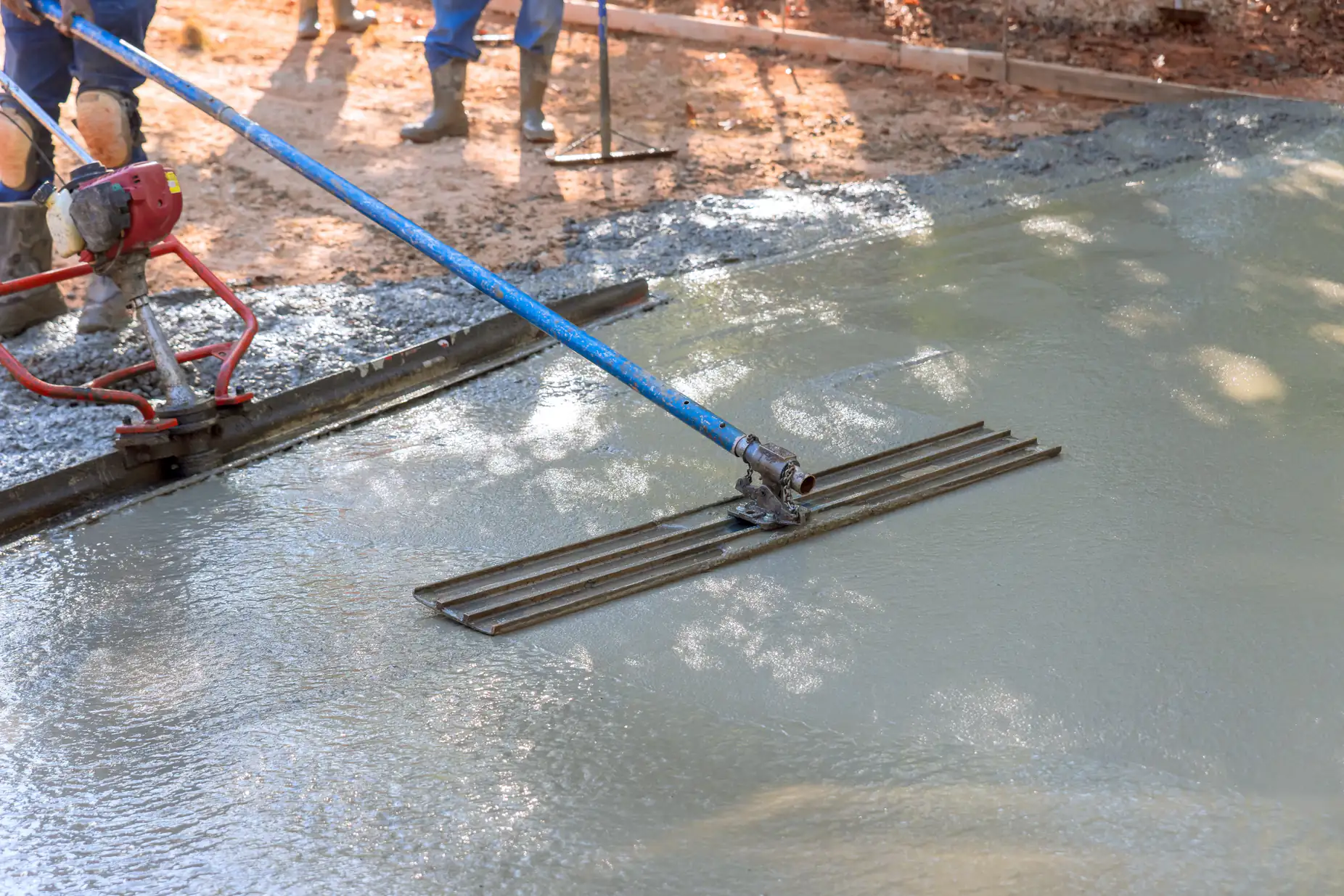
Next, we prep the base. This is where most contractors cut corners. We excavate to the proper depth, compact the subbase in layers, and make sure everything is graded correctly. If your property has drainage issues common in Bradley Gardens, we integrate solutions here so water moves away from your foundation and off your driveway.
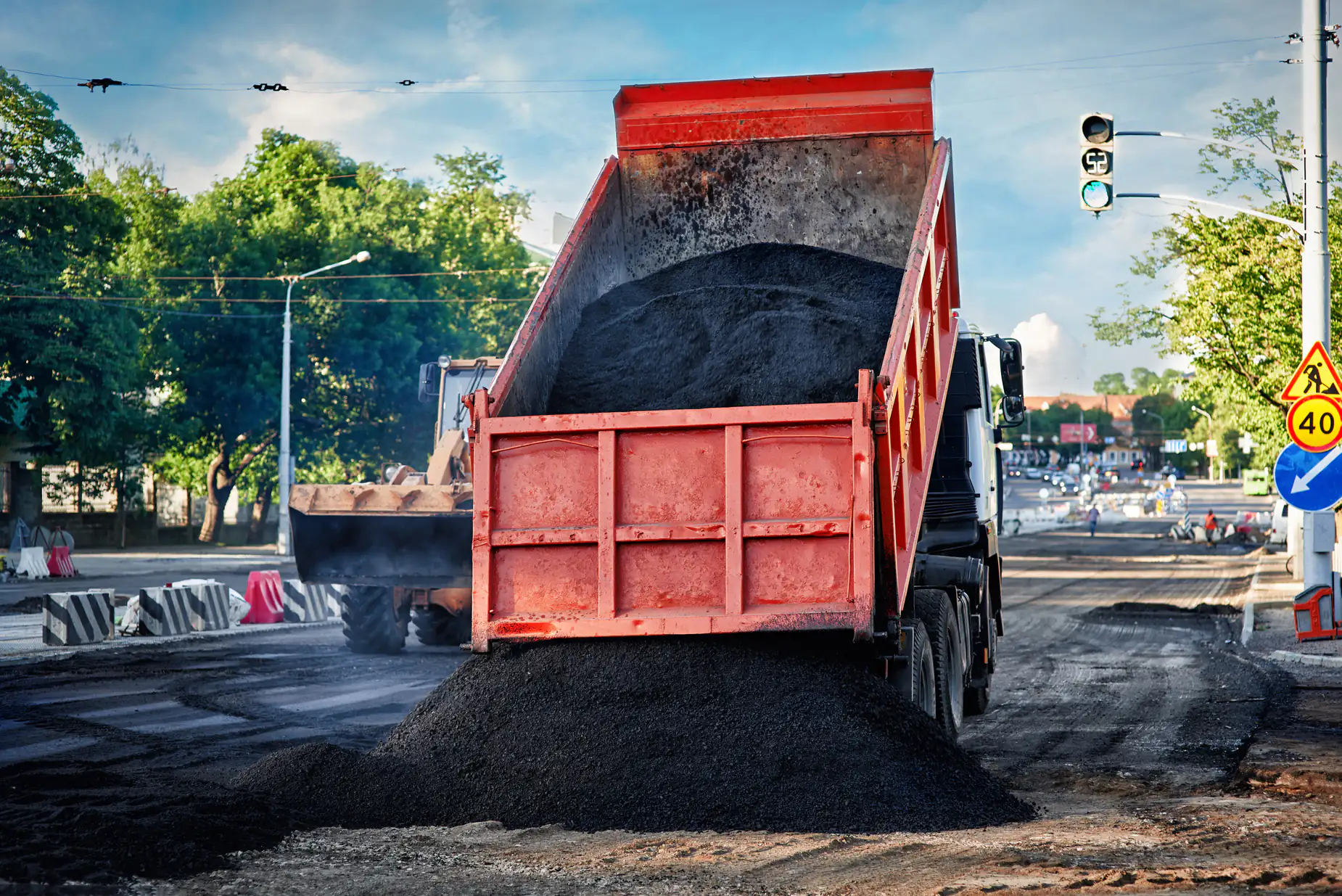
Then we pave. We use hot mix asphalt applied at the right temperature so it compacts properly and bonds to the base. The thickness depends on your needs—residential driveways typically get two to three inches, while commercial lots or high-traffic areas need more. We compact it with the right equipment, not just a hand tamper, so you get a dense, durable surface.
Most driveways are ready for light use within 24 hours and full use within two to three days. We’ll walk you through maintenance recommendations based on your specific installation and local conditions.
Ready to get started?
You’re getting a properly engineered base that won’t shift or settle. That means excavation to the right depth, compacted aggregate base material, and correct grading for drainage. This is the foundation that determines whether your driveway lasts five years or twenty-five.
You’re getting high-grade hot mix asphalt that’s applied at the proper temperature. Temperature matters because asphalt that’s too cold won’t compact correctly, and asphalt that sits too long before compaction loses its workability. We coordinate timing so material goes from plant to your property to compacted surface without compromise.
You’re getting drainage solutions specific to Bradley Gardens soil and weather conditions. North Jersey gets 55 to 75 freeze-thaw cycles every winter. If water sits on your driveway or seeps into cracks, it freezes, expands, and destroys the pavement from the inside out. We address this during installation, not after you’ve already paid for repairs.
You’re also getting realistic maintenance guidance. Sealcoating every two to three years protects against UV damage and water penetration. Crack filling before winter prevents small issues from becoming expensive ones. We’ll tell you what to watch for and when to act.
Properly installed asphalt can last 20 to 30 years in Bradley Gardens if you maintain it correctly. That means sealcoating every two to three years, filling cracks before they spread, and addressing drainage issues as soon as you notice standing water.
The lifespan depends heavily on installation quality. If the base isn’t compacted properly or drainage isn’t addressed, you’ll see failure much sooner—sometimes within five to seven years. New Jersey’s freeze-thaw cycles are brutal, and water is the enemy. Once it gets into cracks or under the surface, it freezes, expands, and pushes the asphalt apart.
You’ll extend the life of your driveway by keeping it sealed and staying on top of small repairs. A crack that costs $50 to fill today can turn into a $2,000 section replacement if you wait two years. Most homeowners in this area who maintain their driveways properly get two decades or more before needing a full replacement.
There isn’t one. Asphalt and blacktop are the same material—a mixture of aggregate and liquid asphalt cement. The terms are used interchangeably, though “blacktop” is more common in residential conversations and “asphalt” is the industry-standard term.
What does matter is the quality of the mix and how it’s applied. Hot mix asphalt (HMA) is heated to around 300 degrees and needs to be applied and compacted while it’s still hot. If a contractor shows up with material that’s been sitting too long or applies it at the wrong temperature, it won’t compact correctly and you’ll have problems within a few years.
The other factor is the aggregate mix. Higher-quality mixes use better stone and more precise ratios of aggregate to binder. This affects durability, especially in climates like ours where temperature swings and freeze-thaw cycles put constant stress on the pavement. When you’re comparing quotes from different paving companies near me, ask what mix they’re using and how they handle temperature and timing.
Most residential driveways in Bradley Gardens run between $3 and $7 per square foot, depending on the condition of your existing surface, drainage needs, and base preparation required. A standard two-car driveway (about 600 square feet) typically costs between $1,800 and $4,200.
That range exists because every property is different. If your current driveway has major drainage issues or the base has failed, you’ll need more excavation and base work, which increases cost. If we’re paving over a stable base that just needs resurfacing, the price is lower.
New Jersey pricing runs about 15 to 25 percent higher than the national average because of our climate and the quality of materials needed to withstand freeze-thaw cycles. Cheaper quotes usually mean shortcuts—thinner asphalt, inadequate base prep, or lower-grade materials. You’ll pay for those shortcuts later in repairs. We give you upfront pricing with no hidden fees so you know exactly what you’re getting before work starts.
Late spring through early fall—roughly May through October—is ideal for asphalt paving in New Jersey. Asphalt needs warm temperatures to cure properly, and you want ground temperatures above 50 degrees for best results.
Summer is peak season because the material cures faster and compacts better in warm weather. But spring and fall work just fine as long as temperatures cooperate. We avoid paving when rain is in the forecast or when overnight temperatures drop too low, because that affects how the asphalt sets.
Winter paving is possible but not ideal. Cold temperatures slow curing and can prevent proper compaction. If you have an urgent repair, we can handle it, but for new installations or full replacements, waiting until spring gives you better long-term results. Most residential projects take one to two days, and your driveway is ready for light traffic within 24 hours and full use within two to three days.
Usually not for simple resurfacing, but if you’re expanding your driveway, changing drainage patterns, or doing major excavation, you might need a permit from Bridgewater Township. Requirements vary based on property location and scope of work.
If your driveway connects to a township road or if you’re adding significant impervious surface area, the township may require a permit to ensure proper drainage and stormwater management. This is especially true in areas where runoff could affect neighboring properties or municipal drainage systems.
We handle permit questions as part of the quoting process. If your project needs one, we’ll let you know upfront and explain what’s required. Most straightforward driveway replacements don’t trigger permit requirements, but it’s better to confirm before work starts than deal with township issues after the fact. We’ve been working in this area long enough to know what triggers scrutiny and what doesn’t.
If more than 30 percent of your driveway has cracks, potholes, or surface deterioration, replacement usually makes more sense than patching. If the damage is localized to one or two areas and the rest of the surface is solid, repairs can buy you several more years.
The bigger issue is what’s happening underneath. If you’re seeing alligator cracking (a web of interconnected cracks), significant settling, or areas where the pavement is sinking, that indicates base failure. Patching the surface won’t fix that—you need to address the base, which means replacement.
Drainage problems also point toward replacement. If water pools consistently in the same spots or you’re seeing erosion along the edges, the driveway wasn’t graded correctly or the base has deteriorated. We can assess your specific situation and give you an honest recommendation. Sometimes a repair gets you another five years. Sometimes it’s throwing money at a problem that’s only going to get worse. We’ll tell you which situation you’re in.