
Hear from Our Customers
You get a driveway that doesn’t crack apart after two winters. That’s what happens when the base is built right, the asphalt is applied at the correct temperature, and the compaction is done properly.
Most paving failures happen because someone skipped a step. Poor drainage planning means water sits under your asphalt. Thin base layers can’t support vehicle weight. Asphalt applied too cool doesn’t compact right and breaks down fast.
When the work is done correctly from the start, you’re looking at a surface that handles Somerset County weather without falling apart. No premature cracking. No water pooling. No calling someone back in two years because the whole thing needs to be redone. Just a driveway that does its job for the long haul.
We operate throughout Morris, Sussex, and Somerset Counties. We’ve paved driveways and parking lots in Blackwells Mills, Franklin Park, Somerset, and dozens of other towns across North Jersey.
The reason that matters is simple: we understand what your property is up against. The soil conditions here. The temperature swings. The drainage challenges that come with this terrain. We’re not guessing at solutions or applying some generic approach that works in other states.
Every project starts with looking at your specific site. What’s the soil like? Where does water go? What kind of use will this surface get? Then we build accordingly. You get a quote that reflects what your project actually needs, not a one-size-fits-all number.
First, we evaluate your site. That means looking at drainage, checking the existing base if there is one, and figuring out what prep work needs to happen before any asphalt goes down.
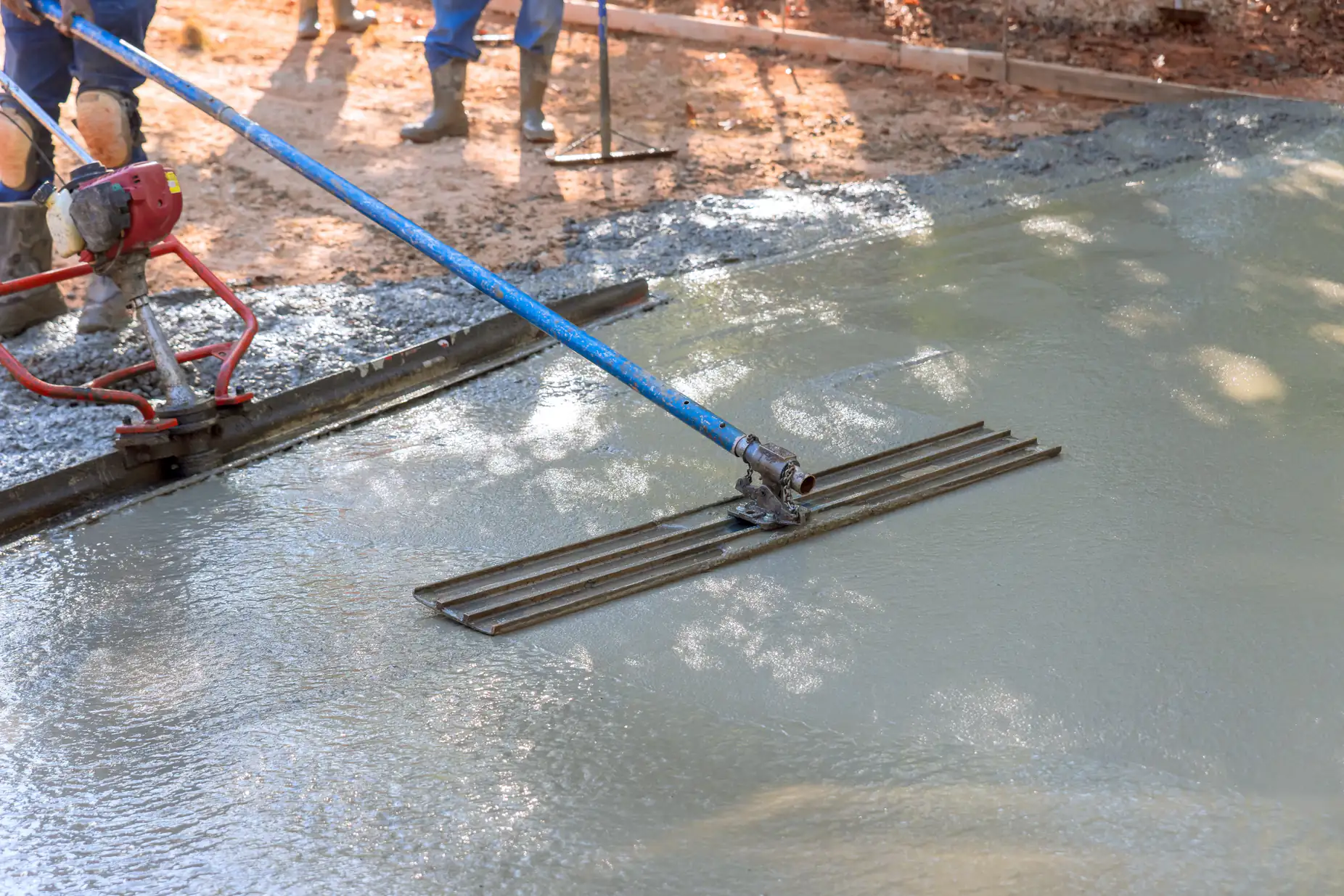
Next comes excavation and base building. We remove old material if needed, grade for proper water runoff, and install a compacted stone base. This layer is what actually supports your driveway. Skimp here and nothing else matters.
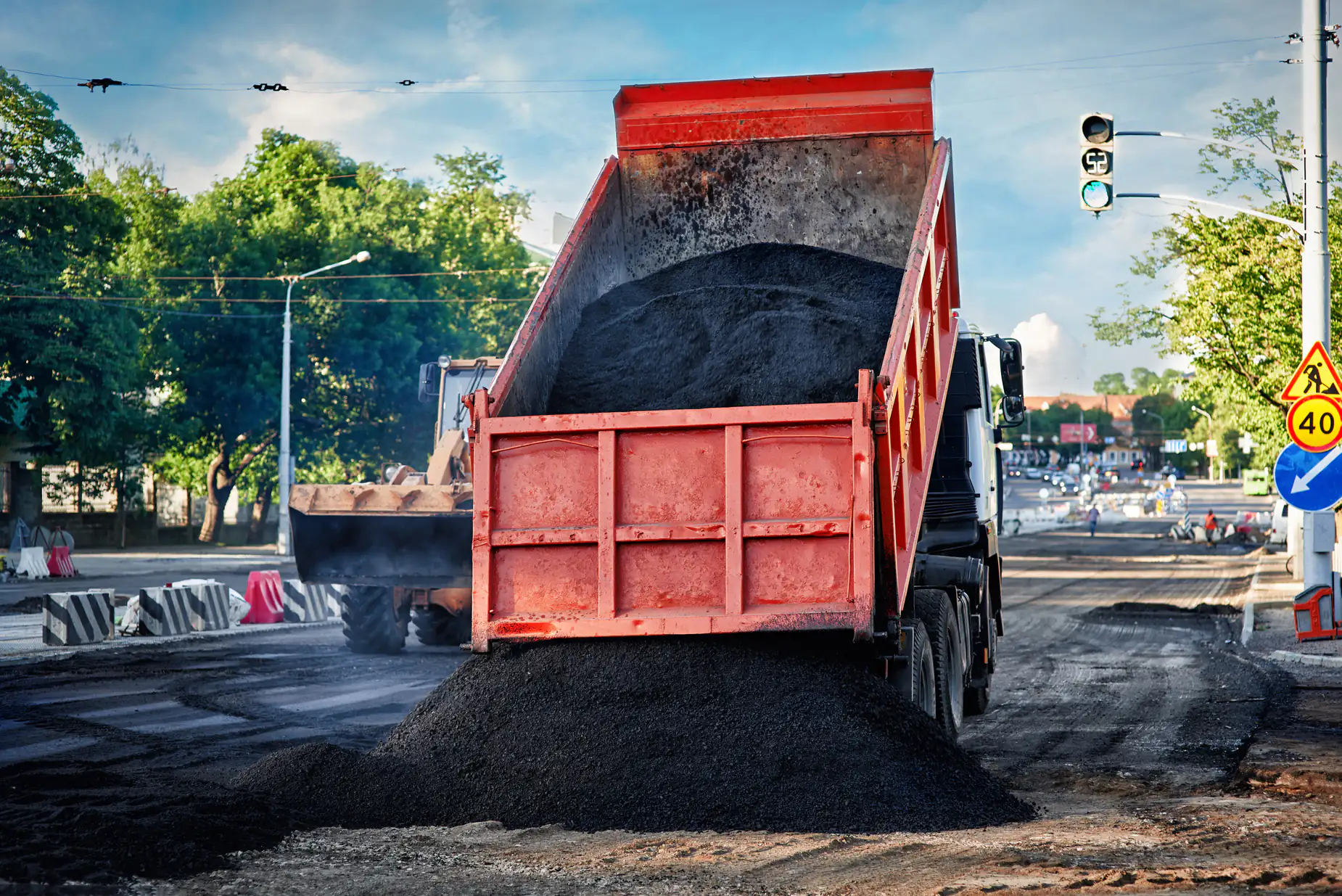
Then we apply hot mix asphalt at the right temperature. Too cool and it won’t compact properly. We use rollers to achieve the density needed for strength and water resistance. Edges get finished clean. The surface gets smoothed to the proper grade.
Finally, we let it cure correctly before you drive on it. Asphalt needs time to set up fully. We’ll tell you exactly when it’s ready for use. Most driveways are good to go within a day or two, depending on weather and thickness.
Ready to get started?
You get a complete installation, not just asphalt dumped on top of whatever’s there. That includes site prep, proper base construction, grading for drainage, and the asphalt application itself.
We use high-grade hot mix asphalt designed for New Jersey’s temperature extremes. The mix matters because different formulations handle heat and cold differently. We’re selecting material that won’t get brittle in winter or soft in summer heat.
For properties in Blackwells Mills and surrounding Somerset County areas, drainage is often the make-or-break factor. Water that can’t escape will destroy asphalt from underneath. We grade everything so water moves away from your foundation and off the paved surface. That might mean adjusting slopes, adding drainage solutions, or reconfiguring how the driveway ties into the street.
You also get clear pricing upfront. We’re not showing up halfway through with surprise charges. The quote reflects the actual scope of work. If something unexpected comes up during excavation, we talk to you before proceeding. You’ll know what you’re paying and what you’re getting before we start.
A properly installed asphalt driveway in New Jersey typically lasts 20 to 30 years. That’s assuming it was built with an adequate base, proper drainage, and quality materials.
The lifespan depends heavily on how it was installed. If the base is too thin or poorly compacted, you’ll see failure in under 10 years. If drainage wasn’t addressed, water infiltration will break down the asphalt from below. If the asphalt was applied at the wrong temperature or without proper rolling, it won’t achieve the density needed to resist cracking.
Maintenance extends that lifespan. Sealcoating every few years protects the surface from UV damage and water penetration. Filling cracks when they’re small prevents them from spreading. Addressing drainage issues quickly stops water from undermining the base. Most driveways fail prematurely because small problems were ignored until they became expensive ones.
There’s no real difference. Asphalt and blacktop are two names for the same material: a mixture of aggregate stones and liquid asphalt binder.
Some people use “blacktop” to refer to residential driveways and “asphalt” for roads or commercial parking lots, but it’s the same product. The actual difference you should care about is the mix design and how it’s installed.
Different asphalt mixes use different stone sizes and asphalt content. A driveway mix typically uses smaller aggregate than a highway mix. The binder content affects how the material performs in temperature extremes. What matters for your driveway is that the mix is appropriate for residential use in New Jersey’s climate, applied at the correct temperature, and compacted properly. The name doesn’t change any of that.
Check for a physical business address, not just a phone number. Legitimate paving companies operate from an actual location, not a truck. Ask for their business license and insurance certificate. If they hesitate or make excuses, that’s a red flag.
Get everything in writing before work starts. That includes a detailed scope of work, material specifications, timeline, and total cost. Scammers avoid written contracts because it creates accountability. They’ll pressure you to pay cash upfront and start immediately. Real contractors give you time to review proposals and don’t demand full payment before starting.
Look for local references you can verify. Not testimonials on their website, but actual customers in your area whose driveways you can go see. Scam crews often target a region for a few months then disappear, so they won’t have a trail of local work. Check online reviews, but also ask neighbors if they’ve heard of the company. Legitimate paving contractors serving Somerset County will have a reputation in the area, good or bad.
Late spring through early fall gives you the best conditions. Asphalt needs warm temperatures to be applied and compacted correctly. We work from April through November in most years.
The ideal temperature range is above 50 degrees, with dry conditions expected for at least 24 hours after installation. Asphalt applied in cold weather won’t compact properly because it cools too quickly. Rain during or immediately after installation can damage the surface before it sets.
Summer is peak season, which means longer wait times but also optimal curing conditions. Early fall is often ideal because temperatures are still warm, but demand drops slightly so scheduling is easier. If you’re planning a project, reaching out in early spring lets you secure a spot before the rush. Avoid trying to pave in late fall or winter unless it’s an emergency repair. The material won’t perform right in cold temperatures, and you’ll likely need to redo it properly once weather improves.
They’re cutting corners somewhere. Usually it’s the base preparation, asphalt thickness, or material quality. Sometimes all three.
A proper driveway installation requires excavation, a compacted stone base, and at least two to three inches of asphalt. That’s material and labor intensive. When someone quotes half the price of other contractors, they’re either skipping the base work, laying asphalt too thin, or using substandard materials. Some will quote low, then add charges once they’ve started and you’re committed.
The traveling scam crews that hit New Jersey every summer operate this way. They quote prices that sound too good to be true because they are. They’ll spray a thin layer of asphalt over your existing driveway without any prep work, collect payment, and disappear. Within a year or two, that surface fails completely and you’re paying someone else to do it right. The cheapest quote almost always costs more in the long run when you factor in how soon you’ll need to replace it.
Yes, but not immediately. New asphalt needs six months to a year to cure fully before sealcoating. After that, sealcoating every two to three years protects your investment.
Sealcoating creates a barrier against water, UV rays, and chemicals like oil or gasoline. Without it, asphalt oxidizes and becomes brittle. Small cracks form and let water seep in. In New Jersey, that water freezes and expands during winter, making cracks worse. Sealcoating slows that deterioration significantly.
The timing matters because fresh asphalt contains oils that need to evaporate as it cures. Sealcoating too early traps those oils and prevents proper curing. Wait until the surface has weathered to a gray color rather than deep black. After that first application, maintain a regular schedule. It’s cheaper to sealcoat every few years than to replace failed asphalt every decade. Most driveways in Somerset County that look good after 15 or 20 years have been sealcoated regularly.