
Hear from Our Customers
A driveway that doesn’t crack after the first winter. That’s what proper compaction and the right asphalt mix gets you.
Most paving problems start during installation. Water gets under the surface because the base wasn’t compacted right. Cracks form because the asphalt was laid too thin or at the wrong temperature. You end up paying twice—once for the original job, once to fix it.
When asphalt is installed correctly, you’re looking at 15 to 20 years of use with basic maintenance. That means proper grading for drainage, a compacted base that won’t settle, and hot mix asphalt applied at the right temperature with heavy rollers. The difference shows up in year three, not day three.
Your property value reflects the condition of your driveway and parking areas. Buyers notice cracks, pooling water, and uneven surfaces. You’re protecting an investment that matters in Bernardsville’s real estate market, where median home values sit above $737,000.
We’ve been handling asphalt and concrete work in Morris, Sussex, and Somerset Counties for over 20 years. We’re based in Dover, which means we understand what North Jersey weather does to pavement.
This is a third-generation family business. We’re not showing up from out of state for a quick job. Our reputation is tied to this area, and we’re still here when you need warranty work or maintenance down the road.
Bernardsville properties often have elevation changes and drainage challenges. We’ve worked on enough driveways and parking lots in this area to know how to grade properly and where water tends to go. That local knowledge matters when you’re trying to prevent expensive repairs three years from now.
First, we look at your existing surface and drainage. If there’s an old driveway, we assess whether the base is salvageable or needs a full tearout. This determines your actual cost, not some ballpark number.
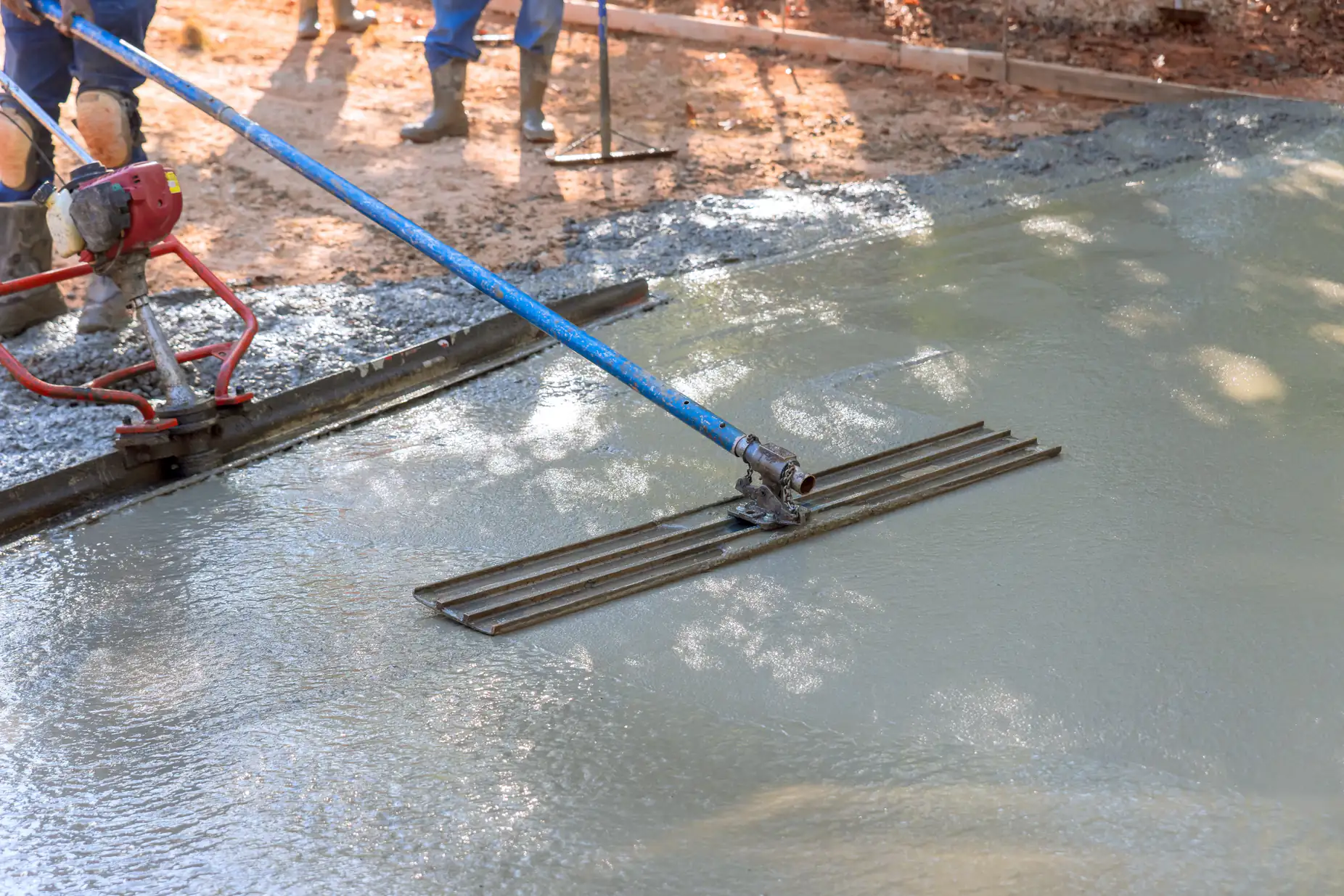
Next comes site prep. We excavate to the right depth, grade for proper drainage away from structures, and compact the base material. This step gets skipped or rushed by contractors trying to finish fast. It’s also the most important part of the job.
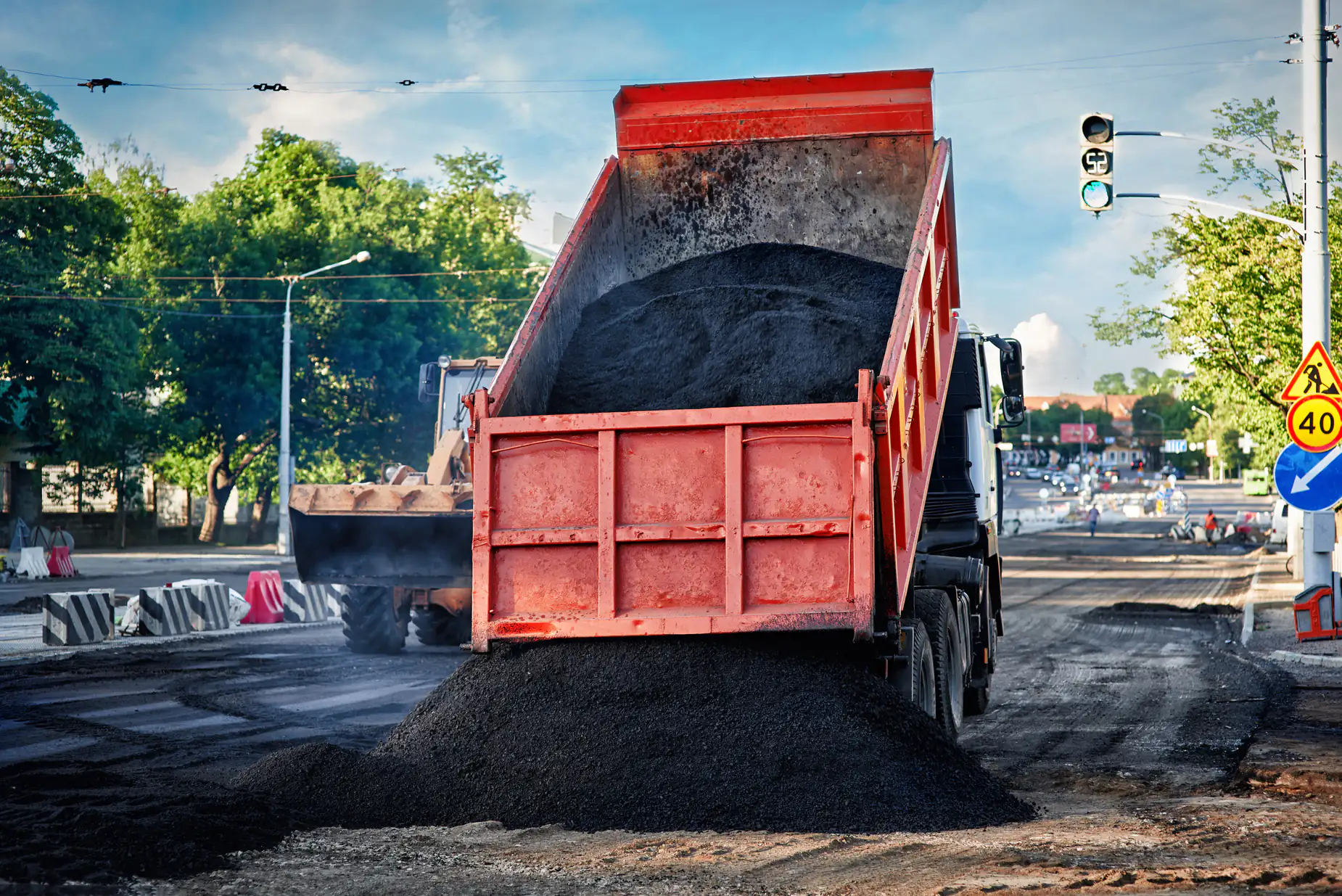
Then we install the asphalt. We use high-grade hot mix asphalt applied at the correct temperature—usually between 275 and 300 degrees. Our paving machines spread it evenly, and heavy rollers compact it to the target density. This prevents water infiltration, which is what causes most premature failures.
After installation, the surface needs time to cure before you can drive on it. We’ll tell you exactly how long based on weather conditions. Then you’re looking at sealcoating every two to three years to protect against UV damage and oxidation. That maintenance extends the life of your asphalt significantly and costs a fraction of replacement.
Ready to get started?
We handle new driveway installation, parking lot construction, asphalt repairs, and sealcoating. Whether you’re replacing a deteriorated residential driveway or repaving a commercial parking area, the process focuses on longevity.
Bernardsville’s climate is tough on asphalt. Temperature swings from below freezing to summer heat cause expansion and contraction. We adjust our asphalt mix and binder grades for these conditions. That’s not something every paving contractor does, but it makes a measurable difference in how long your surface lasts.
For commercial properties, we also handle ADA-compliant striping and marking. First impressions matter for your business, and a cracked, faded parking lot tells customers you cut corners. We can also work around your business hours to minimize disruption.
Drainage is a big issue in this area. Properties with slopes or poor grading end up with water pooling on the surface or running toward foundations. We design proper drainage solutions as part of the paving process, not as an afterthought. This includes grading, catch basins, and proper contouring.
You get a five-year warranty on our work. That’s not common in this industry, but it reflects our confidence in doing the job right the first time. We’re also fully licensed and insured, which protects you if something goes wrong on your property.
A properly installed asphalt driveway in Bernardsville typically lasts 15 to 20 years with regular maintenance. That maintenance means sealcoating every two to three years and filling cracks as they appear.
The lifespan depends heavily on installation quality. If the base wasn’t compacted correctly or drainage wasn’t addressed, you might see problems in three to five years instead. New Jersey’s freeze-thaw cycles are brutal on asphalt that wasn’t installed right.
Sealcoating protects against UV damage and oxidation, which are your biggest enemies after the initial installation. It’s a small cost compared to resurfacing or replacement. Most homeowners in this area who skip sealcoating end up replacing their driveways years earlier than necessary.
Asphalt and blacktop are essentially the same material—a mix of aggregate and bitumen binder. The terms get used interchangeably, though “blacktop” often refers to residential applications while “asphalt” is used for commercial work.
What actually matters is the quality of the mix and how it’s installed. Hot mix asphalt (HMA) is applied at high temperatures and compacted with heavy equipment. This creates a denser, more durable surface than cold mix, which is sometimes used for quick repairs.
For driveways in Bernardsville, you want hot mix asphalt with the right binder grade for New Jersey’s temperature range. The aggregate size and mix design should match your specific application. A reputable paving contractor will explain what mix they’re using and why it’s appropriate for your project.
Asphalt driveway costs in Bernardsville typically range from $3 to $7 per square foot for a standard installation. That price includes excavation, base preparation, and asphalt installation. Your actual cost depends on site conditions, driveway size, and whether you need drainage work.
A full tearout and replacement costs more than an overlay, but it lasts longer. If your existing base is failing, an overlay just postpones the problem. We’ll tell you honestly what your property needs, not what generates the highest invoice.
Commercial parking lot paving runs higher per square foot due to thickness requirements and striping work. Sealcoating costs around $0.15 to $0.25 per square foot and should be done every two to three years. Get upfront pricing in writing before any work starts. Unexpected charges usually mean the contractor didn’t assess the job properly.
Late spring through early fall is the best time for asphalt paving in New Jersey. You need consistent temperatures above 50 degrees for proper compaction and curing. Cold weather prevents the asphalt from bonding correctly.
Summer is ideal because the asphalt stays workable longer and compacts more easily. However, extreme heat above 95 degrees can make the surface too soft immediately after installation. We schedule around weather forecasts to hit the right temperature window.
Avoid paving in late fall or winter unless it’s an emergency repair. Even if you get a warm day, nighttime temperatures drop too low for proper curing. You’ll end up with a surface that doesn’t last as long. Most paving companies in this area book spring and summer jobs months in advance, so plan accordingly.
Yes, if you want it to last its full lifespan. Sealcoating protects asphalt from UV rays, water penetration, and chemical damage from oil or gas spills. Without it, your driveway will deteriorate faster.
You should sealcoat about six months after initial installation, then every two to three years after that. New asphalt needs time to cure before the first sealcoat application. After that, regular sealcoating fills small surface cracks and prevents water from getting underneath.
Bernardsville’s weather makes sealcoating especially important. Freeze-thaw cycles exploit any weakness in the surface. Water gets in, freezes, expands, and creates bigger cracks. Sealcoating is cheap insurance compared to resurfacing or replacement. Most homeowners who skip it end up spending thousands more on repairs within five to seven years.
Check how long they’ve been operating in the area and whether they’re properly licensed and insured. A local contractor with years of experience has a reputation to protect. Avoid companies that operate out of motels or only show up seasonally.
Ask about their warranty. A five-year warranty on workmanship shows confidence in their installation process. Also ask what specific materials they use—the asphalt mix type, binder grade, and base material. A good contractor explains the “why” behind their recommendations.
Get multiple detailed estimates in writing. The lowest price usually means shortcuts on base prep or thinner asphalt. Look for contractors who inspect your property, ask about drainage, and explain what needs to be done. References from recent local jobs help too. You want to see driveways that have held up for several years, not just new installations.