
Hear from Our Customers
You’re tired of watching cracks spread across your asphalt every spring. Water seeps in, freezes, expands, and tears your pavement apart from the inside out. By the time you notice the damage, you’re already looking at expensive repairs.
Here’s what changes when the work is done right from the start. Your driveway sheds water instead of trapping it. The base stays stable through temperature swings. The surface resists salt damage and holds its integrity through multiple freeze-thaw cycles.
That’s not luck. It’s proper site preparation, the right asphalt mix for Morris County conditions, and compaction that creates a dense, resilient finish. You get pavement that protects your property value instead of draining it through constant maintenance.
When you’re choosing a paving company near me, you’re really deciding how many times you want to pay for the same job. Once, done correctly, costs less than twice done cheaply.
We’ve spent over two decades at Platinum Paving working exclusively in Morris, Sussex, and Somerset Counties. We’re not traveling crews who show up with leftover asphalt and disappear when problems surface. We’re licensed, insured, and grounded right here in Morris County.
That matters in Ampere North because your soil conditions, drainage patterns, and weather cycles are specific. The asphalt mix that works in southern New Jersey fails here. The base preparation that holds up in Pennsylvania doesn’t account for our freeze-thaw intensity.
We’ve seen what happens when contractors skip steps or use inferior materials. You’ve probably seen it too—the neighbor’s driveway that crumbled after two winters, the parking lot that needs patching every spring. We built our reputation by doing the opposite: proper grading, robust aggregate base, high-grade hot mix asphalt applied at the right temperature, and compaction that actually creates density.
First, we assess your site’s drainage and base stability. Water is the enemy of asphalt longevity, so we identify where it flows and where it pools. If your existing base is compromised, we remove it. There’s no point laying new asphalt over a failing foundation.
Next comes grading and base preparation. We compact a robust aggregate base that won’t shift when temperatures swing. This step determines whether your pavement lasts five years or twenty. Most failures start here, not with the asphalt itself.
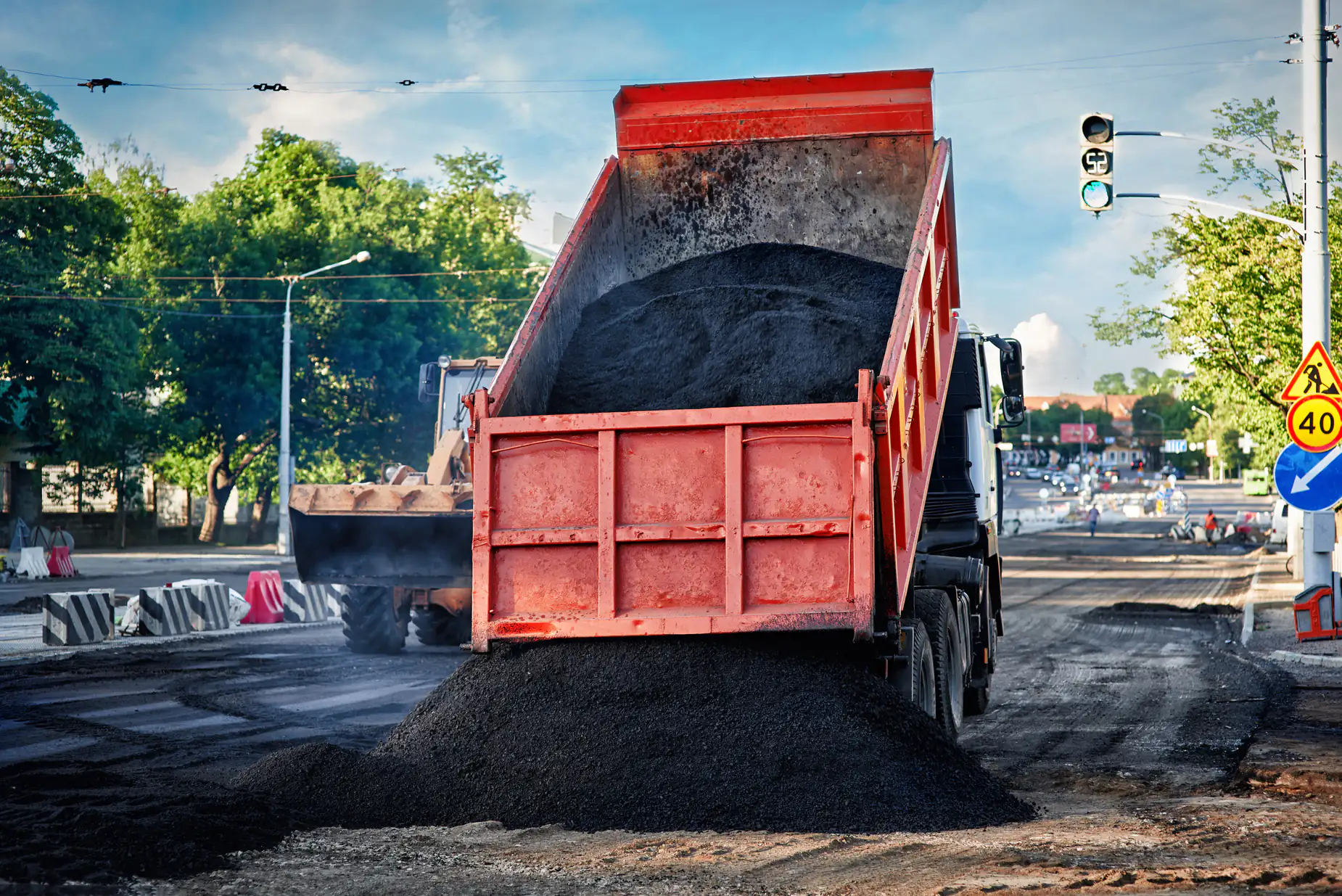
Then we apply high-grade hot mix asphalt at the proper temperature. Too cool and it won’t compact correctly. Too hot and it can become unstable. We use specific grades suited for Morris County’s climate—mixes that resist both freeze-thaw cycles and summer heat.
Finally, we compact the surface to create a dense, resilient finish. Proper compaction eliminates air pockets where water can infiltrate. It’s the difference between a surface that weathers well and one that deteriorates rapidly.
You’ll know the timeline before we start, and we stick to it. Most residential driveways take one to two days. Commercial parking lots depend on size but follow the same principle: do it right, do it once.
Ready to get started?
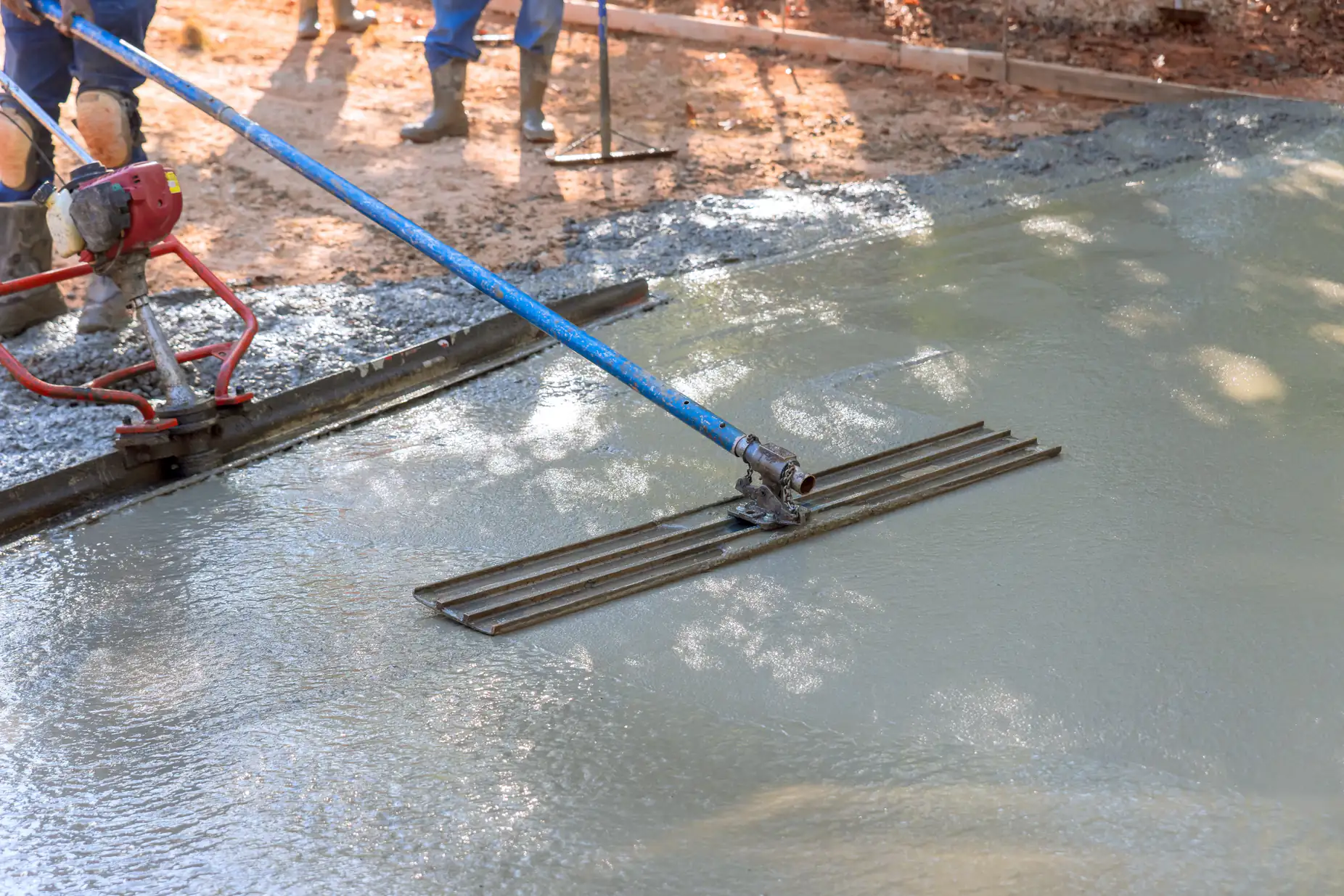
You’re getting more than just blacktop laid over dirt. Site preparation includes excavation when necessary, proper grading for drainage, and a compacted aggregate base engineered for local soil conditions. In Ampere North, that base needs to handle both the freeze-thaw cycle and the moisture levels we see throughout the year.
The asphalt itself is high-grade hot mix applied at temperatures that ensure proper binding and compaction. We’re not using recycled or inferior mixes that break down prematurely. The thickness depends on your usage—residential driveways need different specifications than commercial parking lots handling heavy truck traffic.
Drainage solutions are built into every project because standing water is what kills asphalt in North Jersey. We slope surfaces correctly, install catch basins where needed, and ensure water moves away from your pavement instead of pooling on it.
For existing surfaces, we offer sealcoating that extends life by protecting against salt, UV damage, and minor surface cracks. Done every few years, sealcoating can add a decade to your pavement’s lifespan. We also handle repairs—patching potholes, filling cracks, and resurfacing sections that have deteriorated.
Whether you need a new driveway, a commercial parking lot, or repairs to existing asphalt, the approach stays the same: understand the local conditions, use appropriate materials, and execute with precision. That’s how pavement lasts in Morris County.
Properly installed asphalt in Ampere North typically lasts 15 to 25 years, but that range depends entirely on three factors: installation quality, maintenance, and usage. North Jersey’s freeze-thaw cycles are particularly destructive, so the installation phase matters more here than in milder climates.
The base preparation is what determines longevity. If the aggregate base is properly compacted and graded for drainage, your asphalt can handle decades of temperature swings. If the base is rushed or inadequate, you’ll see cracking and settling within a few years regardless of the asphalt quality.
Maintenance extends that lifespan significantly. Sealcoating every three to four years protects against salt damage and prevents minor cracks from becoming major problems. Addressing small cracks immediately stops water infiltration before freeze-thaw cycles turn them into potholes. Properties that skip maintenance typically need replacement or major repairs around the ten-year mark, while maintained surfaces can push past twenty years.
Late spring through early fall is ideal for asphalt paving in Ampere North, specifically May through October. Asphalt needs warm temperatures to cure properly—both air temperature and ground temperature matter. When it’s too cold, the asphalt cools too quickly and won’t compact to the density you need for durability.
Late spring is optimal because the ground has warmed up and dried out from winter moisture. Fall works well too, before temperatures drop consistently below 50 degrees. Summer is fine, but extremely hot days can make the asphalt too soft during application, and afternoon thunderstorms can delay projects.
Winter paving is possible but not recommended unless it’s an emergency repair. Cold weather paving requires special mixes and techniques that add cost without improving quality. If you’re planning a project, schedule it for May through September. You’ll get better compaction, proper curing, and contractors who can work efficiently without weather interruptions.
Extremely low bids usually mean corners are being cut somewhere—either in materials, preparation, or the contractor’s legitimacy. Every year, unlicensed crews travel through North Jersey offering bargain prices on “leftover asphalt.” They’re uninsured, they skip proper base preparation, and they disappear when the work fails.
Legitimate asphalt contractors have fixed costs that create a price floor. Quality hot mix asphalt costs between $2.25 and $3.25 per square foot for milling and paving in Morris County. That’s just material. Add proper excavation, base preparation, grading, and compaction, and there’s only so low a price can go before something gets sacrificed.
When you see a bid significantly below market rate, ask what’s different. Are they skipping the base layer? Using recycled or cold-mix asphalt that won’t last? Planning to apply asphalt thinner than recommended? Not carrying proper insurance? A cheap job that fails in three years costs more than a properly priced job that lasts twenty. You’re not saving money with the lowest bid—you’re just spreading the cost across multiple repairs and eventual replacement.
Clear the area completely—move vehicles, planters, basketball hoops, and anything else on or near the paving surface. We need full access to the entire work area plus room for equipment. If you’re paving a driveway, make sure we can access it without obstacles from the street to the garage.
Mark any underground utilities, sprinkler lines, or drainage systems that might not be obvious. While we’ll identify major utilities through official channels, private systems like sprinklers or landscape lighting are your responsibility to flag. Damage to unmarked private utilities delays the project and creates unexpected costs.
Notify neighbors if the project affects shared access or if equipment will be operating nearby. Paving equipment is loud, and asphalt has a distinct smell during application. Most neighbors appreciate a heads-up, especially if they need to plan around limited access to shared driveways or streets.
Finally, plan alternative parking for one to three days depending on project size. Fresh asphalt needs time to cure before it can handle vehicle weight. We’ll give you a specific timeline, but expect to park elsewhere for at least 24 hours after completion.
No. New asphalt needs six to twelve months to cure before sealcoating. Fresh asphalt contains oils that need time to evaporate and harden. If you sealcoat too early, you trap those oils and prevent proper curing, which can actually soften the surface and reduce durability.
After that initial curing period, sealcoating becomes one of the most cost-effective maintenance steps you can take. It protects against salt damage, UV deterioration, and minor surface cracks. In Ampere North, where road salt is heavily applied every winter, sealcoating creates a barrier that prevents salt from penetrating the asphalt and breaking down the binders.
Plan to sealcoat every three to four years after that first application. The exact timing depends on traffic, weather exposure, and how much salt your surface encounters. Driveways near heavily salted roads need more frequent treatment than those in less exposed locations. Done consistently, sealcoating can extend your pavement’s life by ten to fifteen years—a significant return for a relatively minor investment.
Water infiltration and freeze-thaw cycles cause most asphalt cracking in North Jersey. Water seeps into small surface imperfections, freezes when temperatures drop, expands, and forces the pavement apart. When it thaws, the crack is slightly larger. Repeat this cycle dozens of times each winter and small cracks become structural damage.
Prevention starts with proper installation—correct base preparation, adequate drainage, and dense compaction that minimizes surface porosity. But even perfectly installed asphalt will eventually develop minor cracks from temperature fluctuations and normal wear. That’s where maintenance matters.
Seal small cracks as soon as they appear, ideally in late spring or early fall when temperatures are moderate. Crack sealing prevents water infiltration before freeze-thaw damage begins. It’s inexpensive and takes minutes, but it stops problems that would otherwise require major repairs. Sealcoating provides an additional protective layer that resists both water penetration and the chemical damage from road salt. Combined, these maintenance steps address the root causes of cracking before they compromise your pavement’s structural integrity.