
Hear from Our Customers
Every homeowner in White Meadow Lake knows what happens between November and March. Water seeps into tiny cracks, freezes, expands, and turns hairline fractures into potholes by April. What starts as a small maintenance issue becomes a multi-thousand-dollar emergency.
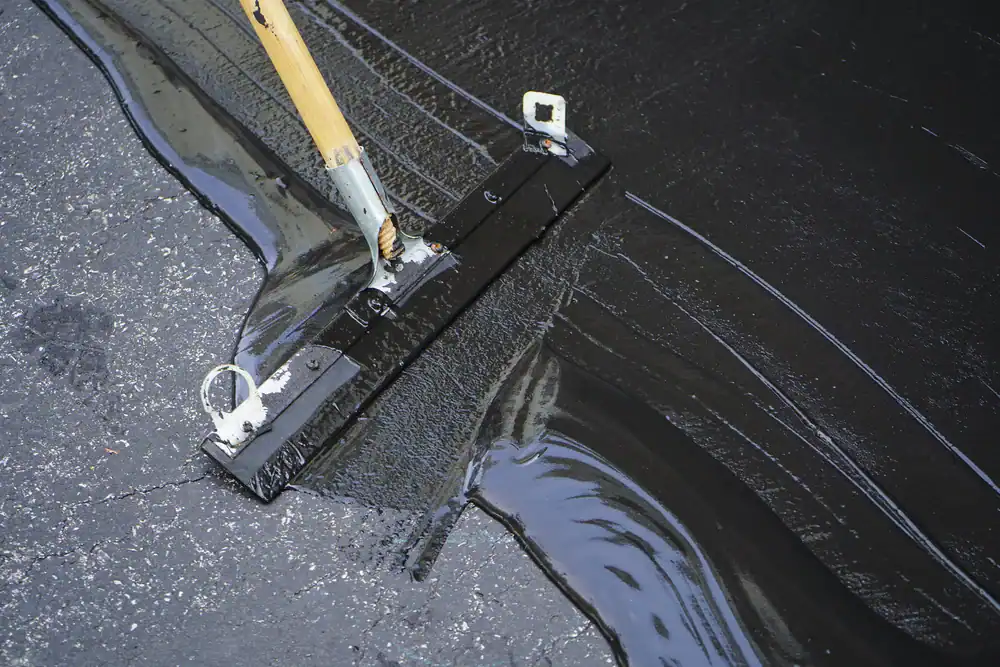
Sealcoating stops that cycle before it starts. It creates a protective barrier that keeps water out, prevents UV damage, and shields your asphalt from the chemicals that eat away at unprotected surfaces. The difference between a sealed driveway and an unsealed one isn’t just cosmetic—it’s 5 to 10 extra years of life.
Most driveways in Morris County cost between $3,000 and $8,000 to replace. Professional driveway sealcoating runs under $500 for most residential properties. That’s not just savings—it’s smart maintenance that protects one of your home’s most visible assets.
We operate out of Morris County, which means we’re not guessing about your climate. We see what happens to driveways here every winter, and we know exactly how to protect them.
We use custom-blended sealer mixed in-house for thicker, darker, longer-lasting finishes. Our two-coat applications are designed specifically for New Jersey’s brutal freeze-thaw cycles—not the one-coat shortcuts that fail after a single winter. Every job includes hot rubberized crack filling and proper surface prep, because cutting corners on prep means the sealer won’t bond.
You’ll get a callback within 24 to 48 hours when you request a quote. No runaround, no disappearing acts. Just clear pricing and a straightforward timeline for getting your driveway sealed before the next freeze hits.
First, we inspect your driveway for cracks, potholes, and drainage issues. Any damage gets addressed before sealer goes down—otherwise you’re just covering up problems that will resurface in months.
Next comes surface prep. We clean off dirt, debris, oil stains, and anything else that would prevent the sealer from bonding properly. This step matters more than most homeowners realize. Sealer applied to a dirty surface peels off fast.
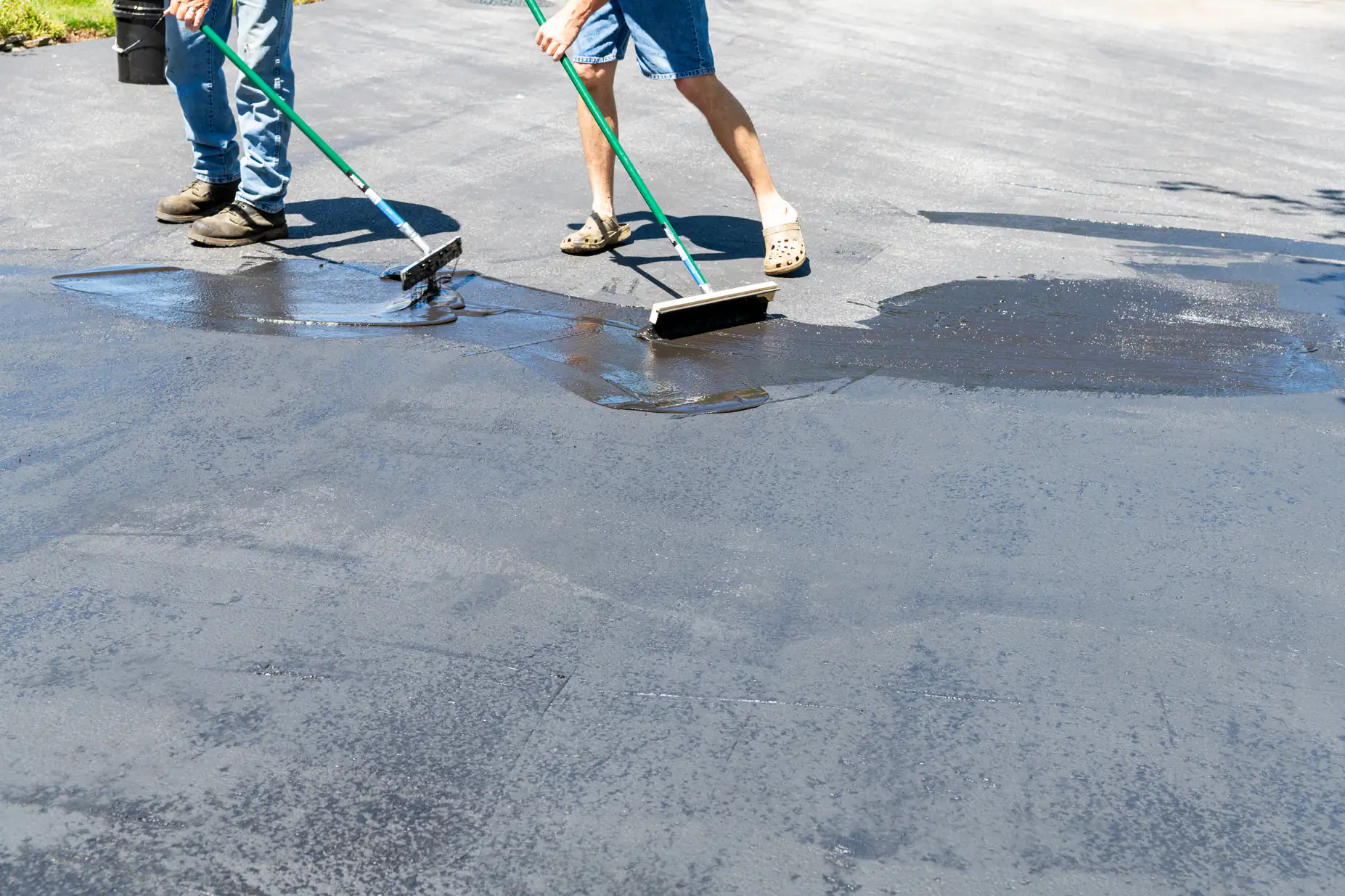
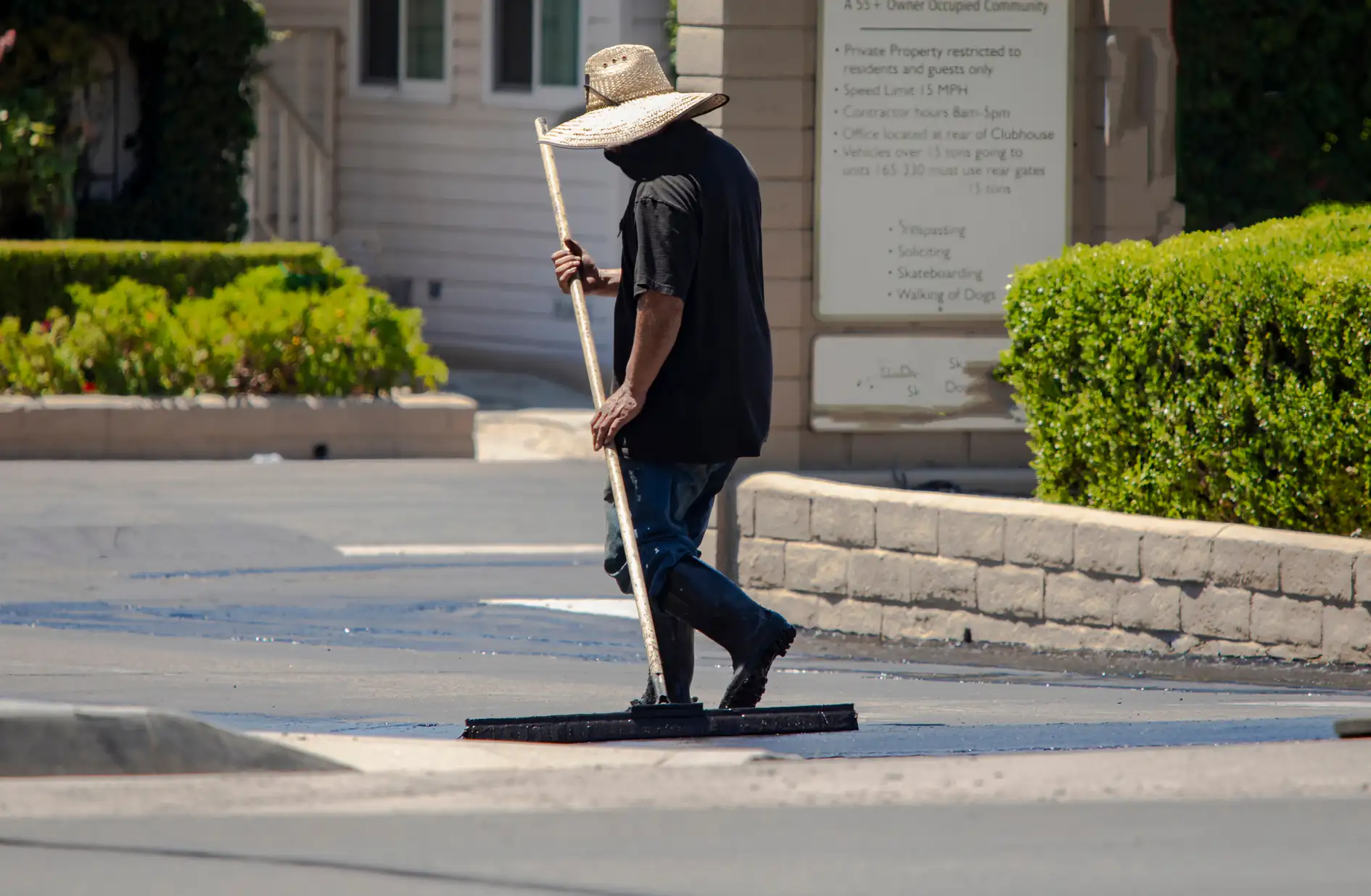
Then we fill cracks with hot rubberized material. This isn’t the cold pour stuff that hardens and cracks again by spring—it’s heated, flexible, and moves with your asphalt as temperatures shift. After crack filling, we apply two coats of our custom-blended sealer. The first coat penetrates and bonds. The second coat builds thickness and creates that smooth, protective finish.
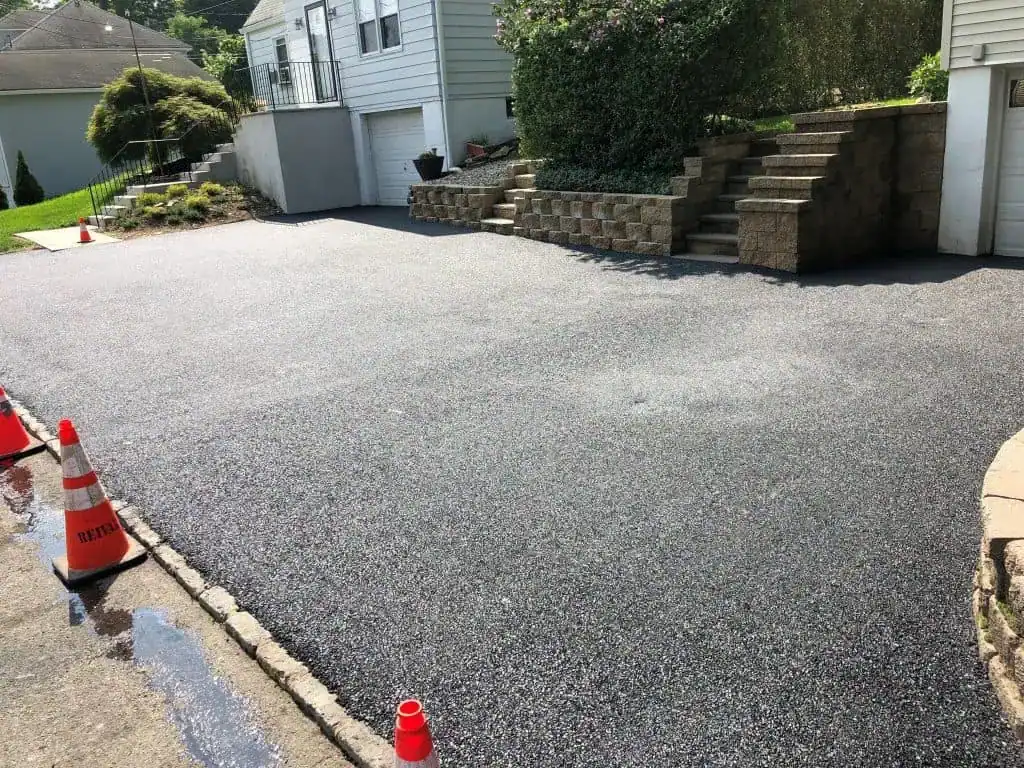
You’ll need to stay off the driveway for 24 to 48 hours while it cures. After that, you’re looking at 3 to 4 years of protection before the next application is due.
Ready to get started?
Every sealcoating job includes a full site analysis. We check for foundation issues, drainage problems, and structural damage that could compromise the seal. If your driveway has underlying problems, we’ll tell you before we start.
Surface cleaning and prep are part of the process, not an add-on. Oil stains get treated, vegetation gets removed, and the entire surface gets swept and blown clean. Hot rubberized crack filling comes standard—not optional. Morris County driveways need it.
We apply two coats of sealer, not one. Single-coat applications don’t hold up here. The extra layer adds thickness, durability, and years to the lifespan of the seal. All materials and labor are backed by a two-year warranty, so if something fails prematurely, we handle it.
Timing matters in New Jersey. We need at least 48 hours of dry weather and temperatures above 50 degrees for proper curing. Rain or freezing temps during that window ruin the application. We track weather closely and schedule jobs during optimal windows—usually late summer through early fall.

Most residential driveways in White Meadow Lake run between $150 and $500 for professional sealcoating. The price depends on square footage, current condition, and how much crack filling is needed before sealing.
New Jersey pricing runs about 15 to 20 percent higher than the national average because of our climate. Freeze-thaw cycles are harder on asphalt here, so proper application requires better materials and more prep work. That’s not a markup—it’s what it takes to make the seal last.
If someone quotes you significantly less, ask what corners they’re cutting. Diluted sealer, single-coat applications, and skipped crack filling all save money upfront but cost more when the job fails in a year. A proper two-coat application with quality materials should last 3 to 4 years in Morris County.
A properly applied two-coat seal should last 3 to 4 years in Morris County. Single-coat applications or low-quality materials might only make it 1 to 2 years before they start breaking down.
The lifespan depends on a few factors: traffic volume, sun exposure, winter severity, and whether the driveway was prepped correctly before sealing. Driveways that get regular use from multiple vehicles wear faster than ones with light traffic. South-facing driveways take more UV damage and may need resealing sooner.
You’ll know it’s time for another coat when the surface starts looking faded or gray instead of black. Small cracks reappearing is another sign. Waiting too long between applications lets water back in and undoes the protection you paid for.
Late summer through early fall is ideal. You need at least 48 hours of dry weather with temperatures consistently above 50 degrees for the sealer to cure properly. Rain or cold temps during curing compromise the bond and shorten the lifespan.
Most contractors in North Jersey aim to finish sealcoating jobs by mid-October at the latest. After that, weather becomes too unpredictable. Spring is possible but tricky—you’re racing against unpredictable rain and trying to get it done before summer heat makes the asphalt too soft.
If your driveway hasn’t been sealed in 3 to 4 years and you’re heading into winter, don’t wait until spring. Every freeze-thaw cycle without protection does cumulative damage. Get on the schedule for late summer and protect your asphalt before the next Morris County winter hits.
Yes, but the cracks need to be filled first. Sealcoating isn’t a crack repair solution—it’s a protective coating. If you apply sealer over unfilled cracks, water will still get in and the cracks will keep spreading.
We use hot rubberized crack filler that stays flexible as temperatures change. It expands and contracts with your asphalt instead of hardening and cracking again by spring. Cold pour crack fillers don’t hold up in New Jersey winters—they’re too rigid and fail fast.
If your driveway has significant structural damage, potholes, or widespread cracking, sealcoating might not be the right solution yet. Sometimes the base needs repair before sealing makes sense. We’ll assess the condition during the site visit and tell you what’s actually needed, not just what’s easiest to sell.
Sealcoating protects existing asphalt. Repaving replaces it. If your driveway is structurally sound but showing wear from age and weather, sealcoating extends its life for a fraction of replacement cost.
Repaving involves tearing out old asphalt, regrading the base, and laying new material. It’s necessary when the foundation has failed, when there’s severe cracking throughout, or when the surface has deteriorated beyond repair. That process costs thousands and takes days.
Sealcoating takes a day or two, costs hundreds instead of thousands, and adds years to a driveway that still has good bones. It’s preventive maintenance, not a repair. The key is doing it before damage gets so severe that repaving becomes the only option.
In Morris County, yes. Single-coat applications don’t provide enough protection against the freeze-thaw cycles we get here from November through March. The second coat builds thickness and durability that a single layer can’t match.
The first coat penetrates the asphalt and creates a bond. The second coat builds on that foundation and creates the protective barrier that keeps water, UV rays, and chemicals out. Skipping the second coat to save money means you’ll be resealing sooner—and spending more over time.
Some contractors push single-coat applications because they’re faster and cheaper to apply. That’s fine in milder climates. It doesn’t work here. New Jersey winters are too harsh, and one thin layer of sealer won’t hold up. Two coats aren’t overkill—they’re what it takes to make the job last.