
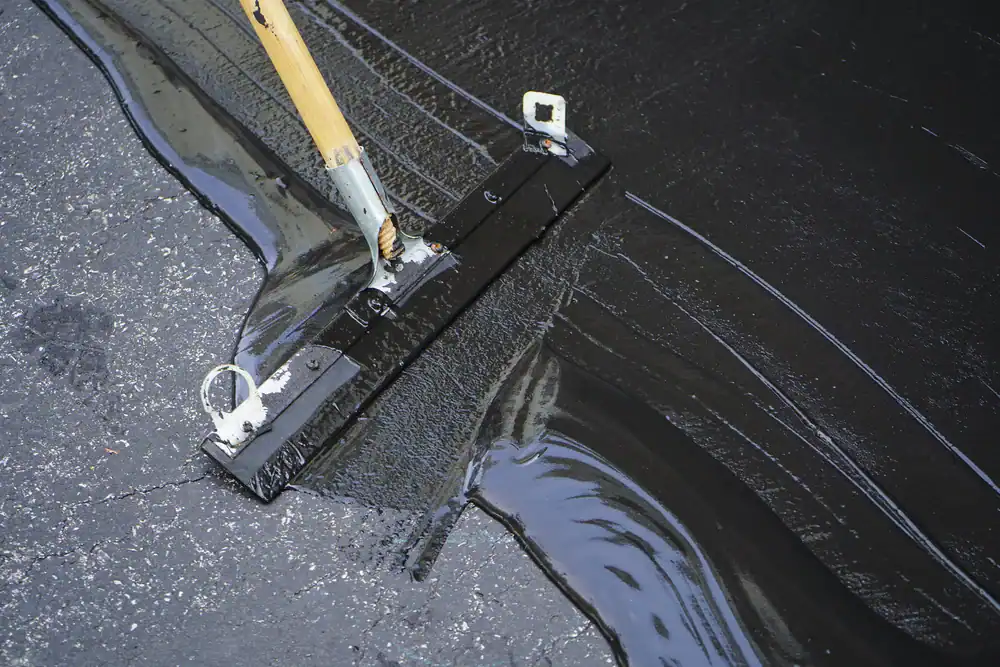
Hear from Our Customers
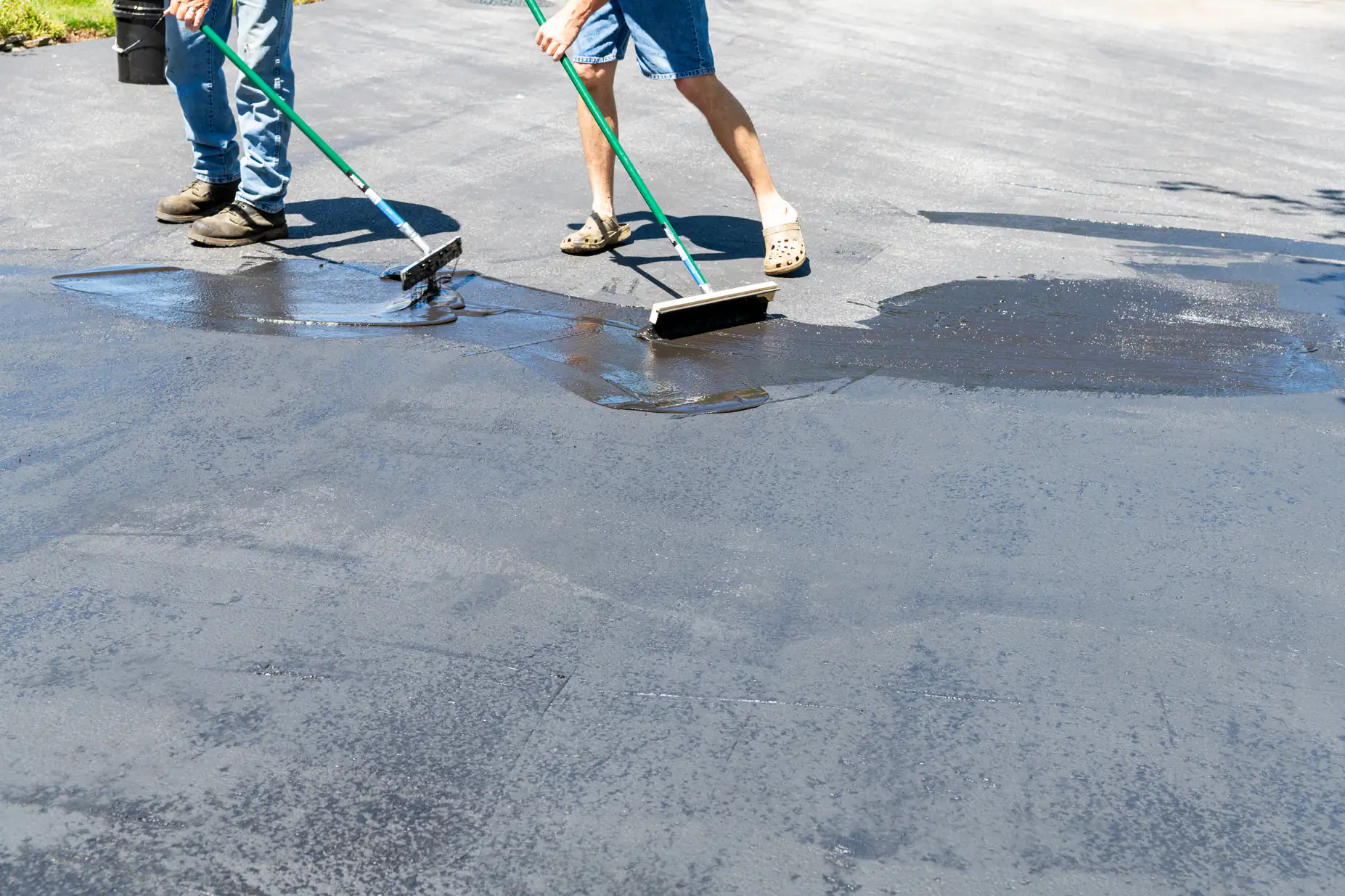
You’re looking at three to five extra years before you need to think about repaving. That’s the difference between a $400 sealcoating job and a $5,000 replacement down the road.
Morris County gets hit with 55 to 75 freeze-thaw cycles every winter. Each one pushes water deeper into cracks, expanding by 9% when it freezes. By March, those hairline fractures you ignored in October are now potholes that’ll cost you real money to fix.
Sealcoating creates a barrier. Water can’t get in. UV rays can’t break down the asphalt binder. Salt and oil from your car don’t eat away at the surface. Your driveway stays intact, looks sharp, and you’re not dealing with emergency repairs when the weather finally breaks.
We work exclusively in Morris, Sussex, and Somerset Counties. We’re not a statewide operation trying to serve everyone. We’re local, and we understand what happens to asphalt in this specific climate.
Troy Hills sits in one of the wealthier neighborhoods in New Jersey, with homes built between the 1940s and 1960s. Those driveways have seen decades of wear. We’ve sealed and repaired hundreds of them, and we know exactly what fails first and why.
You’ll get a callback within 24 to 48 hours when you request a quote. Pricing is clear upfront. No surprises, no upsells you didn’t ask for.
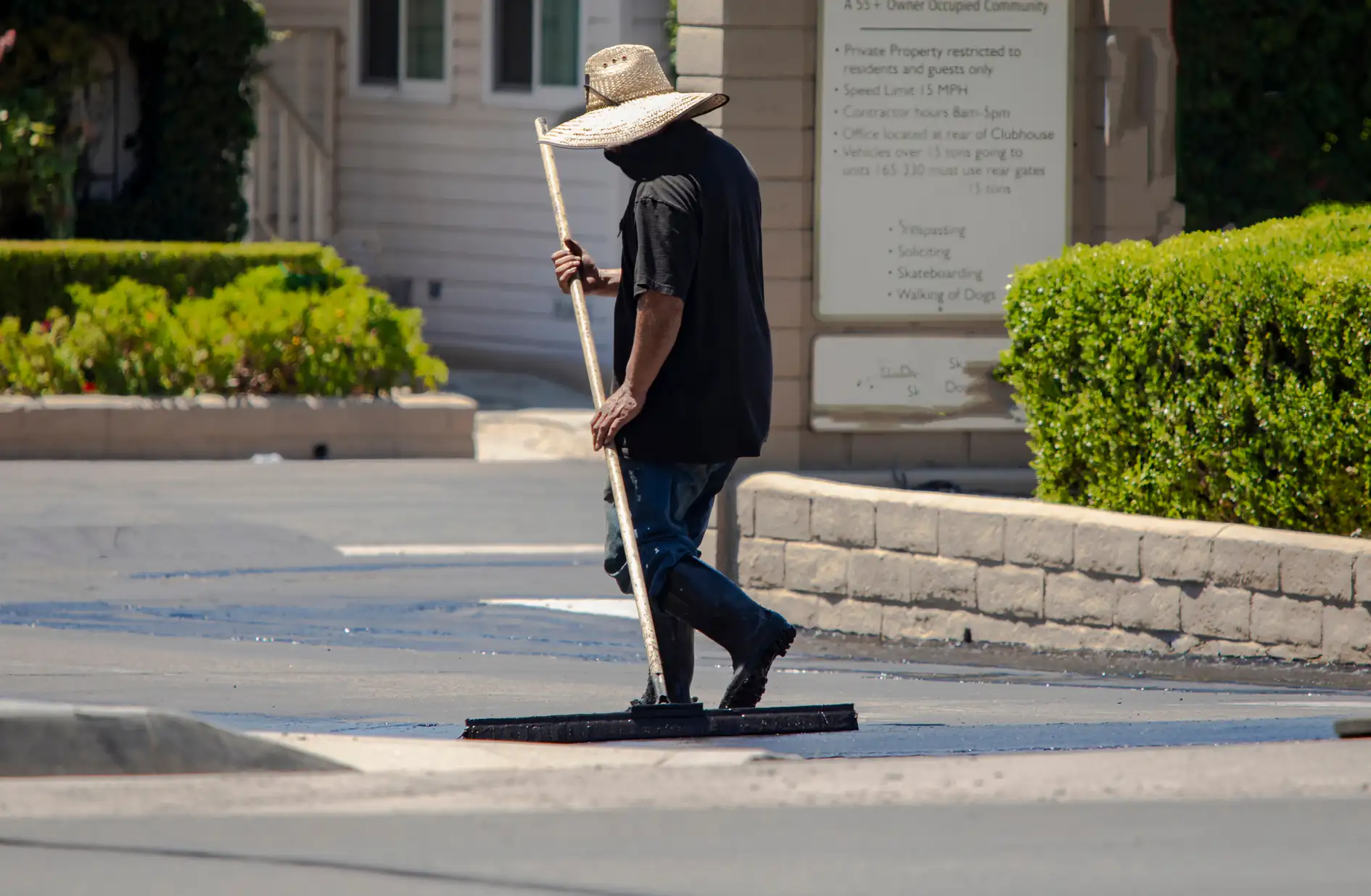
First, we clean the entire surface. Dirt, debris, oil stains—all of it has to come off or the sealer won’t bond properly. Most DIY jobs fail here because homeowners skip this step or don’t do it thoroughly enough.
Next, we fill every crack. Not just the big ones. Hairline cracks get attention too, because those are the ones that turn into major problems after a few freeze-thaw cycles. We use hot rubberized crack filler that stays flexible when temperatures drop.
Then we apply two coats of professional-grade sealer. The first coat soaks in and bonds to the asphalt. The second coat creates the protective layer that keeps water, UV rays, and chemicals out. We’re using commercial-grade material that lasts longer and performs better than anything you’ll find at a hardware store.
Curing takes 24 to 48 hours depending on temperature and humidity. You’ll need to stay off the driveway during that time. Once it’s cured, you’re good for another two to three years before the next application.
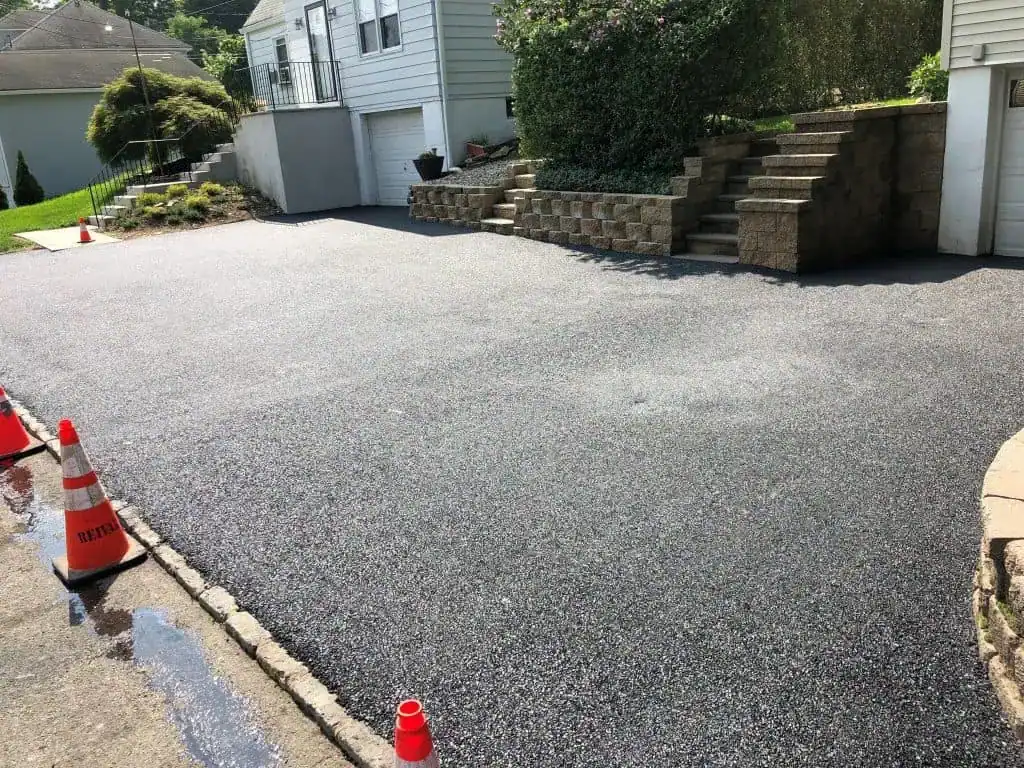
Ready to get started?
Most residential driveways in Troy Hills run between $300 and $500 for a complete sealcoating job. That includes cleaning, crack filling, and two coats of sealer. Pricing depends on square footage and current condition.
New Jersey pricing runs about 15% to 20% higher than the national average. That’s because of labor costs and the fact that our climate beats up asphalt harder than most other regions. You’re paying for materials that can handle what Morris County winters throw at them.
Fall is the best time to seal your driveway. Temperatures are moderate, humidity is lower, and the sealer cures properly before winter hits. Spring works too, but you’re cutting it close if you wait until late April or May. Summer heat can cause issues with curing, and winter is obviously off the table.
If your driveway is new, wait six to twelve months before sealing it. Fresh asphalt needs time to cure fully. Sealing too early traps oils in the pavement and prevents proper hardening.

You’re looking at two to three years between applications if the job’s done right. That timeline assumes professional-grade materials, proper surface prep, and two coats applied in good weather conditions.
DIY jobs or cheap contractor work might only last one season. The difference comes down to material quality and application technique. Watered-down sealer or single-coat applications don’t hold up to Morris County’s freeze-thaw cycles.
If you’re seeing significant wear before the two-year mark, either the prep work was rushed or the sealer wasn’t commercial grade. You shouldn’t need to reseal every year unless your driveway has serious underlying damage that needs to be addressed first.
Asphalt and concrete need completely different products and processes. Asphalt sealer is coal tar or asphalt-based and designed to penetrate and protect petroleum-based pavement. Concrete sealer is typically acrylic or epoxy-based and sits on the surface.
Asphalt driveways should be sealed every two to three years. Concrete driveways need sealing less frequently—usually every three to five years—but the sealer type matters more. Some concrete sealers are purely cosmetic, others actually protect against moisture and salt damage.
If you’ve got a concrete driveway, you’re looking at a different service entirely. The prep work, application method, and curing time all change. Make sure whoever you hire knows the difference and isn’t just treating concrete like asphalt.
You can do it yourself, but the results won’t match professional work. The biggest issue is surface preparation. Most homeowners don’t have the equipment to properly clean and prep the driveway, so the sealer doesn’t bond correctly.
Store-bought sealer is also significantly weaker than commercial-grade material. It’s thinner, breaks down faster, and doesn’t provide the same level of protection against freeze-thaw damage. You’ll end up resealing more often, which eats into any money you thought you were saving.
Application technique matters too. We know how to get even coverage, avoid pooling, and apply the right thickness. Too thin and it won’t protect. Too thick and it’ll crack and peel. If you’re committed to DIY, at least invest in proper cleaning equipment and don’t cheap out on materials.
Most residential driveways in Troy Hills cost between $300 and $500 for professional sealcoating. That price includes surface cleaning, crack filling, and two coats of commercial-grade sealer.
Pricing breaks down to about $0.15 to $0.40 per square foot depending on condition and size. A typical two-car driveway runs around 600 square feet, putting you in that $300 to $500 range. Larger driveways or ones with extensive cracking will cost more because of the extra prep work.
Compare that to repaving, which runs $3,000 to $7,000 for the same driveway. Sealcoating every few years is the cheapest way to avoid that expense. You’re spending a few hundred now to prevent spending thousands later.
Fall is your best window. September through early November gives you moderate temperatures, lower humidity, and enough time for the sealer to cure before winter hits. You need at least 50-degree temperatures during application and for 24 hours afterward.
Spring works if you get it done early—late April through May. Any later and you’re dealing with summer heat, which can cause the sealer to dry too fast and not bond properly. Summer applications are risky because of temperature extremes.
Winter is off the table entirely. Sealer won’t cure in cold temperatures, and you’ll just waste money on a job that fails by spring. If you missed the fall window, wait until April rather than trying to squeeze it in during a warm week in February.
It does both, but the protection is the real value. Sealcoating blocks water from getting into the asphalt base. When water freezes, it expands by 9%, pushing the pavement apart from the inside. Stop the water, stop the cracking.
UV rays also break down the asphalt binder over time, making the surface brittle and prone to cracking. Sealer acts like sunscreen for your driveway, blocking UV damage and keeping the asphalt flexible enough to handle temperature changes without fracturing.
The cosmetic improvement is a bonus. A freshly sealed driveway looks clean and well-maintained, which matters if you’re thinking about selling. But even if you’re staying put, the real benefit is adding years to your driveway’s lifespan and avoiding expensive repairs.