
Hear from Our Customers
A $300 sealcoat job today prevents a $5,000 repaving project three years from now. That’s not a sales pitch—it’s what happens when you protect asphalt before New Jersey winters get to it.
Water seeps into small cracks and expands by 9% when it freezes. That pressure widens existing damage and creates new cracks with every freeze-thaw cycle. Road salt accelerates the breakdown. UV rays oxidize the surface. Your driveway is under constant attack from October through April.
Professional driveway sealing creates a waterproof barrier that stops infiltration before it starts. You’re not just making your driveway look better—you’re preventing the kind of base damage that requires tearing out entire sections and starting over. Most driveways last 15 years without protection. With regular sealcoating every 2-3 years, you’re looking at 25+ years from the same surface.
We’ve been sealing driveways across Silver Lake CDP, Newark, East Orange, and Morris County since 2012. We’re not a crew passing through with leftover materials—we’re a family-owned business grounded in Northern New Jersey, and we’ll still be here when your warranty matters.
We’ve sealed over 2,300 driveways in this area. We know the freeze-thaw patterns, the road salt exposure, the soil conditions that cause settling. We know which materials hold up and which ones fail in 30 days.
You’ll get a written estimate with transparent pricing, a 5-year warranty on the work, and a crew that shows up when we say we will. We’re BBB accredited with a 4.5-star rating and fully licensed with the NJ Division of Consumer Affairs. No surprises, no upsells, no strangers claiming they have extra sealer in the truck.
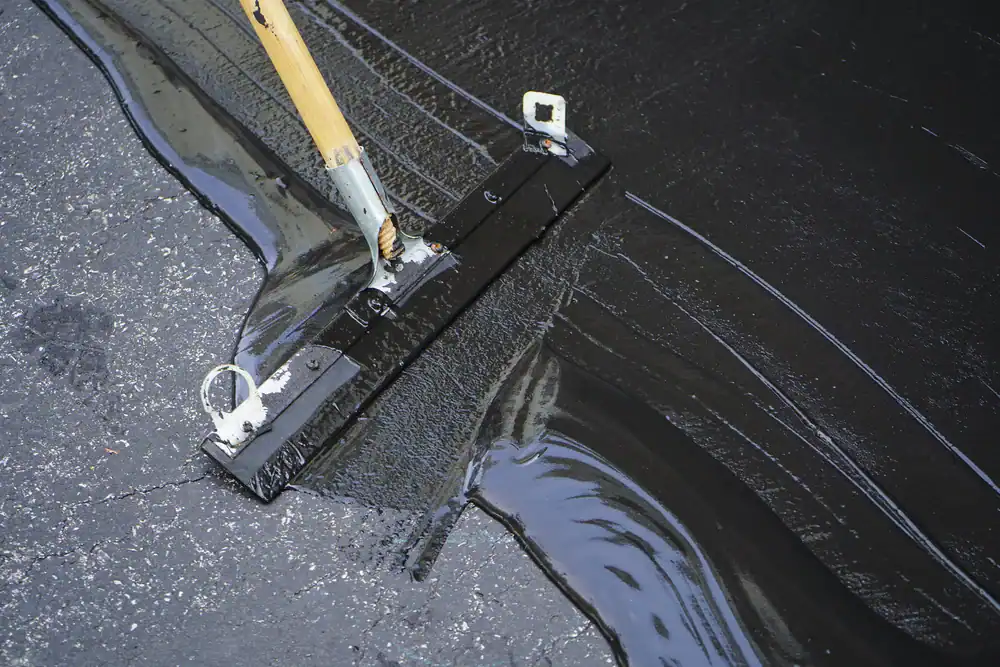
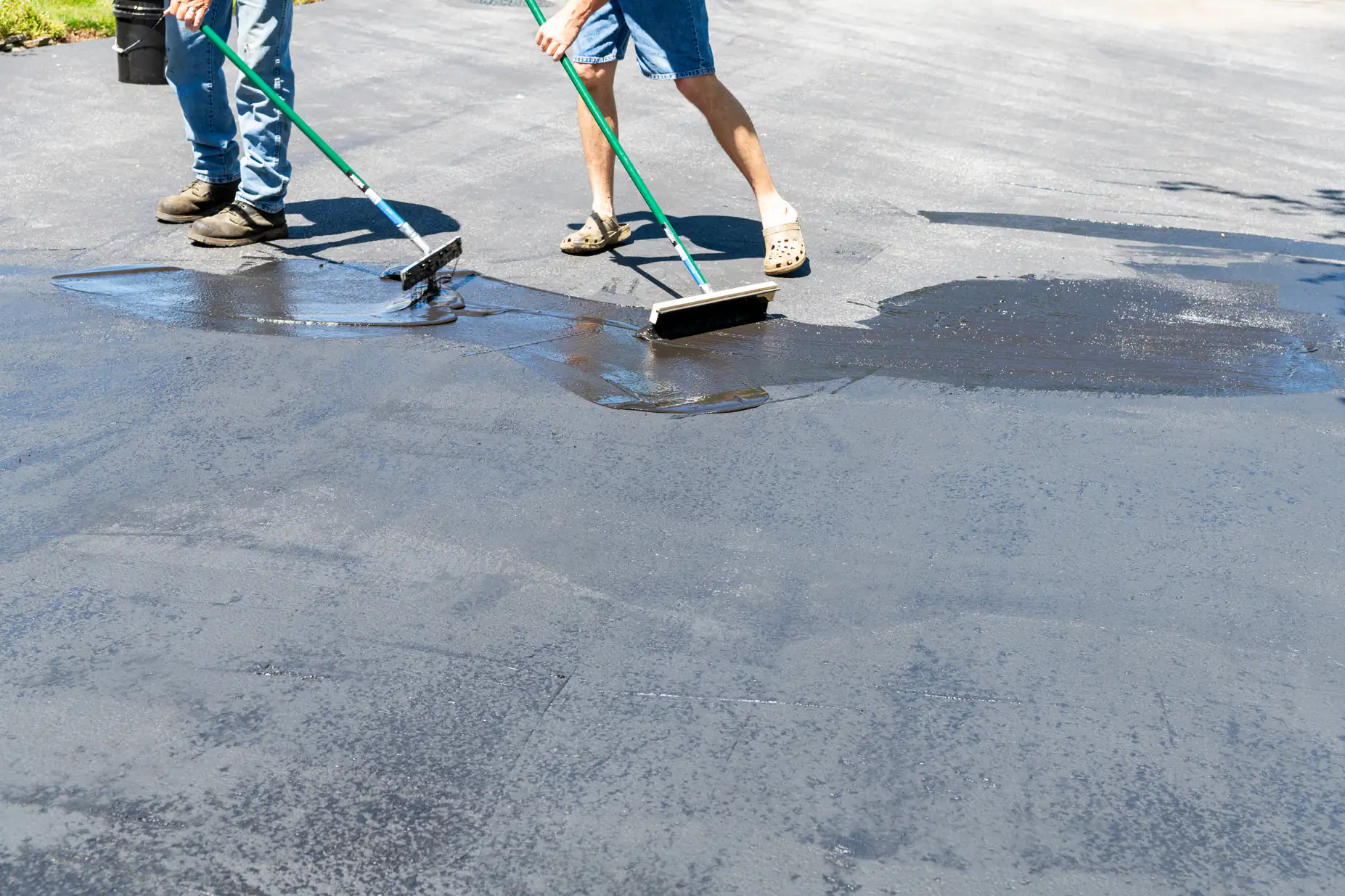
We start with power washing to remove dirt, oil, and loose material. If your driveway has cracks, we fill them with hot rubberized filler—not the cold pour stuff that fails in six months. Oil spots get primed so the sealer actually bonds instead of peeling off in sheets.
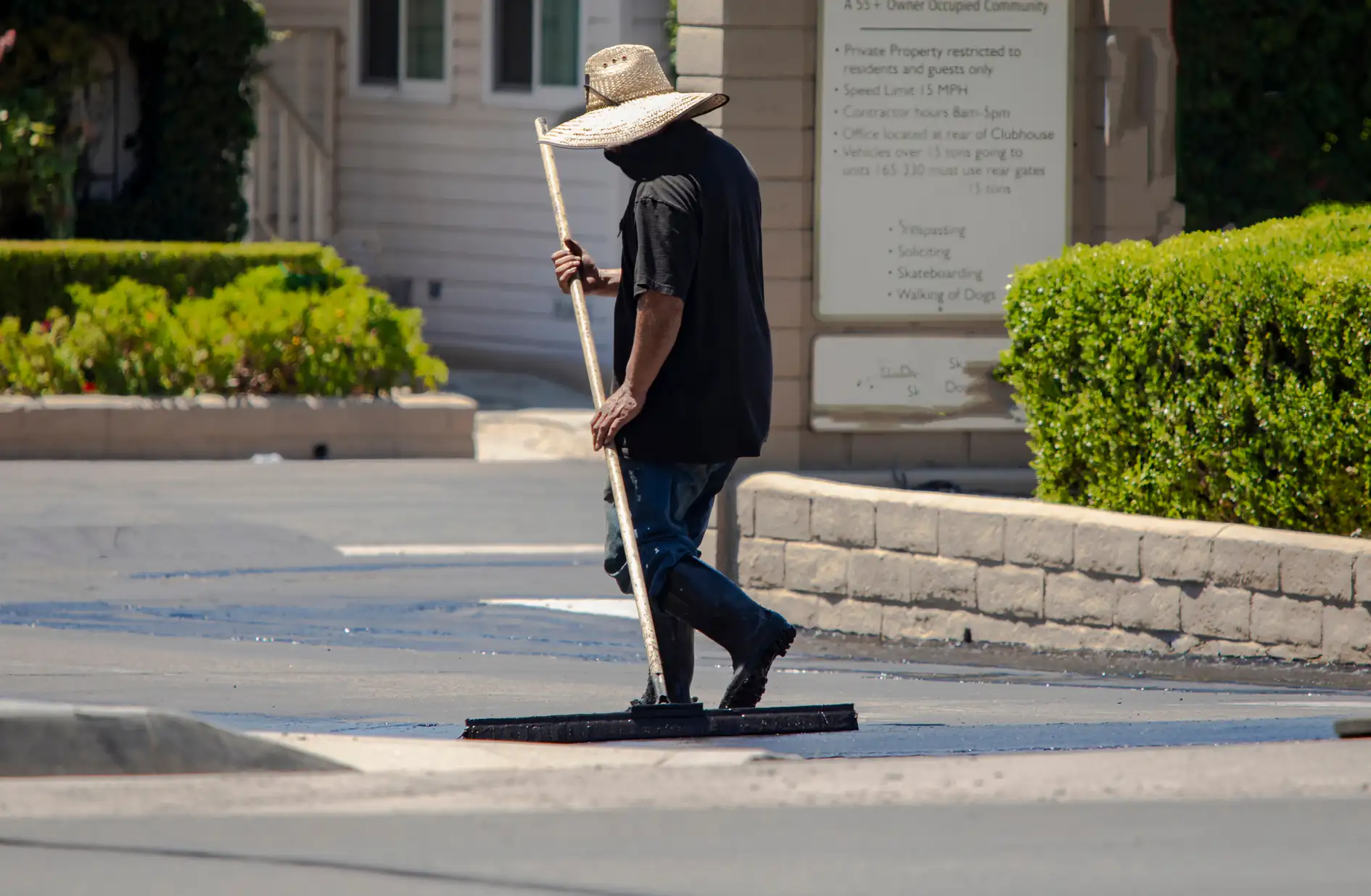
Edges are trimmed and cleaned. We apply two coats of commercial-grade sealer with sand additive for traction. The sealer needs to cure properly, which is why we only work in temperatures between 50°F and 85°F with no rain in the forecast for 24 hours.
The whole process takes one day for most residential driveways. You’ll need to stay off it for 24-48 hours depending on weather conditions. After that, you’ve got a protected surface that sheds water, resists UV damage, and looks like new asphalt again. We’ll tell you when to reseal—usually in 2-3 years depending on traffic and sun exposure.
Ready to get started?
Every sealcoating job includes power washing, crack filling with hot rubberized material, oil spot treatment, edge work, and two coats of commercial sealer with sand additive. You’re also getting a 5-year warranty and upfront pricing with no change orders.
Most driveways in Silver Lake CDP and Essex County run between $180-$500 depending on size and condition. A standard 600-square-foot two-car driveway typically costs $180-$270. If you’ve got significant cracking or oil stains, we’ll address that in the estimate—not after we’ve already started the job.
New Jersey prices run higher than national averages because labor costs more here and the materials have to stand up to harsher conditions. You’re paying for sealer that’s mixed properly, applied at the right temperature, and backed by a contractor who’s licensed and insured. The guys offering $99 specials are either using diluted materials or they’ll be gone before your driveway fails.
Fall is the best time to seal in Northern New Jersey. Temperatures are moderate, humidity is lower, and the sealer cures properly before winter. Spring works too, but you’re often waiting for frost to lift and dealing with unpredictable weather. If you’re calling in April, you’re competing with everyone else who just discovered winter damage.

Most asphalt driveways in Essex County should be sealed every 2-3 years. That timeline changes based on how much sun exposure your driveway gets, how much traffic it sees, and whether you’re parking heavy vehicles on it regularly.
If your driveway faces south or west, UV damage happens faster. If you’ve got teenagers driving in and out multiple times a day, you’re wearing down the surface quicker. If you park work trucks or RVs on it, the weight accelerates deterioration.
You’ll know it’s time when the asphalt starts looking gray instead of black, when you see small cracks forming, or when water stops beading on the surface. Waiting too long means you’re repairing damage instead of preventing it—and repairs cost a lot more than maintenance.
Professional sealcoating uses commercial-grade materials mixed on-site and applied with equipment that ensures even coverage and proper thickness. DIY sealer from the hardware store is pre-mixed, lower quality, and applied with a squeegee or brush that can’t achieve professional results.
The prep work matters more than most people realize. We power wash at high pressure, fill cracks with hot rubberized material that flexes with temperature changes, and prime oil spots so the sealer bonds. Most homeowners skip these steps or use inferior materials, which is why DIY jobs often fail within a year.
You’re also not getting a warranty when you do it yourself. If the sealer peels, flakes, or washes away, you’ve wasted your time and money. When we seal your driveway, you’ve got a 5-year warranty and a licensed contractor who’s accountable if something goes wrong.
Yes, but the cracks need to be filled first. Sealcoating isn’t a crack filler—it’s a protective coating that goes over the surface. If you seal over cracks without filling them, water still gets in and the damage continues underneath.
We use hot rubberized crack filler that stays flexible through temperature swings. It expands and contracts with the asphalt instead of cracking out like the cold pour products. For larger damaged areas, we’ll recommend patching or cutting out the section and repaving it before we seal.
There’s a limit to what sealcoating can fix. If your driveway has widespread alligatoring, major settling, or base failure, sealing it is like painting over rot. We’ll tell you honestly if you’re better off repaving sections or the whole thing. But if you’ve got typical wear and minor cracking, filling and sealing will buy you years of additional life.
You’ll need to stay off your driveway for 24-48 hours after we seal it. The exact time depends on temperature, humidity, and sun exposure. Warmer, drier conditions mean faster curing. Cooler or humid conditions take longer.
We only seal when conditions are right—temperatures between 50°F and 85°F with no rain in the 24-hour forecast. Sealing in poor conditions leads to premature failure. The sealer won’t bond properly, it takes forever to dry, and you end up with tire marks or tracking.
After the initial cure period, your driveway is ready for normal use. The sealer continues to harden over the next 30 days, so avoid parking heavy equipment or making sharp turns during that time if possible. We’ll give you specific instructions based on weather conditions when we finish the job.
Shiny driveways are usually a sign of low-quality sealer or improper application. Some contractors use products that are mostly water with just enough sealer to make it look black. It’s shiny because it’s basically paint—and it wears off fast.
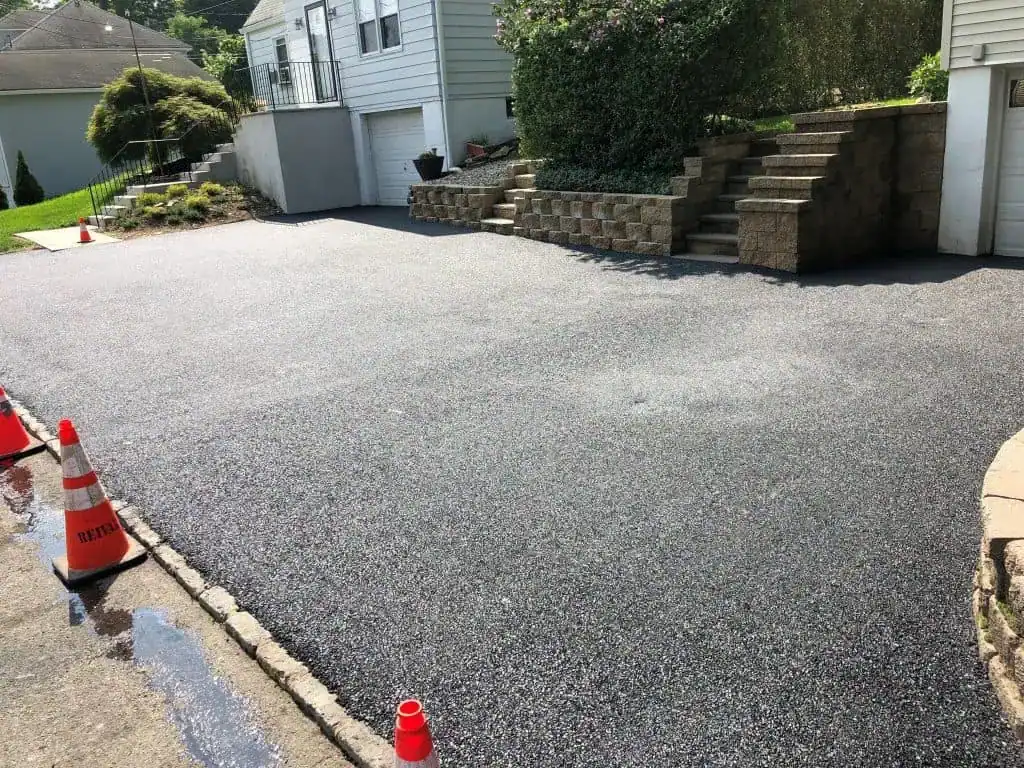
Professional sealcoating has a matte finish. We add sand for traction and UV protection, which eliminates the glossy look. The goal isn’t to make your driveway look wet—it’s to protect the asphalt underneath from water infiltration, oxidation, and chemical damage.
If someone’s offering an unusually low price and promising a “like-new” shine, you’re probably getting diluted material that won’t last through winter. A proper seal coat should look clean and uniform, not reflective. You want protection, not cosmetics.
We don’t seal driveways in winter. Sealcoating requires temperatures above 50°F during application and for 24 hours afterward. The sealer won’t cure properly in cold weather, and you’ll end up with a failed job that needs to be redone.
Fall is actually the best time to seal in New Jersey. Temperatures are moderate, humidity is lower, and you’re creating a protective barrier right before winter hits. Spring is the second-best option, but you’re dealing with unpredictable weather and competing with everyone else who waited until they saw damage.
If someone offers to seal your driveway in December or January, walk away. They’re either using materials that aren’t meant for residential driveways or they don’t know what they’re doing. Either way, you’ll be calling someone else to fix it in six months.