
Hear from Our Customers
Your driveway takes a beating every winter. Freeze-thaw cycles hit Short Hills hard—water seeps into small cracks, freezes, expands, and turns hairline fractures into potholes by March. Road salt makes it worse, breaking down the binding agents that hold asphalt together.
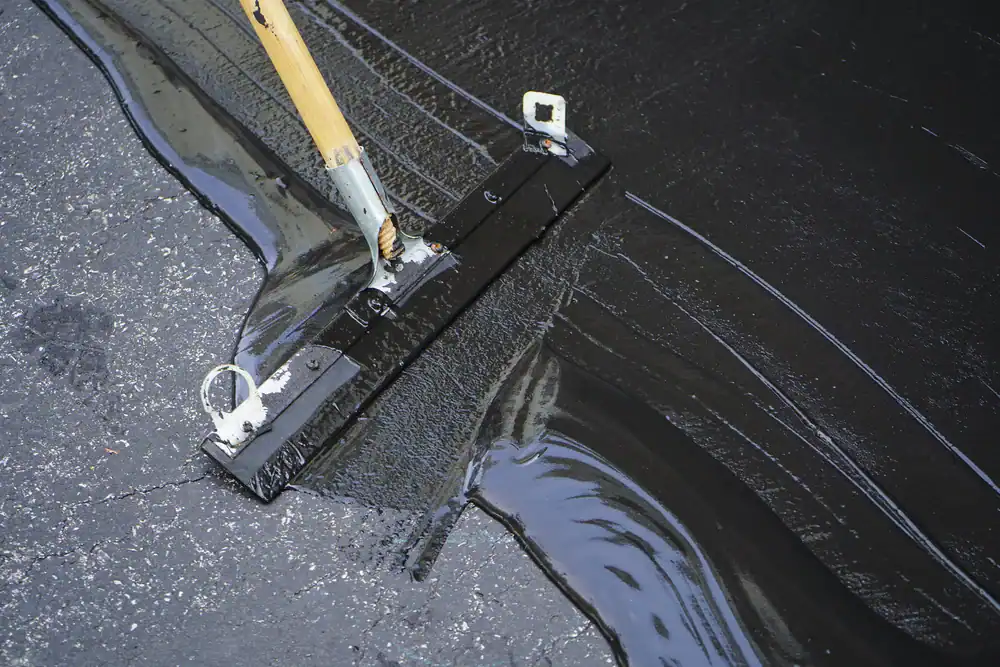
Sealcoating creates a waterproof barrier. It blocks moisture, resists salt damage, and protects against UV rays that make asphalt brittle. You’re looking at 15 to 20 years of driveway life with proper maintenance versus 8 to 12 without it.
The math is simple. Driveway sealing runs a few hundred dollars every few years. Replacement costs thousands. And a well-maintained driveway doesn’t just save money—it keeps your property looking sharp and avoids the embarrassment of a cracked, faded mess greeting guests.
We work throughout Morris, Sussex, and Somerset Counties. We’ve seen what North Jersey winters do to asphalt, and we know what it takes to protect it.
Short Hills homeowners deal with more than average wear. Your properties are investments, and your driveways need to match that standard. We use professional-grade sealers with UV inhibitors and performance boosters—not the watered-down stuff you’ll find at big box stores.
We’re grounded in Morris County. We understand the local climate, the freeze-thaw cycles you face, and the level of finish that fits this area. You’ll get clear pricing upfront, no surprise charges, and work that’s done on schedule.
First, we inspect your driveway. We’re looking at the condition of the asphalt, existing cracks, drainage issues, and whether the surface is ready for sealer. If there are cracks wider than a quarter-inch, we’ll fill them first—sealcoating won’t fix structural damage.
Next, we clean the surface. Oil stains, dirt, and debris have to go. The sealer needs to bond directly to the asphalt, and anything in the way compromises that bond. We use commercial equipment to get it done right.
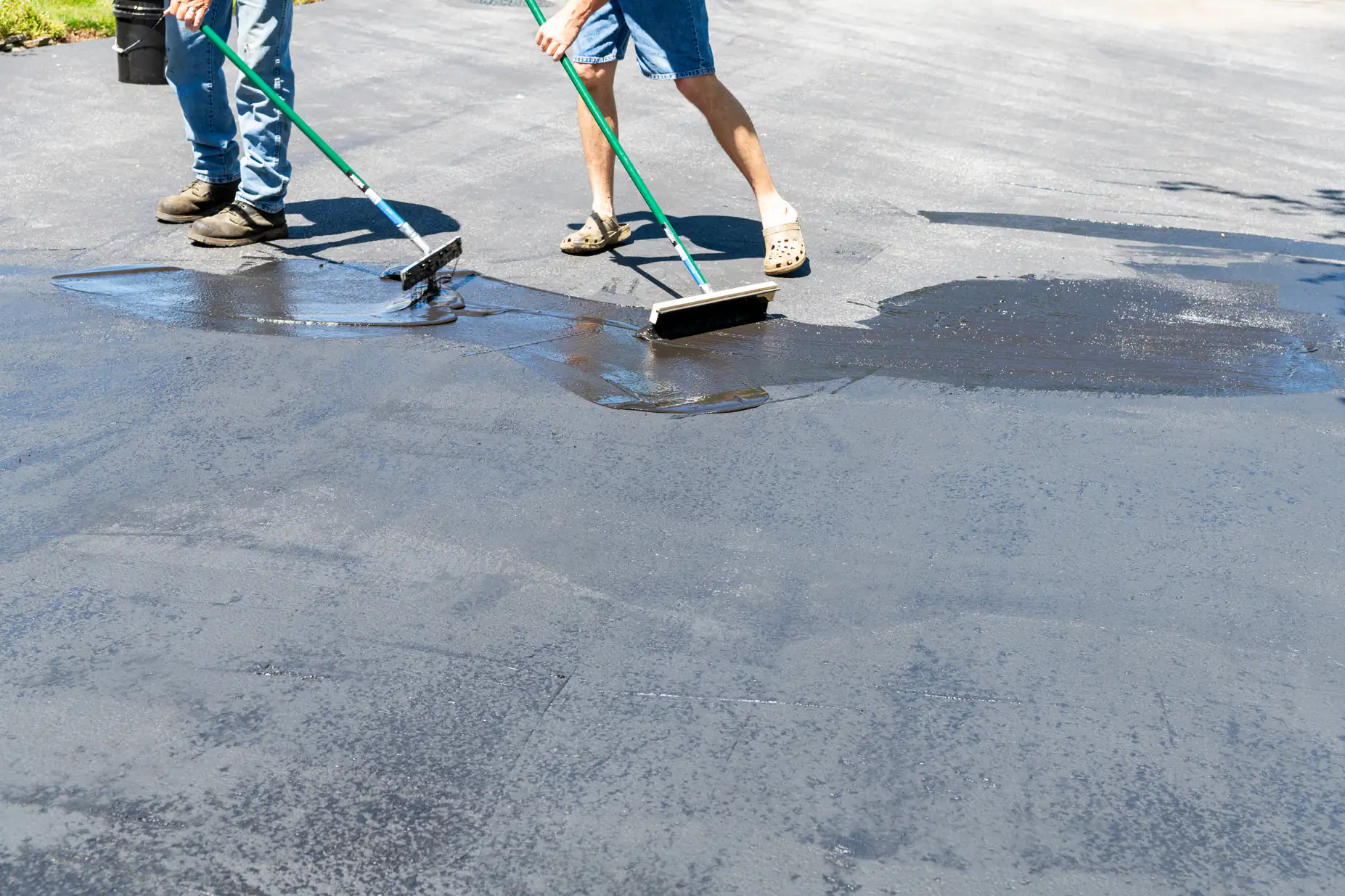
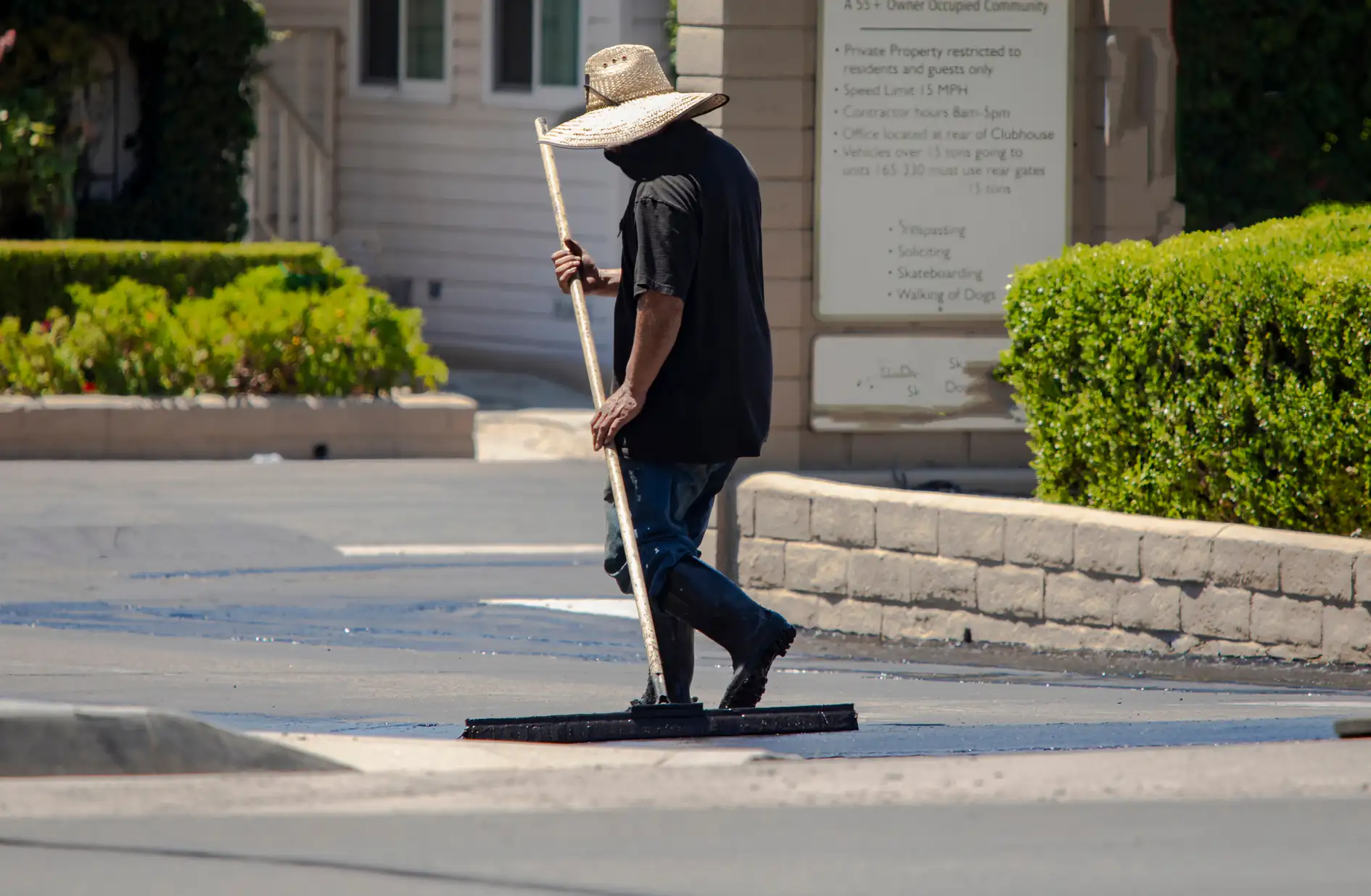
Then we apply the sealer. We’re using high-grade material applied at the right thickness—not too thin, not too thick. Two coats give you the best protection. The surface needs 24 to 48 hours to cure, depending on temperature and humidity.
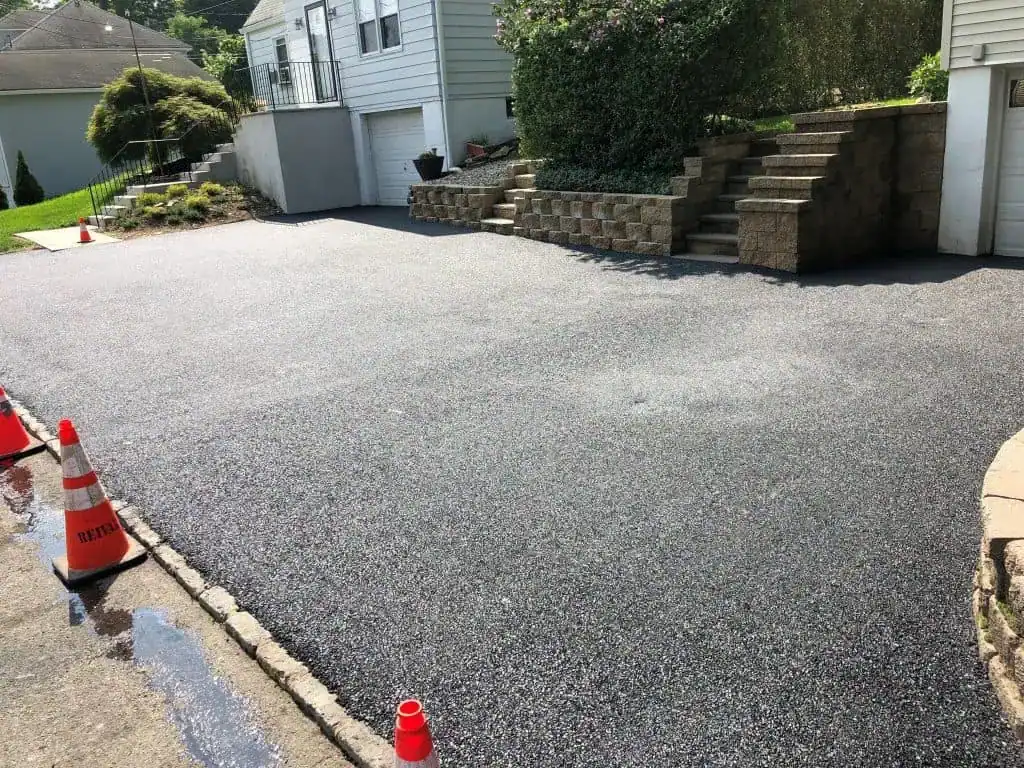
After that, you’re set. Your driveway is protected, it looks fresh, and you’ve added years to its lifespan. We recommend resealing every two to three years to maintain that protection.
Ready to get started?
Driveway sealcoating in Short Hills typically runs between $200 and $500 for most residential driveways, depending on size and condition. That’s based on the going rate of $0.15 to $0.40 per square foot in New Jersey, which runs higher than the national average due to labor costs and the heavy wear driveways take here.
You’re not just paying for sealer. You’re paying for proper surface prep, crack filling, professional-grade materials, and application that actually lasts. DIY might seem cheaper, but without the right equipment or experience, you’ll end up with peeling, uneven coverage, and a shorter lifespan.
Fall is the best time to seal in Morris County. Temperatures are moderate, conditions are dry, and the sealer cures properly. Spring is busy because everyone’s dealing with damage instead of preventing it. If you seal in the fall, you’re ahead of the freeze-thaw cycle before it starts.
Short Hills properties often have larger driveways, decorative borders, or premium finishes. We take that into account. You’ll get a quote based on your actual driveway—not a generic estimate.

Quality sealcoating lasts three to four years on residential driveways in New Jersey if it’s applied correctly and maintained properly. That timeline assumes you’re not plowing aggressively, you’re keeping the surface clean, and you’re not parking heavy equipment on it regularly.
New Jersey’s climate is tough on asphalt. You’re dealing with 40 to 50 freeze-thaw cycles every winter, road salt, UV exposure, and temperature swings from below freezing to above 90 degrees. All of that breaks down sealcoating over time.
If you wait longer than three or four years, you’re pushing it. The protective layer wears thin, water starts getting in, and you’re back to square one. Resealing every two to three years is the sweet spot for keeping your driveway in good shape without overdoing it.
Sealcoating protects the surface of your existing asphalt. Repaving means tearing out the old asphalt and starting over. They’re not interchangeable, and one doesn’t replace the other.
If your driveway has surface wear—fading, minor cracks, oxidation—sealcoating fixes that. It restores the finish, seals out water, and extends the life of the asphalt you already have. It’s maintenance, not repair.
If your driveway has deep cracks, potholes, sinking sections, or widespread damage, sealcoating won’t help. You need repaving or resurfacing. Sealcoating is preventive. Repaving is corrective. The goal is to sealcoat regularly so you never have to repave early.
You can seal your own driveway, but the results won’t match what a professional crew delivers. DIY sealcoating costs about the same as hiring someone when you factor in materials, tools, and your time—and you don’t get a warranty.
The sealer you buy at a home improvement store is thinner and less durable than commercial-grade products. You’ll also need a way to clean the surface properly, fill cracks, and apply the sealer evenly. Most homeowners end up with streaks, thin spots, or peeling because the prep work wasn’t done right.
Professional driveway sealing contractors use better materials, commercial equipment, and they know how to handle different conditions. You’re also getting a guarantee—most reputable companies offer a two-year warranty on the work. If something goes wrong, they fix it. If you do it yourself and it fails, you’re starting over.
Yes, but only if the asphalt is in decent shape to begin with. Sealcoating creates a waterproof barrier that keeps moisture from seeping into the asphalt. When water can’t get in, it can’t freeze, expand, and crack the surface.
That’s critical in Short Hills. Every time the temperature drops below freezing, any water trapped in your asphalt expands by about 9%. That creates pressure, widens existing cracks, and forms new ones. Over a winter, that cycle repeats dozens of times.
Sealcoating also protects against road salt, which breaks down the petroleum binders in asphalt. Salt accelerates deterioration, especially if water is already getting in. A sealed surface resists both. But if your driveway already has major cracks or structural issues, sealcoating won’t fix that—you’ll need repairs first.
Fall is the best time to seal your driveway in Short Hills. You want temperatures between 50 and 85 degrees, low humidity, and no rain in the forecast for at least 24 hours. September and October usually hit that window.
Spring seems logical, but it’s risky. You’re dealing with unpredictable weather, and if the sealer doesn’t cure properly, it won’t perform. Plus, spring is when everyone’s scrambling to fix winter damage, so you’re competing for scheduling.
Summer works if it’s not too hot. Sealer can dry too fast in extreme heat, which affects how it bonds to the asphalt. And you’ll need to stay off the driveway for a day or two, which is easier to manage in the fall than in the middle of summer when you’re in and out constantly.
Sealing in the fall means your driveway is protected before winter hits. You’re preventing damage instead of reacting to it, and that’s the whole point.
Most residential driveways in Morris County cost between $200 and $500 to seal, depending on size and condition. That’s based on the typical rate of $0.15 to $0.40 per square foot. A standard two-car driveway runs around 600 square feet, so you’re looking at $180 to $270 for professional work.
If your driveway needs crack filling, edging, or extra prep work, the price goes up. Larger driveways or properties with decorative elements cost more. But even at the higher end, you’re spending a fraction of what repaving or major repairs would cost.
New Jersey prices run about 15 to 20% higher than the national average because of labor costs and the wear driveways take here. You’re also paying for quality materials—professional-grade sealer with UV protection and flexibility additives that help it hold up through freeze-thaw cycles. Cheap sealer might save you $50 upfront, but it won’t last, and you’ll be resealing sooner than you should.