
Hear from Our Customers
Your driveway takes a beating every winter. Water seeps into small cracks, freezes, expands, and pushes the asphalt apart. When temperatures rise, that water melts and goes deeper. Then it freezes again. This cycle repeats 55 to 75 times every winter in northern New Jersey.
Each cycle makes the damage worse. What starts as hairline cracks becomes potholes within a few seasons. Once you’re dealing with structural damage, you’re looking at thousands in repairs or full replacement.
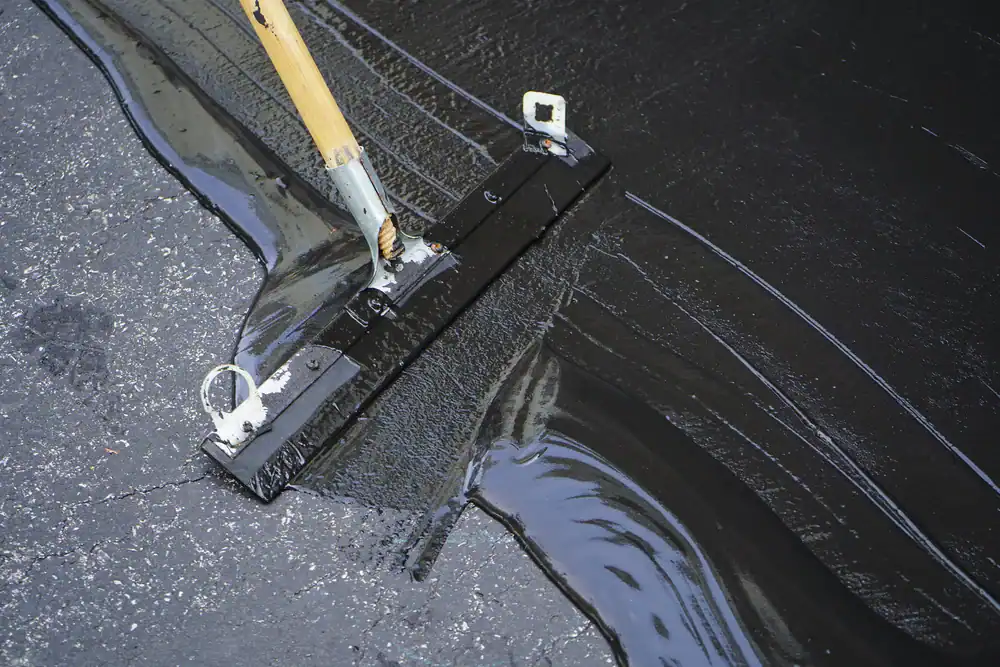
Professional sealcoating creates a waterproof barrier that stops this process. It fills surface pores, blocks water penetration, and gives your asphalt the flexibility it needs to handle temperature swings. The result is a driveway that lasts years longer and needs far fewer emergency repairs.
Most Pompton Plains homeowners who seal their driveways every two to three years avoid the major repair costs that come with neglect. The investment is small compared to what you’ll spend fixing damage that could have been prevented.
We’re a third-generation, family-owned business serving Pompton Plains and the surrounding Morris County area. We’ve spent over 20 years working on driveways in this exact climate, which means we know what works and what doesn’t when it comes to protecting asphalt through New Jersey winters.
We’re not a national chain that parachutes in for a job and disappears. We live here. Our reputation is built on the driveways we’ve sealed for your neighbors, and we stand behind every project with a real warranty and a local phone number.
When you call us, you’re getting contractors who understand Pompton Plains specifically—the soil conditions, the weather patterns, the way water moves across properties in this area. That local knowledge matters when you’re trying to prevent damage that’s unique to northern New Jersey.
First, we inspect your driveway for existing damage. Cracks get filled with hot rubberized crack filler that flexes with temperature changes. This step is critical because sealer alone won’t fix structural problems—it just prevents new ones.
Next, we clean the entire surface. Oil stains, dirt, vegetation, and loose material all have to come off or the sealer won’t bond properly. We use commercial-grade equipment for this, not a garden hose and a push broom.
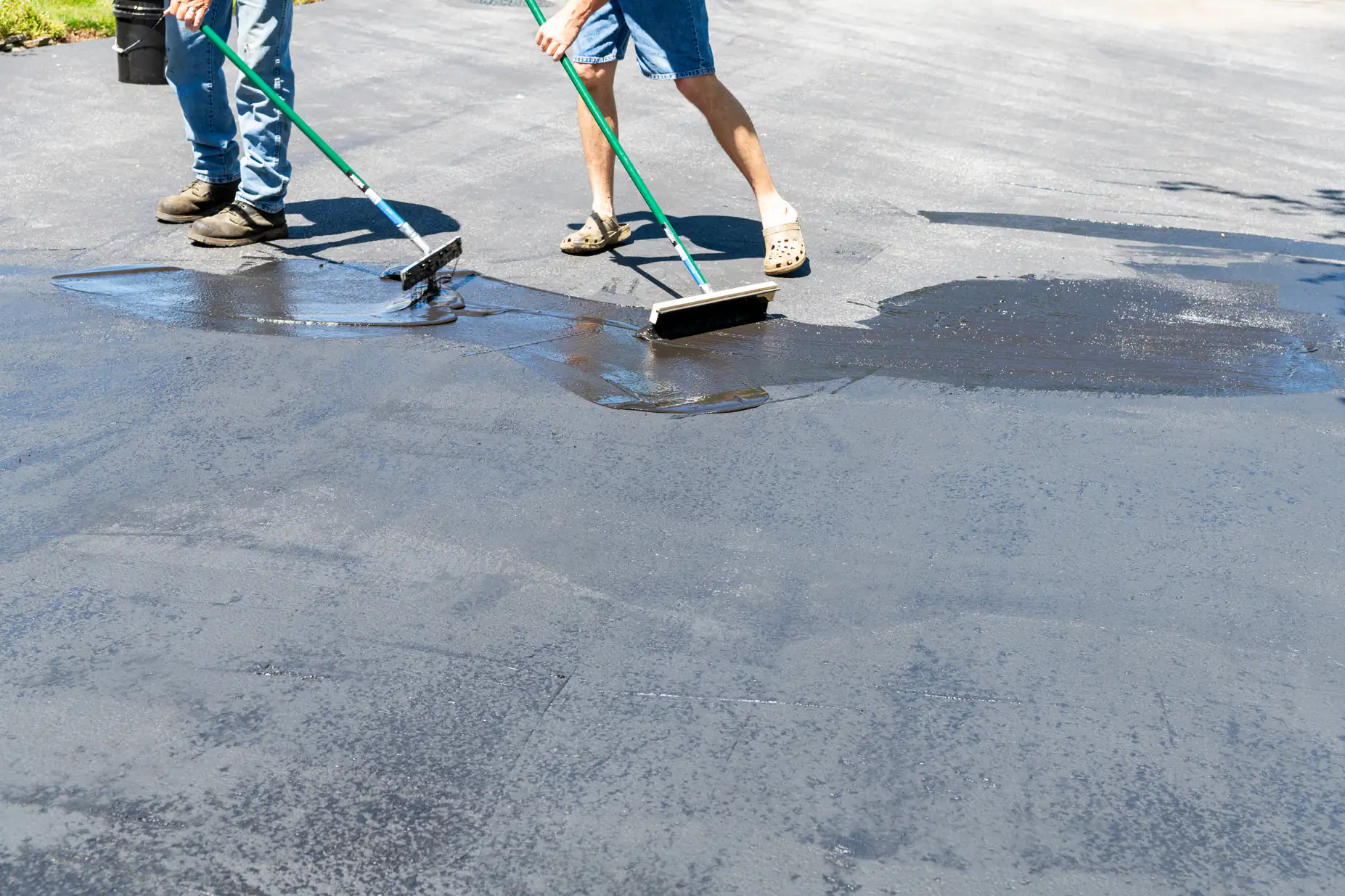
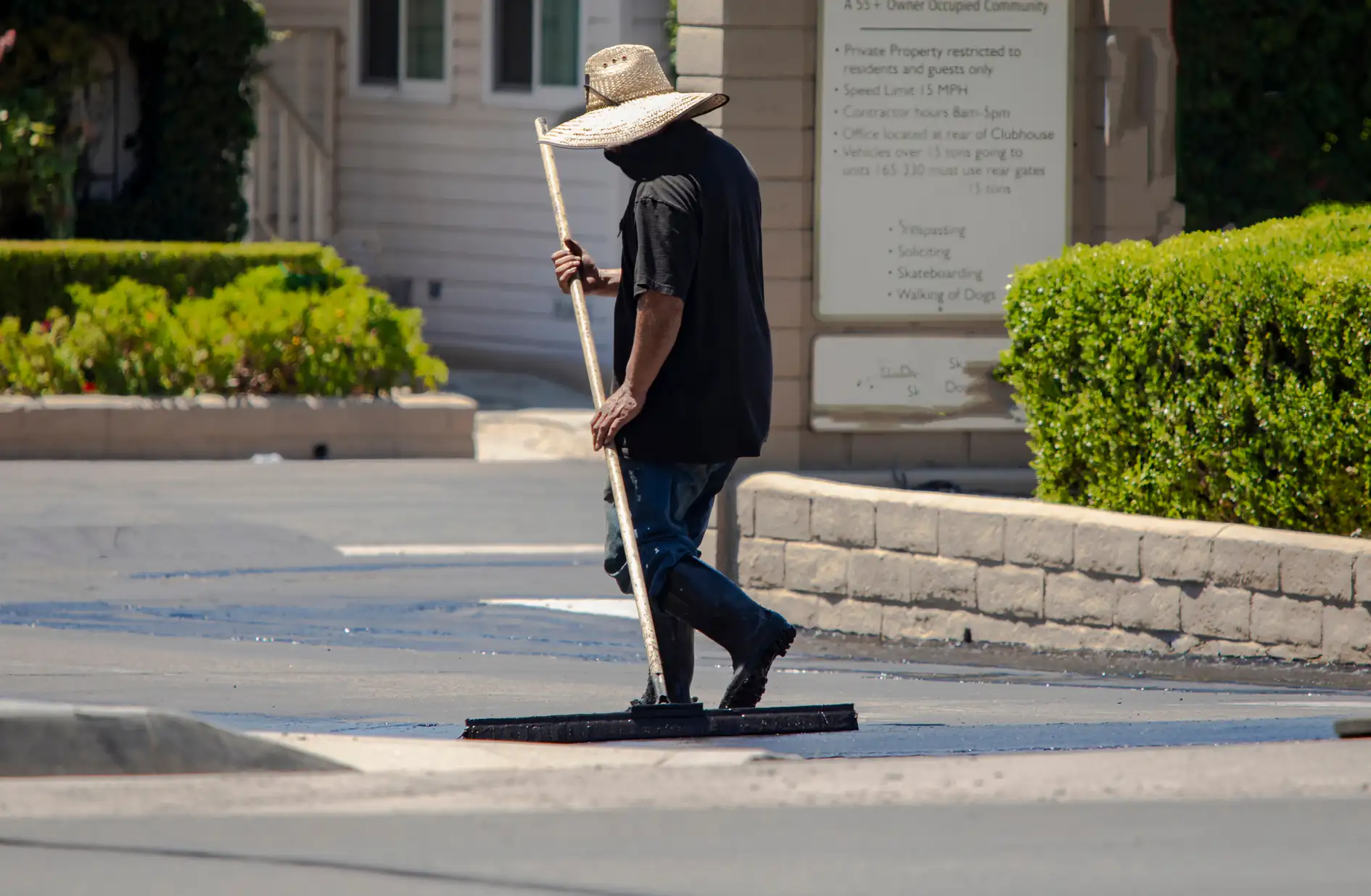
Then we apply two coats of premium coal tar or asphalt emulsion sealer. The first coat penetrates and bonds. The second coat builds thickness and creates that protective layer. We let each coat cure properly before applying the next, which means the job takes time—but it’s done right.
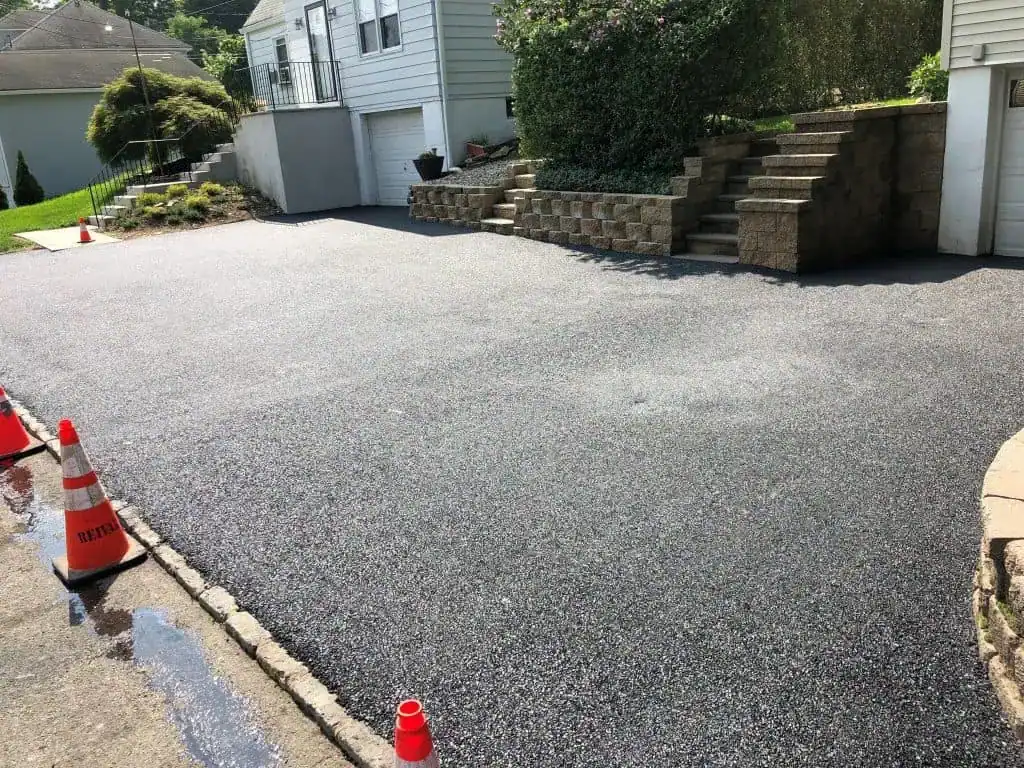
After the final coat cures (usually 24 to 48 hours depending on weather), your driveway is ready for traffic. What you’re left with is a uniform black surface that’s protected against water, UV rays, chemicals, and the freeze-thaw cycle that destroys untreated asphalt.
Ready to get started?
For a standard two-car driveway in Pompton Plains (around 400 to 600 square feet), professional sealcoating typically runs between $200 and $500. That includes crack filling, surface cleaning, and two coats of sealer. Pricing depends on your driveway’s size, condition, and how much prep work is needed.
Morris County pricing runs about 15 to 20 percent above national averages because of higher labor costs and the extra wear our climate puts on asphalt. But the cost of sealing is still a fraction of what you’d pay for pothole repairs or resurfacing. Most homeowners see this as maintenance that prevents much larger expenses down the road.
We give you upfront pricing with no surprises. When we quote a job, that’s what you pay—no hidden fees for “extra” work that should have been included from the start. We also guarantee a callback within 24 to 48 hours if you request a quote online, because we know you’re comparing options and need information quickly.
Timing matters too. Spring and fall are our busiest seasons, so scheduling early gets you better availability. But we’re also realistic about weather—we won’t seal your driveway in conditions that compromise the results, even if it means rescheduling.

Most asphalt driveways in northern New Jersey should be sealed every two to three years. That timeline assumes normal wear and proper installation. If your driveway sees heavy traffic, gets a lot of sun exposure, or wasn’t sealed regularly in the past, you might need to do it more often.
The goal is to maintain a protective layer before the asphalt starts breaking down. Once you see widespread cracking or fading, you’ve waited too long—you’re now in repair mode, not maintenance mode. Sealing on schedule prevents that.
If you’re not sure where your driveway stands, a quick inspection will tell you. Look for small cracks, faded color, or rough texture. Those are signs the sealer has worn off and the asphalt is exposed. Catching it at this stage saves you money and extends the life of your driveway significantly.
Crack sealing fills existing cracks with a rubberized material that stays flexible as temperatures change. It’s a repair that stops water from getting into the base layer of your driveway. Sealcoating, on the other hand, is a protective coating applied to the entire surface to prevent new damage.
You need both if your driveway already has cracks. Sealcoating alone won’t fix structural problems—it just prevents them from starting. If you try to seal over cracks without filling them first, water will still get in and the damage will continue underneath the sealer.
Think of crack sealing as fixing what’s broken and sealcoating as protecting what’s still good. Most driveways in Pompton Plains need at least some crack repair before sealcoating, especially if they haven’t been maintained in a few years. A good contractor will inspect your driveway and tell you exactly what’s needed before starting the job.
You can buy sealer at a hardware store and do it yourself, but the results usually don’t compare to professional work. DIY sealers are thinner, they don’t last as long, and they require equipment most homeowners don’t own. More importantly, surface prep makes or breaks the job—and that’s where most DIY projects fail.
If the driveway isn’t cleaned properly, the sealer won’t bond. If cracks aren’t filled correctly, water still gets in. If the sealer is applied too thin or in the wrong weather conditions, it wears off in a season. Professional contractors have commercial-grade materials, proper equipment, and the experience to handle prep work that actually matters.
For a driveway that’s in decent shape and just needs maintenance, a DIY job might buy you a year or two. But if you’re trying to protect a significant investment or fix existing damage, hiring a contractor is the smarter move. The cost difference isn’t as big as you’d think, and the quality difference is substantial.
The actual application takes a few hours for a standard driveway, but curing time is what determines when you can drive on it. Most sealers need 24 to 48 hours to cure enough for vehicle traffic. Hot, dry weather speeds this up. Cool or humid conditions slow it down.
We won’t seal your driveway if rain is in the forecast within that curing window. Water hitting fresh sealer ruins the finish and wastes your money. That’s why scheduling flexibility matters—we’d rather reschedule than do a job that won’t hold up.
Once the sealer is fully cured, your driveway is ready for normal use. There’s no break-in period or special care required. Just keep in mind that the sealer will continue to harden over the next 30 days, so it gets more durable as time goes on. Avoid power steering in one spot or dragging heavy loads across it during that first month if possible.
Yes. The Federal Highway Administration found that sealcoating can extend asphalt lifespan by up to 30 percent. That’s because it prevents the two main causes of driveway failure: water penetration and surface oxidation. When you block those, the asphalt stays intact much longer.
An unsealed driveway in Pompton Plains might last 12 to 15 years before needing replacement. A properly maintained, regularly sealed driveway can push that to 20 years or more. The difference comes down to whether you’re preventing damage or just reacting to it after it happens.
The return on investment is clear. Sealing costs a few hundred dollars every few years. Replacing a driveway costs several thousand. Even if sealcoating only adds five extra years to your driveway’s life, you’ve saved far more than you spent. And that’s not counting the smaller repairs you avoid along the way by keeping water out of the base layer.
Start with local contractors who have a real presence in Morris County. Check reviews, ask for references, and make sure they’re licensed and insured. A contractor who’s been serving Pompton Plains for years has a reputation to protect—that matters more than a low bid from someone you’ve never heard of.
Ask what’s included in the process. Crack filling, cleaning, and two coats of sealer should be standard, not extras. If a contractor is planning to skip steps or use thin sealer to undercut competitors, you’ll end up paying for it later when the job fails early.
Get a written estimate that breaks down what you’re paying for. Pricing should be clear and based on your driveway’s actual condition, not a generic per-square-foot rate that doesn’t account for prep work. And pay attention to how the contractor communicates—if they’re hard to reach before the job, they’ll be impossible to reach after.