
Hear from Our Customers
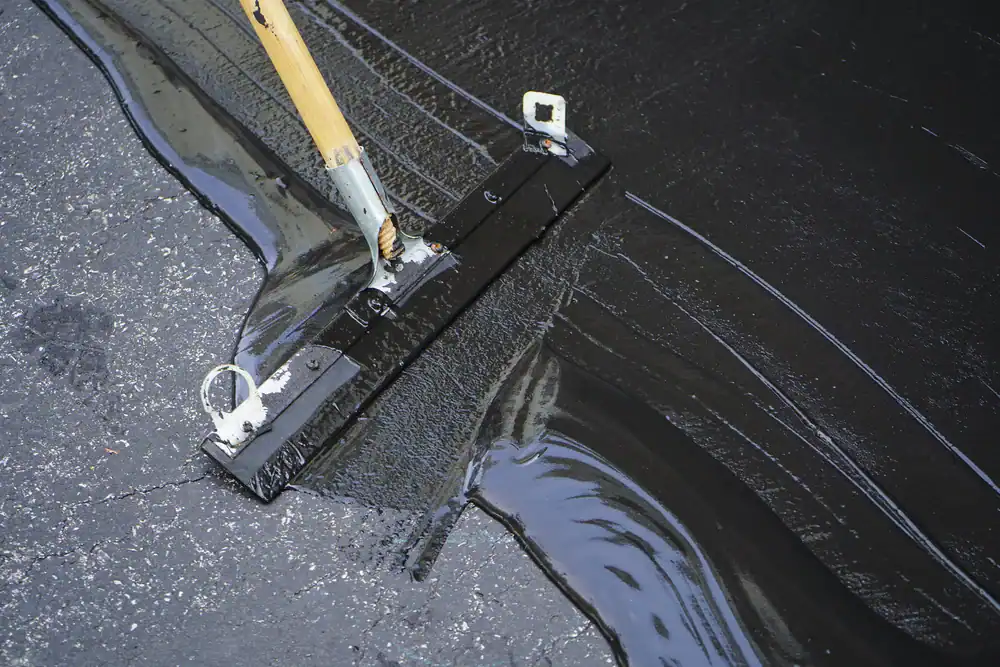
Mount Arlington sits right in the zone where freeze-thaw cycles do the most damage. Water gets into small cracks, freezes, expands by 9%, and turns hairline issues into potholes by spring. Sealcoating creates a waterproof barrier that stops this cycle before it starts.
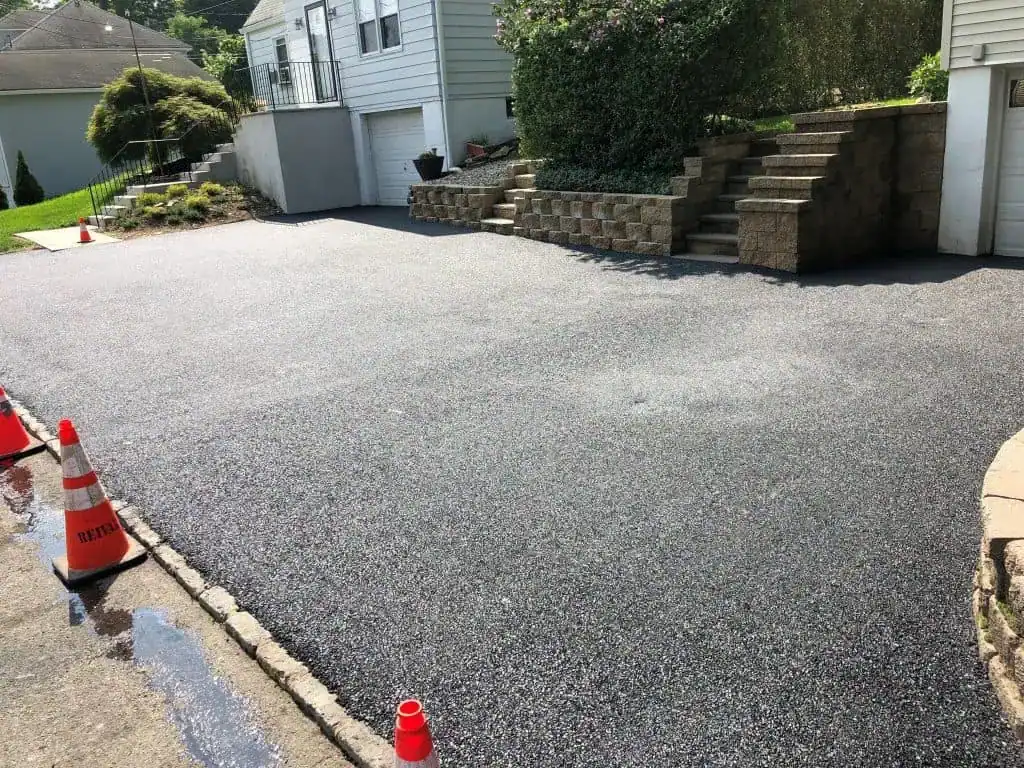
The difference shows up fast. A fresh seal brings back that deep black finish and makes your driveway easier to maintain. Snow melts faster on the dark surface. Salt and UV rays can’t penetrate. And when you compare the cost of sealing to the cost of replacing sections or the entire driveway, it’s not even close.
Most driveways here last 8-12 years without protection. With regular sealcoating every 3-4 years, you’re looking at 15-20 years or more. That’s real value that shows up in your wallet and your curb appeal.
We’ve completed over 28,000 jobs across Morris County and North Jersey. We’re not new to Mount Arlington’s climate or the specific challenges driveways face here. The constant temperature swings around freezing create more wear than consistent cold or warmth ever could.
We use professional-grade sealers custom-blended for New Jersey conditions. Not the stuff you buy at a home improvement store. Our application process includes proper surface prep, two-coat coverage for maximum protection, and timing that respects weather windows so the seal actually cures right.
You get a 2-year warranty on materials and workmanship. We’re grounded in Morris County, we know the area, and we show up when we say we will. No surprises on price, no excuses on timeline.
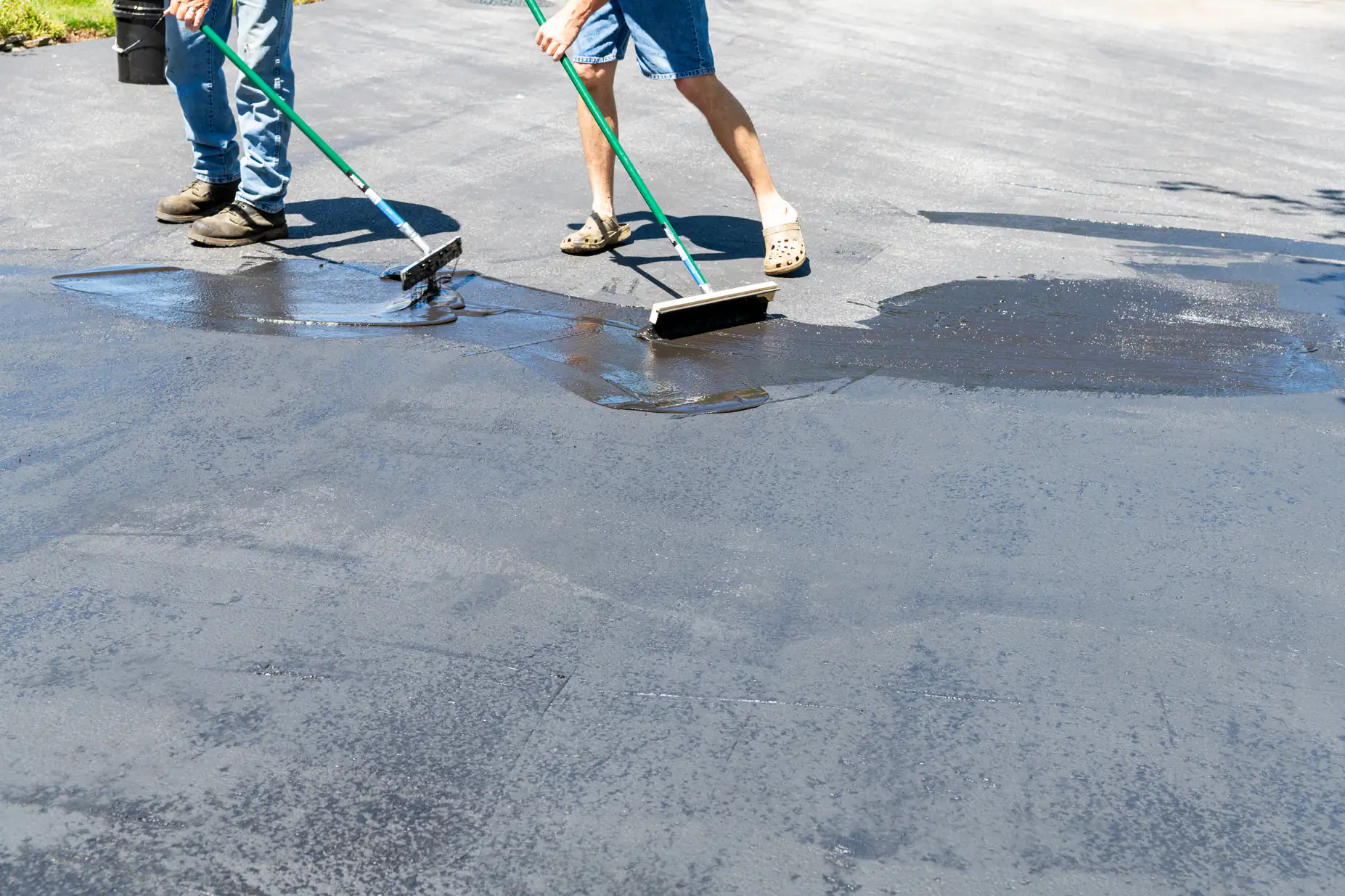
First, we inspect your driveway for cracks, drainage issues, and surface damage. If there are cracks that need filling, we handle that before sealing. The surface has to be clean and dry, so we clear debris, remove oil stains, and let everything cure properly.
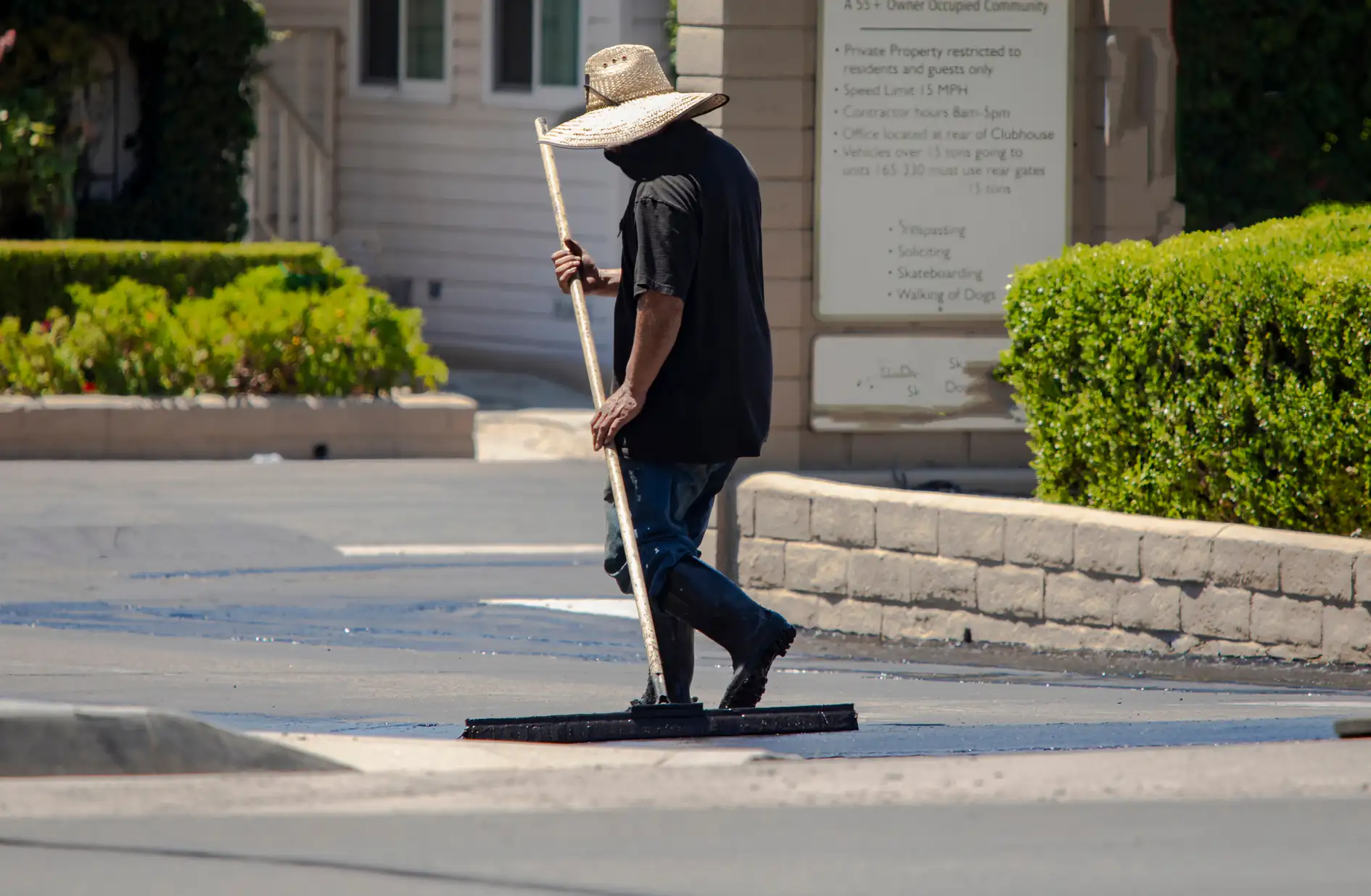
Application requires the right temperature window. Too cold and the sealer won’t bond. Too hot and it dries before it penetrates. We apply two coats for North Jersey’s freeze-thaw cycles because single-coat jobs just don’t hold up here. Each coat needs time to set before the next goes on.
Curing takes 24-48 hours depending on weather. During that time, you’ll need to stay off the driveway completely. Once it’s cured, the surface is sealed, protected, and ready for whatever winter throws at it. The whole process from start to finish usually wraps up in 2-3 days, weather permitting.
Ready to get started?
Every sealcoating job starts with crack repair. We’re not just covering up problems. Cracks get filled with rubberized crack filler that flexes with temperature changes. Oil spots and stains get treated so they don’t bleed through the new seal.
Surface cleaning is thorough. Dirt, moss, loose material—all of it has to go or the sealer won’t bond properly. We use professional equipment, not a garden hose and a broom.
The sealer itself is coal tar or asphalt emulsion blended specifically for commercial-grade protection. Two coats go down with proper dry time between applications. Mount Arlington properties often deal with heavier drainage from the hills and lake areas, so we pay attention to how water moves across your driveway and adjust application to prevent pooling.
You’re not just getting a black coating. You’re getting a system that blocks UV damage, repels water, resists salt, and extends the functional life of your asphalt by years. The cost of driveway sealing runs $0.15-$0.40 per square foot depending on size and condition. Compare that to $8-$15 per square foot for replacement and the math is pretty clear.

Every 3-4 years is the standard recommendation for driveways in Morris County. Some contractors will tell you every 2 years, but that’s usually overkill unless your driveway sees heavy commercial traffic or has drainage problems.
The freeze-thaw cycles here are more intense than South Jersey, so you can’t stretch it to 5-6 years like some warmer climates. Water penetration is the enemy, and once the seal starts breaking down, damage accelerates fast.
If your driveway is fading to gray or you can see small cracks forming, don’t wait. Those are signs the protection is wearing off. Catching it early means you’re maintaining, not repairing.
Late spring through early fall gives you the best conditions. The asphalt needs to be completely dry, and temperatures need to stay above 50°F for at least 24-48 hours after application. That rules out winter and most of early spring when overnight temps still drop.
Late summer and early fall are ideal in Mount Arlington because you’re getting ahead of winter damage. The sealer has time to cure fully before the first freeze, which gives you maximum protection when you need it most.
Avoid sealing right before a rainstorm or during high humidity. Moisture is the enemy of proper curing. If the forecast looks iffy, reschedule. Rushing the job in bad conditions just means you’ll be doing it again sooner than you should.
You can buy sealer at any home improvement store, but the results won’t match professional application. The retail products are thinner, they don’t last as long, and they don’t handle North Jersey winters the same way commercial-grade sealers do.
Application matters just as much as the product. Surface prep, crack filling, proper coverage, and curing time all affect how long the seal lasts. Most DIY jobs skip steps or rush the process, which means you’re resealing every year or two instead of every 3-4.
We use equipment that applies even coats without streaking or pooling. We also carry insurance, so if something goes wrong, you’re covered. For most homeowners, the time saved and the quality difference make professional service worth the cost.
Most residential driveways in Mount Arlington run between $200 and $600 depending on size and condition. The cost of asphalt sealing breaks down to roughly $0.15-$0.40 per square foot for professional two-coat application.
If your driveway has significant cracking or damage, you’ll pay more for prep work. But even with repairs, sealcoating costs a fraction of what you’d spend on resurfacing or replacement. A full driveway replacement runs $8-$15 per square foot, sometimes more depending on base work needed.
Price shopping is fine, but watch out for lowball quotes. If someone’s offering half the going rate, they’re either using inferior materials, skipping prep work, or applying a single thin coat that won’t last. Get a detailed estimate that breaks out prep, materials, and labor so you know what you’re actually paying for.
Sealcoating protects the surface, but it doesn’t repair structural damage. Small cracks get filled before we seal, and that’s part of the process. But if you’ve got potholes, major cracking, or base failure, those need to be fixed first or the seal won’t help.
Think of it like painting a house. You wouldn’t paint over rotted wood and expect it to hold up. Same principle here. We’ll assess the condition during the initial inspection and let you know if repairs are needed before sealcoating makes sense.
For driveways in decent shape with minor wear, sealcoating prevents small problems from becoming big ones. It stops water infiltration, which is what causes most freeze-thaw damage. But if the damage is already done, you need repair work first, then seal to protect the fix.
Plan on staying off your driveway for 24-48 hours minimum. The sealer needs time to cure, and driving or walking on it too early will leave marks, tracks, and weak spots that compromise the whole job.
Temperature and humidity affect dry time. Hot, dry weather speeds things up. Cool, humid conditions slow it down. We’ll give you a specific timeline based on the forecast, but always err on the side of waiting longer rather than rushing it.
Once it’s fully cured, the surface is ready for normal use. You won’t need to baby it or avoid parking in certain spots. The seal is there to protect your driveway from daily wear, so use it like you normally would. Just give it those first couple days to set properly and you’ll get the full lifespan out of the application.