
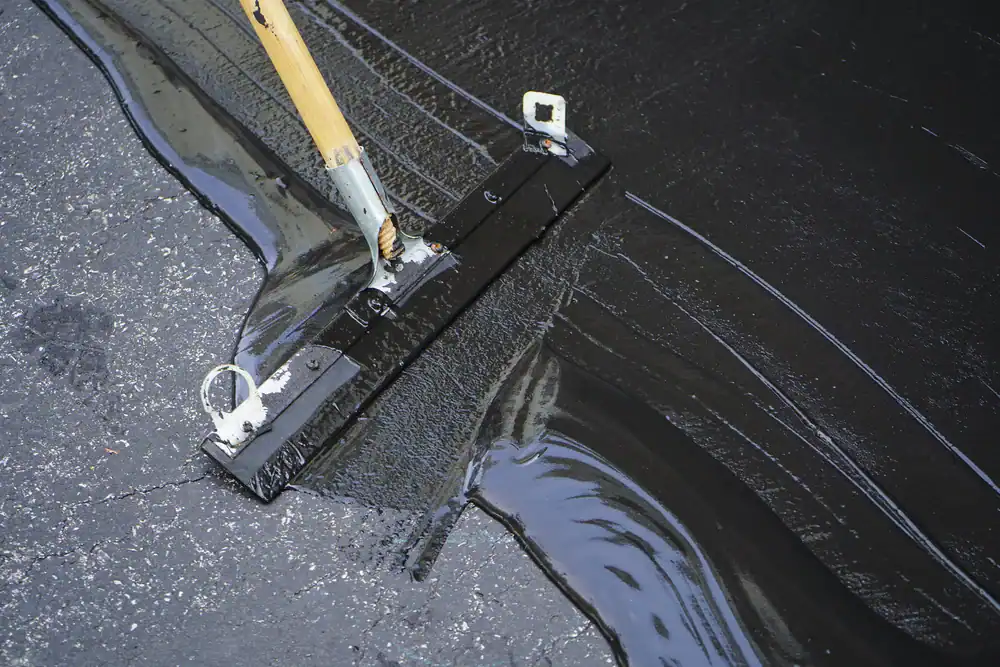
Hear from Our Customers
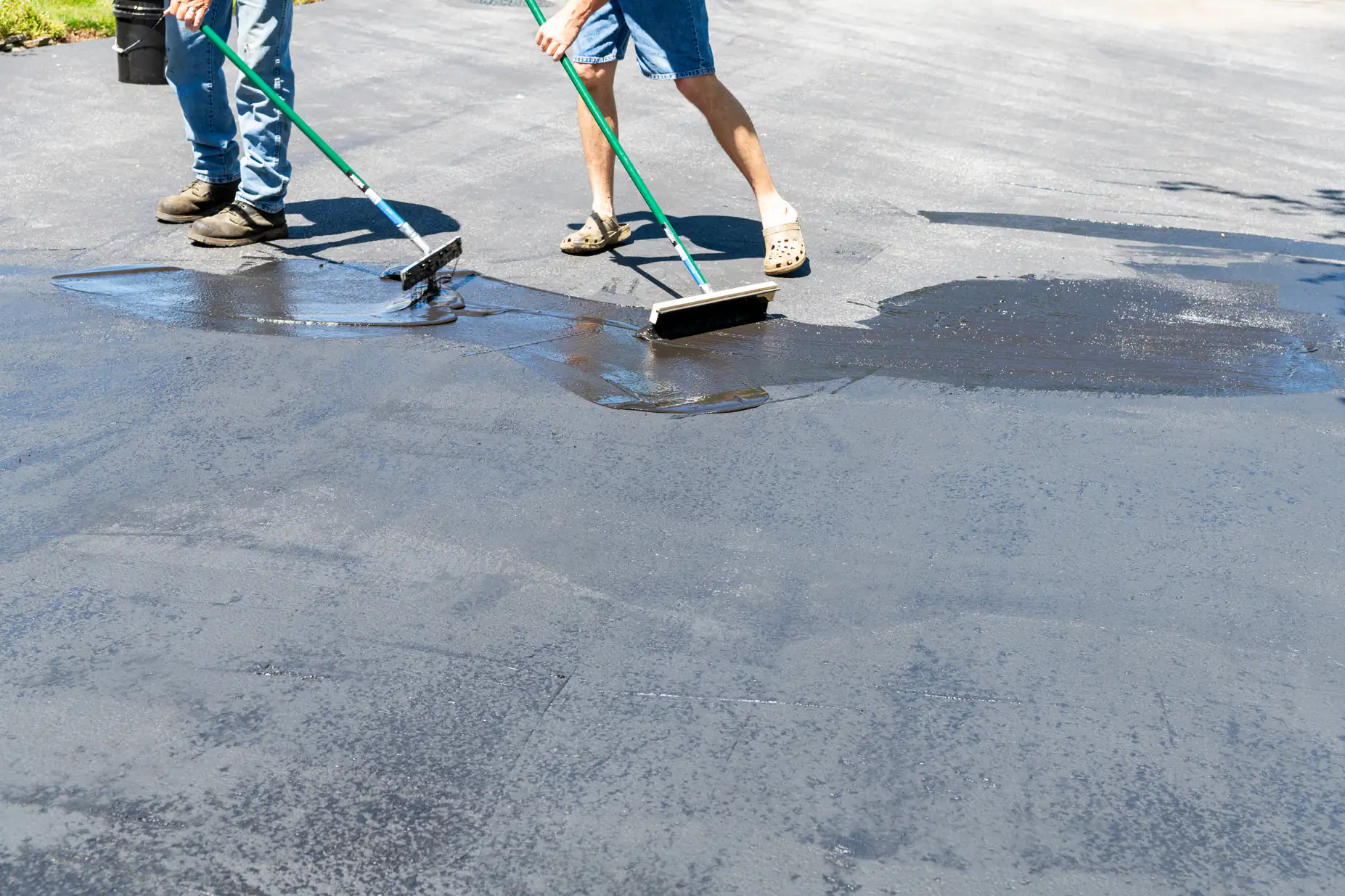
Your driveway takes a beating every winter. Millington sees 55 to 75 freeze-thaw cycles between November and March, and every one of them pushes water into small cracks, freezes it, and forces those cracks wider. That’s how a tiny surface crack becomes a pothole that costs you thousands to fix.
Sealcoating creates a protective barrier that blocks water from getting in. It seals the surface, prevents UV damage from fading your asphalt to grey, and gives you that clean, dark finish that makes your property look maintained. You’re not just improving curb appeal—you’re adding years to your driveway’s lifespan and avoiding the cost of early replacement.
Most driveways last about 25 years without maintenance. With regular sealcoating every three to four years, you can push that past 30 years easily. That’s the difference between replacing your driveway in 2030 or 2040. The math is simple: spend a few hundred dollars now or several thousand later.
We’ve been handling asphalt and concrete work across Morris County for over 20 years. We’re licensed by the NJ Division of Consumer Affairs, fully insured, and BBB accredited with an A+ rating. That’s not marketing talk—it’s documentation you can verify.
We’re grounded in Morris County, so we know what Millington driveways go through. The soil shifts, the winters are harsh, and the drainage around older properties isn’t always ideal. We’ve seen what works and what fails, and we don’t cut corners to save a few bucks on materials. You get two coats of commercial-grade sealer mixed in-house, applied with professional spray equipment, and backed by a warranty.
When you call, you’ll actually get a callback within 24 to 48 hours. When we schedule your job, we show up on time and finish it right. No delays, no excuses, no chasing us down for answers.
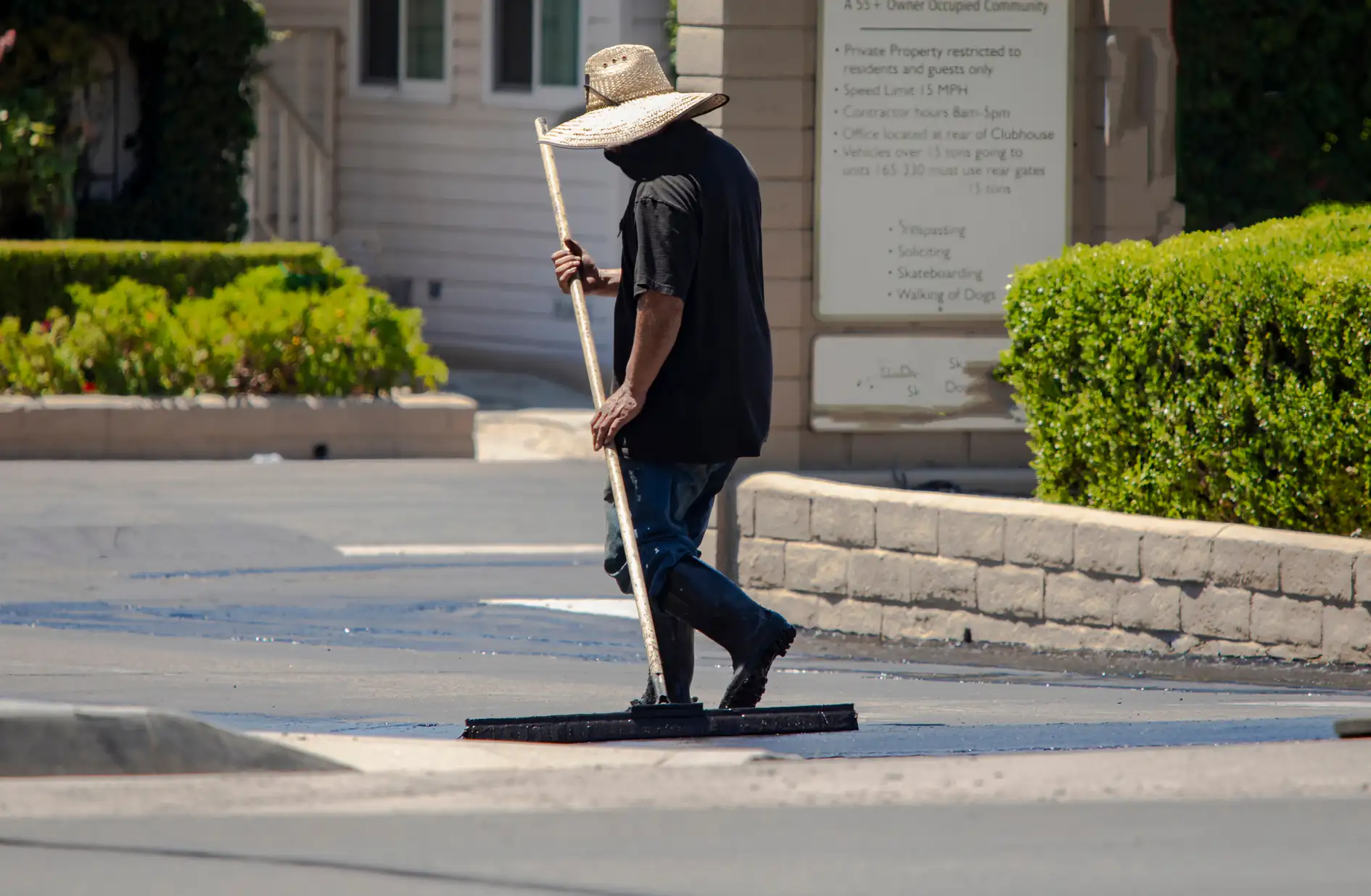
First, we clean your driveway completely. That means sweeping, blowing out debris, and removing any oil stains or vegetation that could interfere with adhesion. If the sealer goes over dirt or oil, it won’t bond properly, and you’ll see premature wear.
Next, we fill any cracks wider than a quarter-inch with hot rubberized crack filler. This step matters because sealcoating isn’t a crack repair product—it’s a protective coating. If you skip the crack fill, water will still get in through those gaps and cause damage from below.
Then we apply two coats of commercial-grade asphalt sealer. The first coat soaks in and seals the surface. The second coat builds thickness and gives you that dark, uniform finish. We mix our sealer in-house so it’s thicker and longer-lasting than the diluted stuff some contractors spray on to save money. We also add sand for traction, which matters when your driveway gets wet or icy.
After application, your driveway needs 24 to 48 hours to cure depending on temperature and humidity. We’ll tell you exactly when it’s safe to drive on. Then you’re done—protected for the next three to four years.
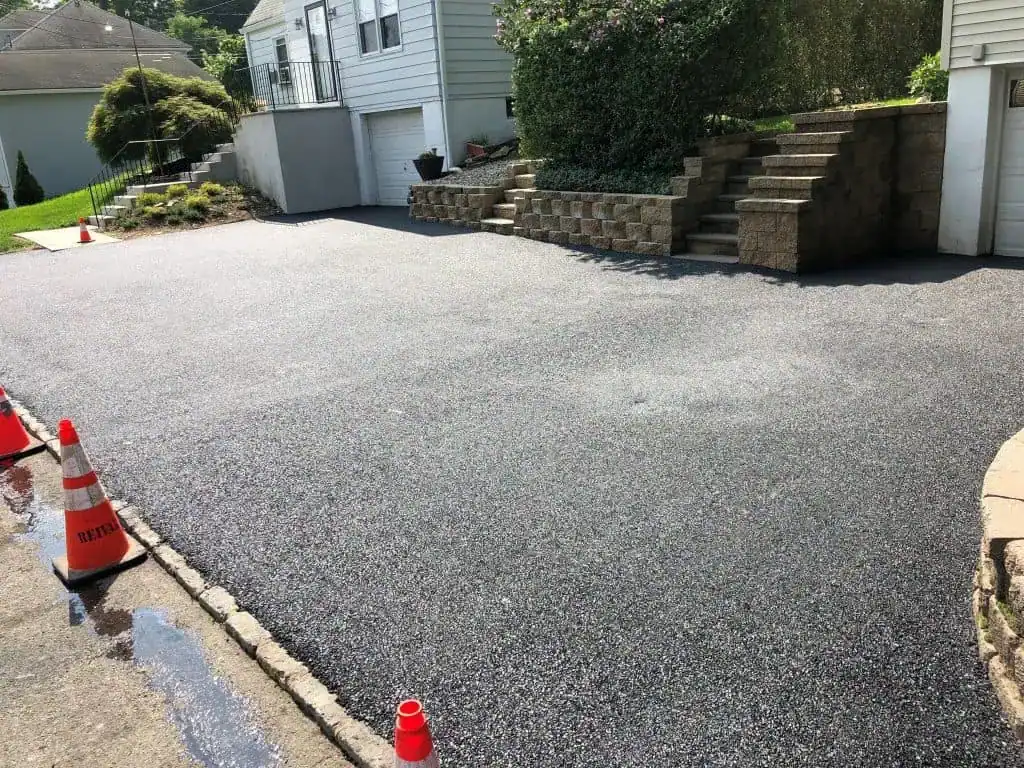
Ready to get started?
You’re getting a full prep and two-coat application with commercial-grade materials. That includes surface cleaning, crack filling for cracks up to a half-inch wide, two coats of custom-blended sealer with sand additive, and clean edges along your garage, walkways, and landscaping.
We use hot mix asphalt sealer applied at the right temperature, not cold mix that doesn’t bond as well. The equipment matters too—we use professional spray systems that apply an even coat at the correct thickness. Brush or squeegee applications can leave thin spots that wear out faster.
In Millington and across Morris County, the freeze-thaw cycle is aggressive. That’s why we recommend two coats as standard, not an upsell. A single coat might last one to two years. Two coats give you three to four years of solid protection, which means fewer applications over the life of your driveway and better long-term value.
Most residential driveways in Millington run between 400 and 1,200 square feet. At typical sealcoating rates, you’re looking at $150 to $500 for a professional two-coat job. Compare that to $3,000 to $8,000 for a full driveway replacement, and the cost of prevention makes a lot of sense.

Most residential driveways in Millington cost between $150 and $500 to sealcoat, depending on size and condition. The typical rate runs about $0.15 to $0.40 per square foot for a professional two-coat application with crack filling included.
If your driveway has significant cracking or damage, you might need additional crack repair before sealcoating, which can add to the cost. But even with extra prep work, you’re still spending a fraction of what it costs to replace a driveway. New asphalt installation runs $3,000 to $8,000 for most residential driveways, so sealcoating every few years is the smarter financial move.
Be cautious of quotes that seem too cheap. Some contractors dilute their sealer or only apply one thin coat to keep prices low. That might save you $50 upfront, but it won’t last, and you’ll be resealing again in a year or two. You want two full coats of commercial-grade sealer for New Jersey winters.
Late spring through early fall is ideal, with September and early October being the sweet spot. You need consistent temperatures above 50°F during the day and at night for proper curing. If it drops below 50°F at night, the sealer won’t cure correctly and you’ll get premature wear.
Avoid sealing in the heat of summer if possible. When temperatures hit the high 80s or 90s, the sealer can dry too fast and not bond as well. You also don’t want to seal right before rain—most sealers need at least 24 hours of dry weather to cure.
Spring is busy season for paving contractors, so expect longer wait times if you call in April or May. Fall is actually a better window because the weather is more predictable and contractors have more availability. Just don’t wait until late October when nighttime temps start dropping. If you’re planning ahead, reach out in late August or early September to get on the schedule before the window closes.
A professional two-coat sealcoating job typically lasts three to four years in Millington. A single coat might only give you one to two years, which is why we don’t recommend it for New Jersey driveways.
The lifespan depends on a few factors: how much traffic your driveway gets, whether you use rock salt in the winter (which can damage the sealer), and how well the job was done in the first place. If the contractor skipped proper cleaning, didn’t fill cracks, or applied the sealer too thin, it won’t last as long.
You’ll know it’s time to reseal when the color starts fading from black to grey, or when you see water soaking into the surface instead of beading up. If you wait too long between applications, you lose the protective benefit and your driveway starts deteriorating faster. Staying on a regular three-to-four-year schedule is the best way to extend the overall life of your asphalt.
Yes, but the cracks need to be filled first. Sealcoating is a protective surface treatment, not a crack repair product. If you just coat over cracks without filling them, water will still get in through those gaps and cause damage from underneath.
We fill cracks wider than a quarter-inch with hot rubberized crack filler before we apply the sealer. This creates a flexible seal that moves with the asphalt as it expands and contracts through temperature changes. Smaller cracks (hairline to a quarter-inch) can usually be sealed over without separate filling, but anything larger needs attention.
If your driveway has major structural damage—like large potholes, sunken areas, or alligator cracking—sealcoating won’t fix that. You’d need actual asphalt repair or patching first. But for typical surface cracking that comes with age and weather, crack filling plus sealcoating will restore protection and buy you several more years before you need to think about replacement.
Concrete driveways benefit from sealing too, but the process and materials are different. Concrete sealer protects against water penetration, freeze-thaw damage, and staining from oil or chemicals. It also enhances the color and can add a slight sheen depending on the product.
Concrete doesn’t need sealing as often as asphalt. Most concrete sealers last four to six years, compared to three to four for asphalt. The application is simpler too—usually a spray or roll-on clear sealer rather than the thick black coating used on asphalt.
If you have a concrete driveway in Millington, sealing it is still a smart move given our winters. Water gets into the pores of the concrete, freezes, expands, and causes surface flaking or deeper cracks over time. A good sealer blocks that water and extends the life of your concrete significantly. Just make sure the contractor uses a concrete-specific product, not asphalt sealer—they’re not interchangeable.
Start by checking licensing and insurance. Any contractor working on your property should be licensed by the NJ Division of Consumer Affairs and carry liability insurance. Ask for proof—it takes two minutes to verify and protects you if something goes wrong.
Look for contractors who use commercial-grade materials and apply two coats as standard. If someone quotes you for one coat or their price seems unusually low, that’s a red flag. Cheap jobs use diluted sealer or skip important prep steps like crack filling and cleaning. You’ll end up resealing sooner and spending more in the long run.
Check reviews and references, but also pay attention to how the contractor communicates. Do they return calls? Do they explain what’s included in the price? Are they willing to put their warranty in writing? A good contractor will be transparent about their process, their timeline, and what you’re actually paying for. If you’re getting vague answers or pressure to sign immediately, keep looking.