
Hear from Our Customers
Your driveway stops bleeding money every spring. That’s what happens when you seal it before winter instead of repairing it after.
Somerset County gets hit with 40% more freeze-thaw cycles than Central Jersey. Water seeps into small cracks, freezes, expands, and turns a $300 maintenance job into a $1,500 repair project by April. Professional asphalt sealcoating creates a waterproof barrier that stops this cycle before it starts.
You’re looking at 3-5 extra years of driveway life with proper sealcoating. The math is simple: removing and repaving costs $6-$8 per square foot in today’s market. Sealcoating runs $0.30-$0.50 per square foot. That’s over 2,000% more value for protecting what you already own.
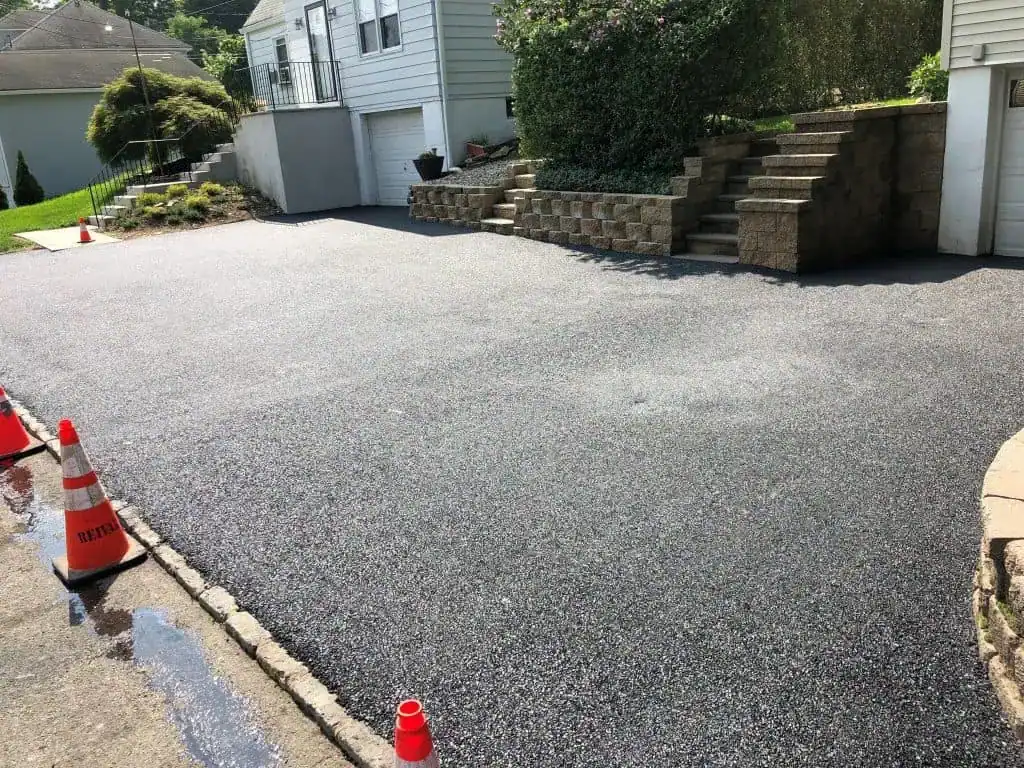
Plus, your driveway goes from faded gray to matte black in a day. Curb appeal matters when you’re protecting your property investment, and a freshly sealed surface tells buyers and neighbors you maintain what you own.
We operate out of Morris County and serve Manville, Somerset, Bound Brook, and the surrounding areas with one focus: protecting asphalt before it needs replacing.
We’re not the cheapest option in Somerset County, and that’s intentional. Our custom-blended sealer is mixed in-house for a thicker, darker, longer-lasting finish than anything you’ll get from a spray-and-go crew. We apply by hand for even coverage. We fill cracks with hot rubberized material before sealing. And we back everything with a 2-year warranty because we know it holds up.
You’ll get a quote callback within 24-48 hours, clear upfront pricing, and a crew that shows up when we say we will. No surprises, no runarounds.
First, we inspect your driveway for cracks, damage, and drainage issues. If there are cracks wider than a quarter-inch, we fill them with hot rubberized crack filler. This step matters because sealer alone won’t stop water from getting into existing damage.
Next, we clean the surface. Oil stains, debris, and loose material get removed so the sealer actually bonds to the asphalt instead of sitting on top of dirt. Most failed sealcoating jobs come down to poor surface prep.
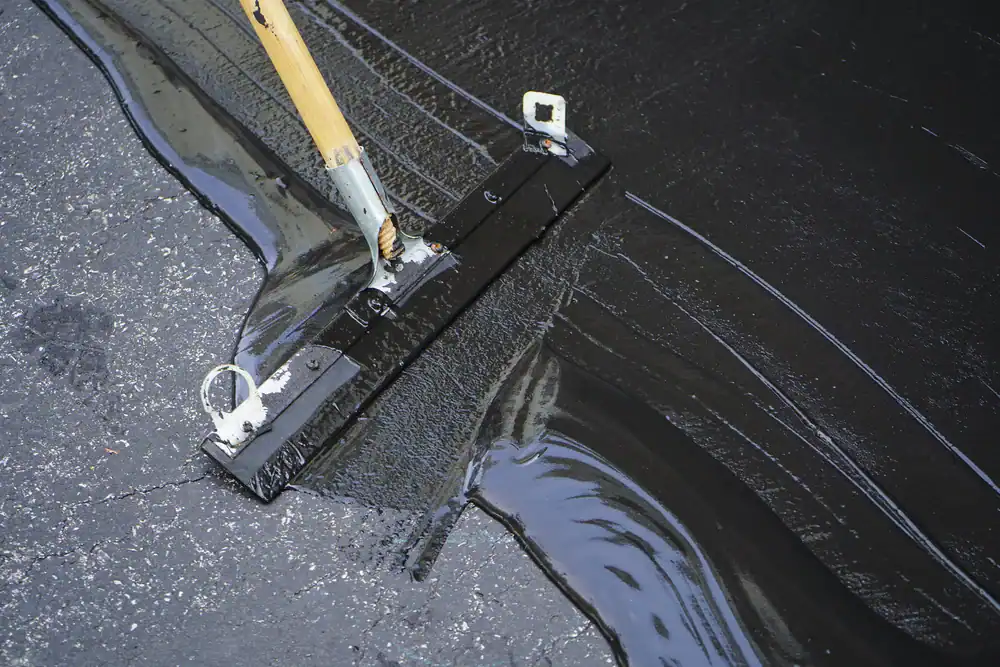
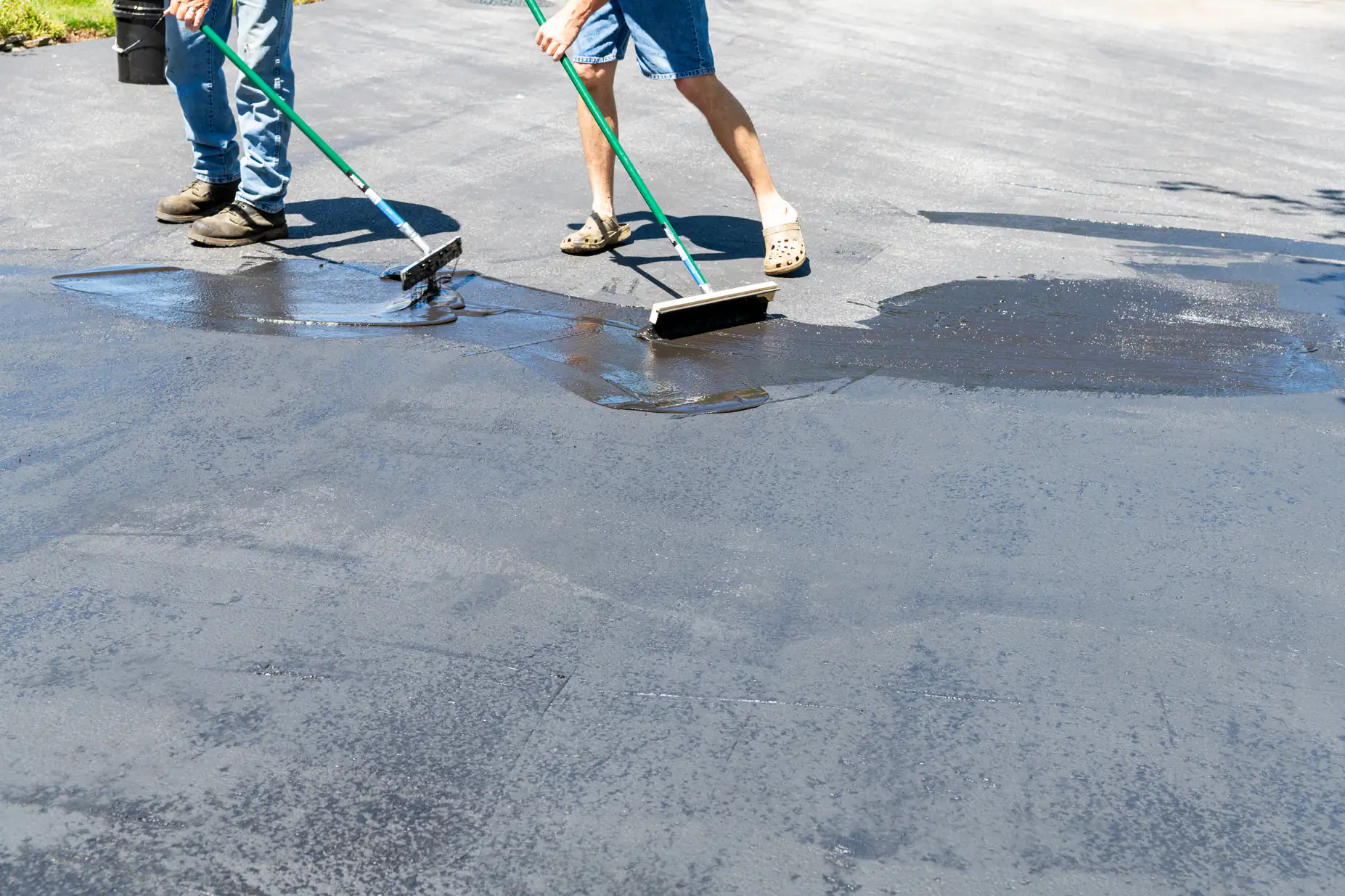
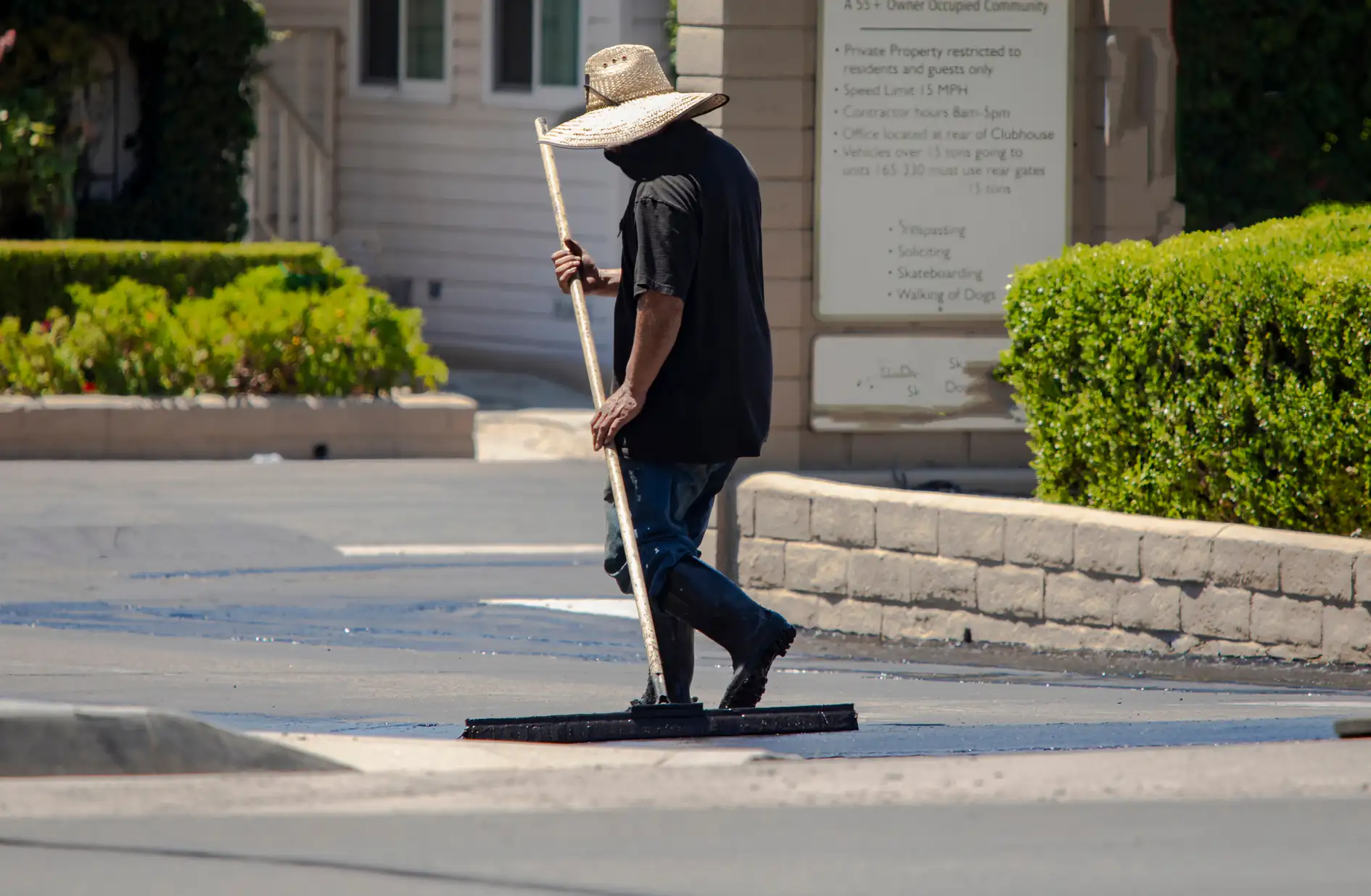
Then we apply our custom-blended sealer by hand using squeegees. This gives us control over thickness and coverage that spray application can’t match. We’re putting down a protective layer that blocks UV rays, water, chemicals, and tire wear.
You’ll need to stay off the driveway for 24-48 hours depending on weather. After that, you’ve got a sealed surface that’s ready for New Jersey winters. We recommend resealing every 2-3 years to maintain protection, but you’ll see the difference immediately: darker color, smoother surface, and a barrier that actually keeps water out.
Ready to get started?
Driveway sealcoating in Manville typically runs $0.30-$0.50 per square foot. A standard two-car driveway (720 square feet) costs between $230 and $390 depending on condition and prep work needed.
That price includes surface cleaning, hot rubberized crack filling for cracks up to a quarter-inch, two coats of our custom-blended sealer applied by hand, and a 2-year warranty on materials and workmanship. If your driveway has significant damage, needs edge repairs, or requires base work, we’ll tell you upfront before we start.
Manville sits in a tough weather zone. You’re close enough to Newark to get urban temperature swings, but far enough into Somerset County to see the full winter freeze. That combination tears up asphalt faster than most homeowners expect. The driveways we see failing in Bound Brook, Somerville, and North Plainfield all have one thing in common: they weren’t sealed regularly.
Timing matters too. We can seal from mid-April through mid-October when temperatures stay above 55 degrees. Fall is ideal because you’re protecting the surface right before winter hits. Spring works, but you’re often repairing damage instead of preventing it.

Professional driveway sealcoating lasts 2-3 years in North Jersey under normal conditions. That timeline assumes proper application, decent weather during curing, and regular maintenance like sweeping debris and avoiding harsh chemicals.
Somerset County’s freeze-thaw cycles are harder on asphalt than most regions. You’re looking at 40% more temperature swings than Central Jersey, which means water infiltration happens faster if your sealer starts breaking down. Most driveways we service in Manville need resealing every 2-3 years to maintain protection.
If you see fading, water absorption, or small cracks forming, it’s time to reseal. Waiting too long turns a maintenance job into a repair project. The goal is to keep water out of the asphalt base, because once that layer gets compromised, you’re tearing up sections and replacing them.
Sealcoating protects existing asphalt. Paving replaces it. They’re not interchangeable, and knowing which one you need saves you thousands.
Sealcoating applies a protective layer over asphalt that’s still structurally sound. It blocks water, UV damage, and surface wear. Cost runs $0.30-$0.50 per square foot. Paving means tearing out old asphalt and installing new material because the base is failing. Cost runs $6-$8 per square foot.
If your driveway has surface cracks, fading, or minor wear, sealcoating extends its life by 3-5 years. If you’ve got potholes, major cracking, or base failure where sections are sinking, you need paving. We’ll tell you which one makes sense when we inspect your driveway. There’s no point sealing asphalt that’s already failing structurally.
Fall is the best time to seal your driveway in Manville. You’re protecting the surface right before winter freeze-thaw cycles start, which is when most damage happens.
Sealcoating requires temperatures above 55 degrees during application and for 24-48 hours after. In Somerset County, that means mid-April through mid-October. But fall gives you the most value because you’re creating a waterproof barrier before water infiltration becomes a problem.
Spring sealing works, but you’re often dealing with damage that already happened over winter. Cracks need filling, edges need repair, and you’re fixing problems instead of preventing them. Most homeowners who wait until spring also wait until contractors are slammed, which means longer scheduling times and higher demand pricing. Get on the schedule in September or early October, and you’re protecting your driveway before the first freeze hits.
You can seal both, but the process and materials are completely different. Asphalt sealcoating uses a coal tar or asphalt-based sealer. Concrete sealing uses a penetrating or film-forming sealer designed for cement.
Concrete driveways in Manville need sealing too, especially if you’ve got decorative stamped patterns or exposed aggregate. Water infiltration causes the same freeze-thaw damage in concrete that it does in asphalt. The difference is concrete sealer penetrates the surface or forms a protective film instead of coating the top like asphalt sealer does.
We handle both asphalt sealcoating and concrete sealing, but they’re separate services with different pricing. Concrete sealing typically costs more per square foot because the prep work is more detailed and the materials are different. If you’re not sure what you have or what it needs, we’ll walk you through it during the estimate.
Driveway sealcoating costs $0.30-$0.50 per square foot in Somerset County. A typical two-car driveway runs $230-$390 depending on size and condition.
That price includes crack filling, surface cleaning, two coats of sealer applied by hand, and a warranty. If your driveway needs edge repair, significant crack work, or base fixes, the cost goes up. We’ll give you exact pricing after we see the condition of your asphalt.
The cost difference between contractors usually comes down to materials and application method. Spray-applied sealer is cheaper and faster, but it doesn’t last as long or provide the same protection. Hand-applied sealer with quality materials costs more upfront but gives you 2-3 years of solid protection instead of 12-18 months of marginal coverage. You’re paying for fewer callbacks, better weather resistance, and a finish that actually holds up through North Jersey winters.
Yes, but not immediately. New asphalt needs 6-12 months to cure before sealcoating. After that, sealing extends its life significantly.
Fresh asphalt contains oils that need time to evaporate and harden. If you seal too early, you trap those oils and prevent proper curing. Most paving contractors will tell you to wait at least six months, and a full year is better.
Once your driveway is cured, sealcoating protects it from UV damage, water infiltration, and surface oxidation. Asphalt starts breaking down the day it’s installed. Sunlight dries it out, water seeps into microscopic cracks, and freeze-thaw cycles start doing damage. Sealcoating every 2-3 years keeps your driveway looking new and adds years to its lifespan. The driveways that last 20-25 years in Somerset County are the ones that get sealed regularly starting in year two.