
Hear from Our Customers
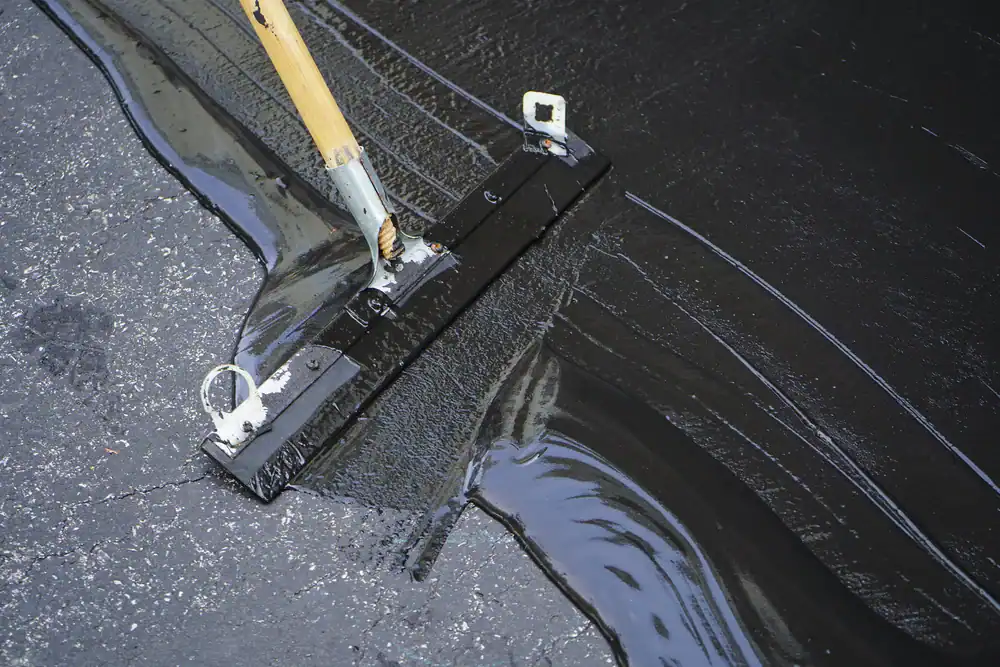
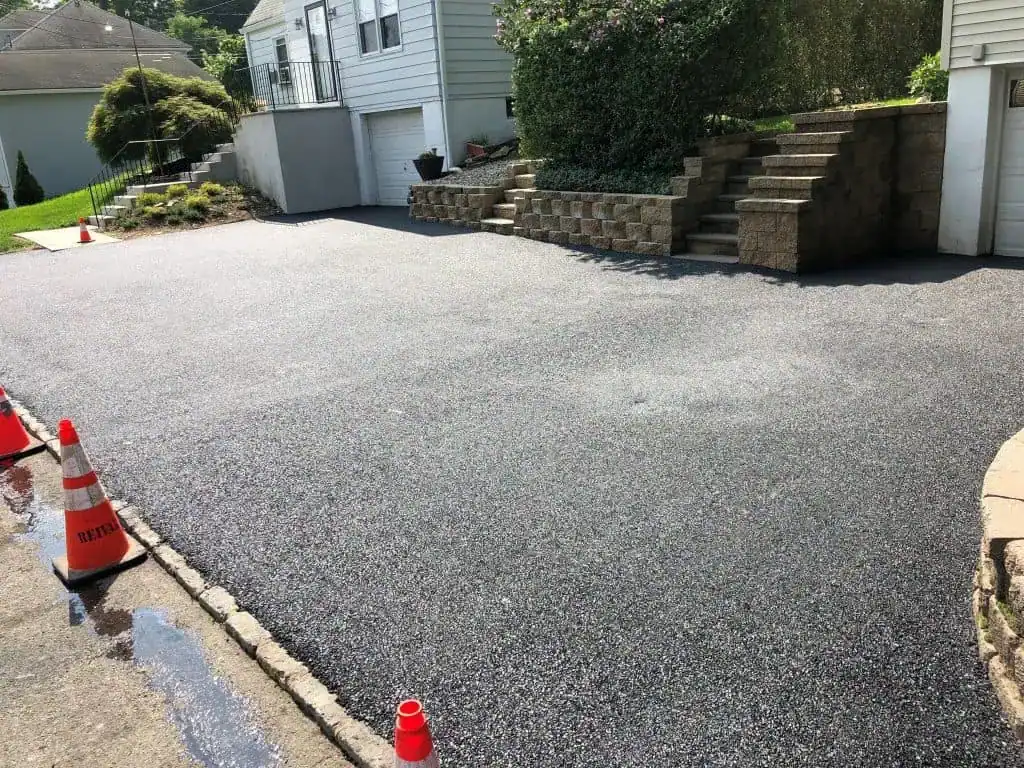
Here’s what happens when you seal your driveway properly. Water stops seeping into cracks. Freeze-thaw cycles stop breaking down your asphalt from the inside out. Your driveway stays smooth, black, and protected for three to four years instead of deteriorating season after season.
Morris County gets hit harder than most of New Jersey when winter arrives. North Jersey experiences 40% more freeze-thaw cycles than Central or South Jersey, which means your driveway takes a beating that driveways in other parts of the state don’t face. Every time water gets in, freezes, and expands, it’s creating damage that compounds.
Sealcoating creates a barrier. It keeps water out, protects against UV rays that fade and weaken asphalt, and shields your surface from oil, gas, and salt. You’re not just making your driveway look better—you’re adding years to its lifespan and avoiding the kind of damage that turns a $300 sealcoating job into a $5,000 repaving project.
Platinum Paving is a third-generation, family-owned contractor based in Morris County. We’ve been doing asphalt and concrete work in Lyons, Morristown, Parsippany, and the surrounding areas since the early 2000s. We know this area, we know the climate, and we know what your driveway is up against.
We’re not the cheapest option, and that’s intentional. You’re paying for high-grade materials, proper surface prep, and crews that show up when they say they will. We use quality sealers designed for New Jersey’s freeze-thaw cycles, and we apply two coats on residential driveways because one coat doesn’t hold up here the way it might in warmer climates.
When you call us, you’ll get a quote within 24 to 48 hours. No runaround, no vague estimates. Just clear pricing and a straightforward timeline so you know exactly what you’re getting.
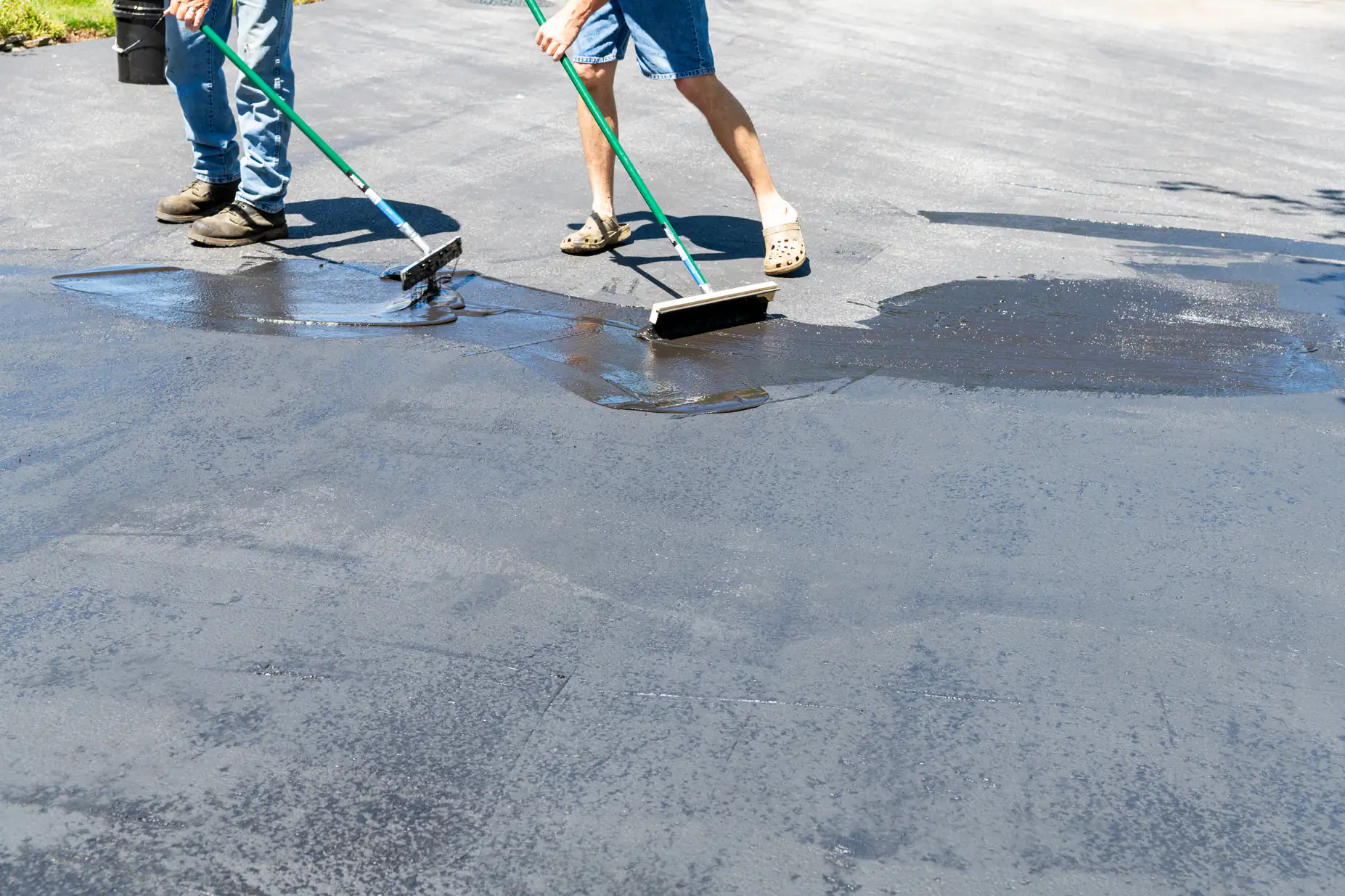
First, we clean your driveway completely. Any dirt, debris, oil, or vegetation gets removed because sealer won’t bond to a dirty surface. If there are cracks, we fill them. If there are potholes or damaged sections, we patch them. Sealcoating isn’t a cover-up—it’s a protective layer that only works if the surface underneath is solid.
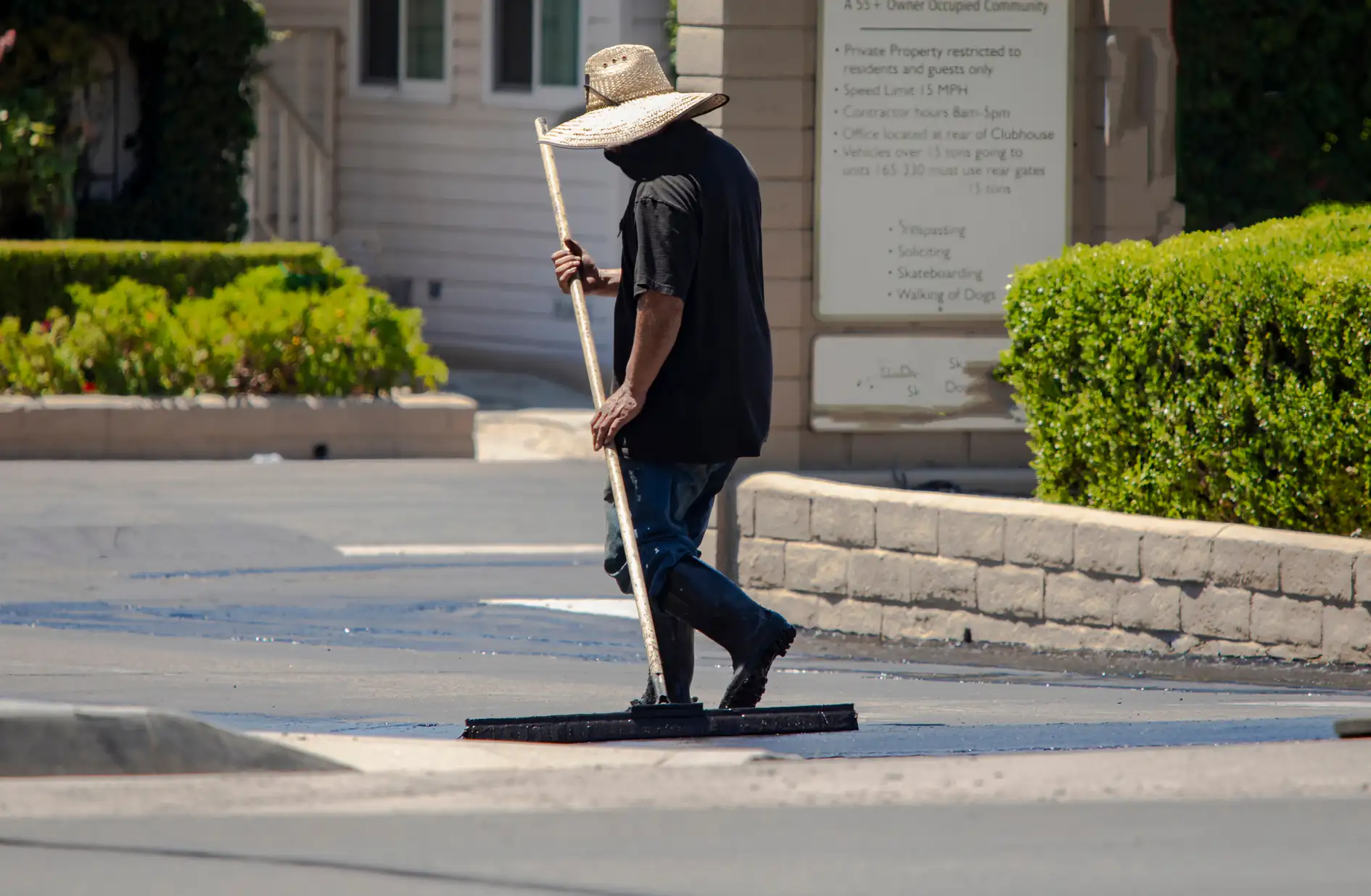
Once the surface is prepped and dry, we apply the first coat of sealer. We use commercial-grade materials that are designed to handle New Jersey winters, not the cheap stuff you’ll find at a big-box store. The first coat soaks in and bonds to the asphalt. Then we apply a second coat for added protection and durability.
After we’re done, your driveway needs time to cure. You’ll need to stay off it for 24 to 48 hours depending on weather conditions. Once it’s cured, you’ve got a smooth, protected surface that’s ready to handle whatever Morris County weather throws at it. Most residential sealcoating jobs last three to four years before you’ll need to reseal.
Ready to get started?
Every sealcoating job includes a full surface cleaning, crack filling, and two coats of high-grade sealer. We don’t skip steps. If your driveway has damage that needs patching before we seal, we’ll let you know upfront so there are no surprises when we show up.
Lyons sits right in the heart of Morris County, where driveways face some of the toughest conditions in the state. The freeze-thaw cycles here are relentless, and if your driveway isn’t sealed properly, you’re looking at cracks, potholes, and surface deterioration within a few years. Sealcoating gives you a fighting chance to extend that lifespan well past 30 years instead of replacing it at 20.
We also handle related services like asphalt patching, crack sealing, and full driveway paving if your surface is beyond the point where sealcoating makes sense. Not every driveway is a good candidate for sealing—if the damage is too far gone, we’ll tell you. But if your driveway is in decent shape and you want to protect it, sealcoating is the most cost-effective thing you can do. You’re spending pennies on the dollar compared to repaving, and you’re buying yourself years of protection.

Most residential driveways in Lyons run between $150 and $500 for professional sealcoating, depending on size and condition. The cost breaks down to about $0.15 to $0.40 per square foot. New Jersey prices run 15% to 20% higher than the national average because of labor costs and the harsher climate that requires better materials.
If your driveway needs crack filling or patching before we seal it, that adds to the cost, but it’s necessary. Sealing over damaged asphalt doesn’t fix the problem—it just hides it temporarily. A proper sealcoating job includes surface prep, crack repair, and two coats of sealer, which is what you need in Morris County to get three to four years of protection.
Compare that to repaving, which costs $6 to $8 per square foot. Sealcoating gives you over 2,000% more value than replacing your driveway. It’s not even close.
A properly sealed driveway in Lyons should last three to four years before it needs resealing. That’s with two coats of quality sealer and proper surface prep. If someone’s telling you one coat will last that long in North Jersey, they’re either using subpar materials or they don’t understand the climate here.
New Jersey’s freeze-thaw cycles are brutal. Water gets into your asphalt, freezes, expands, and creates cracks. Then it thaws and the cycle repeats. Sealcoating slows that process down significantly, but it doesn’t stop it forever. Every few years, you’ll need to reseal to maintain that protection.
If you skip sealcoating altogether, your driveway’s lifespan drops from 25 to 30 years down to 10 to 15 years. Regular maintenance is the difference between getting decades out of your driveway and replacing it prematurely.
Late spring through early fall is the best window for driveway sealcoating in Lyons. You need consistent temperatures above 50°F for the sealer to cure properly, which typically means late April through early October in Morris County. If it’s too cold, the sealer won’t bond correctly. If it’s too hot, it can dry too fast and not penetrate the asphalt.
You also need dry weather. Rain within 24 hours of sealing can ruin the job, so we watch the forecast closely and plan accordingly. Most contractors in this area are busiest in late spring and summer because that’s when conditions are ideal.
If you have a new asphalt driveway, wait at least three to six months before sealing it. New asphalt needs time to cure and release oils. Sealing too early traps those oils and prevents proper bonding.
You can seal your own driveway, but the results usually don’t compare to professional work. The sealers you buy at home improvement stores are lower grade than what we use, and most homeowners don’t have the equipment to apply it evenly or prep the surface correctly. You’ll also likely only apply one coat, which doesn’t hold up in New Jersey’s climate.
Professional sealcoating includes proper cleaning, crack filling, patching if needed, and two coats of commercial-grade sealer. We use equipment that applies the material evenly and at the right thickness. DIY jobs often look streaky, wear unevenly, and need to be redone within a year or two.
If your driveway is small and in good condition, DIY might save you some money upfront. But if you want protection that actually lasts and you don’t want to redo the work in a year, hiring a contractor makes more sense. The cost difference isn’t as big as you’d think when you factor in materials, equipment rental, and your time.
Coal tar sealers are more durable and offer better protection against gas, oil, and UV damage, but they’re being phased out in New Jersey due to environmental concerns. Several municipalities have already banned or restricted coal tar sealants because of the pollutants they release into waterways. The trend is moving toward a statewide restriction.
Asphalt-based sealers are the more common option now. They’re less toxic, still provide solid protection, and hold up well in freeze-thaw conditions when applied correctly. They don’t last quite as long as coal tar, but the difference is marginal if you’re resealing every three to four years anyway.
We use asphalt-based sealers that are formulated for New Jersey’s climate. They meet environmental standards, bond well to residential driveways, and give you the protection you need without the regulatory headaches. If a contractor is still pushing coal tar in Morris County, ask why—it’s not worth the environmental risk or potential fines.
If your driveway has surface cracks, fading, or minor wear but the base is still solid, sealcoating makes sense. If you’re seeing large potholes, widespread crumbling, or deep cracks that go all the way through the asphalt, you’re probably past the point where sealing will help. At that stage, you need patching or full repaving.
A good test is to look at the overall condition. If more than 30% of your driveway is damaged, repaving is usually the better investment. If it’s mostly intact with some aging and minor cracks, sealcoating will extend its life and protect it from further damage.
We’ll tell you honestly which option makes sense for your driveway. There’s no point in sealing a surface that’s failing—it’s a waste of your money and our time. But if your driveway is a good candidate, sealcoating is the most cost-effective way to add years to its lifespan and avoid a full replacement.