
Hear from Our Customers
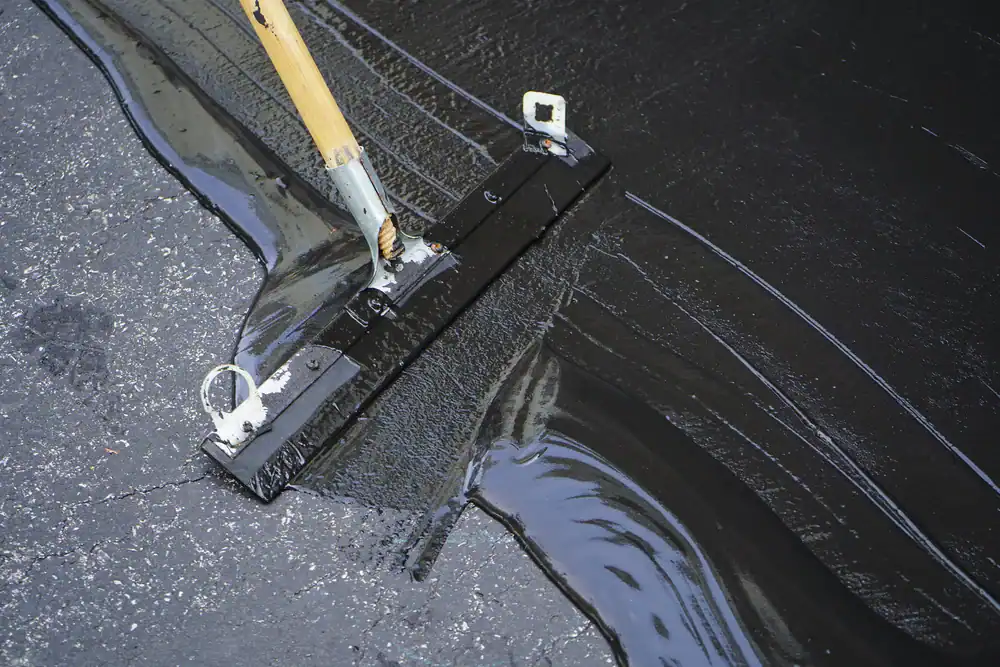
Your driveway won’t crack apart by March. Water can’t seep into those hairline fractures, freeze overnight, and push your asphalt apart from the inside. That cycle repeats all winter if you don’t seal now.
Sealcoating creates a waterproof barrier that keeps moisture out and protects against road salt, oil stains, and UV damage. You’re looking at 3-4 years of protection from a single application, which means you’re not scrambling to find a contractor when everyone else discovers their driveway damage in April.
The cost difference is massive. Preventive sealcoating runs under $500 for most residential driveways in Ledgewood. Full replacement? You’re looking at $6-$8 per square foot, which puts a standard driveway between $3,000 and $8,000. And that’s if you can even get on a contractor’s schedule during peak season.
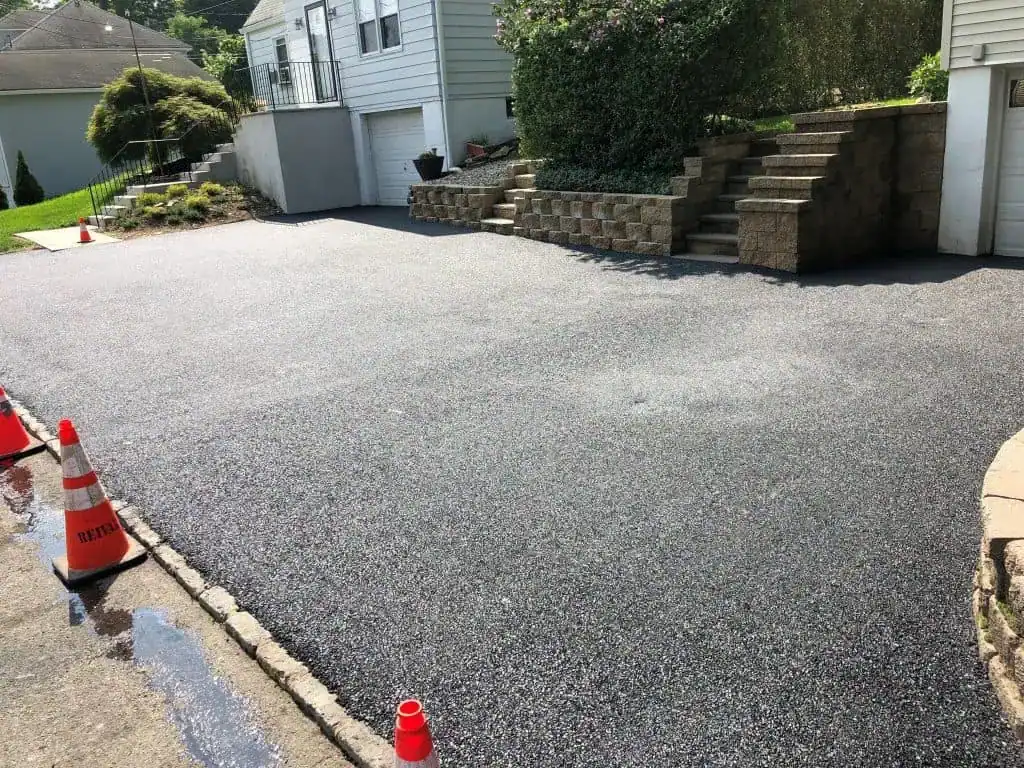
Your driveway also looks better immediately. That faded grey asphalt turns into a clean, dark finish that makes your whole property look sharper. It’s not just about protection, it’s about maintaining what you’ve already invested in your home.
We work throughout Morris, Sussex, and Somerset Counties. We’re based here, we know the freeze-thaw cycles that hit Ledgewood every winter, and we’ve seen what happens when homeowners wait too long.
We use high-grade materials applied correctly. That means proper surface prep, crack repair before sealing, and application during the right weather window. Fall is ideal because you get 24-48 hours of dry conditions for the sealer to bond, and you’re protecting your driveway before the first freeze.
You’ll get transparent pricing upfront. No surprise charges, no upsells once we’re halfway through the job. We tell you what needs to be done, what it costs, and we stick to that timeline.
We start by cleaning your driveway completely. Any dirt, debris, or oil spots have to come off before sealer goes down, or it won’t bond properly. This isn’t a quick sweep, it’s a thorough clean that ensures the surface is ready.
Next, we handle repairs. Cracks get filled, potholes get patched, and any structural issues get addressed before we seal. Sealcoating doesn’t fix existing damage, it prevents new damage. If we seal over cracks without repairing them first, you’re wasting money.
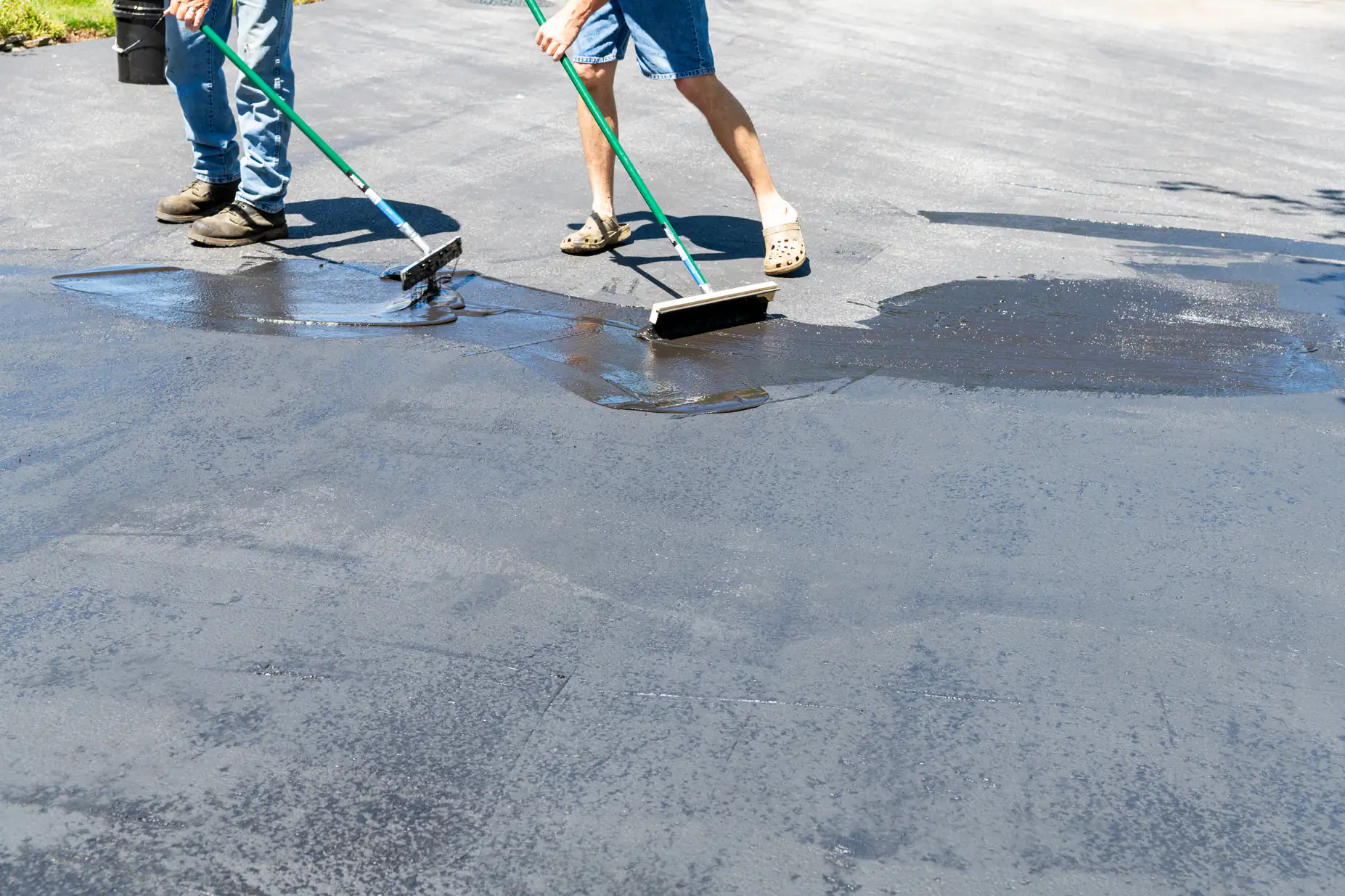
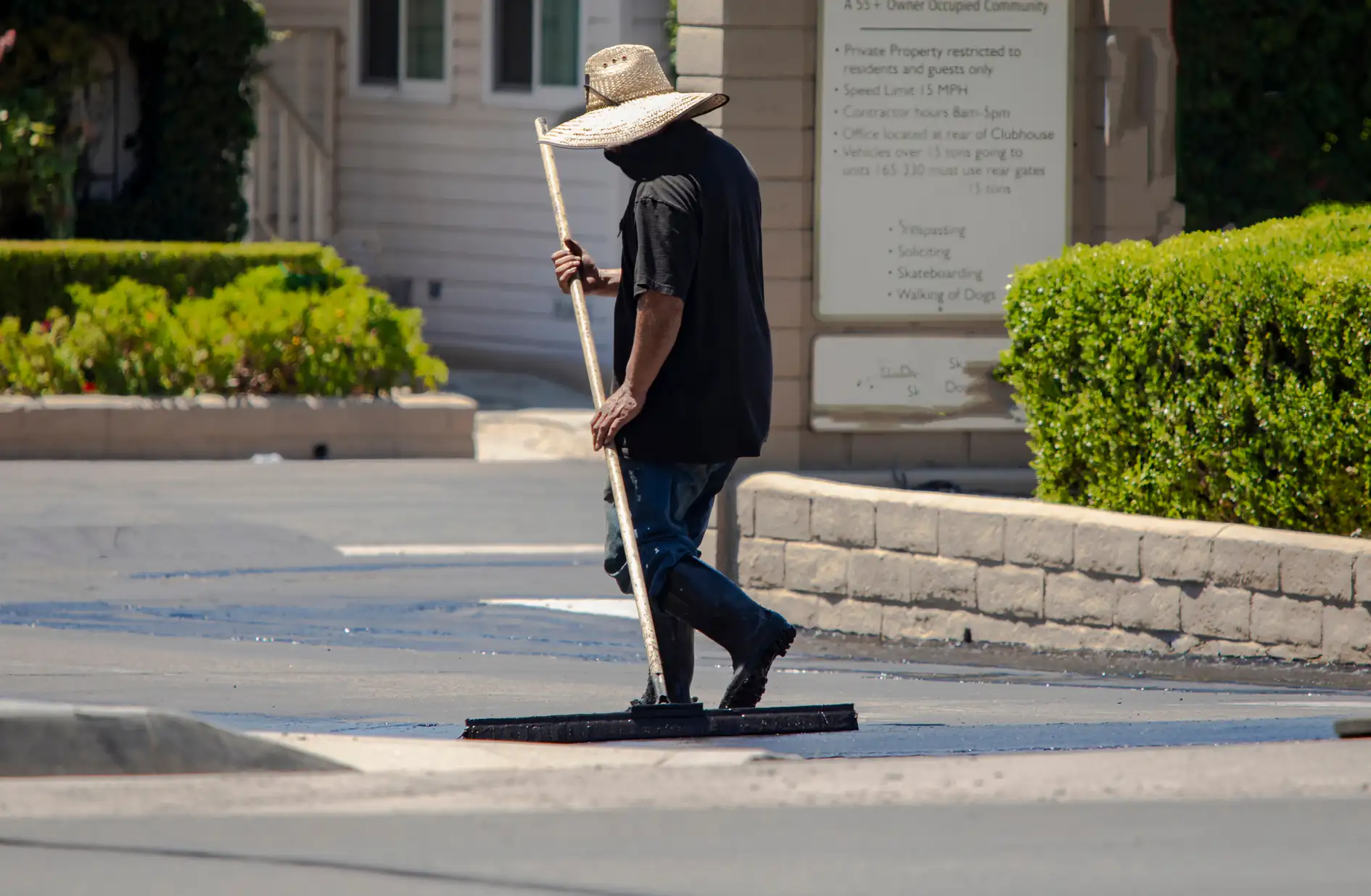
Then we apply the sealer. We use either spray or squeegee application depending on your driveway’s condition and layout. Two coats provide better protection than one, and we make sure each coat cures properly before applying the next. The sealer needs 24-48 hours to dry fully, so you’ll need to keep vehicles off during that time.
After it cures, you’re protected. Your driveway is sealed against water infiltration, and you’ve just added years to its lifespan. Most homeowners in Ledgewood should reseal every 3-4 years to maintain that protection, but the initial application is what prevents the worst damage.
Ready to get started?
Sealcoating isn’t just slapping black gunk on your driveway. You’re paying for surface preparation, crack repair, professional-grade sealer, proper application technique, and the experience to know when conditions are right for the job.
In Ledgewood and Morris County, pricing typically runs 15-20% above national averages because of our climate demands and property values. But you’re still looking at a fraction of replacement costs. A properly sealed driveway lasts 25+ years instead of the typical 15-20 you’d get without maintenance.
Fall timing matters here. If you wait until spring, you’re competing with everyone who just discovered winter damage. Contractors are booked solid, prices go up, and you’re stuck waiting weeks or months for an opening. Seal in fall and you’re ahead of the rush.
Morris County winters are brutal on asphalt. We see freeze-thaw cycles that other parts of New Jersey don’t deal with as severely. That’s why professional sealcoating with quality materials matters more here than in milder climates. You’re not just protecting against normal wear, you’re defending against repeated freezing and thawing that destroys untreated asphalt.

Professional sealcoating lasts 3-4 years on residential driveways in Ledgewood and Morris County. That timeframe assumes proper application, quality materials, and normal use.
New Jersey winters are tough on asphalt. The freeze-thaw cycles we get here accelerate wear compared to milder climates. But a properly sealed driveway holds up because the sealer prevents water from penetrating the surface and freezing inside the asphalt.
You’ll know it’s time to reseal when the surface starts looking faded or you notice water isn’t beading up anymore. Don’t wait until you see cracks, because by then you’re dealing with repairs on top of resealing. Stay ahead of it and you’ll avoid the expensive fixes.
Fall is the best time to seal your driveway in Ledgewood. You need temperatures above 50°F and at least 24-48 hours of dry weather for the sealer to cure properly.
Spring works too, but you’re competing with everyone else who just discovered winter damage. Contractors are slammed from April through June, which means longer wait times and potentially higher prices. Fall gives you better availability and you’re protecting your driveway before winter hits instead of repairing damage after.
Summer can be too hot. When temperatures climb into the 90s, sealer can dry too quickly and not bond correctly. Early fall, typically September through October, gives you that sweet spot of warm days, cool nights, and lower humidity that’s ideal for sealcoating.
No. Sealcoating prevents new damage, it doesn’t repair existing structural problems. Cracks and potholes need to be fixed before sealing, or you’re just covering up issues that will get worse.
We fill cracks and patch potholes as part of the prep work before applying sealer. That’s the right way to do it. If a contractor offers to just seal over damage without repairs, they’re cutting corners and your driveway will fail faster.
Think of sealcoating like a protective coating, not a structural fix. It keeps water out, protects against UV damage and chemicals, and extends the life of healthy asphalt. But if the foundation is already compromised, sealing alone won’t solve it. Fix first, then seal.
Most residential driveways in Ledgewood and Morris County cost between $300-$600 to seal professionally. That includes surface cleaning, crack filling, and two coats of quality sealer.
Price depends on square footage, current condition, and how much prep work is needed. A driveway with minimal cracking costs less than one that needs extensive repairs before sealing. But even on the high end, you’re paying a fraction of what replacement costs.
Compare that to $3,000-$8,000 for full driveway replacement and the math is obvious. Sealcoating every 3-4 years is preventive maintenance that saves you thousands long-term. And if you’re in a high-value area like Morris County where property appearance matters, a well-maintained driveway protects your home’s curb appeal and resale value.
You can buy DIY sealcoating products, but professional application delivers better results and lasts longer. The difference comes down to surface prep, material quality, and application technique.
Consumer-grade sealers from home improvement stores aren’t as durable as professional products. They’re thinner, they don’t bond as well, and they break down faster under New Jersey’s freeze-thaw cycles. You might save money upfront, but you’ll be resealing more often.
We also know how to prep the surface correctly. We clean thoroughly, repair damage properly, and apply sealer under the right conditions. If you seal over a dirty surface or apply it when temperatures are wrong, it won’t bond. Then you’ve wasted time and money on a job that fails within a year. For most homeowners in Ledgewood, professional sealcoating is the smarter investment.
Properly applied sealcoating should not make your driveway significantly more slippery than unsealed asphalt. The texture depends on application method and the sealer formula used.
Some contractors add sand or grit to the final coat to improve traction. This is common for driveways on slopes or in areas where ice is a concern. If you’re worried about slip resistance, ask about traction additives before the job starts.
Fresh sealer does create a smoother surface than weathered asphalt, so there may be a slight difference in traction immediately after application. But once the sealer cures and you’ve driven on it for a few weeks, normal tire wear creates enough texture for safe traction. The bigger concern is ice, which makes any surface slippery whether it’s sealed or not. Sealcoating doesn’t make ice worse, it just protects your asphalt underneath.