
Hear from Our Customers
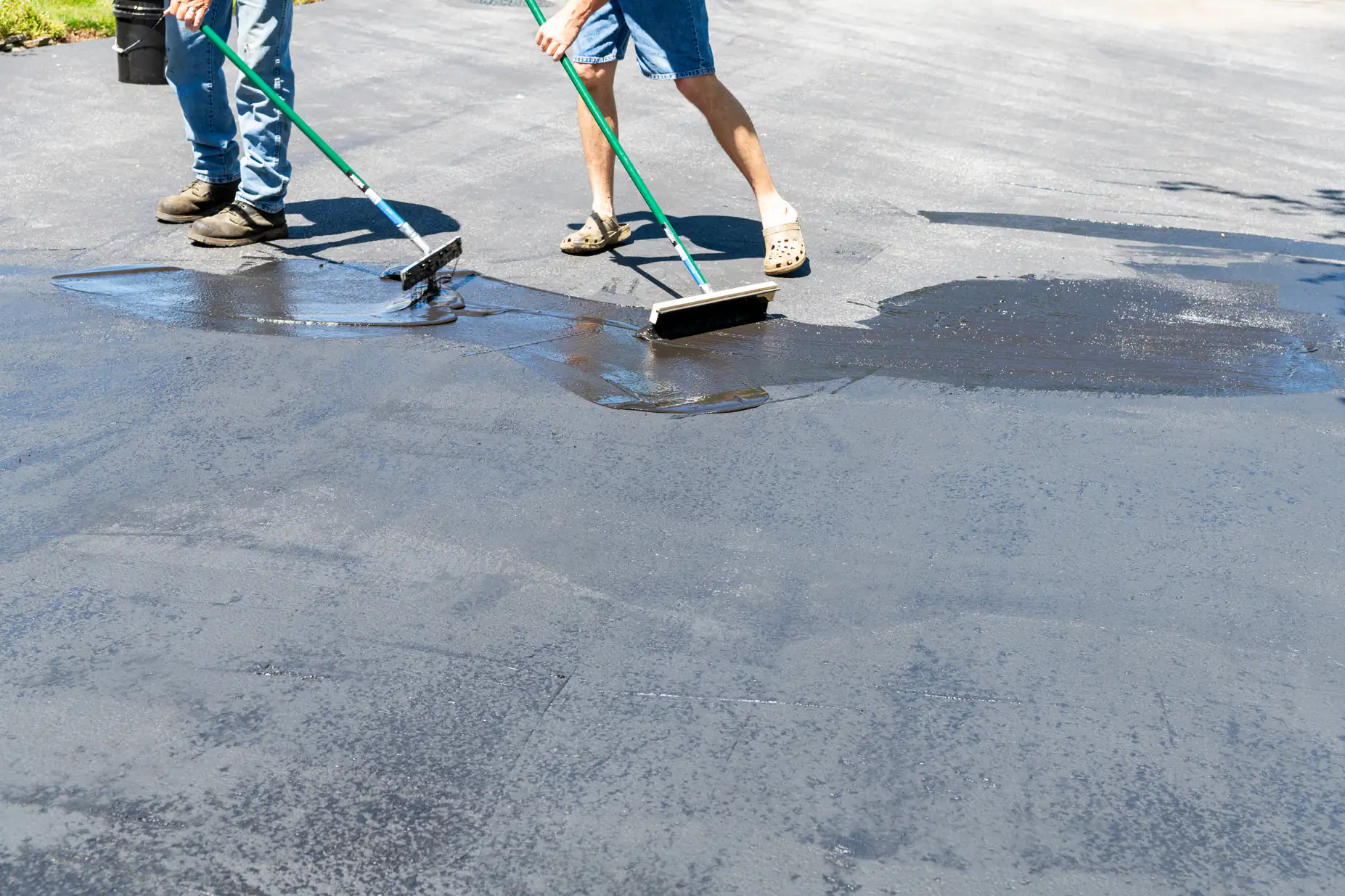
Your driveway takes a beating every winter. Water seeps into small cracks, freezes, expands, and tears your asphalt apart from the inside. By spring, you’re staring at damage that could’ve been stopped with a simple fall sealcoating application.
Sealcoating creates a waterproof barrier that keeps moisture out. It protects against road salt that eats away at your pavement’s structure. It shields your driveway from UV rays that dry out and crack the surface over time.
The difference is visible and measurable. A well-maintained asphalt driveway lasts 15-20 years with proper sealcoating. Without it, you’re looking at 8-12 years before you need a full replacement. That’s not a small gap. That’s the difference between a $300 maintenance job every few years and a $5,000 repaving bill that hits way sooner than it should.
Your driveway also looks better. The fresh, dark finish brings back that new-pavement appearance. It makes snow melt faster because the dark surface absorbs more heat. And it tells visitors you take care of your property.
We work throughout Morris County, and we’ve seen what Landing winters do to unprotected asphalt. The freeze-thaw cycles here are relentless. Temperatures hover right around freezing, which means your driveway doesn’t stay frozen or thawed—it cycles back and forth, and that’s what causes the worst damage.
We’re not the cheapest option, and that’s intentional. You’re paying for high-grade sealant applied correctly, at the right temperature, during the right weather window. We don’t rush jobs or cut corners to squeeze in more appointments.
When you call, you’ll get a callback within 24-48 hours. We’ll give you clear pricing upfront with no surprise charges. And we’ll show up when we say we will, because your time matters just as much as the quality of the work.
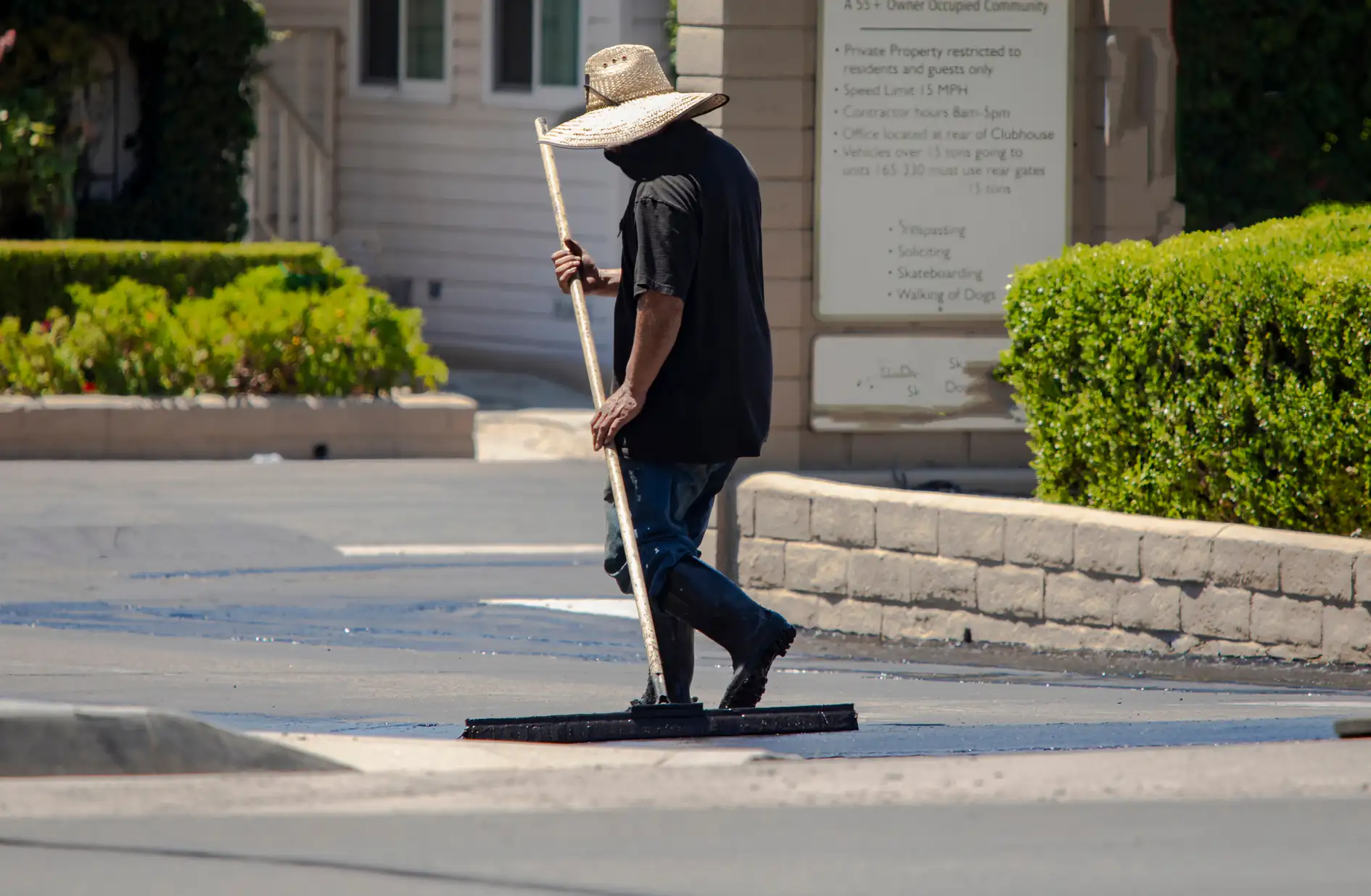
First, we clean your driveway thoroughly. Any dirt, debris, or vegetation gets removed because sealant won’t bond to a dirty surface. We’re looking for a clean, dry base that allows proper adhesion.
Next, we inspect for cracks and damage. Small cracks get filled before we apply sealant. Larger issues might need patching or repair work first. We’ll tell you what needs attention and why—no upselling, just honest assessment of what your driveway actually needs.
Then we apply the sealcoat using professional-grade equipment. We’re not brushing it on with a broom or spraying it thin to save material. You’re getting proper coverage that creates a real protective barrier.
After application, your driveway needs time to cure. You’ll stay off it for 24-48 hours depending on weather conditions. We schedule around forecasts to avoid rain during the curing window. Fall is ideal for this in Landing because temperatures are moderate and conditions are typically dry.
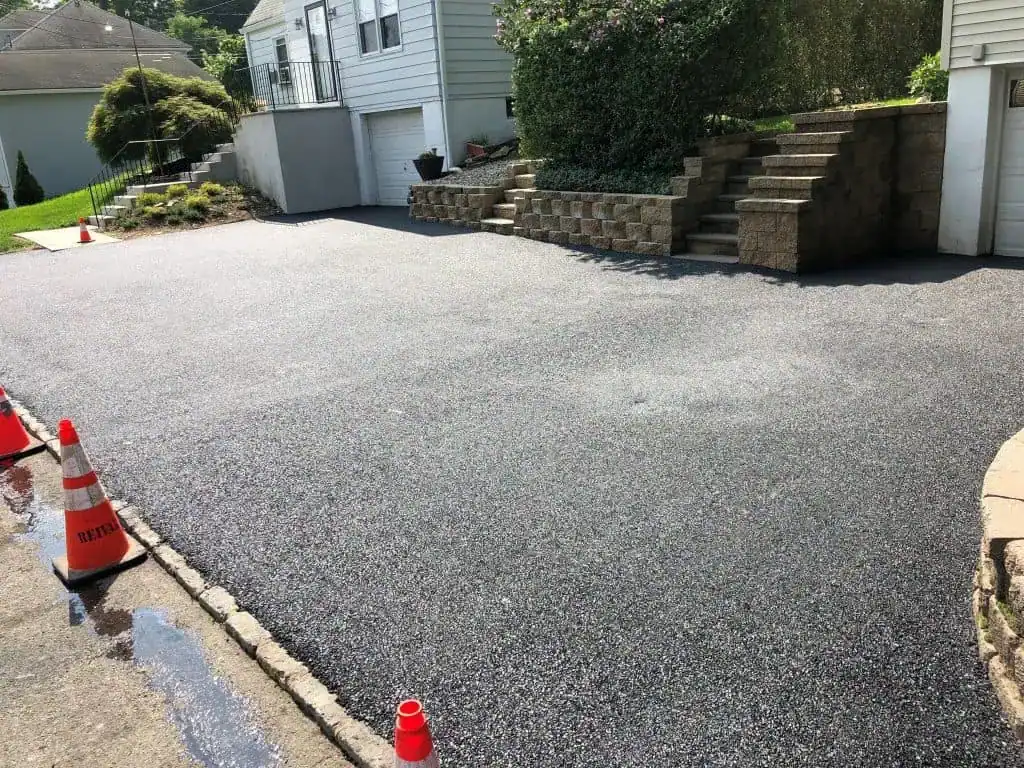
The result is a driveway that’s protected for the next 2-3 years. You’ll see the difference immediately in appearance, and you’ll feel the difference in how well your driveway holds up through winter.
Ready to get started?
Most Landing driveways cost between $200-400 to sealcoat professionally. That price includes cleaning, crack filling for minor damage, sealant application, and proper curing time. Larger driveways or those needing significant crack repair will cost more, but you’ll know the exact price before any work starts.
Compare that to spring repair bills. Asphalt repairs typically run $250-800 for damage that could’ve been prevented. Full driveway replacement costs thousands. Sealcoating every 2-3 years is the most cost-effective maintenance you can do.
Timing matters in Morris County. Fall gives you the best application window. Temperatures are moderate, conditions are dry, and you’re creating a protective barrier right before winter hits. Spring sealcoating works too, but you’ve already survived winter damage by then.
You’re also getting faster snow melt. The dark, sealed surface absorbs solar energy better than faded, weathered asphalt. Snow and ice melt quicker, which means less time for road salt and freeze-thaw cycles to cause damage.
The investment protects your property value. A cracked, deteriorating driveway hurts curb appeal and signals deferred maintenance. A well-maintained driveway tells buyers you’ve taken care of the property. That matters when it’s time to sell.

Fall is your best window for driveway sealcoating in Landing and throughout Morris County. You want moderate temperatures—ideally between 50-85°F—and dry conditions for at least 24-48 hours after application.
September through early November typically offers the most reliable weather. You’re getting consistent temperatures without the summer heat that can make sealant cure too quickly or the winter cold that prevents proper curing. You’re also creating a protective barrier right before winter weather arrives.
Spring is your second-best option, but you’ve already survived a winter of potential damage by then. If your driveway made it through without major issues, spring sealcoating still works. Just avoid early spring when temperatures still dip below freezing at night.
Professional sealcoating lasts 2-3 years in Morris County under normal conditions. Your actual timeline depends on traffic, weather exposure, and how well the driveway was maintained before sealing.
High-traffic areas wear faster. If you’re constantly turning your wheels while parked, or if you have heavy vehicles using the driveway regularly, you might see wear sooner. Driveways with southern exposure also break down faster from UV damage.
You’ll know it’s time to reseal when the surface starts looking faded or gray instead of deep black. Small cracks might start appearing. Water stops beading on the surface and starts soaking in. These are signs the protective layer is wearing thin and it’s time for another application.
You can buy sealant at any home improvement store, but the results won’t match professional application. DIY sealcoating often goes on too thin, doesn’t cover evenly, or gets applied in poor weather conditions.
Professional equipment makes a difference. We’re using commercial-grade applicators that ensure even coverage at the right thickness. Store-bought sealant is often lower quality and requires more frequent reapplication.
The bigger issue is preparation. Your driveway needs to be completely clean and dry. Cracks need proper filling. Oil stains need treatment. Most homeowners skip these steps or don’t do them thoroughly enough, which means the sealant doesn’t bond properly and fails early.
If your driveway is small and in good condition, DIY might work. But for most Landing homeowners, the time, equipment rental, and risk of poor results make professional sealcoating the smarter choice. You’re paying for experience and results that actually last.
Rain within the first 24-48 hours can ruin a fresh sealcoating job. The sealant needs time to cure before any moisture hits it. If rain comes too soon, it can wash away the sealant, create streaks, or prevent proper bonding to the asphalt.
That’s why we watch weather forecasts closely before scheduling. We’re looking for a clear 48-hour window minimum. If the forecast changes and rain moves in, we’ll reschedule rather than risk your investment.
Once sealant is fully cured, rain doesn’t hurt it—that’s the whole point. The cured surface is waterproof and designed to shed water. But during that initial curing period, your driveway is vulnerable and needs protection from moisture.
If you’re doing DIY sealcoating, don’t gamble on weather. Wait for a guaranteed dry period. A ruined sealcoating job means you’ve wasted money on materials and have to start over, possibly after cleaning off failed sealant.
Sealcoating is not crack filler. It’s a protective coating that goes over the surface. Small hairline cracks might get filled as a side effect, but anything larger than a hairline needs separate crack filling before sealcoating.
Proper crack repair uses rubberized crack filler that’s designed to flex with temperature changes. We clean out the crack, fill it properly, and let it set before applying sealcoat over the top. Skipping this step means water still gets into those cracks under the sealant, and you’ll have the same freeze-thaw damage happening underneath.
If your driveway has significant cracking—we’re talking widespread damage, not just a few small cracks—sealcoating might not be the right solution yet. You might need patching or even partial resurfacing first. We’ll tell you honestly what your driveway needs.
Sealcoating works best as preventive maintenance on driveways in decent condition. It stops small problems from becoming big ones. It’s not a fix for driveways that are already failing.
Most residential driveways in Landing cost $200-400 to sealcoat professionally. Your actual price depends on driveway size, current condition, and how much crack filling is needed before sealing.
A typical two-car driveway runs around 600 square feet. At $0.15-0.40 per square foot, you’re looking at $240-300 for the sealcoating itself. Add another $50-100 if you need crack filling for minor damage. Larger driveways or those needing significant prep work cost more.
Compare that to repair costs. Asphalt repairs for winter damage typically run $250-800. Full driveway replacement costs $3,000-8,000 depending on size. Sealcoating every 2-3 years is cheap insurance against much bigger expenses.
We give you exact pricing upfront after looking at your driveway. No estimates that change later. No surprise charges. You’ll know what you’re paying before we start any work.