
Hear from Our Customers
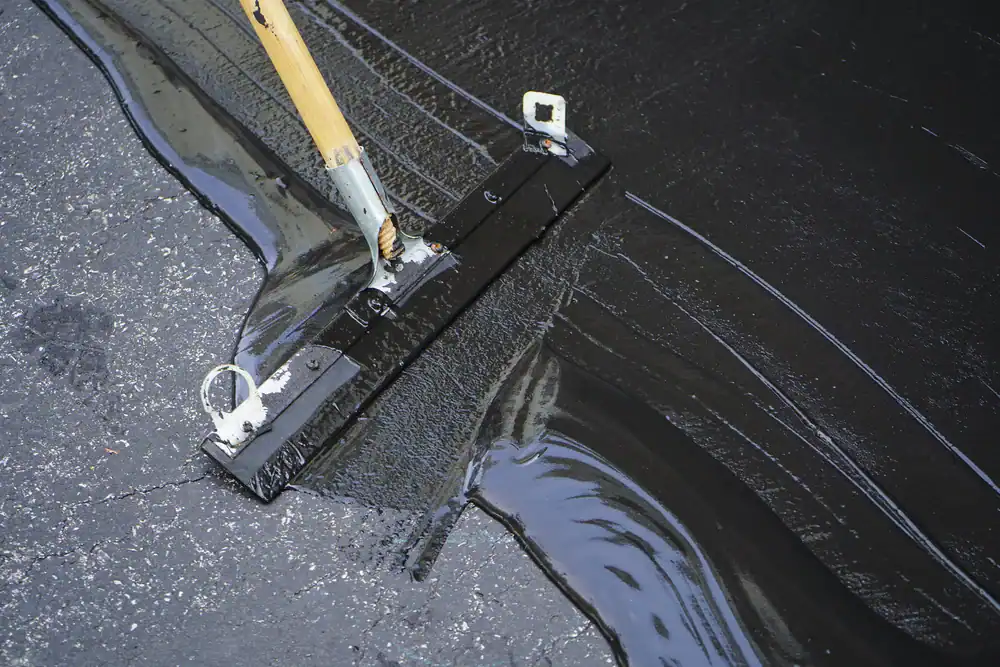
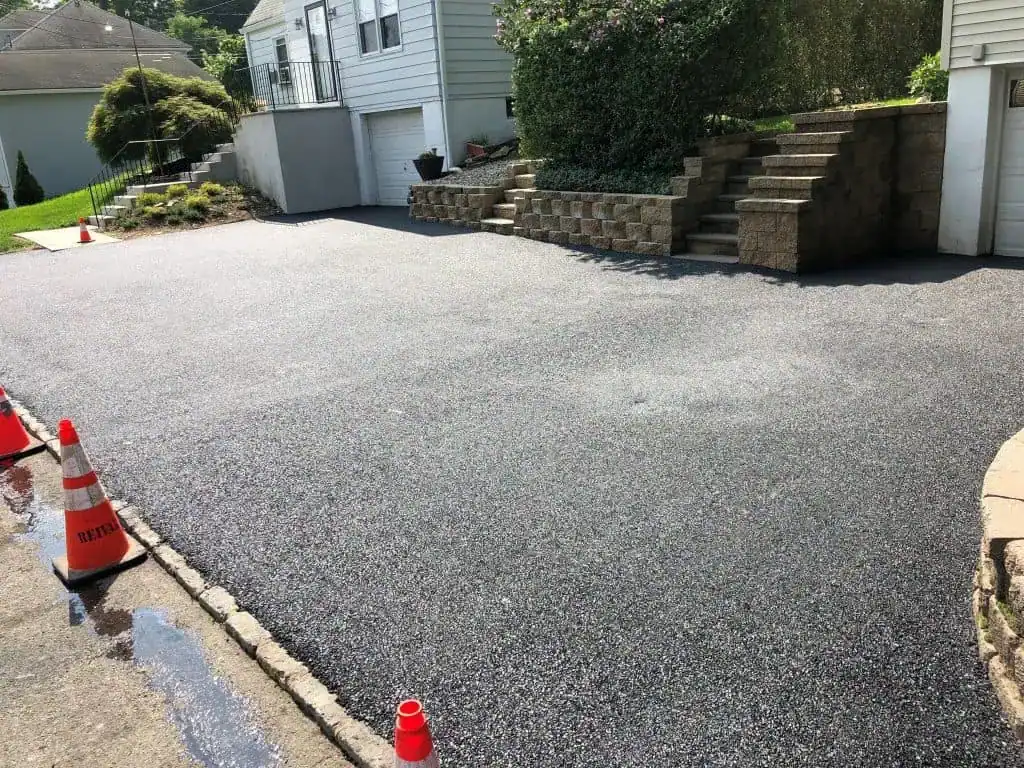
A sealed driveway in Lake Hopatcong, NJ can last 15 to 20 years. Without it, you’re looking at 8 to 12 before you need a full replacement. That’s the difference between a $400 maintenance job every few years and a $6,000+ repaving bill.
The math is simple. Lake Hopatcong sees 55 to 75 freeze-thaw cycles every winter. Each one lets water seep into small cracks, freeze, and expand by about 9%. By spring, those hairline cracks are potholes. Sealcoating stops water at the surface.
You also get a darker, cleaner-looking driveway that melts snow faster and resists oil stains, UV damage, and road salt. It’s not just about looks. It’s about keeping water out and your asphalt intact.
We’ve been sealing driveways across Morris County for over 20 years. We’re a third-generation, family-run contractor based in Dover, NJ. We know what Lake Hopatcong winters do to asphalt because we’ve been fixing it since before GPS was on your phone.
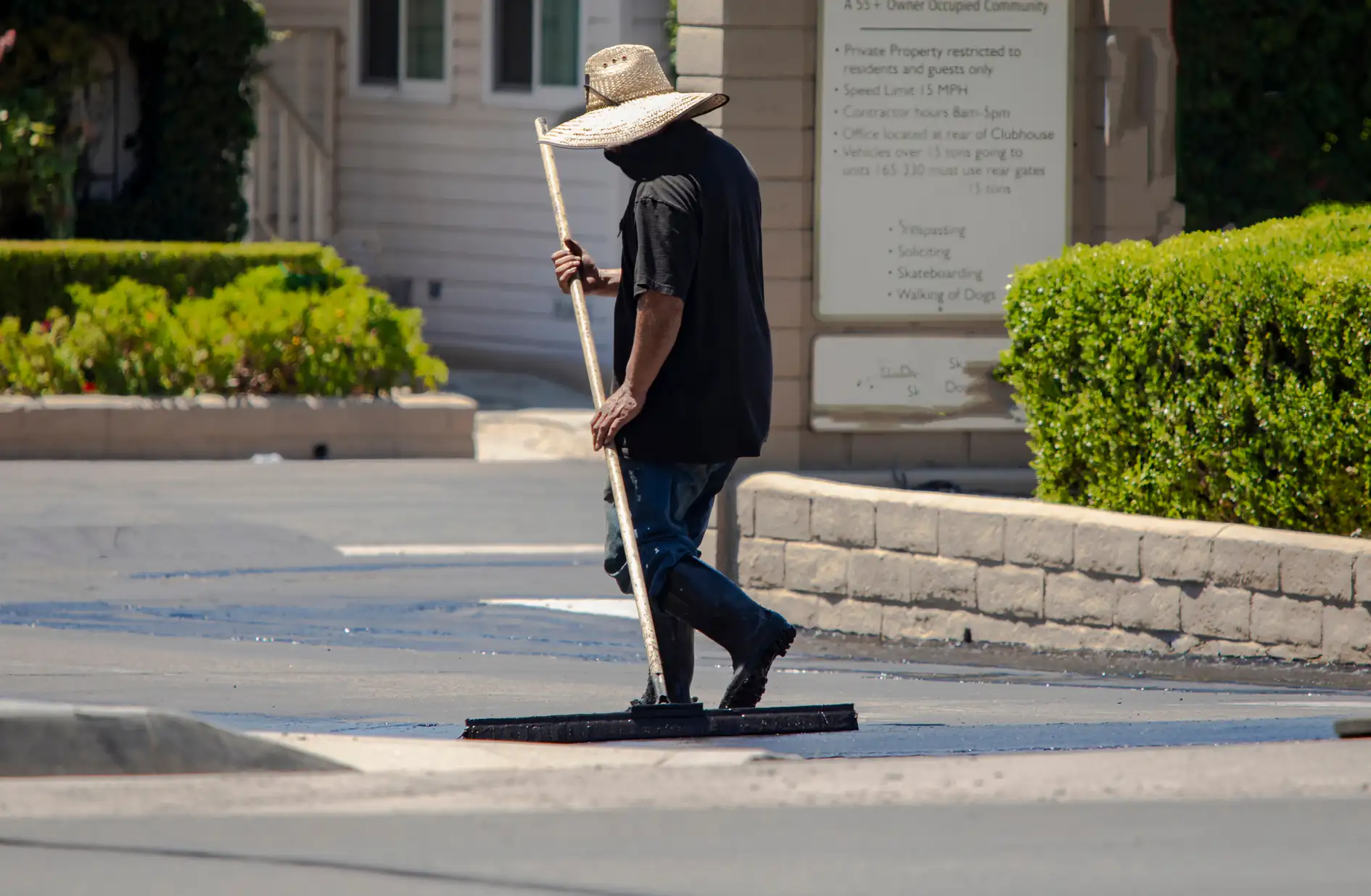
We use high-grade hot mix asphalt and commercial sealcoating products designed for New Jersey’s climate. Our crews understand proper surface prep, temperature windows, and curing times. We’re not showing up with a squeegee and a bucket.
You’ll get a callback within 24 to 48 hours after requesting a quote. No runaround. No surprise fees. Just clear pricing and a schedule we actually stick to.
We start by cleaning your driveway completely. That means blowing out debris, scrubbing off oil stains, and making sure the surface is dry. Sealcoating won’t bond to dirt or moisture, so this step matters more than most people realize.
Next, we fill any cracks wider than a quarter-inch with hot rubberized crack filler. This keeps water from getting under the sealcoat later. Small surface cracks get sealed over, but anything structural gets addressed first.
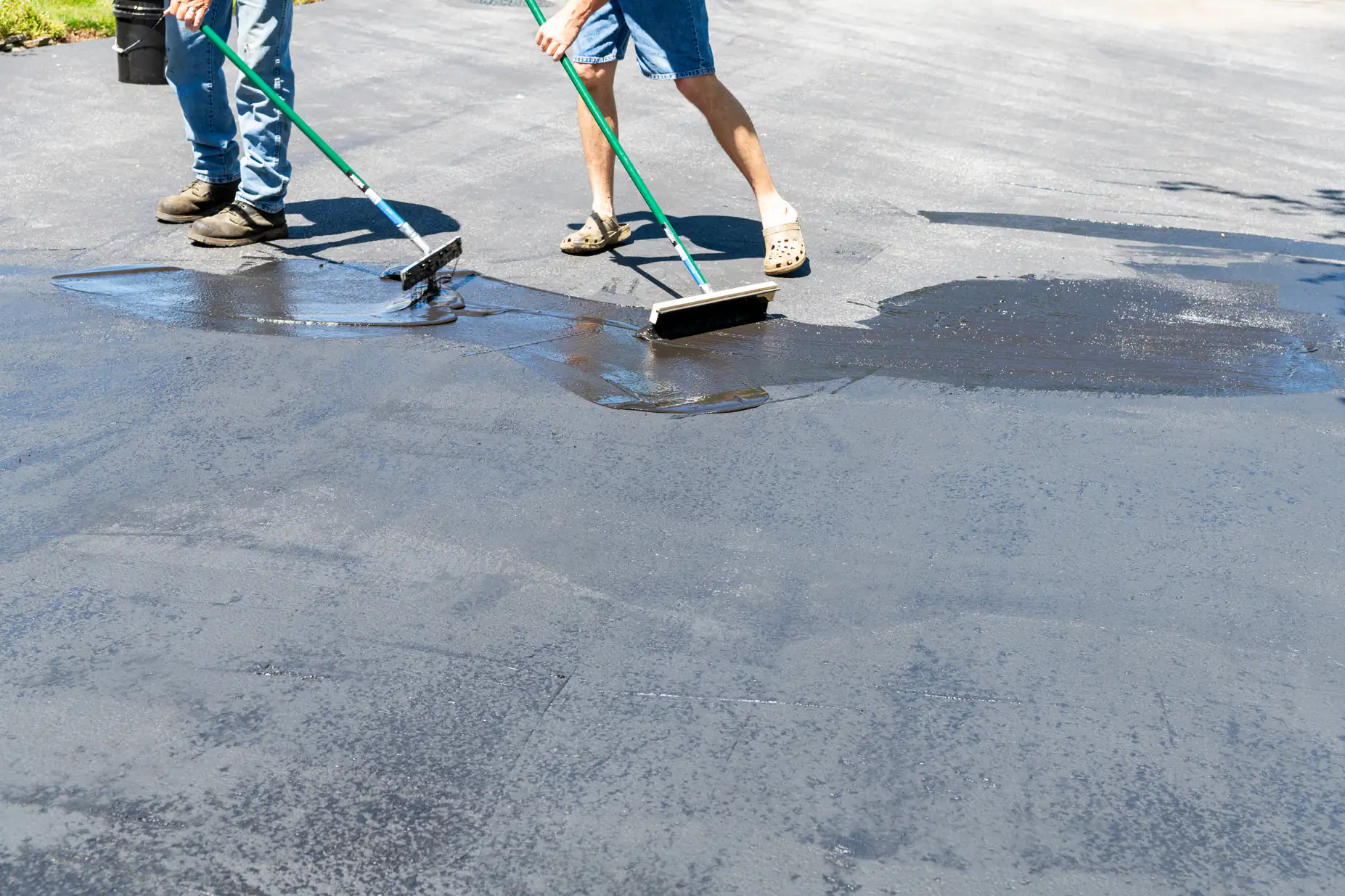
Then we apply two coats of commercial-grade sealer using a spray system or squeegee, depending on your driveway’s condition. The first coat soaks into the asphalt. The second coat creates the protective layer. We let each coat dry fully before applying the next.
You’ll need to stay off the driveway for 24 to 48 hours depending on temperature and humidity. After that, it’s ready for regular use. We recommend resealing every two to three years to keep that protection intact.
Ready to get started?
Driveway sealcoating in Lake Hopatcong, NJ runs between $0.15 and $0.40 per square foot. Most residential driveways cost $150 to $500 depending on size and condition. That’s about 15% to 20% higher than the national average because labor costs more here and our freeze-thaw cycles are brutal on asphalt.
You’re not just paying for sealer. You’re paying for surface prep, crack filling, proper application, and materials that can handle Morris County weather. Cheap sealcoating peels off in six months. Quality work lasts two to three years before you need another coat.
Fall is the best time to seal your driveway. Temperatures are stable, humidity is lower, and the sealer cures properly before winter hits. Sealing in spring works too, but you lose that pre-winter protection. Sealing in summer can work if it’s not too hot, but the sealer dries too fast in direct sun and doesn’t bond as well.
If you’re seeing standing water, widespread cracking, or chunks of asphalt coming loose, sealcoating won’t fix it. At that point, you need resurfacing or replacement. Sealcoating protects good asphalt. It doesn’t repair structural damage.

Every two to three years is the standard recommendation for Lake Hopatcong driveways. Some homeowners stretch it to four years, but that’s pushing it given how many freeze-thaw cycles we get.
If your driveway is in direct sunlight all day, seal it every two years. UV exposure breaks down asphalt faster. If it’s mostly shaded or doesn’t get much traffic, you can go three years between coats.
You’ll know it’s time when the surface starts looking gray instead of black, or when water stops beading up and starts soaking in. That means the sealer has worn off and your asphalt is exposed again.
You can seal it yourself if you’re comfortable with the prep work and have the right tools. Most homeowners underestimate how much cleaning and crack filling matters. If you skip those steps, the sealer won’t last.
DIY sealcoating costs about $0.10 to $0.15 per square foot for materials. You’ll need a squeegee or sprayer, crack filler, cleaner, and at least a full day. The sealer you buy at a big box store is thinner than commercial-grade products, so it won’t last as long.
Hiring us costs more upfront but you get better materials, proper equipment, and someone who knows how to handle temperature and humidity issues. If your driveway has drainage problems or significant cracking, hire someone. If it’s in good shape and you’ve got time, DIY can work.
Sealcoating is a protective coating applied to the surface of existing asphalt. It’s preventative maintenance. Resurfacing means removing the top layer of asphalt and replacing it with a new layer. That’s a repair.
If your driveway has surface cracks, minor wear, and fading, sealcoating is the right move. If you’ve got potholes, widespread cracking, or the base is failing, you need resurfacing or full replacement.
Sealcoating costs $150 to $500 for most driveways. Resurfacing costs $2 to $4 per square foot, so a typical driveway runs $1,500 to $3,000. Replacement costs even more. That’s why regular sealcoating matters—it keeps you out of the expensive repair category.
You need to stay off your driveway for 24 to 48 hours after sealcoating. The surface might feel dry after a few hours, but it’s still curing underneath. Driving on it too soon leaves tire marks and damages the seal.
Temperature and humidity affect dry time. If it’s 70 degrees and dry, 24 hours is usually enough. If it’s cooler or more humid, wait the full 48 hours. We don’t seal driveways if rain is in the forecast within 24 hours.
Once it’s fully cured, your driveway is ready for normal use. You can park on it, plow it in winter, and drive on it without worrying. Just avoid dragging sharp objects across the surface for the first week.
Yes, that’s one of the main reasons to seal your driveway before winter. Road salt and ice melt are corrosive. They break down unsealed asphalt and speed up cracking.
A fresh sealcoat creates a barrier between the salt and your asphalt. Water and chemicals sit on top instead of soaking in. That doesn’t mean you should dump excessive amounts of salt, but normal winter use won’t damage a sealed driveway.
The dark surface also absorbs more heat from the sun, so snow and ice melt faster. That means less time with corrosive materials sitting on your driveway. It’s a small benefit, but it adds up over a winter.
Your driveway will deteriorate faster. Asphalt oxidizes when exposed to sun and air. It becomes brittle, cracks form, water gets in, and freeze-thaw cycles make those cracks worse. Within a few years, you’re looking at serious damage.
An unsealed driveway in Lake Hopatcong, NJ typically lasts 8 to 12 years before it needs replacement. A sealed driveway can last 15 to 20 years. That’s nearly double the lifespan for a few hundred dollars every couple of years.
You’ll also spend more on repairs. Small cracks turn into potholes. Potholes require patching. Eventually, patching doesn’t work anymore and you need resurfacing. Sealcoating is cheaper than all of that.