
Hear from Our Customers
Your driveway stops bleeding money. That’s the short version.
Here’s what actually happens: water can’t seep into those hairline cracks anymore. Which means when temperatures drop below freezing—and in Morris County, that’s happening from November through March—there’s nothing expanding inside your asphalt. No freeze-thaw cycle tearing apart your pavement from the inside out. No spring pothole surprise that costs you $2,000 to patch.
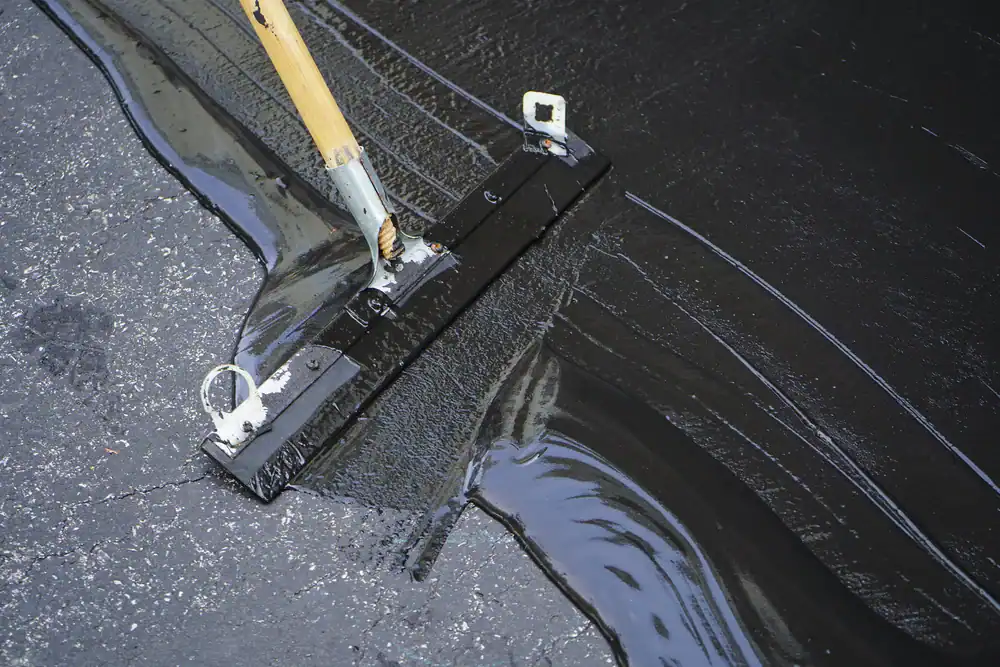
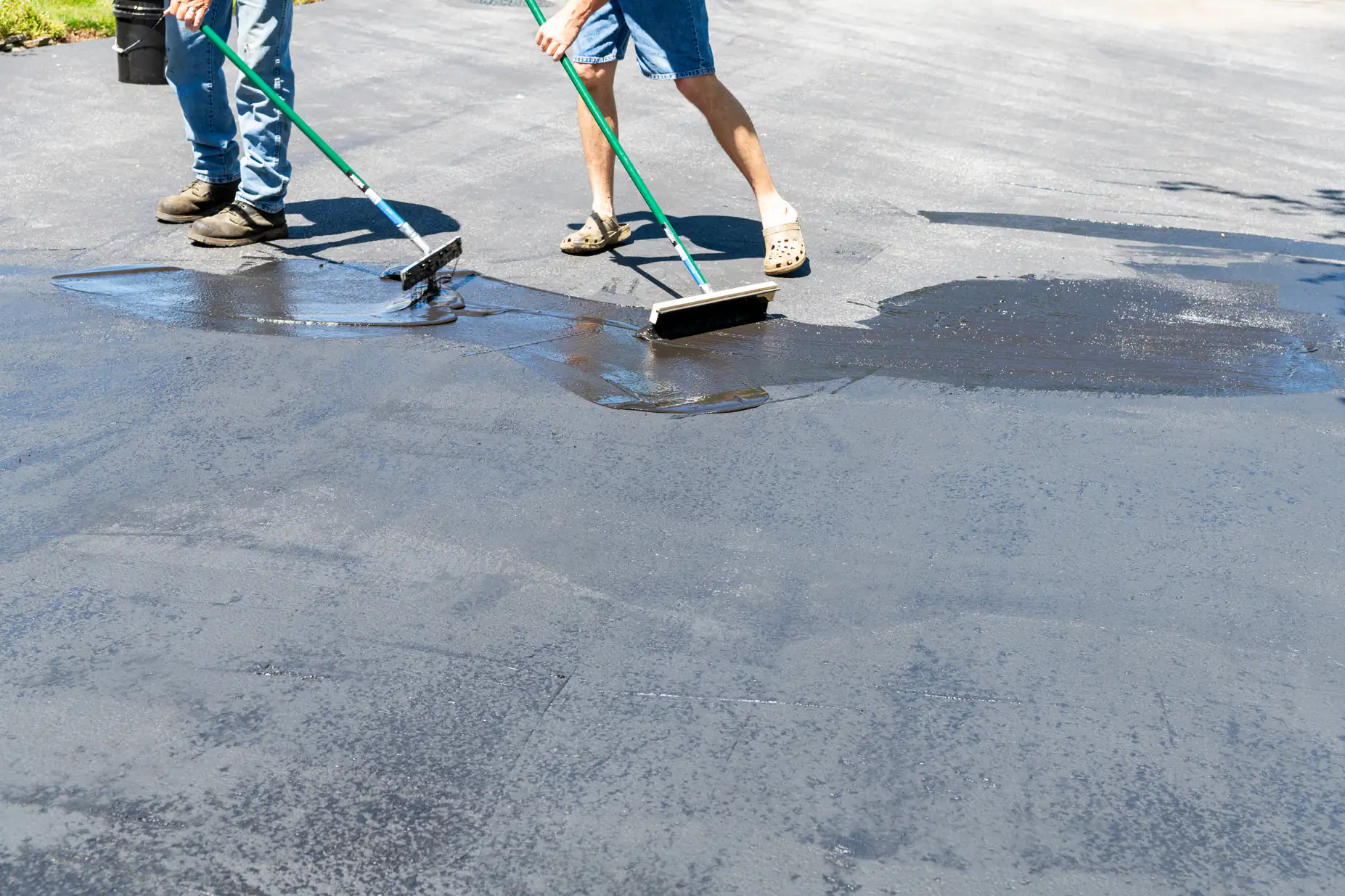
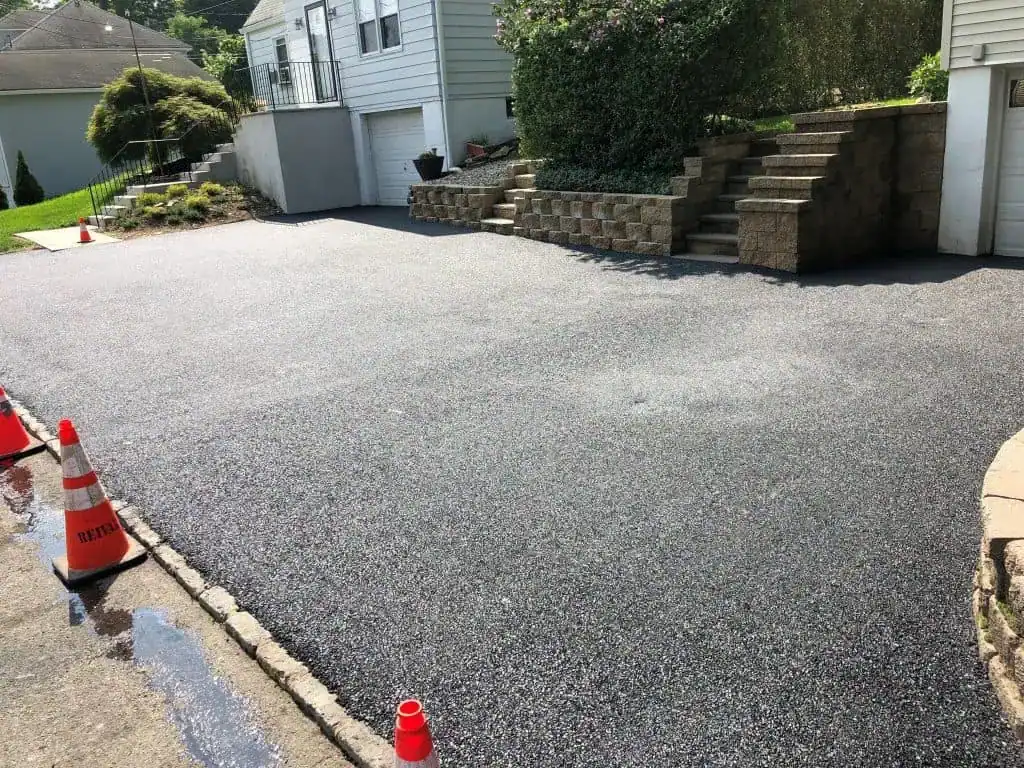
A proper two-coat sealcoating application creates a barrier between your asphalt and everything trying to destroy it. Road salt. UV rays. Oil drips. Rain that would otherwise work its way down to your base layer. You’re looking at 3-4 years of protection from one application, and you’re extending your driveway’s total lifespan from the typical 15-20 years to well past 25.
The math is simple. Sealcoating a standard driveway runs $300-$500. Replacing that same driveway costs $6-$8 per square foot—easily $8,000-$12,000 for most Kinnelon properties. You’re spending pennies now to avoid spending thousands later.
We work exclusively in Morris, Sussex, and Somerset Counties. We’re not a statewide operation trying to figure out your local conditions. We already know them.
We know that Kinnelon sits at a higher elevation than surrounding towns, which means you get hit harder by winter weather. We know your soil composition affects how your driveway settles. We know which streets flood during heavy rain and which properties have drainage issues that accelerate asphalt deterioration.
That local knowledge matters because driveway sealing isn’t one-size-fits-all. The prep work, the application technique, the curing time—it all changes based on your specific property conditions. We’ve been doing this work in your area long enough to spot problems before they become expensive, and we explain exactly what we’re seeing and why it matters to your driveway’s lifespan.
We start with a full surface inspection. We’re looking for cracks, oil stains, vegetation growing through seams, drainage problems, and base failure. If there are issues that need fixing before we seal, we tell you upfront. Sealing over problems just hides them temporarily.
Next comes surface prep. This isn’t optional. We clean off all dirt, debris, vegetation, and loose material. Oil stains get treated with a degreaser. Cracks wider than a quarter-inch get filled with hot rubberized crack filler. If we skip this step, the sealer won’t bond properly and you’ll see premature failure.
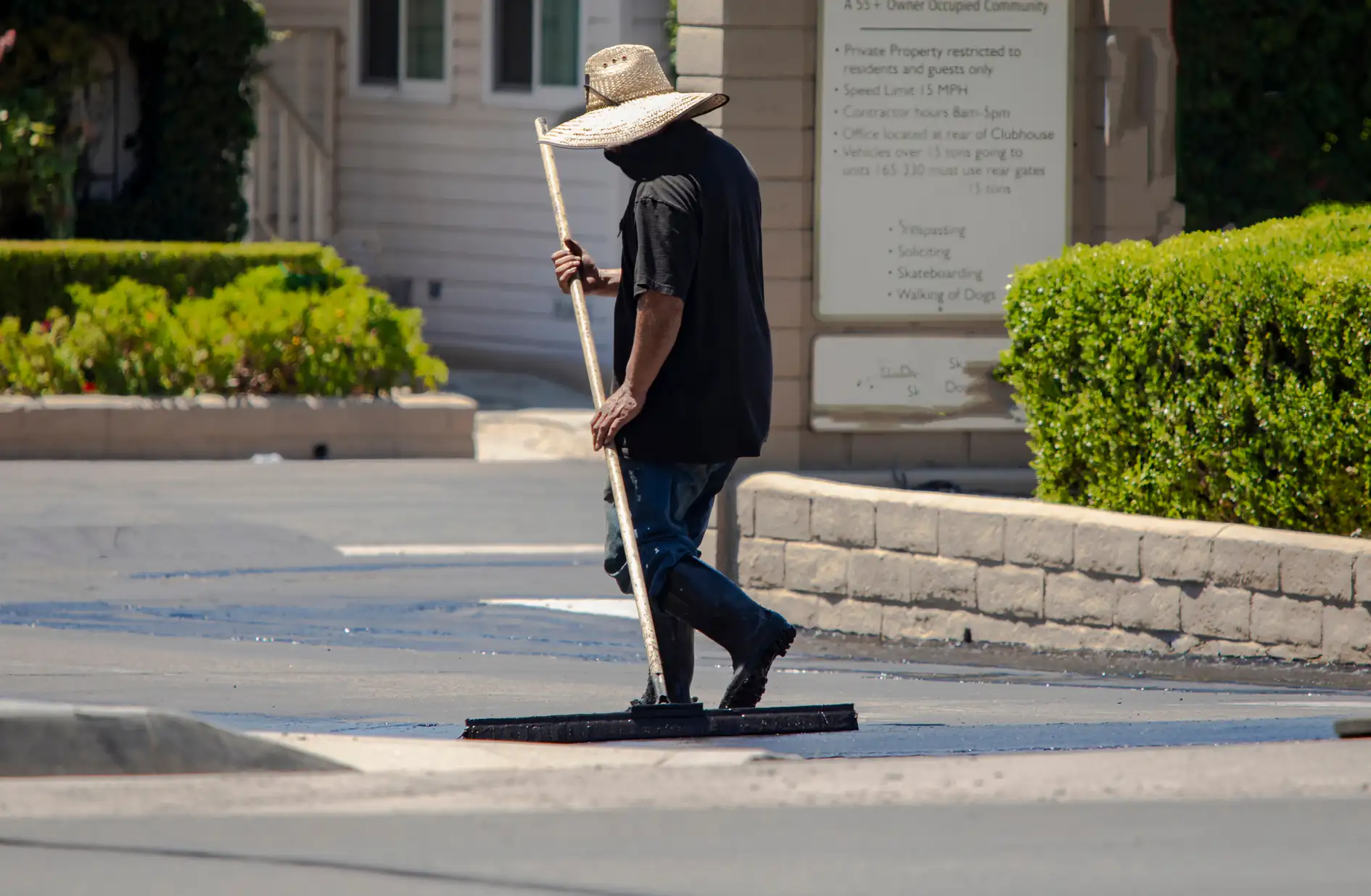
Then we apply two coats of commercial-grade sealer. Not the stuff you buy in buckets at the hardware store—professional material that’s designed for New Jersey climate conditions. First coat goes down, we let it dry completely, then the second coat gets applied perpendicular to the first for complete coverage.
Curing takes 24-48 hours depending on temperature and humidity. You’ll need to stay off the driveway during that time. No shortcuts here—if you drive on it too early, you’ll leave tire marks and compromise the seal.
Ready to get started?
You’re paying for materials that can handle Morris County winters. The sealer we use is formulated for northern climates with harsh freeze-thaw cycles. It stays flexible when temperatures drop and doesn’t crack under pressure.
You’re paying for proper surface preparation. Most driveway sealing failures happen because someone skipped the prep work. We don’t. Every crack gets filled, every oil stain gets treated, every square foot gets cleaned before we apply anything.
You’re paying for a two-coat application. Single-coat jobs are cheaper upfront, but they only last 1-2 years. Two coats give you 3-4 years of protection and better coverage overall. The cost difference is minimal, but the performance difference is significant.
And you’re paying for local expertise. We know that Kinnelon properties often have steeper driveways than surrounding towns, which affects how we apply sealer. We know your area gets more freeze-thaw cycles than properties closer to the valley. We know which local conditions accelerate wear and how to account for them.
Pricing typically runs $0.15-$0.25 per square foot for residential driveways in good condition. If you need crack filling or other prep work, that’s additional. We give you upfront pricing after we see your property—no surprises, no hidden fees.

Fall is your best window—specifically September through early November before temperatures consistently drop below 50°F at night.
Here’s why that timing matters. Sealer needs warm temperatures to cure properly. If it’s too cold, it won’t bond to your asphalt correctly and you’ll see premature failure. If it’s too hot (mid-summer), it cures too fast and you can get application issues.
Fall also means you’re protecting your driveway before winter hits. That’s the season that does the most damage to unsealed asphalt in New Jersey. Every freeze-thaw cycle without protection is another crack forming, another weak point developing. Seal in fall, and your driveway goes into winter with a protective barrier already in place.
Spring is your second-best option, but you’re competing with everyone else who’s dealing with winter damage. Contractors get booked solid, and you’re paying to fix problems instead of prevent them.
A proper two-coat application lasts 3-4 years on residential driveways in Morris County. Single-coat jobs only give you 1-2 years.
That timeline assumes normal wear—regular vehicle traffic, typical New Jersey weather, basic maintenance like sweeping and occasional hosing. If you’ve got heavy vehicles, steep slopes, or drainage issues, you might see slightly shorter lifespans.
You’ll know it’s time to reseal when the surface starts looking faded and gray instead of deep black. That color change means the sealer is wearing thin and your asphalt is getting exposed to the elements again. Small cracks might start appearing. The surface might feel rougher under your feet.
Most Kinnelon homeowners end up on a 3-year resealing schedule. That keeps your driveway consistently protected without over-applying sealer, which can cause its own problems.
Sealing a typical Kinnelon driveway costs $300-$500. Replacing that same driveway costs $8,000-$12,000. You’re looking at a 20-to-1 cost difference.
Here’s the breakdown: sealcoating runs about $0.15-$0.25 per square foot depending on your driveway’s condition and size. A standard two-car driveway (around 600 square feet) falls in that $300-$500 range including prep work.
Replacement costs $6-$8 per square foot in this area—sometimes more if you’ve got base issues or difficult access. That same 600-square-foot driveway costs $3,600-$4,800 just for materials and labor. Add in excavation, base prep, and disposal of old asphalt, and you’re easily over $8,000.
Regular sealcoating every 3-4 years extends your driveway’s total lifespan from 15-20 years to 25-30 years. Over the life of your driveway, you might spend $2,000-$3,000 on sealcoating. That’s still less than half the cost of one premature replacement.
You can do it yourself, but most DIY sealcoating jobs fail within the first year. The materials you can buy at hardware stores aren’t the same quality as commercial-grade products, and the application process is harder than it looks.
The most common DIY mistakes: skipping surface prep, applying sealer too thick, not filling cracks properly, and working in wrong weather conditions. Any one of those issues can cause premature failure. You’ll end up with a driveway that looks worse than before you started, and you’ve wasted money on materials and your time.
Professional application costs more upfront, but you’re getting commercial-grade materials designed for New Jersey climate conditions. You’re getting proper surface prep that actually addresses underlying issues. You’re getting two-coat coverage that lasts 3-4 years instead of 1-2. And you’re getting someone who knows how to read your specific property conditions and adjust the process accordingly.
If your driveway is in good shape and you’re handy, you might pull off a decent DIY job. But if you’ve got cracks, drainage issues, or oil stains, you’re better off hiring someone who does this work daily.
Look at your cracks. If they’re hairline to quarter-inch wide and there’s no base failure underneath, sealcoating with crack filling handles it. If you’re seeing cracks wider than a half-inch, alligator cracking (interconnected cracks that look like reptile skin), or sections that sink when you walk on them, you’ve got bigger problems.
Base failure means the foundation under your asphalt is compromised. Water got underneath, froze and thawed repeatedly, and now your base material has shifted or deteriorated. Sealcoating won’t fix that. You need excavation and base repair, possibly full replacement of affected sections.
Drainage issues show up as standing water, persistent wet spots, or erosion along edges. If water isn’t flowing off your driveway properly, it’s constantly working to destroy your asphalt from underneath. You need to address drainage before sealcoating, or you’re just temporarily covering a problem that will get worse.
Oil stains, surface wear, and minor cracking are all good candidates for sealcoating. Structural issues, major cracking, and base failure need more extensive work. A proper inspection tells you exactly where you stand and what your options are.
Yes, but only if it’s applied correctly before winter starts. Sealcoating creates a waterproof barrier that prevents moisture from penetrating your asphalt. That’s critical in New Jersey because winter damage happens when water seeps into small cracks, freezes, expands by 9%, and tears your pavement apart from the inside.
Every freeze-thaw cycle without protection makes existing cracks worse and creates new ones. Morris County typically sees 80-100 freeze-thaw cycles per winter. That’s 80-100 opportunities for water to get in and cause damage if your driveway isn’t sealed.
Road salt accelerates the problem. Salt lowers the freezing point of water, which means more freeze-thaw cycles at temperatures where unsealed asphalt is most vulnerable. It also chemically breaks down asphalt binder over time. A proper seal coat protects against both the physical damage from freezing water and the chemical damage from salt exposure.
The protection isn’t permanent—that’s why you need to reseal every 3-4 years. But a fresh seal going into winter means your driveway is protected during the season that causes the most damage. You’ll see fewer cracks, less deterioration, and significantly lower repair costs over the life of your pavement.