
Hear from Our Customers
Morris County winters deliver 55 to 75 freeze-thaw cycles every year. Water gets into small cracks, freezes, expands by 9%, and pushes those cracks wider. By spring, you’re looking at potholes, crumbling edges, and a repair bill that could’ve been avoided.
Sealcoating creates a waterproof barrier that keeps moisture out before it becomes a problem. It also protects against oil, gas, and road salt—the stuff that breaks down asphalt faster than weather alone. You’re not just making your driveway look better. You’re buying yourself another decade of use before you need to think about replacement.
Most homeowners in Kenvil spend $200 to $500 on preventive sealing every 2-3 years. Compare that to $3,500 to $8,000 for a full driveway replacement, and the math is pretty clear. The question isn’t whether you can afford to seal your driveway—it’s whether you can afford not to.
We’ve handled asphalt projects across Morris County since the early 2000s. We’re a third-generation, family-owned company, which means when you call, you’re talking to people who actually show up and do the work—not a call center three states away.
We’re BBB accredited with a 4.5-star rating, fully licensed with the NJ Division of Consumer Affairs, and we back every job with a 5-year warranty. You get clear upfront pricing, no surprise charges, and a callback within 24 to 48 hours when you request a quote online.
Kenvil sits in Roxbury Township, where most residents own single-family homes with driveways that take a beating every winter. We know what works here because we’ve been sealing and repairing driveways in this area for two decades. You’re not our test market—you’re our home base.
First, we inspect your driveway to identify cracks, potholes, or drainage issues that need attention before sealing. If there are cracks wider than a quarter-inch, we fill them with hot rubberized crack filler. If there are low spots or damaged sections, we’ll let you know whether patching or milling is needed.
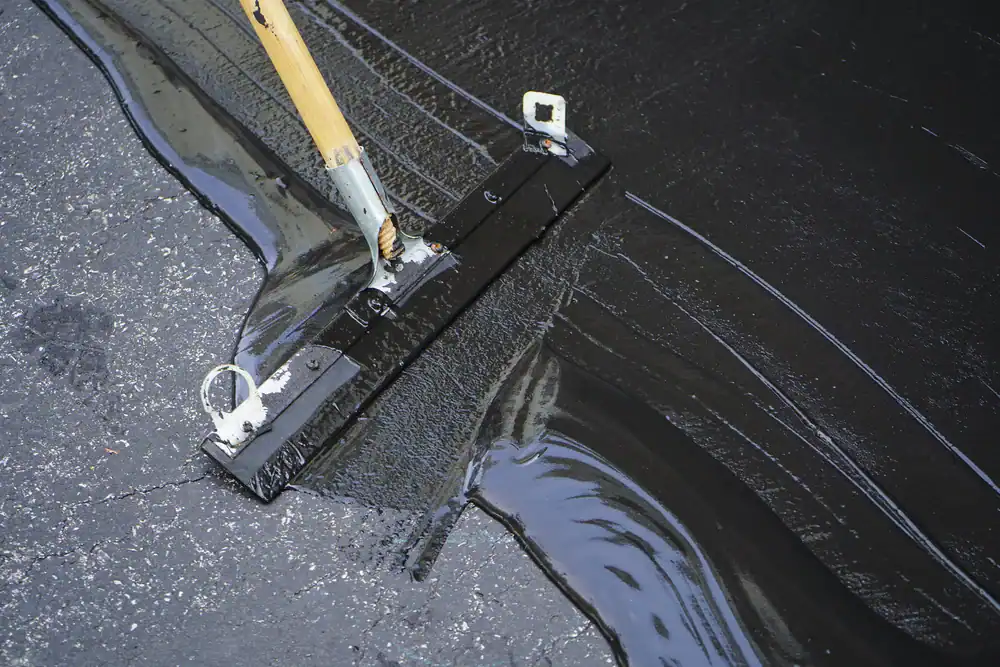
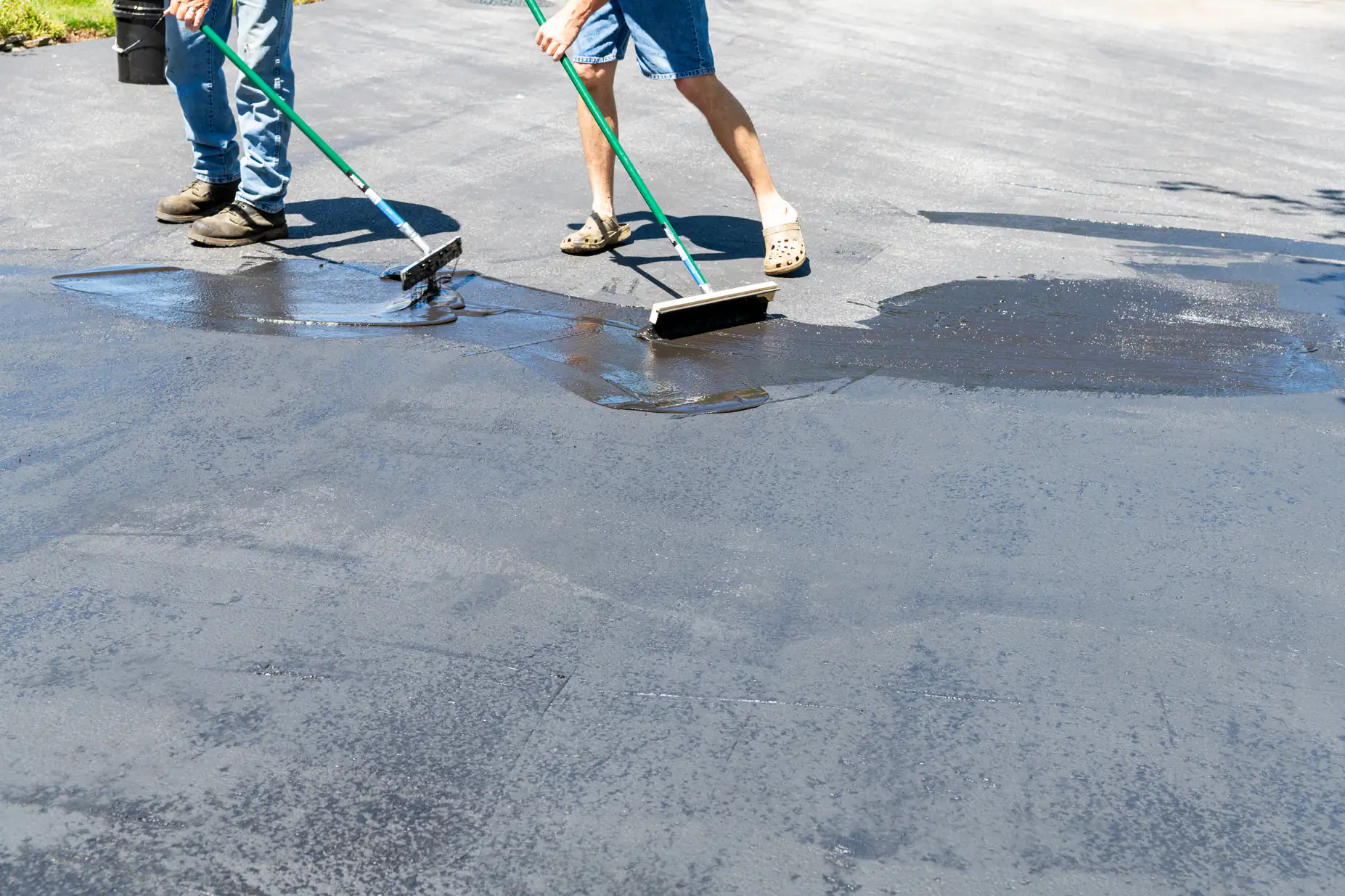
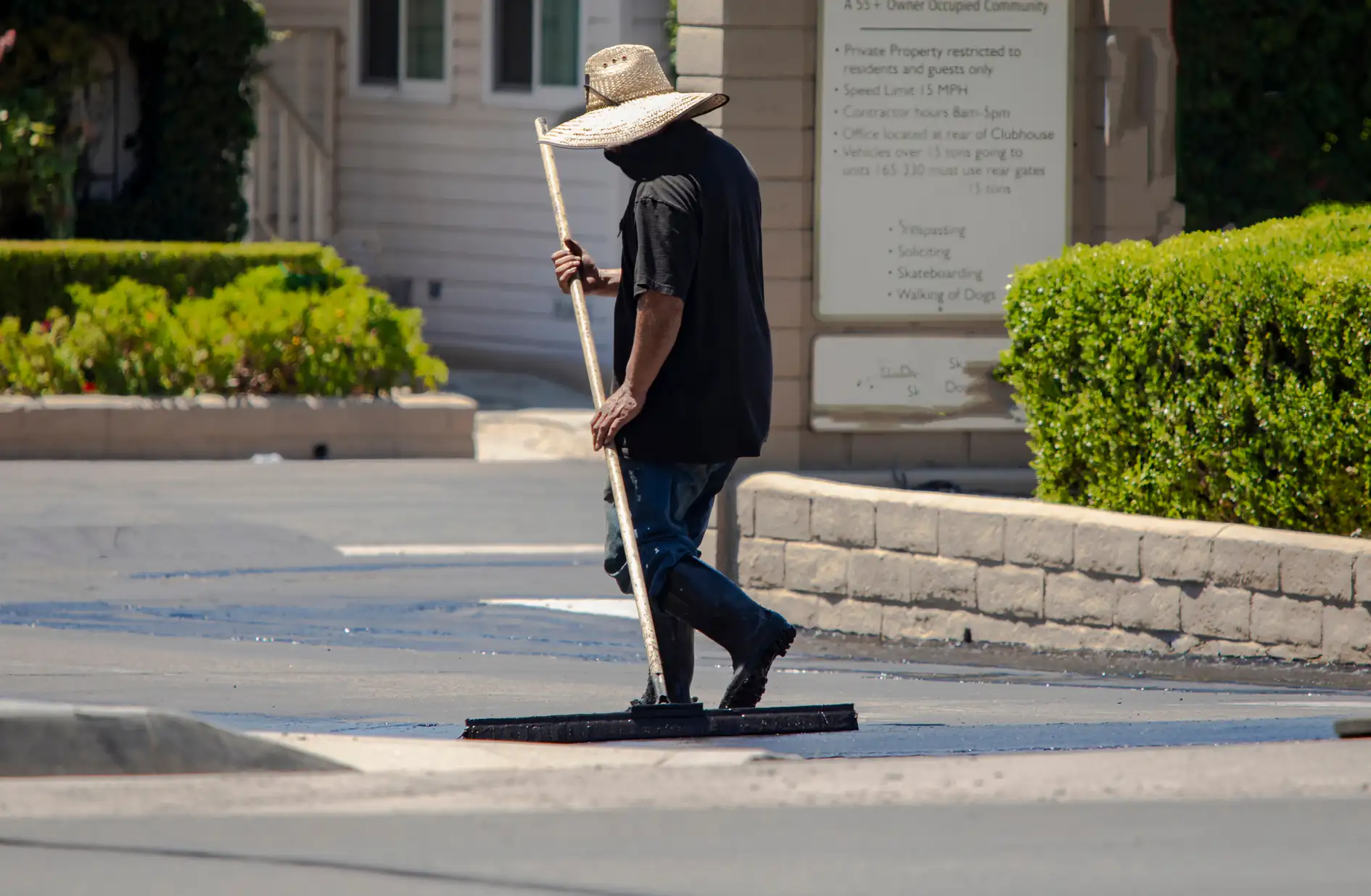
Next, we clean the surface. Oil stains, dirt, and debris prevent the sealer from bonding properly, so we power wash or sweep the entire area. Once it’s dry, we apply a high-quality asphalt emulsion sealer using a spray system or squeegee, depending on the size and condition of your driveway.
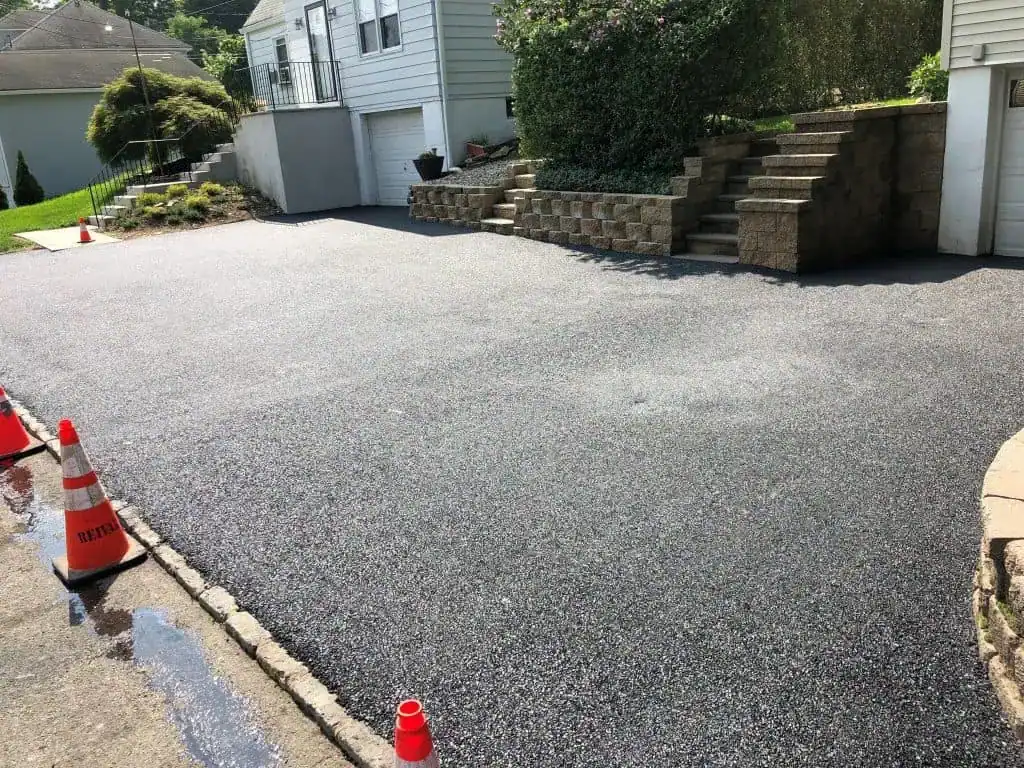
The sealer needs 24 to 48 hours to cure, depending on temperature and humidity. During that time, you’ll need to keep cars off the driveway. After it’s fully cured, your driveway will have a fresh black finish and a protective layer that keeps water, chemicals, and UV rays from breaking down the asphalt. We recommend resealing every 2 to 3 years to maintain that protection.
Ready to get started?
Every sealcoating job starts with crack filling. We use hot rubberized material that flexes with temperature changes, so it doesn’t just pop out after the first freeze. If your driveway has potholes or sunken areas, we’ll patch those with hot mix asphalt before sealing. You can’t seal over structural damage and expect it to hold.
We use professional-grade asphalt emulsion sealer—not the stuff you buy in buckets at the hardware store. It’s designed to meet or exceed the performance of coal tar sealers, which are banned in several New Jersey municipalities due to environmental concerns. Our sealer bonds better, lasts longer, and doesn’t come with the regulatory headaches.
In Kenvil and the surrounding Morris County area, driveways face constant exposure to road salt, freeze-thaw cycles, and UV damage. A properly sealed driveway can handle all of that for years without cracking or fading. Most of our customers see a lifespan extension of 10 to 15 years, which means you’re protecting a $4,000 to $6,000 investment for a few hundred dollars every couple of years. That’s not maintenance—that’s smart money.

Professional driveway sealcoating in Kenvil typically costs between $0.15 and $0.25 per square foot. For a standard two-car driveway (around 600 square feet), you’re looking at $200 to $500, depending on the condition of the asphalt and whether crack filling or patching is needed before sealing.
If your driveway has significant cracks or damage, those repairs add to the cost—but they’re necessary. Sealing over broken asphalt doesn’t fix the problem, it just hides it temporarily. We give you a clear upfront price that includes prep work, so there are no surprises when the job’s done.
DIY sealcoating might seem cheaper, but the materials you buy at a hardware store don’t perform the same way professional-grade sealer does. You’ll also need to rent or buy equipment, and if the application isn’t done right, you’re wasting time and money. Most homeowners who try it once end up calling us the second time around.
You should reseal your driveway every 2 to 3 years. That’s the sweet spot where the previous coat is still doing its job, but it’s starting to wear thin. If you wait too long, water gets back into the asphalt, and you’re dealing with cracks and potholes again.
Some contractors will tell you to seal every year, but that’s overkill—and it can actually cause problems. Too many layers of sealer can create a thick, brittle surface that cracks under pressure. Every 2 to 3 years keeps your driveway protected without overdoing it.
Morris County’s climate makes regular sealing even more important. Between the freeze-thaw cycles, road salt, and summer heat, your driveway takes a beating. Consistent maintenance is what separates driveways that last 20+ years from ones that need replacement after 10.
Late spring through early fall is the best window for driveway sealing in Kenvil. You need temperatures above 50°F during the day and overnight, with no rain in the forecast for at least 24 hours. That usually means May through October, with summer being the busiest season.
Fall can actually be ideal if you book early. The temperatures are still warm, but humidity is lower, which helps the sealer cure faster. Just don’t wait until late October or November—if temperatures drop unexpectedly, the sealer won’t bond properly, and you’ll have to redo it in the spring.
Winter sealing isn’t an option. The sealer won’t cure in cold weather, and even if it looks dry on the surface, it won’t form the protective layer you need. If you’re dealing with winter damage, we can do temporary crack filling to get you through to spring, but the full sealcoating job has to wait for warmer weather.
Sealcoating typically takes 24 to 48 hours to dry enough for light foot traffic, and 48 to 72 hours before you can park cars on it. The exact time depends on temperature, humidity, and how thick the sealer was applied. Hot, dry weather speeds up curing. Cool, humid conditions slow it down.
You’ll see the surface look dry within a few hours, but that doesn’t mean it’s ready for use. The sealer needs time to cure all the way through, not just on top. If you drive on it too early, you’ll leave tire marks, and the sealer won’t bond properly to the asphalt underneath.
We’ll give you a specific timeline based on the weather forecast when we do your job. Most homeowners plan to have their cars parked on the street or in the garage for two full days. It’s a small inconvenience for a driveway that’s protected for the next 2 to 3 years.
Yes, but the cracks and potholes need to be repaired first. Sealcoating is a protective layer—it’s not a structural fix. If you seal over damaged asphalt without filling the cracks or patching the holes, those problems will get worse, and the sealer won’t last.
We fill cracks with hot rubberized material that stays flexible as temperatures change. For potholes or sunken areas, we use hot mix asphalt to patch and level the surface. Once the repairs are solid, we clean the driveway and apply the sealer. That’s the only way to get results that actually last.
Some driveway sealing companies will skip the prep work to keep the price low, but that’s a short-term fix that costs you more in the long run. If your driveway needs repairs, we’ll tell you upfront what’s required and why. No upselling—just honest assessment based on what we see.
Yes. A properly maintained driveway that gets sealed every 2 to 3 years can last 20 to 30 years. An unsealed driveway in Morris County typically starts breaking down after 10 to 15 years, sometimes sooner if it’s exposed to heavy traffic or poor drainage.
Sealcoating blocks water from seeping into the asphalt, which is the main cause of freeze-thaw damage. It also protects against oil, gas, and UV rays, all of which break down the binder that holds asphalt together. When that binder deteriorates, the surface starts to crack and crumble.
The cost difference is significant. Sealing your driveway every few years costs a few hundred dollars. Replacing it costs $3,500 to $8,000 or more, depending on size and site conditions. Most homeowners in Kenvil spend less than $2,000 on sealcoating over a 20-year period and avoid a full replacement. That’s real money saved.